Role of Social Media in Communication

Social Media has transformed the way people interact, share information, and communicate globally. Platforms like Facebook, Twitter, Instagram, LinkedIn, and WhatsApp have made communication more accessible, interactive, and dynamic.

1. Instant Communication

Social media enables real-time communication regardless of geographical barriers. Messages, updates, and responses are transmitted instantly, allowing individuals and organizations to connect with their audiences effectively and efficiently.

2. Enhancing Accessibility

Social media platforms are easy to use and widely available, making communication accessible to a diverse audience. They enable individuals, businesses, and organizations to reach people from all walks of life, regardless of socioeconomic or geographical limitations.

3. Promoting Engagement

Social media fosters two-way communication, allowing users to interact through comments, likes, shares, and direct messages. This engagement creates a sense of community and builds stronger relationships between individuals, businesses, and their audiences.

4. Supporting Collaboration

Social media platforms serve as tools for collaboration, enabling users to share ideas, work on projects, and connect with like-minded individuals. Platforms like LinkedIn and Facebook groups encourage networking and teamwork among professionals and communities.

5. Amplifying Reach

With millions of active users, social media allows messages to reach a global audience instantly. Organizations and individuals can use platforms to broadcast updates, promote products, or spread awareness on a large scale.

6. Facilitating Marketing and Branding

Social media is a powerful tool for marketing and building brand identity. Businesses can create targeted campaigns, engage with customers, and enhance brand visibility. Platforms like Instagram and Facebook help showcase products and services to a broader audience.

7. Driving Social Change

Social media has become a critical platform for activism and raising awareness about social issues. Movements like #MeToo, #BlackLivesMatter, and environmental campaigns have gained momentum through social media, driving real-world change.

8. Providing Real-Time News and Updates

Social media acts as a primary source of news and information. Platforms like Twitter provide real-time updates on events, enabling users to stay informed about global and local happenings.

9. Personalizing Communication

Social media enables personalized communication by allowing users to tailor messages to specific audiences. Businesses can use analytics and targeting tools to deliver content that resonates with particular demographics or interests.

10. Enhancing Visual Communication

With features like photos, videos, stories, and live streams, social media emphasizes visual content, making communication more engaging and impactful. Platforms like Instagram and TikTok thrive on creative visual storytelling.

Resume Writing and Corporate Communication LU BBA 2nd Semester NEP Notes

Unit 1 Communication
Role of Communication, Defining and Classifying Communication VIEW
Purpose of Communication VIEW
Process of Communication VIEW
Characteristics of Successful Communication VIEW VIEW
Importance of Communication in Management VIEW
Communication Structure in Organization VIEW
Communication in crisis VIEW VIEW
7C’s of Communication VIEW
Barriers to effective communication VIEW
Forms of Communication: One-to-one informal and formal VIEW
Unit 2
Non-Verbal Communication: Relevance and effective usage, Para language, Chronemics, Haptics Proxemics, Body language, Object language VIEW VIEW
Listening Skills: The process, importance VIEW
Types of listening Skills VIEW
Effective Listening Principles VIEW
Effective Listening Barriers VIEW
Enhancing Listening Skills: Paraphrasing, Summarizing Guidelines to increase listening, Activities to enhance listening VIEW
Unit 3
Resume Writing VIEW
Cover Letters, Interview Follow Up Letters VIEW
Introduction to Business letters VIEW
Writing Routine and Persuasive letters VIEW
Positive and Negative messages VIEW
Writing memos VIEW
What is a Report purpose, Kinds and Objectives of reports VIEW
Writing Reports VIEW VIEW VIEW
Group discussions VIEW
Interview skills VIEW VIEW
Impact of Technological Advancement on Business VIEW VIEW
Communication networks VIEW
Intranet VIEW
Internet VIEW
e-mails VIEW VIEW
SMS VIEW
Teleconferencing VIEW
Videoconferencing VIEW
Unit 4
Presentation skills VIEW VIEW
Presentation VIEW VIEW
Elements of presentation designing a presentation VIEW
Advanced visual support for business presentation VIEW VIEW
Types of Visual aid VIEW
Negotiation skills, Negotiations VIEW
Nature and need for negotiation VIEW
Factors affecting negotiation VIEW
Stages of Negotiation process VIEW
Negotiation Strategies VIEW

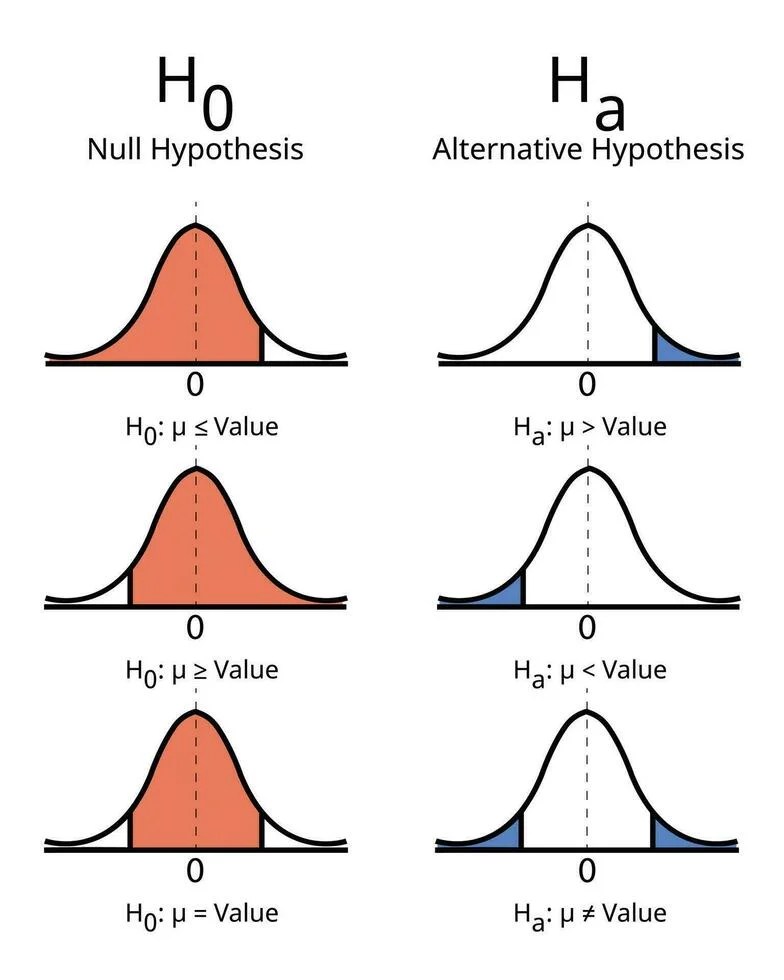
Hypothesis Meaning, Nature, Significance, Null Hypothesis & Alternative Hypothesis

Hypothesis is a proposed explanation or assumption made on the basis of limited evidence, serving as a starting point for further investigation. In research, it acts as a predictive statement that can be tested through study and experimentation. A good hypothesis clearly defines the relationship between variables and provides direction to the research process. It can be formulated as a positive assertion, a negative assertion, or a question. Hypotheses help researchers focus their study, collect relevant data, and analyze outcomes systematically. If supported by evidence, a hypothesis strengthens theories; if rejected, it helps refine or redirect the research.

Nature of Hypothesis:

  • Predictive Nature

A hypothesis predicts the possible outcome of a research study. It forecasts the relationship between two or more variables based on prior knowledge, observations, or theories. Through prediction, the researcher sets a direction for investigation and frames experiments accordingly. The predictive nature helps in formulating tests and procedures that validate or invalidate the assumptions. By predicting outcomes, a hypothesis serves as a guiding tool for collecting and analyzing data systematically in the research process.

  • Testable and Verifiable

A fundamental nature of a hypothesis is that it must be testable and verifiable. Researchers should be able to design experiments or collect data to prove or disprove the hypothesis objectively. If a hypothesis cannot be tested or verified with empirical evidence, it has no scientific value. Testability ensures that the hypothesis remains grounded in reality and allows researchers to apply statistical tools, experiments, or observations to validate the proposed relationships or statements.

  • Simple and Clear

A good hypothesis must be simple, clear, and understandable. It should not be complex or vague, as this makes testing and interpretation difficult. The clarity of a hypothesis allows researchers and readers to grasp its meaning without confusion. It should specifically state the expected relationship between variables and avoid unnecessary technical jargon. A simple hypothesis makes the research process more organized and structured, leading to more reliable and meaningful results during analysis.

  • Specific and Focused

The nature of a hypothesis demands that it be specific and focused on a particular issue or problem. It should not be broad or cover unrelated aspects, which can dilute the research findings. Specificity helps researchers concentrate their efforts on one clear objective, design relevant research methods, and gather precise data. A focused hypothesis reduces ambiguity, minimizes errors, and improves the validity of the research results by maintaining a sharp direction throughout the study.

  • Consistent with Existing Knowledge

A hypothesis should align with the existing body of knowledge and theories unless it aims to challenge or expand them. It should logically fit into the current understanding of the subject to make sense scientifically. When a hypothesis is consistent with known facts, it gains credibility and relevance. Even when proposing something new, a hypothesis should acknowledge previous research and build upon it, rather than ignoring established evidence or scientific frameworks.

  • Objective and Neutral

A hypothesis must be objective and free from personal bias, emotions, or preconceived notions. It should be based on observable facts and logical reasoning rather than personal beliefs. Researchers must frame their hypotheses with neutrality to ensure that the research process remains fair and unbiased. Objectivity enhances the scientific value of the study and ensures that conclusions are drawn based on evidence rather than assumptions, preferences, or subjective interpretations.

  • Tentative and Provisional

A hypothesis is not a confirmed truth but a tentative statement awaiting validation through research. It is subject to change, modification, or rejection based on the findings. Researchers must remain open-minded and willing to revise the hypothesis if new evidence contradicts it. This provisional nature is crucial for the progress of scientific inquiry, as it encourages continuous testing, exploration, and refinement of ideas instead of blindly accepting assumptions.

  • Relational Nature

Hypotheses often establish relationships between two or more variables. They state how one variable may affect, influence, or be associated with another. This relational nature forms the backbone of experimental and correlational research designs. Understanding these relationships helps researchers explain causes, predict effects, and identify patterns within their study areas. Clearly stated relationships in hypotheses also facilitate the application of statistical tests and the interpretation of research findings effectively.

Significance of Hypothesis:

  • Guides the Research Process

The hypothesis acts as a roadmap for the researcher, providing clear direction and focus. It helps define what needs to be studied, which variables to observe, and what methods to apply. Without a hypothesis, research would be unguided and scattered. By offering a structured path, it ensures that the research efforts are purposeful and systematically organized toward achieving meaningful outcomes.

  • Defines the Focus of Study

A hypothesis narrows the scope of the study by specifying exactly what the researcher aims to investigate. It identifies key variables and their expected relationships, preventing unnecessary data collection. This concentration saves time and resources while allowing for more detailed analysis. A focused study helps in maintaining clarity throughout the research process and results in stronger, more convincing conclusions based on targeted inquiry.

  • Establishes Relationships Between Variables

A hypothesis highlights the potential relationships between two or more variables. It outlines whether variables move together, influence each other, or remain independent. Establishing these relationships is essential for explaining complex phenomena. Through hypothesis testing, researchers can confirm or reject assumed connections, leading to deeper understanding, better theories, and stronger predictive capabilities in both scientific and business research contexts.

  • Helps in Developing Theories

Hypotheses contribute significantly to theory building. When a hypothesis is repeatedly tested and supported by empirical evidence, it can help form new theories or refine existing ones. Theories built on tested hypotheses have greater scientific value and can guide future research and practice. Thus, hypotheses are not just for individual studies; they play a critical role in expanding the broader knowledge base of a discipline.

  • Facilitates the Testing of Concepts

Concepts and assumptions need validation before they can be widely accepted. A hypothesis facilitates this validation by providing a mechanism for empirical testing. It helps researchers design experiments or surveys specifically aimed at confirming or disproving a particular idea. This ensures that concepts do not remain speculative but are subjected to rigorous scientific scrutiny, enhancing the reliability and acceptance of research findings.

  • Enhances Objectivity in Research

Having a well-defined hypothesis enhances objectivity by setting specific criteria that research must meet. Researchers approach data collection and analysis with a neutral mindset focused on proving or disproving the hypothesis. This objectivity minimizes the influence of personal biases or preconceived notions, promoting fair and unbiased research results. In this way, hypotheses help maintain the scientific integrity of research projects.

  • Assists in Decision Making

In applied fields like business and healthcare, hypotheses help decision-makers by providing data-driven insights. By testing hypotheses about consumer behavior, product performance, or treatment outcomes, organizations and professionals can make informed decisions. This reduces risks and improves strategic planning. A hypothesis, therefore, transforms vague assumptions into evidence-based conclusions that directly impact policies, operations, and practices.

  • Saves Time and Resources

By clearly defining what needs to be studied, a hypothesis prevents researchers from wasting time and resources on irrelevant data. It limits the research to specific objectives and focuses efforts on gathering meaningful, actionable information. Efficient use of resources is critical in both academic and professional research settings, making a well-structured hypothesis an essential tool for maximizing productivity and effectiveness.

Null Hypothesis:

The null hypothesis (H₀) is a fundamental concept in statistical testing that proposes no significant relationship or difference exists between variables being studied. It serves as the default position that researchers aim to test against, representing the assumption that any observed effects are due to random chance rather than systematic influences.

In experimental design, the null hypothesis typically states there is:

  • No difference between groups

  • No association between variables

  • No effect of a treatment/intervention

For example, in testing a new drug’s efficacy, H₀ would state “the drug has no effect on symptom reduction compared to placebo.” Researchers then collect data to determine whether sufficient evidence exists to reject this null position in favor of the alternative hypothesis (H₁), which proposes an actual effect exists.

Statistical tests calculate the probability (p-value) of obtaining the observed results if H₀ were true. When this probability falls below a predetermined significance level (usually p < 0.05), researchers reject H₀. Importantly, failing to reject H₀ doesn’t prove its truth – it simply indicates insufficient evidence against it. The null hypothesis framework provides objective criteria for making inferences while controlling for Type I errors (false positives).

Alternative Hypothesis:

The alternative hypothesis represents the researcher’s actual prediction about a relationship between variables, contrasting with the null hypothesis. It states that observed effects are real and not due to random chance, proposing either:

  1. A significant difference between groups

  2. A measurable association between variables

  3. A true effect of an intervention

Unlike the null hypothesis’s conservative stance, the alternative hypothesis embodies the research’s theoretical expectations. In a clinical trial, while H₀ states “Drug X has no effect,” H₁ might claim “Drug X reduces symptoms by at least 20%.”

Alternative hypotheses can be:

  • Directional (one-tailed): Predicting the specific nature of an effect (e.g., “Group A will score higher than Group B”)

  • Non-directional (two-tailed): Simply stating a difference exists without specifying direction

Statistical testing doesn’t directly prove H₁; rather, it assesses whether evidence sufficiently contradicts H₀ to support the alternative. When results show statistical significance (typically p < 0.05), we reject H₀ in favor of H₁.

The alternative hypothesis drives research design by determining appropriate statistical tests, required sample sizes, and measurement precision. It must be formulated before data collection to prevent post-hoc reasoning. Well-constructed alternative hypotheses are testable, falsifiable, and grounded in theoretical frameworks, providing the foundation for meaningful scientific conclusions.

Stages in Research Process

Research Process refers to a systematic sequence of steps followed by researchers to investigate a problem or question. It involves identifying a research problem, reviewing relevant literature, formulating hypotheses, designing a research methodology, collecting data, analyzing the data, interpreting results, and drawing conclusions. This structured approach ensures reliable, valid, and meaningful outcomes in the study.

Stages in Research Process:

  1. Identifying the Research Problem

The first stage in the research process is to identify and define the research problem. This involves recognizing an issue, gap, or question in a particular field of study that requires investigation. Clearly articulating the problem is essential as it sets the foundation for the entire research process. Researchers need to explore existing literature, consult experts, or observe real-world issues to determine the research problem. Defining the problem ensures that the study remains focused and relevant, guiding the researcher in formulating objectives and hypotheses for further investigation.

  1. Reviewing the Literature

Once the research problem is identified, the next stage is reviewing existing literature. This step involves gathering information from books, journal articles, reports, and other scholarly sources related to the research topic. A comprehensive literature review helps researchers understand the current state of knowledge on the subject and identifies gaps in existing studies. It also helps refine the research problem, build hypotheses, and establish a theoretical framework. A well-conducted literature review ensures that the researcher’s work contributes to the existing body of knowledge and avoids duplication of previous studies.

  1. Formulating Hypothesis or Research Questions

In this stage, researchers formulate hypotheses or research questions based on the research problem and literature review. A hypothesis is a testable statement about the relationship between variables, while research questions are open-ended queries that guide the investigation. These hypotheses or questions direct the research design and data collection methods. A well-defined hypothesis or research question helps in focusing the research, making it possible to derive meaningful conclusions. This stage ensures that the study remains on track and allows researchers to clearly communicate the aim and scope of their research.

  1. Research Design and Methodology

The research design is a blueprint for the entire research process. In this stage, researchers select an appropriate methodology to collect and analyze data. They decide whether the research will be qualitative, quantitative, or a mix of both. The design outlines the research approach, methods of data collection, sampling techniques, and analytical tools to be used. A well-defined research design ensures that the study is structured, systematic, and capable of addressing the research questions effectively. This stage also includes setting timelines, budgeting, and ensuring ethical considerations are met.

  1. Data Collection

Data collection is a critical stage where the researcher gathers the necessary information to address the research problem. The data collection method depends on the research design and could involve surveys, interviews, observations, or experiments. Researchers ensure that they collect valid and reliable data, adhering to ethical guidelines such as consent and confidentiality. This stage is vital for providing the empirical evidence needed to test hypotheses or answer research questions. Proper data collection ensures that the research is based on accurate and comprehensive information, forming the basis for analysis and conclusions.

  1. Data Analysis

Once data is collected, the next step is data analysis, where researchers process and interpret the information gathered. The type of analysis depends on the research design—quantitative data might be analyzed using statistical tools, while qualitative data is typically analyzed through thematic analysis or content analysis. Researchers examine patterns, relationships, and trends in the data to draw conclusions or test hypotheses. Effective data analysis helps researchers provide answers to research questions and ensures the results are valid, reliable, and relevant to the research problem. This stage is key to producing meaningful insights.

  1. Interpretation and Presentation of Results

In this stage, researchers interpret the data analysis results, drawing conclusions based on the evidence. The researcher compares the findings to the original hypotheses or research questions and discusses whether the data supports or contradicts expectations. They may also explore the implications of the findings, the limitations of the study, and suggest areas for future research. The results are then presented in a clear, structured format, typically through a research paper, report, or presentation. Effective communication of the results ensures that the research contributes to the body of knowledge and informs decision-making.

  1. Conclusion and Recommendations

The final stage in the research process involves summarizing the key findings and offering recommendations based on the research results. In the conclusion, researchers restate the importance of the research problem, summarize the main findings, and discuss how these findings address the research questions or hypotheses. If applicable, they provide suggestions for practical applications of the research. Researchers may also suggest areas for future research to explore unanswered questions or limitations of the study. This stage ensures that the research has real-world relevance and potential for further exploration.

Sampling Techniques (Probability and Non-Probability Sampling Techniques)

Sampling Techniques refer to the methods used to select individuals, items, or data points from a larger population for research purposes. These techniques ensure that the sample accurately represents the entire population, allowing for valid and reliable conclusions. Sampling techniques are broadly classified into two categories: probability sampling (where every element has an equal chance of being selected) and non-probability sampling (where selection is based on researcher judgment or convenience). Common methods include random sampling, stratified sampling, cluster sampling, convenience sampling, and purposive sampling. Choosing the right sampling technique is crucial because it impacts the quality, accuracy, and generalizability of the research findings. Proper sampling reduces bias and increases research credibility.

1. Probability Sampling Techniques

Probability sampling techniques are methods where every member of the population has a known and equal chance of being selected for the sample. These techniques aim to eliminate selection bias and ensure that the sample is truly representative of the entire population. Common types of probability sampling include simple random sampling, systematic sampling, stratified sampling, and cluster sampling. Researchers often prefer probability sampling because it allows the use of statistical methods to estimate population parameters and test hypotheses accurately. This approach enhances the validity, reliability, and generalizability of research findings, making it fundamental in scientific studies and decision-making processes.

Types of Probability Sampling Techniques

  • Simple Random Sampling

Every population member has an equal, independent chance of selection, typically using random number generators or lotteries. This method eliminates selection bias and ensures representativeness, making it ideal for homogeneous populations. However, it requires a complete sampling frame and may miss small subgroups. Despite its simplicity, large sample sizes are often needed for precision. It’s widely used in surveys and experimental research where unbiased representation is critical.

  • Stratified Random Sampling

The population is divided into homogeneous subgroups (strata), and random samples are drawn from each. This ensures representation of key characteristics (e.g., age, gender). It improves precision compared to simple random sampling, especially for heterogeneous populations. Proportionate stratification maintains population ratios, while disproportionate stratification may oversample rare groups. This method is costlier but valuable when subgroup comparisons are needed, such as in clinical or sociological studies.

  • Systematic Sampling

A fixed interval (*k*) is used to select samples from an ordered population list (e.g., every 10th person). The starting point is randomly chosen. This method is simpler than random sampling and ensures even coverage. However, if the list has hidden patterns, bias may occur. It’s efficient for large populations, like quality control in manufacturing or voter surveys, but requires caution to avoid periodicity-related distortions.

  • Cluster Sampling

The population is divided into clusters (e.g., schools, neighborhoods), and entire clusters are randomly selected for study. This reduces logistical costs, especially for geographically dispersed groups. However, clusters may lack internal diversity, increasing sampling error. Two-stage cluster sampling (randomly selecting subjects within chosen clusters) improves accuracy. It’s practical for national health surveys or educational research where individual access is challenging.

  • Multistage Sampling

A hybrid approach combining multiple probability methods (e.g., clustering followed by stratification). Large clusters are selected first, then subdivided for further random sampling. This balances cost and precision, making it useful for large-scale studies like census data collection or market research. While flexible, it requires careful design to minimize cumulative errors and maintain representativeness across stages.

2. Non-Probability Sampling Techniques

Non-probability Sampling refers to research methods where samples are selected through subjective criteria rather than random selection, meaning not all population members have an equal chance of participation. These techniques are used when probability sampling is impractical due to time, cost, or population constraints. Common approaches include convenience sampling (easily accessible subjects), purposive sampling (targeted selection of specific characteristics), snowball sampling (participant referrals), and quota sampling (pre-set subgroup representation). While these methods enable faster, cheaper data collection in exploratory or qualitative studies, they carry higher risk of bias and limit result generalizability to broader populations. Researchers employ them when prioritizing practicality over statistical representativeness.

Types of Non-Probability Sampling Techniques

  • Convenience Sampling

Researchers select participants who are most easily accessible, such as students in a classroom or shoppers at a mall. This method is quick, inexpensive, and requires minimal planning, making it ideal for preliminary research. However, results suffer from significant bias since the sample may not represent the target population. Despite limitations, convenience sampling is widely used in pilot studies, exploratory research, and when time/resources are constrained.

  • Purposive (Judgmental) Sampling

Researchers deliberately select specific individuals who meet predefined criteria relevant to the study. This technique is valuable when studying unique populations or specialized topics requiring expert knowledge. While it allows for targeted data collection, the subjective selection process introduces researcher bias. Purposive sampling is commonly used in qualitative research, case studies, and when investigating rare phenomena where random sampling isn’t feasible.

  • Snowball Sampling

Existing study participants recruit future subjects from their acquaintances, creating a chain referral process. This method is particularly useful for reaching hidden or hard-to-access populations like marginalized communities. While effective for sensitive topics, the sample may become homogeneous as participants share similar networks. Snowball sampling is frequently employed in sociological research, studies of illegal behaviors, and when investigating stigmatized conditions.

  • Quota Sampling

Researchers divide the population into subgroups and non-randomly select participants until predetermined quotas are filled. This ensures representation across key characteristics but lacks the randomness of stratified sampling. Quota sampling is more structured than convenience sampling yet still prone to selection bias. Market researchers often use this method when they need quick, cost-effective results that approximate population demographics.

  • Self-Selection Sampling

Individuals voluntarily choose to participate, typically by responding to open invitations or surveys. This approach yields large sample sizes easily but suffers from volunteer bias, as participants may differ significantly from non-respondents. Common in online surveys and call-in opinion polls, self-selection provides accessible data though results should be interpreted cautiously due to inherent representation issues.

Key differences between Probability and Non-Probability Sampling

Aspect Probability Sampling Non-Probability Sampling
Selection Basis Random Subjective
Bias Risk Low High
Representativeness High Low
Generalizability Strong Limited
Cost High Low
Time Required Long Short
Complexity High Low
Population Knowledge Required Optional
Error Control Measurable Unmeasurable
Use Cases Quantitative Qualitative
Statistical Tests Applicable Limited
Sample Frame Essential Flexible
Precision High Variable
Research Stage Confirmatory Exploratory
Participant Access Challenging Easy

Presentation Skills, Presentation, Elements

Presentation Skills refer to the ability to effectively communicate information to an audience through speech, visuals, and body language. These skills encompass clear articulation, engaging storytelling, proper use of visual aids, and confident delivery. Good presentation skills also involve understanding the audience’s needs, adjusting the content accordingly, and maintaining attention through interaction. Effective presenters are able to organize their ideas logically, convey their message persuasively, and handle questions or interruptions smoothly. Strong presentation skills are essential in various settings, such as business meetings, academic lectures, conferences, and public speaking events, and are crucial for successful communication.

Presentation

Presentation is a method of conveying information, ideas, or arguments to an audience using spoken words, visual aids, and sometimes interactive elements. It is typically structured with an introduction, main content, and conclusion, aimed at educating, informing, persuading, or entertaining the audience. Presentations can be formal or informal, and the speaker may use various tools such as slides, videos, charts, and graphs to enhance understanding. Effective presentations require clarity, engagement, and strong delivery skills to capture and maintain the audience’s attention while ensuring the message is communicated effectively. They are commonly used in business, education, and public speaking.

Elements of effective Presentation:

Effective presentations require several key elements to ensure that the message is communicated clearly and engages the audience. Below are the essential elements of an effective presentation:

1. Clear Objective

The presentation should have a clear purpose or objective. The speaker must define the goal of the presentation, whether it is to inform, persuade, entertain, or motivate the audience. A focused objective ensures that the message remains on track and that the audience understands the purpose from the start.

2. Audience Understanding

Understanding the audience’s interests, needs, and expectations is crucial. Tailoring the presentation to meet the audience’s level of knowledge and engagement style ensures the content is relevant and resonates with them. Adjust the tone, vocabulary, and examples based on the audience’s background and preferences.

3. Structure and Organization

An effective presentation follows a logical structure:

  • Introduction: A compelling opening to grab attention and introduce the topic.
  • Body: The main content, divided into clear, digestible sections, with each point supported by facts, examples, or visuals.
  • Conclusion: A strong closing that summarizes key points, reinforces the main message, and provides a call to action or reflection.

4. Clarity and Simplicity

The content should be clear and easy to understand. Avoid jargon, unnecessary details, and complex explanations that might confuse the audience. Use simple language and focus on key points to make the message accessible to everyone. Clear, concise communication ensures that the audience can easily follow the presentation.

5. Visual Aids

Visual aids like slides, charts, graphs, and images can enhance understanding and retention of information. They should complement the speaker’s message, not overwhelm it. Well-designed visuals help clarify complex ideas and keep the audience engaged. However, it’s important not to rely too heavily on visuals—verbal communication should remain the primary means of delivery.

6. Engagement and Interaction

Engaging the audience throughout the presentation is vital. This can be done through storytelling, asking questions, encouraging participation, and using humor where appropriate. Interaction keeps the audience involved and makes the presentation more memorable. Responding to the audience’s reactions and feedback helps maintain a dynamic atmosphere.

7. Body Language

Non-verbal communication plays a significant role in an effective presentation. The speaker should maintain good posture, make eye contact, and use gestures to emphasize points. Positive body language conveys confidence and helps establish rapport with the audience. It also ensures that the message is delivered with impact and sincerity.

8. Voice Control

The speaker’s voice is a powerful tool in holding the audience’s attention. Effective use of tone, pitch, volume, and pace helps convey enthusiasm, importance, and emotion. Varying these elements prevents monotony and ensures that key points are emphasized. Pausing at appropriate moments allows the audience to absorb information.

9. Practice and Preparation

A well-prepared presenter is more confident and effective. Practicing the presentation multiple times allows the speaker to refine delivery, check timing, and anticipate questions. It also helps in identifying any weak spots in the content or structure. Thorough preparation ensures smooth delivery and minimizes the chance of errors or nervousness.

10. Confidence and Poise

Confidence is key to an impactful presentation. A confident speaker is perceived as more credible and persuasive. Confidence comes from preparation, practice, and experience. Remaining poised, even in the face of challenges, helps maintain the speaker’s authority and ensures the audience remains engaged and trusting.

11. Time Management

An effective presentation should be well-paced and respect the audience’s time. It’s important to stick to the allotted time and avoid rushing or dragging out the presentation. Good time management ensures the speaker covers all essential points without losing the audience’s attention or overwhelming them with too much information.

Research, Introduction, Meaning, Definition, Objective, Purpose, Types, Importance and Challenges

Research is a systematic and organized process of collecting, analyzing, and interpreting information to increase understanding of a topic or issue. It aims to discover new facts, verify existing knowledge, or solve specific problems through careful investigation. Research can be theoretical or applied, and it involves forming hypotheses, gathering data, and drawing conclusions. It is essential in academic, scientific, and business fields to make informed decisions and improve practices. A well-conducted research study follows a structured methodology to ensure reliability and validity. Overall, research is a tool for expanding knowledge and contributing to the development of society and industries.

Definition of Research

  • Clifford Woody

Research is a careful inquiry or examination to discover new facts or verify old ones.

  • Creswell

Research is a process of steps used to collect and analyze information to increase our understanding of a topic.

  • Redman and Mory

Research is a systematized effort to gain new knowledge.

  • Kerlinger

Research is a systematic, controlled, empirical, and critical investigation of hypothetical propositions.

  • Lundberg

Research is a systematic activity directed towards the discovery and development of an organized body of knowledge.

Objective of Research

  • To Gain Familiarity with a Phenomenon

One major objective of research is to explore and understand a phenomenon or concept more clearly. This is often done through exploratory research, especially when little prior knowledge exists. It helps researchers gain insights into new topics, identify trends, and lay the groundwork for future studies. By becoming familiar with unfamiliar issues, researchers can form better hypotheses and research questions. This foundational understanding is critical for developing more in-depth research and creating meaningful contributions to academic and professional fields.

  • To Describe a Phenomenon Accurately

Descriptive research aims to systematically and precisely describe the characteristics of a subject, event, or population. Whether it’s human behavior, market trends, or institutional processes, this type of research collects detailed information to create an accurate picture. The objective is not to determine cause-and-effect but to define “what is” in a clear and factual manner. Such descriptions help researchers, practitioners, and policymakers understand the current state of affairs and serve as a reference point for comparing future changes.

  • To Establish Cause-and-Effect Relationships

Causal or explanatory research seeks to identify and analyze relationships between variables, often using experiments or observational studies. The objective is to determine how and why certain phenomena occur. For instance, a business might study the impact of advertising on sales. Establishing cause-and-effect allows researchers to predict outcomes and design effective interventions. This type of research is essential in fields like science, economics, and medicine, where understanding the effects of one factor on another can lead to critical discoveries and solutions.

  • To Test Hypotheses

Another key objective of research is hypothesis testing, where assumptions or predictions made before a study are examined for accuracy. Researchers design experiments or surveys to gather data that supports or refutes their hypotheses. The goal is to provide empirical evidence for or against theoretical statements. This process sharpens theories, confirms findings, and promotes scientific accuracy. Testing hypotheses is particularly important in quantitative research, as it relies on statistical techniques to validate conclusions and ensure objectivity.

  • To Develop New Theories and Concepts

Research often leads to the creation or refinement of theories and models that explain how the world works. The objective here is to go beyond existing knowledge and offer new perspectives or conceptual frameworks. Through in-depth analysis, researchers can challenge outdated views and propose innovative explanations. These new theories guide future research, inform policy, and influence practice across disciplines. In academic fields, theoretical research forms the basis for scholarly progress and intellectual advancement.

  • To Find Solutions to Practical Problems

Applied research is conducted with the specific objective of solving real-world problems. Whether it’s improving product design, enhancing public health, or increasing workplace efficiency, the goal is to apply scientific methods to practical challenges. This kind of research is widely used in industries, education, and government. It not only addresses current issues but also anticipates future needs. By developing effective strategies and solutions, applied research makes a direct contribution to societal well-being and economic development.

  • To Predict Future Trends

Research aims to forecast what may happen in the future based on current and past data. Predictive research uses statistical tools and modeling techniques to identify patterns and trends that inform future outcomes. For example, businesses use market research to predict consumer behavior, and climate scientists use data to forecast environmental changes. These predictions guide planning and strategic decisions. Accurate forecasting is essential for minimizing risk, improving preparedness, and making proactive decisions in dynamic environments.

  • To Enhance Understanding and Clarify Doubts

Research helps deepen our understanding of complex topics and clarifies uncertainties that may exist in previous studies or beliefs. By investigating issues from multiple angles, using various methods, and verifying results, research ensures greater clarity and accuracy. This objective is crucial in academia and science, where incomplete or conflicting information often leads to confusion. Ongoing research contributes to refinement, resolution of debates, and filling knowledge gaps, ensuring a more complete and reliable understanding of any subject.

Purpose of Research

  • Discovery of New Knowledge

One of the primary purposes of research is to discover new facts, ideas, and knowledge. Research helps in expanding the existing pool of information by exploring unknown areas and generating fresh insights. Through systematic investigation, researchers identify new relationships, concepts, and principles that were previously unexplored. This contributes to the growth of various disciplines such as science, management, economics, and social sciences. Discovery-oriented research lays the foundation for innovation, development, and further academic inquiry in different fields of study.

  • Verification of Existing Knowledge

Research is conducted to test and verify the validity of existing theories, laws, and concepts. Many ideas accepted over time require re-examination due to changing conditions, new evidence, or technological advancements. Research helps confirm whether earlier findings are still relevant and accurate. This process strengthens the reliability of knowledge by removing errors, misconceptions, and outdated assumptions. Verification through research ensures that decisions, policies, and practices are based on dependable and scientifically tested information.

  • Solution to Practical Problems

Another important purpose of research is to provide solutions to real-life problems faced by individuals, organizations, industries, and society. Applied research focuses on identifying causes of problems and suggesting effective remedies. In business, research helps solve issues related to production, marketing, finance, and human resources. In social sciences, it addresses problems like poverty, unemployment, and health. Thus, research acts as a tool for problem-solving and practical decision-making.

  • Development of Theories and Concepts

Research helps in developing new theories, models, and conceptual frameworks. By analyzing data and observing patterns, researchers formulate generalizations and principles that explain phenomena. These theories provide a systematic understanding of relationships among variables and guide future research. Theory-building research enhances academic depth and strengthens subject foundations. It also helps practitioners apply theoretical knowledge in practical situations, thereby bridging the gap between theory and practice in various disciplines.

  • Prediction and Forecasting

Research plays a significant role in predicting future trends and outcomes. By studying past and present data, researchers can forecast changes in markets, consumer behavior, population growth, and economic conditions. Such predictions help organizations and governments plan for the future and reduce uncertainty. Forecasting through research supports strategic planning, risk management, and policy formulation. Accurate predictions enable better preparedness for challenges and opportunities that may arise in the future.

  • Improvement in Decision Making

One of the key purposes of research is to support sound and rational decision-making. Research provides relevant, accurate, and timely information required for making informed choices. In business and management, research reduces guesswork and reliance on intuition. Decisions related to investment, product development, and policy implementation become more effective when backed by research findings. Thus, research improves the quality of decisions and enhances efficiency and effectiveness in achieving objectives.

  • Advancement of Social and Economic Development

Research contributes significantly to social and economic progress. It helps identify social issues, evaluate government programs, and suggest improvements in public policies. Economic research aids in understanding growth patterns, inflation, employment, and income distribution. Through research, innovative solutions are developed to improve living standards and promote sustainable development. Hence, research supports national development by providing a scientific basis for planning, reforms, and welfare initiatives.

  • Enhancement of Knowledge and Learning

Research promotes intellectual growth and continuous learning. It develops analytical thinking, creativity, and problem-solving abilities among researchers and students. Through research, individuals gain deeper understanding of subjects and develop a scientific attitude. It encourages questioning, exploration, and logical reasoning. This purpose is especially important in education, where research-based learning improves academic quality and contributes to personal and professional development.

Types of Research

1. Basic Research

Basic research, also known as pure or fundamental research, is conducted to expand existing knowledge without focusing on immediate practical application. Its main objective is to develop theories, principles, and generalizations. This type of research helps in understanding fundamental aspects of a subject and provides a foundation for applied research. Although it may not offer direct solutions, basic research is essential for long-term academic growth and scientific advancement.

2. Applied Research

Applied research is undertaken to solve specific, practical problems faced by individuals, organizations, or society. It focuses on applying theoretical knowledge to real-life situations. This type of research is common in fields like business, management, medicine, and engineering. The findings of applied research are directly useful for decision-making and problem-solving. It helps improve products, processes, and services by providing workable solutions.

3. Descriptive Research

Descriptive research aims to describe the characteristics of a population, situation, or phenomenon accurately. It does not control variables but observes and reports conditions as they exist. Surveys, questionnaires, and observational methods are commonly used. This type of research helps in understanding “what is happening” rather than “why it happens.” Descriptive research is widely used in social sciences, marketing, and business studies.

4. Analytical Research

Analytical research involves the use of existing data to analyze and evaluate relationships among variables. The researcher critically examines facts and information to draw conclusions. Unlike descriptive research, analytical research focuses on “why” and “how” aspects. It requires logical reasoning and statistical tools. This type of research is useful in policy analysis, financial studies, and economic research to understand cause-and-effect relationships.

5. Exploratory Research

Exploratory research is conducted when a problem is not clearly defined or when little information is available. Its purpose is to gain initial insights and understanding of the problem. Methods such as interviews, focus groups, and literature reviews are commonly used. Exploratory research helps in formulating hypotheses and identifying variables for further study. It provides direction for more detailed and structured research.

6. Qualitative Research

Qualitative research focuses on understanding human behavior, opinions, and experiences in a non-numerical form. It uses methods like interviews, case studies, and observations. This type of research emphasizes depth rather than quantity of data. Qualitative research helps in exploring attitudes, motivations, and perceptions. It is widely used in social sciences, psychology, and management to gain detailed insights.

7. Quantitative Research

Quantitative research deals with numerical data and statistical analysis. It aims to quantify variables and examine relationships using structured tools like surveys and experiments. This type of research provides measurable and objective results. Quantitative research is useful for testing hypotheses and making generalizations. It is commonly used in business, economics, and scientific studies where precision and accuracy are required.

8. Conceptual and Empirical Research

Conceptual research is based on abstract ideas, theories, and concepts. It involves logical reasoning and theoretical analysis without relying on observation. Empirical research, on the other hand, is based on actual observations and experiments. It relies on data collection and evidence. Both types are important, as conceptual research builds theories, while empirical research tests and validates them in real-world conditions.

Importance of Research

  • Expansion of Knowledge

Research plays a vital role in expanding human knowledge. It helps us understand concepts, theories, and facts in a deeper and more meaningful way. Through systematic investigation, research uncovers hidden truths and broadens the scope of what is already known. This continuous process of discovery is essential in education, science, and innovation. Without research, the development of new ideas, improvements in technology, and advancements in various fields would come to a standstill.

  • Problem Solving

One of the main purposes of research is to find solutions to problems. In both academic and practical settings, research helps identify the root causes of issues and suggests possible remedies. Whether it’s a social, economic, scientific, or business problem, research provides the tools and frameworks to analyze the situation effectively. It allows decision-makers to make evidence-based choices and implement strategies that are backed by data and analysis, leading to more successful outcomes.

  • Informed Decision Making

Research enables individuals, organizations, and governments to make informed decisions. By analyzing data and studying trends, research provides a factual basis for choosing between alternatives. In business, it helps managers decide on product development, marketing strategies, and investment plans. In public policy, it helps lawmakers craft laws that address real needs. This reduces the risk of failure and ensures that decisions are effective, efficient, and aligned with actual conditions and demands.

  • Economic Development

Research is essential for economic growth and development. It leads to the creation of new products, services, and technologies, which drive industry and generate employment. By improving productivity, reducing costs, and increasing competitiveness, research directly contributes to the success of businesses and national economies. Additionally, research in areas like agriculture, health, and education ensures sustainable development by solving real-world problems and improving the quality of life for individuals and communities.

  • Improvement in Education

Research strengthens the education system by improving teaching methods, learning outcomes, and academic content. It helps educators understand student needs, evaluate curricula, and adopt innovative practices. Research also enables students and teachers to stay updated with the latest knowledge in their field, promoting lifelong learning. Educational research contributes to the development of better textbooks, e-learning tools, and inclusive teaching strategies that cater to diverse learning styles and backgrounds.

  • Policy Formulation

Government and institutional policies must be based on reliable data and analysis, which research provides. Whether in health, education, environment, or public safety, research ensures that policies are relevant, effective, and future-ready. It helps policymakers assess the potential impact of laws and regulations, avoiding guesswork and promoting social welfare. Evidence-based policies are more likely to gain public support and achieve their goals, ultimately benefiting the economy and society as a whole.

  • Innovation and Technology Advancement

Innovation thrives on research. From developing new medical treatments to designing smarter devices, research is the foundation of technological progress. Scientists and engineers rely on research to explore possibilities, test ideas, and turn concepts into real-world applications. Research also encourages creativity and collaboration across disciplines, pushing the boundaries of what’s possible. As technology rapidly evolves, research ensures that innovation continues to meet the needs of people and adapt to changing environments.

  • Social and Cultural Understanding

Research deepens our understanding of social and cultural dynamics. It helps explore human behavior, beliefs, traditions, and societal changes. Through research in fields like sociology, anthropology, and psychology, we gain insights into communities and cultures, fostering tolerance and mutual respect. This understanding is crucial in a globalized world where collaboration and coexistence are key. It also helps in addressing social issues like poverty, gender inequality, and discrimination with informed, data-backed strategies.

Challenges in Research

  • Problem Identification and Definition

One of the major challenges in research is identifying and clearly defining the research problem. An unclear or poorly framed problem leads to confusion and ineffective results. Researchers often face difficulty in narrowing down a broad topic into a specific and researchable problem. Lack of clarity affects objectives, hypothesis formulation, and methodology. Proper understanding of the problem is essential, as the entire research process depends on accurate problem identification and precise definition.

  • Availability of Reliable Data

Availability of accurate and reliable data is a significant challenge in research. Researchers may face incomplete, outdated, or inconsistent data sources. In some cases, data may not be accessible due to confidentiality or restrictions. Primary data collection can be costly and time-consuming, while secondary data may lack relevance. Poor quality data directly affects the validity and reliability of research findings, making conclusions less dependable.

  • Time Constraints

Time limitation is a common challenge faced by researchers, especially students and professionals. Research involves multiple stages such as literature review, data collection, analysis, and reporting, each requiring adequate time. Due to academic deadlines or organizational pressure, researchers may rush through processes, leading to errors and superficial analysis. Insufficient time affects depth, accuracy, and overall quality of research work.

  • Financial Constraints

Lack of adequate funds poses a major challenge in conducting research. Expenses related to data collection, fieldwork, surveys, software, and expert consultation can be high. Limited financial resources restrict sample size, research tools, and scope of the study. Due to budget constraints, researchers may compromise on quality and methodology, which negatively impacts the reliability and effectiveness of research outcomes.

  • Selection of Appropriate Research Methodology

Choosing the correct research methodology is often challenging. Researchers may struggle to select suitable research design, sampling techniques, and data collection methods. Incorrect methodology leads to biased results and invalid conclusions. Lack of experience or guidance further complicates this challenge. Proper alignment between research objectives and methodology is crucial to ensure meaningful and accurate findings.

  • Researcher Bias and Subjectivity

Researcher bias is a serious challenge that affects objectivity. Personal beliefs, assumptions, and expectations may influence data collection, interpretation, and conclusions. Bias can occur intentionally or unintentionally, leading to distorted results. Maintaining neutrality and using standardized tools is essential. Overcoming bias requires awareness, ethical conduct, and adherence to scientific principles throughout the research process.

  • Ethical Issues in Research

Ethical challenges are common in research involving human subjects. Issues such as informed consent, privacy, confidentiality, and data misuse must be carefully handled. Researchers may face difficulty in balancing research objectives with ethical responsibilities. Failure to follow ethical standards can lead to legal consequences and loss of credibility. Ethical compliance is essential for responsible and trustworthy research.

  • Data Analysis and Interpretation

Analyzing and interpreting data accurately is a complex challenge in research. Researchers may lack technical knowledge of statistical tools and software. Misinterpretation of data can lead to incorrect conclusions. Large volumes of data increase complexity and chances of error. Proper training, use of appropriate analytical techniques, and careful interpretation are necessary to ensure valid and meaningful research results.

Methods of Primary Data Collection: Observation, Interview, Questionnaire, and Survey

Primary Data is information collected firsthand by a researcher for a specific research purpose. It is original, fresh, and tailored directly to the research question or objective. Methods such as surveys, interviews, experiments, and observations are commonly used to gather primary data. Since it is collected directly from the source, primary data is highly relevant, specific, and accurate. However, it often requires more time, effort, and resources compared to using existing information. It is essential for studies needing updated or detailed insights.

Methods of Primary Data Collection:

  • Observation

Observation involves systematically watching and recording behaviors, events, or phenomena as they occur naturally or in a controlled setting. It allows researchers to gather real-time, unbiased data without influencing the subject’s behavior. Observations can be structured (following a predefined checklist) or unstructured (open-ended). It is especially useful when participants are unwilling or unable to provide accurate verbal responses. Researchers may act as participants (participant observation) or as non-intrusive observers. Observation is widely used in fields like anthropology, psychology, and marketing to understand behaviors, workflows, or consumer interactions. It provides deep insights but may sometimes lack the ability to explain the reasons behind certain actions, requiring combination with other methods like interviews for richer analysis.

  • Interview

An interview is a direct, face-to-face, telephonic, or video-based conversation between the researcher and the participant aimed at gathering detailed information. Interviews can be structured (fixed questions), semi-structured (guided by a framework but flexible), or unstructured (open conversation). This method allows for in-depth exploration of opinions, emotions, experiences, and motivations. Interviews can be personal or group-based, depending on research needs. They are commonly used in qualitative research to gain comprehensive understanding and context behind responses. Although interviews provide rich, detailed data, they can be time-consuming and may introduce biases if not conducted carefully. Proper interviewer skills are essential for encouraging honest and open communication from participants.

  • Questionnaire

Questionnaire is a set of written or digital questions designed to collect information from respondents. It can include closed-ended questions (like multiple-choice) or open-ended questions (where respondents write answers in their own words). Questionnaires are often used for surveys and research studies where standardized information is needed from a large audience. They are cost-effective, easy to distribute, and efficient in data collection. Responses are easy to quantify for statistical analysis. However, the design of the questionnaire is crucial — poorly framed questions can lead to misunderstandings and unreliable data. Questionnaires are widely used in education, social science, market research, and customer satisfaction studies.

  • Survey

Survey is a research method involving the systematic collection of information from a sample of individuals, usually through questionnaires or interviews. Surveys can be conducted in-person, via phone, online, or by mail. They are useful for gathering quantitative as well as qualitative data about behaviors, attitudes, preferences, or demographics. Surveys are popular because they can cover large populations at relatively low cost and produce statistically significant results if designed properly. However, their effectiveness depends on clear question framing, respondent honesty, and sampling methods. Surveys are widely used in fields like business, healthcare, political science, and social research for decision-making and trend analysis.

Verbal Communication Meaning, Importance, Characteristics, Effectiveness

Verbal Communication refers to the use of words, either spoken or written, to convey information, ideas, or emotions between individuals. It is one of the most common forms of communication and includes conversations, speeches, emails, phone calls, and other forms of written correspondence. Effective verbal communication involves clarity, tone, pitch, and vocabulary, as well as active listening skills. It enables individuals to express thoughts, share knowledge, ask questions, and engage in discussions. Verbal communication can be formal or informal, depending on the context, and plays a vital role in building relationships, conveying messages, and ensuring understanding.

Importance of Verbal Communication:

  • Facilitates Clear and Direct Expression

Verbal communication allows individuals to express their thoughts, ideas, and emotions clearly and directly. Unlike non-verbal communication, which can be ambiguous, verbal communication provides an explicit means to convey specific messages. It enables the speaker to articulate their point of view, ensuring that listeners receive the information as intended. This is particularly important in professional environments where precision is required to avoid misunderstandings or errors. By using the right words, tone, and language, individuals can effectively communicate their messages, enhancing clarity and comprehension.

  • Promotes Understanding and Reduces Miscommunication

Verbal communication helps ensure that both the sender and the receiver understand each other. In a conversation, feedback is immediate, allowing for real-time clarification and the opportunity to ask questions if something is unclear. This dynamic exchange reduces the likelihood of misunderstandings that can arise from misinterpreting body language or non-verbal cues. For instance, in a business meeting, team members can ask follow-up questions to ensure they fully understand the instructions or objectives, thus minimizing errors in execution and improving overall team performance.

  • Encourages Engagement and Interaction

Verbal communication fosters engagement and interaction between individuals, making it easier to build connections and relationships. It enables open dialogue, where both parties can exchange ideas, ask questions, and provide feedback. This interactive nature promotes collaboration and teamwork, especially in work settings where ideas need to be shared and discussed openly. In social settings, verbal communication also plays a vital role in maintaining relationships by facilitating conversations, sharing experiences, and strengthening bonds between individuals.

  • Enhances Professionalism and Authority

In professional and business settings, verbal communication is crucial for establishing authority, presenting ideas, and leading discussions. A well-delivered presentation, for example, can influence an audience’s perception of expertise, professionalism, and leadership. Clear and confident verbal communication demonstrates competence, enabling individuals to effectively lead teams, negotiate deals, and manage projects. Additionally, verbal communication in the form of formal emails, reports, or presentations is often essential for establishing credibility and making a strong impression in the workplace.

  • Improves Conflict Resolution

Verbal communication plays a significant role in resolving conflicts by enabling individuals to address misunderstandings or disagreements directly. Through calm, respectful, and clear dialogue, parties involved in a conflict can express their concerns, listen to each other’s viewpoints, and work toward a mutually agreeable solution. When emotions are high, effective verbal communication can defuse tense situations, allowing for constructive conversations that lead to resolution. In professional environments, this is especially important to maintain healthy working relationships and prevent conflicts from escalating.

  • Facilitates Learning and Knowledge Sharing

Verbal communication is essential in educational and training contexts, where knowledge transfer is the primary goal. Teachers, trainers, and mentors rely on verbal communication to convey lessons, instructions, and information in a clear and structured manner. Additionally, it enables students and employees to ask questions, participate in discussions, and engage with the content more effectively. Verbal communication fosters a two-way exchange of ideas, facilitating deeper learning, enhancing comprehension, and promoting active participation in the learning process.

Characteristics of Verbal Communication

(i) Mediums

Verbal communication is either face-to-face or public. Communicating face-to-face allows communicators to exchange ideas back and forth freely, while public speaking allows the back and forth exchange of ideas only in certain circumstances, like a classroom setting or during a question and answer session. However, in order to keep information flowing smoothly and clearly between the speaker and the audience, rules have to be negotiated as to when each individual can speak. Verbal communication does not just involve speech, since written communication conveys a specific idea and is a part of verbal communication.

(ii) Sound

At birth, everyone has the ability to make sounds. Some sounds have nothing to do with language or words, such as laughing, crying and yelling. Despite that, people with different languages can understand the emotion that the individual is communicating. Emotions and attitudes can also be communicated through the tone of the words. People have a tendency to show how they feel about the subject or the audience through the tone they present. Tone can completely shift the meaning of an uttered statement. For instance, if a statement is said sarcastically, others will likely believe the opposite of what is said.

(iii) Words

At some point, children learn how to put sounds into words. Words are sounds that are produced in such a way that people can distinguish them from other sounds. Not everyone will necessarily know the meaning of each individual word, so those wishing to communicate verbally need to make sure that those they’re speaking to understand the intended meaning of the word.

(iv) Language

Languages are created when meaning is assigned to words. The language that a child is exposed to is the language that the child picks up. Individuals who want to verbally communicate to others speaking another language must not only learn the language but also understand how these words are used in common speech. For instance, a person learning English might know that accelerated is a synonym for fast but needs to understand that accelerated means a specific type of fast in which an individual is performing an action faster than before.

(v) Etiquette

In addition to understanding, different cultures have systems of etiquette that determine what is said in order to avoid offending others. For instance, speakers often address their audience as ladies and gentlemen. In face-to-face communication, individuals often refer to each other as sir and madam.

Effectiveness of Verbal Communication:

Effectiveness of Verbal Communication refers to how well a speaker conveys their message and how clearly it is understood by the listener. The success of verbal communication relies on several factors that ensure the message is transmitted and received without misunderstanding.

  • Clarity and Simplicity

One of the most important factors in effective verbal communication is clarity. The message should be simple, direct, and easy to understand. Avoiding jargon or overly complicated language helps ensure that the listener can follow and comprehend the information being communicated. Clear communication minimizes the chance of confusion and ensures that the message is accurately received. It also helps to structure the message logically, with a clear introduction, body, and conclusion, so the listener can easily grasp the core idea.

  • Appropriate Tone and Pitch

The tone of voice plays a significant role in verbal communication, as it conveys emotion, intent, and emphasis. A warm, friendly tone can foster a positive atmosphere, while a cold or harsh tone might create tension. Adjusting the tone based on the context and the listener’s emotional state is important for effective communication. Similarly, pitch variation helps maintain the listener’s interest and ensures the message is not monotonous. A well-modulated tone can keep the conversation engaging, clear, and responsive to the listener’s needs.

  • Active Listening

Verbal communication is a two-way process that involves both speaking and listening. Active listening is critical to ensuring effective verbal communication. It requires full attention to the speaker, understanding their message, and responding thoughtfully. By practicing active listening, the listener ensures that they correctly interpret the message, leading to more meaningful conversations. Additionally, active listening helps the speaker adjust their message if necessary and fosters mutual understanding. Asking questions, summarizing key points, and providing feedback are essential components of active listening.

  • Body Language and Non-Verbal Cues

Although verbal communication primarily involves spoken or written words, body language and non-verbal cues enhance its effectiveness. A positive, open body posture can reinforce the message and demonstrate attentiveness. On the other hand, crossed arms, lack of eye contact, or distracted body language can undermine verbal communication. Using appropriate facial expressions and gestures can emphasize points, convey emotion, and make the communication more dynamic. These non-verbal elements should align with the spoken message for full effectiveness.

  • Adaptability to the Audience

To ensure that the message resonates, effective verbal communication requires adapting the language and style to the audience’s needs and context. For example, the way you communicate with colleagues may differ from how you speak with clients or superiors. Adjusting the formality of the language, the depth of explanation, and the tone based on the audience ensures that the message is tailored for maximum impact. Being mindful of the listener’s background, knowledge level, and expectations is crucial for effective communication.

  • Confidence and Assertiveness

Effective verbal communication is also marked by the speaker’s confidence. Speaking with authority and assertiveness helps establish credibility and ensures the message is taken seriously. Confidence in delivery reduces hesitation and provides clarity, making the message more persuasive. However, it’s important to balance confidence with respect and humility, as overconfidence can come across as arrogance and diminish the effectiveness of communication. A confident speaker engages the audience and encourages open dialogue.

  • Feedback and Clarification

Feedback is essential for effective verbal communication. It provides an opportunity for the speaker to ensure their message was understood as intended and for the listener to express their thoughts or concerns. In situations where the listener is unclear or has questions, providing clarifications or additional explanations strengthens the communication. Feedback mechanisms like asking for responses, summarizing points, and offering clarifications help to eliminate misunderstandings, creating a more dynamic and productive communication process.

  • Emotional Intelligence

Emotional intelligence (EI) is an important factor in effective verbal communication. It refers to the ability to recognize and manage your emotions as well as the emotions of others. High emotional intelligence enables speakers to choose their words carefully, manage conflict, and build rapport with their audience. Understanding the emotional state of the listener allows the speaker to tailor their message in a way that resonates and is empathetic, improving the overall effectiveness of the interaction.

Listening Skills, Process, Importance, Types, Approaches, Barriers

Listening Skills refer to the ability to actively and attentively receive, understand, and respond to spoken information. It involves not only hearing words but also comprehending their meaning, retaining key points, and responding appropriately. Effective listening requires focus, patience, and the ability to interpret both verbal and non-verbal cues. Active listening, where the listener fully engages by making eye contact, providing feedback, and asking clarifying questions, enhances communication, fosters better understanding, and helps build stronger relationships, both in personal and professional contexts.

Process of Listening Skills:

  • Receiving

The first step in the listening process is receiving the sound or message. This involves hearing the words or sounds that the speaker is conveying. It requires the listener to pay attention and be in a suitable environment to minimize distractions. At this stage, the listener’s focus should be on capturing the message, so they are ready to comprehend the information being shared.

  • Understanding

Once the message is received, the next step is understanding what is being communicated. The listener processes the words, phrases, and ideas in order to make sense of the message. Understanding involves not just recognizing the words but also interpreting the context, tone, and non-verbal cues (like body language or facial expressions) that accompany the spoken words. This stage requires background knowledge, context awareness, and cognitive effort to decode the message.

  • Remembering

For effective listening, the listener must retain the information that has been communicated. This step involves storing the message in memory for later recall. Remembering is crucial because it allows the listener to make sense of the entire conversation and respond appropriately. The ability to recall key points from a conversation, meeting, or lecture ensures that important information is not forgotten and can be applied in future discussions or decisions.

  • Evaluating

Evaluating involves critically analyzing the message received. This step requires the listener to assess the validity, logic, and relevance of the information. It is an active, judgment-based process where the listener may question the speaker’s arguments, detect biases, or look for inconsistencies. In professional settings, evaluating helps in determining whether the speaker’s message aligns with one’s goals, values, or objectives. It also helps in identifying areas for further clarification or action.

  • Responding

Responding is the final step in the listening process. It involves providing feedback to the speaker to show understanding, agreement, or the need for clarification. Responses can be verbal (e.g., asking questions, making comments) or non-verbal (e.g., nodding, maintaining eye contact). A good response demonstrates active listening and helps build effective communication. In this stage, the listener may ask questions, paraphrase the message to confirm understanding, or offer suggestions or opinions based on the received message.

  • Feedback Loop

In many cases, the process of listening is continuous, creating a feedback loop. The listener’s response can prompt the speaker to provide further clarification, making the process iterative. This loop helps ensure that communication is clear, accurate, and engaging. When both the speaker and listener are involved in a back-and-forth exchange, it enhances mutual understanding and ensures that the message is being received and interpreted correctly.

Importance of Listening Skills:

  • Enhances Understanding and Clarity

Active listening ensures that the message being communicated is fully understood. By giving undivided attention to the speaker, listeners can grasp not only the words but also the context, tone, and non-verbal cues, which aid in accurate comprehension. Misunderstandings often occur when listening is passive or distracted, but by listening attentively, the listener can clarify any doubts immediately. This leads to clearer communication and prevents errors or misinterpretations, particularly in complex discussions, instructions, or business meetings.

  • Strengthens Relationships

Effective listening is key to building strong relationships, whether in personal or professional settings. When individuals feel heard and understood, it fosters trust and respect. In conversations, demonstrating genuine interest through active listening shows empathy and validation, which enhances emotional connections. For example, in a workplace, when employees feel that their concerns are acknowledged by their superiors, it leads to better morale and greater job satisfaction. In personal relationships, active listening helps in resolving conflicts and promoting harmony.

  • Improves Problem Solving and Decision Making

Listening skills are essential when addressing problems or making decisions. By carefully listening to various viewpoints, you can collect all the necessary information and identify key issues. This enables more informed decision-making, as it allows for an analysis of different perspectives. For instance, in a team meeting, when all participants actively listen, they can contribute meaningful ideas, leading to better solutions. Listening prevents rushed decisions based on incomplete information, thus enhancing the quality of outcomes and reducing the likelihood of mistakes.

  • Facilitates Learning and Knowledge Acquisition

Listening is a crucial tool for learning, whether in academic, professional, or personal contexts. It allows individuals to absorb and retain new information. In educational settings, students who develop strong listening skills are better able to comprehend lectures, instructions, and discussions, thereby improving their academic performance. Similarly, in professional settings, employees who listen carefully to training or meetings can acquire new skills and stay up to date with industry trends. Active listening also encourages curiosity and the desire to seek clarification when new concepts are presented.

  • Promotes Effective Communication

Listening is a two-way process that complements speaking. Good listening ensures that the speaker’s message is properly received and responded to in an appropriate manner. When individuals practice good listening skills, they can craft more thoughtful responses, ask insightful questions, and engage in meaningful dialogues. This results in more productive conversations and clearer communication. In situations such as negotiations, customer service, or team collaboration, effective listening ensures that the right message is conveyed and that all parties are on the same page.

  • Helps in Conflict Resolution

Listening skills are crucial in resolving conflicts, as they allow individuals to understand the underlying causes of disagreement. When people feel that they are being listened to, it can diffuse tension and open the door to collaborative problem-solving. In conflicts, listening shows respect for the other party’s perspective and helps identify common ground. By understanding the other person’s point of view, solutions can be found that satisfy everyone involved. In personal relationships, being a good listener can prevent small misunderstandings from escalating into larger issues, maintaining peace and cooperation.

Types of Listening Skills:

  • Active Listening

Active listening is a focused and engaged form of listening where the listener is fully involved in the conversation. It requires paying attention, understanding, responding, and remembering what is being said. Active listening also involves providing feedback, such as nodding, making eye contact, and paraphrasing the speaker’s message to ensure understanding. This type of listening helps foster clear communication, builds trust, and encourages an open exchange of ideas.

  • Reflective Listening

Reflective listening involves repeating or paraphrasing what the speaker has said to confirm understanding. It is a type of active listening where the listener reflects the message back to the speaker to ensure accuracy and show empathy. This form of listening is particularly useful in counseling or conflict resolution, as it helps validate the speaker’s feelings and thoughts, creating a supportive and empathetic environment.

  • Critical Listening

Critical listening is the process of evaluating and analyzing the information being presented. The listener actively assesses the validity, logic, and relevance of the message. This type of listening is commonly used in situations where the listener must make decisions or form judgments based on the information they hear, such as in debates, business meetings, or when evaluating arguments. Critical listening requires focus and a keen understanding of the subject matter.

  • Comprehensive Listening

Comprehensive listening involves understanding and retaining information in order to learn or gain knowledge. It is the type of listening used in educational contexts or when receiving instructions. The listener focuses on absorbing the key points, making sense of the information, and organizing it for future use. This listening skill is essential in academic settings, work training sessions, or when learning new concepts.

  • Empathetic Listening

Empathetic listening is used to understand and connect with the speaker on an emotional level. The listener seeks to understand the speaker’s feelings, experiences, and perspectives without judgment. This type of listening is often used in personal relationships, counseling, and support settings. By listening empathetically, the listener can provide emotional support, foster trust, and promote mutual understanding, which strengthens interpersonal relationships.

  • Selective Listening

Selective listening involves focusing on certain aspects of the conversation while ignoring others. The listener selectively tunes in to the most relevant or important parts of the message, often based on their interests or needs. This type of listening can be effective in situations where the listener needs to focus on specific details, but it can also lead to misunderstandings if important information is ignored or missed. Selective listening is common in multitasking environments or when listening to long or complex discussions.

  • Pretend Listening

Pretend listening, also known as pseudo-listening, occurs when the listener gives the appearance of listening but is not actually engaged in the conversation. The listener may nod, make eye contact, or respond with minimal verbal cues, but their attention is elsewhere. While this may appear polite, it often leads to misunderstandings and miscommunication. Pretend listening can occur when someone is distracted or uninterested in the conversation.

  • Discriminative Listening

Discriminative listening is the most basic form of listening, where the listener differentiates between different sounds, tones, and words. It is primarily focused on identifying and understanding individual components of the message, such as recognizing a speaker’s tone of voice, pitch, or emphasis. Discriminative listening is crucial for distinguishing between similar sounds or words, which is essential in language comprehension and effective communication.

Approaches to Listening Skills:

Listening can be classified from a mere show-off to the wholehearted act:

  1. Pretending to listen

In such listening the listener faces the speaker, across the table or on the phone line, as long as he speaks and then switches off without registering the message. This is mere hearing and not listening.

  1. Selective listening

This is the case when one edits the message as takable and not takable. In the case of an important message, selective listening leads to partial fulfillment of the instructions.

  1. Superficial listening

This is the case when the listener takes in only the words but not the spirit of the message. (Some writers classify this as “attentive listening but this is an ironical term. In the normal sense attentive listening is good, while in this technical sense, “attentive listening” means a mere show off of listening. Another such ironical technical term is “precious writing”, which means overuse or inexpert use of decorative words.)

  1. Emphatic listening

This term conveys full emphasis on the act of listening and taking in the entire message in word and spirit. The listener takes in the tone, the pauses, and the body language related to the words. Emphatic listening is necessary to move from one’s preconceived stand. The listener’s openness makes him ready to be influenced.

  1. Dynamic (mutually creative) listening

Here, listening is a creative process in which the listener contributes to the meaning that is being conveyed. He adds his energy to that of the speaker to generate “synergy.” Collective acts are achieved through dynamic listening. It helps to bring out the best in the speaker.

  1. Intuitive listening

Intuition, hunch or sixth sense is the power that is above reason. It leads to a direct insight into the truth. For an intuitive listener, a mere hint, an undertone or a silence is enough to read the other person’s mind.

Intuition is nurtured when one listens to high quality music or finds natural or meditative solitude. Deep listeners have the power to develop a hunch about what is said. A good mother knows a child’s mood by intuitive listening.

Barriers to Effective Listening:

  1. Poor hearing

If one’s sense of hearing is defective, listening is impaired. On becoming aware of it, one should get medical help.

  1. Listener’s chain of thoughts

The mind is almost always active, thinking its own thoughts. These may become rapid and loud from time to time, marring one’s receptivity.

  1. A too heavy message

Use of jargon or over compression of ideas may make an oral message too heavy for the listener.

  1. Rapid or accented talk

One has this experience when listening for the first time to certain foreign radio stations. While the broadcast is clear to the regular listeners and those at home with the speakers’ accent, for others there is a bar to listening.

  1. Listener’s self-importance or prejudice

If the listener has put himself above the speaker, there is no receptive attitude. There is a “know-all” air in the listener and little regard for the speaker. Also, if the listener conceives a prejudice against the speaker, or has prejudices on the topic of the message, the listening is hindered.

  1. Misunderstanding about the role of a listener

Some listeners may not be aware of what their role in a particular situation is. They may think that it is the speaker’s responsibility to explain everything properly. They may belittle their own role as that of a one-way receiver. They may think that the role of the speaker gives the other party an overriding importance.

  1. Cultural gap

If the speaker and the listener have different cultural habits, the listening may be incomplete. The listener may assign different importance to a word or phrase than is meant. While Orientals are used to an elaborate style of addressing a gathering, westerners are often quite brief about it. But this can be distracting to an easterner.

  1. Preoccupations

Some people listen while eating, drinking or doing handiwork. In such cases the attention is divided. A busy manager, for instance, may try to listen while filing papers or opening the mail. This may mar the listening.

  1. Ego

If the receiver considers him superior and is not willing to listen, this ego problem acts as a stumbling block in the listening process.

error: Content is protected !!