Different Orientations of International Marketing: EPRG Framework

EPRG tends to depend on several factors which are as follows:

  • Experience gained in the given market
  • Size of the firm
  • Size of the potential market
  • Type of the product and its cultural dependency

Different attitudes towards company’s involvement in international marketing process are called international marketing orientations. EPRG framework was introduced by Wind, Douglas and Perlmutter. This framework addresses the way strategic decisions are made and how the relationship between headquarters and its subsidiaries is shaped.

Perlmutter’s EPRG framework consists of four stages in the international operations evolution. These stages are discussed below.

Ethnocentric Orientation

The practices and policies of headquarters and of the operating company in the home country become the default standard to which all subsidiaries need to comply. Such companies do not adapt their products to the needs and wants of other countries where they have operations. There are no changes in product specification, price and promotion measures between native market and overseas markets.

The general attitude of a company’s senior management team is that nationals from the company’s native country are more capable to drive international activities forward as compared to non-native employees working at its subsidiaries. The exercises, activities and policies of the functioning company in the native country becomes the default standard to which all subsidiaries need to abide by.

The benefit of this mind set is that it overcomes the shortage of qualified managers in the anchoring nations by migrating them from home countries. This develops an affiliated corporate culture and aids transfer core competences more easily. The major drawback of this mind set is that it results in cultural short-sightedness and does not promote the best and brightest in a firm.

Polycentric Orientation

In this approach, a company gives equal importance to every country’s domestic market. Every participating country is treated solely and individual strategies are carried out. This approach is especially suitable for countries with certain financial, political and cultural constraints.

This perception mitigates the chance of cultural myopia and is often less expensive to execute when compared to ethnocentricity. This is because it does not need to send skilled managers out to maintain centralized policies. The major disadvantage of this nature is it can restrict career mobility for both local as well as foreign nationals, neglect headquarters of foreign subsidiaries and it can also bring down the chances of achieving synergy.

This approach lays a strong groundwork for its every subsidiary to develop its unique marketing and business strategies for success and the country’s domestic market is given equal importance. This approach is best suited for the countries with certain constraints on the front of finance, political, and culture.

As there is no need to send the skilled workforce to the other countries to maintain the factor of centralization, this approach is less expensive as compared to the ethnocentric one. However, one disadvantage of this approach is that it can restrict the career mobility of both local and foreign nationals working in the company plus reduces the chances of synergy within the firm as a whole.

Regiocentric Orientation

In this approach a company finds economic, cultural or political similarities among regions in order to satisfy the similar needs of potential consumers. For example, countries like Pakistan, India and Bangladesh are very similar. They possess a strong regional identity.

The cultural and regional identity of India, Pakistan, and Bangladesh is quite similar whereas Norway and Spain that both falls in Europe are very different in terms of culture, climate, and transport amongst other aspects.

Geocentric Orientation

Geocentric approach encourages global marketing. This does not equate superiority with nationality. Irrespective of the nationality, the company tries to seek the best men and the problems are solved globally within the legal and political limits. Thus, ensuring efficient use of human resources by building strong culture and informal management channels.

The main disadvantages are that national immigration policies may put limits to its implementation and it ends up expensive compared to polycentrism. Finally, it tries to balance both global integration and local responsiveness.

The Geocentric approach doesn’t equate nationality with the factor of superiority and the company tries to sell the best of human resources to solve the problems globally within the limits of legal and political factors. This ensures the effective and efficient use of the human resources as a result of building a strong culture and the informal channels of management that facilitates the smooth flow of work processes.

Pros of EPRG Framework

  • Easy route to explore international markets with similar domestic features.
  • Less expensive as no costs and efforts required for the product adaptation.

Cons of EPRG Framework

  • The main focus is always on the domestic market.
  • No optimum and exploitation of international human resource opportunities.

Feature Areas Meaning, Types; Windows, Entrances, Freestanding Displays, End Caps, Promotional Aisles, Walls, Dressing Rooms, Cash Wraps

The feature areas of your store are the areas of you store that draw attention. Place the right items at key locations and you will most likely see an increase in sales. It’s not just the front display of your store that’s a feature area; there are many ideal spots inside your store.

Locations

The first feature area in your retail store is your entrance area (typically the first 5 to 15 feet of your store). This includes your window displays and what you have at your door. It is in this area that people decompress and switch their thought process from the outside world to the world you’ve created within your store. It is here that customers decide whether your store is worthy of their time, if it’s expensive or not, and what kind of atmosphere you have. If they like what they see and feel, then they’ll venture further. Because the entrance area is where your customers decompress, it is not the best place to put products that you want your customers to focus on…this comes later.

The next feature area is to the right of the entrance area. In the United States, 90 percent of customers will typically look to the right after they’ve decompressed at the entrance. All of this takes seconds, so your feature areas really need to make the right statement and impact. Your wall to the right is often called your ‘power wall,’ as this is the feature area where you give your customers the best impression of your products. Think carefully and highlight key products in this area. You want this area to attract your customers, and in turn create the need to see more.

The next feature area is your aisles/pathway. Place your aisles, tables, and other furnishings in a way as to create a path and flow for your customers. A path allows the customer’s eye to travel throughout your store and it also prompts the customer to walk in certain directions. You can create a flow that is circular or you can group your product displays to allow for free movement. An example of a path is a grocery store that places highly desirable items at the back of the store. This layout makes customers walk through the whole store to get what they want.

Windows

  • Can be an important component of the store layout.
  • Window displays can help draw customers into the store.

Provide a visual message about:

  • The type of merchandise offered in the store.
  • the type of image the store wishes to portray.
  • Should be tied to the merchandise and other displays in the store

Entrances

  • Often referred to as the “decompression zone”.
  • Customers are adjusting to the new environment.

Freestanding Displays

Fixtures or mannequins located on aisles designed primarily to attract customers attention and bring them into a department.

End Caps

Displays located at the end of an aisle. Retailers use end caps to display:

  • Seasonal
  • Temporary
  • Promotional Items
  • High-Margin Items

Promotional Aisles

A space used to display merchandise that is being promoted. Some stores that use promotional aisles or areas include:

  • Walgreens
  • CVS
  • The Gap

Walls

  • Retail floor space is limited.
  • Merchandise can be stored on shelving and racks and coordinated with displays, photographs, or graphics featuring the merchandise.

Dressing Rooms

Crucial space in which customers decide whether to make a purchase. Fitting Rooms must be:

  • Large
  • Clean
  • Comfortable

Cash Wraps

Also known as point-of-purchase (POP) counters or checkout areas. Used to display impulse items. Discount and extreme value retailers and category specialists use centralized checkouts at the front of their stores. Department stores have traditionally placed cash wraps off the main aisle within each department

Organizational Growth and its Implication for Change

A static environment can quickly antiquate an organization. Therefore, change is a constant and necessary requirement for organizations to stay competitive and survive in this volatile global economy. Organizational change can help streamline business processes and eliminate redundant systems or groups. However, it can also have negative consequences. To minimize the negative impacts, strategic change in an organization should always seek to achieve advancement in both business and employee performance. The overall change process should reflect a “win-win” situation for both the organization and its employees.

The Process of Change

To implement sustainable organizational change, companies employ a three-prong phased approach. The most important and difficult phase of the process is unfreezing, which involves identifying and unlearning wrong past behavior that are sometimes ingrained in an organization’s culture. The most significant indicator of success at this phase is employee acceptance. If an organization manages employee resistance promptly and effectively at this stage, it will ensure the success of the next two phases. The second phase, changing, involves replacing past behavior with new behavior through significant redevelopment and training. Refreezing, the final phase of the process, reinforces and sustains the new behavior through continued visibility and measurement of success. One reinforcement technique is the employment of a praise and reward system. Praise and reward systems elicit high performance and motivate employees to embrace change.

Employee Resistance to Change

A changing organization should not ignore the human element. It is important to change business activities within a company. If employees are not involved or are not willing to accept change, the process is likely to fail. Employees resist change because they are afraid that to lose a job or have to take on additional responsibilities that an employee is either unqualified or unequipped to handle. Using encouraging and inspiring techniques to implement change demonstrates to an employee that she is not being forced to accept change, but is an integral part of the process. An employee feels like a significant contributor in the work place environment when he is part of a successful revolution.

Employee Turnover

After a major reorganization, businesses typically undergo some employee turnover. An employee may feel that the environment is too unstable and might seek employment elsewhere where she feels more secure. High employee turnover can severely affect an organization’s productivity due to loss of skilled workers and the need to recruit and train new people. Sometimes the loss of resources can also result in loss of business revenue as an employee may take key accounts with him. To abate employee resistance and turnover, an organization should initiate a deliberated change management process that explains the significance and implications of the change and guides employees afterward.

Deteriorating Work Climate

Organizational changes that lead to ambiguity and job uncertainty create a declining work environment, which can negatively affect the economic health of an organization. The most detrimental impact is mortality, which is a clear sign that a business transformation has gone horribly wrong. An organization can die when change occurs too quickly or erratically. In a deteriorating environment, employees become self-preserving, less productive, unmotivated and fearful. Avoiding ineffective changes and implementing positive ones will promote a productive corporate culture and prevent organizational death.

Ways in Which Organizations Achieve Growth

  • Licensing: “License your most advanced technology,” advised Peters, who argued that truly proprietary technologies are quickly becoming extinct. Peters and other consultants contend that competitors will soon copy whatever a company develops in the realm of technology (and other areas), so it may make good sense for a company to turn to licensing. This creates cash flow for the company to fund future research and development.
  • Joint Venture/Alliance: This strategy is particularly effective for smaller firms with limited resources. Such partnerships can help small business secure the resources they need to grapple with rapid changes in demand, supply, competition, and other factors. Forming joint ventures or alliances gives all companies involved the flexibility to move on to different projects upon completion of the first, or restructure agreements to continue working together. Subcontracting, which allows firms to concentrate on those aspects of their business that they do best, is sometimes defined as a type of alliance arrangement (albeit one in which the parties involved generally wield differing levels of power). Joint ventures and other business alliances can inject partners with new ideas, access to new technologies, new approaches, and new markets, all of which can help the involved businesses to grow. Indeed, establishing joint ventures with overseas firms has been hailed as one of the most potentially rewarding ways for companies to expand their operations. Finally, some firms realize growth by acquiring other companies.
  • Sell Off Old Winners: Some organizations engaged in a concerted effort to grow divest themselves of mature “cash cow” operations to focus on new and innovative product or service lines. This option may sound contradictory, but analysts note that businesses can command top prices for such tried and true assets. An addendum to this line of thinking is the divestment of older technology or products. Emerging markets in Latin America and Eastern Europe, for instance, have been favourite places for companies to sell products or technology that no longer attract high levels of interest in the United States. These markets may not yet be able to afford large quantities of state-of-the-art goods, but they can still benefit from older models.
  • New Product Development: Creation of new products or services is a primary method by which companies grow. Indeed, new product development is the linchpin of most organizations’ growth strategies.
  • New Markets: Some businesses are able to secure significant organizational growth by tapping into new markets. Creating additional demand for a firm’s product or service, especially in a market where competition has yet to fully develop, can spur phenomenal growth for a small company, although the competitive vacuum will generally close very quickly in these instances.

Mindset and The Five Stages of Organizational Growth

There are five basic stages of organizational growth. Along the way, there are definitely skill and strategy needs. However, the challenge in each of these stages is to avoid slipping back into a lower stage. This challenge is nearly always a result of mindset.

Stage I: Conception

Just getting an idea past being a wish or a dream and into action and reality is a major event. The conception stage is marked by creating a vision and some level of planning, developing initial partners.  It is also where the first or initial customers are developed.

Mindset Challenges:

  • Fear & Self-Doubt: Allowing real-feeling but unsubstantiated fears to guide decision making.
  • Over-Optimism: Insufficient acceptance or exploration of inevitable challenges, investment, and effort.
  • Being Closed to the Input of Others: Inability to recognize and obtain wise mentors and input.

Practical Challenges:

  • Demonstrating profitability: Creating a “paper model” demonstrating how & when profitability (for-profit) or sustainability (non-profit) will be achieved.
  • Estimating investment and risk: Estimating what will be required to achieve profitability or sustainability.
  • Market Acceptance: Demonstrating that there is demand for what you offer.
  • Organizational structure: Clarifying roles and responsibilities, including how decisions will be made, delegated and implemented.
  • Financial management & accounting: The tools, the people, the procedures.

Stage II: Birth / Startup

The birth/startup stage is when you launch the business or non-profit. The “Open” sign is on. You’ve created a legal entity. You’ve begun to offering your products or services to the community. You are making a lot of changes and adjustments due to initial feedback. You are likely still learning about your product, your customer and your business model: What is wanted. What isn’t. What works. What doesn’t.

Mindset Challenges:

  • Fear and Self Doubt: There will be new fears and challenges that emerge. Interpreting them accurately.
  • Ego: When success or survival is on the line it is very easy for ego issues to emerge.
  • Trust & Communication: Issues regarding communication, decision making, follow-through, accountability will all emerge here.
  • Crisis-only mode: Forgetting to think, plan and act ahead only responding to urgent issues in the moment.
  • Sales-only mode: Business development must happen at this stage but systems need to be clarified and developed to support the new business.

Practical Challenges:

  • Managing Cash: Running out of money may be a constant threat.
  • Adjusting Expectations: The realities of market demand may be slower or faster, lesser or greater than expected or planned on.
  • Financial Management & Accounting: Ensuring that the tools are being used, the procedures work and are followed, that you have the right people managing your finances and books.
  • Building Relationships & Credibility: Making sure you are known and attracting attention from current and future stakeholders.
  • Clarifying The Value You Offer: The value of what we offer is rarely self-evident. Learning to communicate how the customer benefits in ways the customer cares about.

Stage III: Growth & Stability

You’ve made it! The start-up is over. You can walk now. Mostly. You are generating revenue, you’ve developed brand awareness and you are adding new customers. There is growing predictability in your models and approaches. You are learning what works and what doesn’t. However, competition may be a real concern. Customer loyalty may not be strongly developed. You may or may not be financially stable.

Mindset Challenges:

  • Trust: Learning to delegate and let go effectively becomes very important.
  • Ego: Continuing to learn to give credit and accept responsibility for problems.
  • Scarcity vs abundance: Removing any elements of “survival” and “crisis” mode in favour of investment, stability, and growth.

Practical Challenges:

  • Cash Flow: Sustaining financial growth and cash flow.
  • Making Large Investments: Timing critical staff, facility or equipment decisions with cash flows.
  • Competition: Becoming unique by distinguishing yourself from competitors in terms of service, relationship or product.
  • Managing workload: Engaging the fruits of success in terms of increases in management, customers, and revenue.
  • Financial management: Growth and management depend on good information.

Stage IV: Maturity and Choices

At this stage, the business or non-profit is established. Survival is not the key question. The business has customer awareness and loyalty. It has built marketing gravity so revenue is easier to obtain. It requires less effort and energy to sustain the organization. This is the point where leaders tend to either disengage, bureaucratize or expand.

Disengagement can look like an owner or executive who takes advantage of the decreased leadership need to step away. This may be less attention to detail or less time at work. This can be a good place for owners to bring in a new executive or consider a sale.

Bureaucratizing often happens as a reaction to the unpredictable and crisis mode nature of the startup and survival phases. There is a real need and opportunity for systems & structures to be developed. However, when this happens to primarily serve internal needs as opposed to external (to serve management and staff as opposed to the customer) it’ll begin to undermine the possibility of success or growth.

Expansion means utilizing existing strength, brand, and knowledge to either expand into new markets or offer new lines of services or products.

Mindset Challenges:

  • Ego & Reputation: Perceptions of how “I” or “We” are seen can inhibit good decisions.
  • Ossification & Complacency: Lack of creativity and rigid thinking, systems or structures that no longer best serve the customer.
  • Founder Syndrome: The founder is unable to stop tinkering, changing or rebuilding when structure is needed.
  • Personal Identity & self-worth: Outgoing owners or executives may stay too long.

Practical Challenges:

  • Financial management: Owners or executives often extend more trust to financial managers or CFO’s at this point. Ensure that good systems & procedures are in place. That oversight remains.
  • Moving into New Markets: The organization may need to move into new markets to continue to grow. This may increase management complexity.
  • Adding New Products & Services: The organization may need new products or services to grow. Ensuring that competency and culture are protected is important.
  • Engaging New Competition: New markets, products or services all mean engaging new competition. Time to revisit those skills.
  • Developing Systems & Structure Without Becoming Rigid: Effective growth only occurs with the development of predictable systems and structure. Learn to build ones that promote growth instead of stifling it.

Stage V: Arriving & Thriving

Not every organization reaches Stage V. It is similar to Stage IV with the difference of organizational influence, recognition, and potential impact. It is often an “institution” that others depend or rely on.  After successful expansions, your organization may now be at the top of its industry. It has maturity in the market, systems, and processes. It has a dominant presence. It could still be growing but it may not be. You are again in the place of determining whether or not you will stabilize or expand.

Mindset Challenges:

  • Legacy: What does the leader or organization want to be known for?
  • Energy: Does the leader still have the drive to expand or maintain?
  • Mythical Thinking: “We can’t fail.” Organizations who’ve made it often believe that they can’t make mistakes or lose their position. They stop pursuing excellence and believe they define excellence.
  • Ossification: Lack of creativity and rigid thinking, systems or structures that no longer best serve the customer.
  • Personal Identity & self-worth: Outgoing owners or executives may stay too long.
  • Founder syndrome: The founder is unable to stop tinkering, changing or rebuilding when structure is needed.

Areas covered by HR Audit: Pre-employment Requirements, Hiring Process, New-hire Orientation Process, Workplace policies and Practices

(1) Planning:

Planning is one of the major areas where human resource audit can be conducted. Planning of HR requirement and effectiveness of forecasting and scheduling can be ascertained through HR audit. It is to be seen whether the needs of HR were identified in time or not. If there is an indication through audit about inaccurate forecast, the efforts can be made to improve the forecasting techniques for accurate results in future. Through audit management knows whether there is surplus or shortage of manpower.

A review of recruitment and selection practices can be made to meet the future HR requirements. Better programmes and procedure can be adopted by way of cost benefit, budgets. The training programmes can be reviewed in terms of results obtained. Motivation of employees at all levels is the key aspect in HRM. Evaluation of employee motivation will show whether they feel at ease at work and have better prospect if they work hard.

HR auditors should evaluate the communication in the organisation which is one of the major criteria of failure or success. HR auditors should find out the causes of absenteeism, rate of accidents, labour turnover and can make suggestion to improve them. In respect of all these appropriate policies can be formulated by the management.

(2) Staffing and Development:

Staffing and development is yet another are a need to be evaluated with reference to results obtained, programmes and procedures adopted and policies framed. Staffing is done through recruitment and selection. Here the HR auditors need to evaluate the sources of recruitment and the number of persons hired by the organisation. The success of these programmes depends upon the contributions made by the hired persons in the achievement of organisational objectives.

Auditors have to see whether committed workforce is procured through recruitment and selection programmes. They can then make appraisal of recruitment and selection policies, practices and results. As for results are concerned they depend upon the effectiveness of H.R. policies and practices adopted by the enterprise. For conducting the audit of results the HR auditors need to adopt the methods such as questionnaires, checklists, personal data, and attitude and morale surveys productivity data, and costs, time.

The auditors should thoroughly check the records and statistics and should stress on their accurate maintenance. The information in respect of disciplinary actions, absentees, transfers and promotions are available in records. HR auditors have to examine the procedure and programmes adopted in respect of career and succession planning. The policy for staffing should be formulated in to achieve organisational goals. In this case cream should get due consideration that too without any discrimination.

As for training and development, proper policies need to be formulated by making the SWOT analysis of the existing staff and training and development programmes should be prepared to meet the organisational needs. The cost of training is increasing day by day.

Hence there must be evaluation of specified training and development programme. Auditors should see whether the best practice is adopted or not. They should evaluate the training results in terms of cost per trainee hour, average training hours per employee and revenues per employee per year etc. They can obtain the feedback from reports and records available in the organisation.

Another main element of conducting an HR audit needs to include the effectiveness of the HR department’s people management activities. Areas for auditing under people management include staff performance and employee morale, department organization, responsiveness to employees, day-to-day HR operations, the department’s HR strategies and more.

(3) Organizing:

Organisational structures are meant for facilitating coordination, communication and collaboration. HR auditors have to evaluate effectiveness of organisation structure in attaining the results. They can obtain feedback from the employees and from reports and records. They can check the jobs assigned to the individual employees, authority delegated to the subordinates, special task forces etc. H.R. auditors can also evaluate the policy formulated for encouraging employees to accept change. They can also verify effectiveness of three way communication.

(4) Commitment:

Enterprise wants committed employees. Efforts are taken by the management in this respect for motivating individual and groups of employees. HR auditors have to examine the results of motivation through increase in productivity, improvement in performance and costs. They also have to examine the programmes and procedures followed for job enrichment, wage and salary administration, fringe benefits, morale of employees. They have to verify the satisfaction level of employees through the HR policies adopted by the organisation. A satisfied employee is committed to the work.

(5) Administration:

HR auditors have to examine the style of leadership adopted by the management in dealing with the subordinates. Leadership may be authoritative or participative should be evaluated. One of the benchmark in this respect is delegation of authority.

Delegation is more in participative style. Auditors can assess the results of style of leadership adopted in getting the things done through others by inviting suggestion, going through grievances of the staff, disciplinary actions taken against the subordinates etc. Leadership results can also be visualized if auditors examine the union management relationship and the employees getting promotions.

The auditors also have to examine the position of collective bargaining and its procedure to assess the effectiveness of administration in the organisation. They have to look at the policy of the management in respect of collective bargaining and employee participation in decision making.

(6) Research and Innovation:

Research and innovation is yet another area of HR audit. Here several experiments are conducted and theories are put to test by the experts relating to quality design, marketing etc. Results obtained through this Endeavour can be evaluated on the basis of changes brought about, experiments made and reports and other similar publications.

Auditors can evaluate the results. They can also examine the programmes and procedures adopted for R and D efforts. The management’s policy in respect of R & D efforts can be examined by the auditors and necessary suggestions can be made by them in this regard.

Method of conducting HR Audit: Interview, Workshop, Observation, Questionnaire

The purpose of the audit is to reveal the strengths and weaknesses in the organization’s human resources system, and any issues needing resolution. The audit works best when the focus is on analyzing and improving the HR function in the organization. The HR audit itself is a diagnostic tool, not a prescriptive instrument.

It is most useful when an organization is ready to act on the findings, and to evolve its HR function to a level where it’s full potential to support the organization’s mission and objectives can be realized.

An organisation has tended to grow bigger, so have the staff departments along with line functions. A time comes when each of them becomes so big that one does not get a fair idea of how they are doing unless special effort is made and studies are undertaken. For the line functions, some indices are available.

In production, for instance, performance can be judged by how much was produced, to what extent schedules were adhered to, at what cost manufacturing was done, what was the unit cost, etc. These figures in themselves are important and they take added meaning when they are compared with, say previous year or years or with the planned and budgeted figures.

Similarly, marketing departments efficiency can be judged by the quantum of sales, sales vis-a-vis competitor’s sales, cost of sales, territories covered, new customers explored, old customers retained, etc.

In case of departments like HR such yardsticks are not readily available. Essentially they have to be evolved according to an organisation’s requirements. Today personnel departments have become big and employ sizable staff and specialists. As such, some kind of audit needs to be undertaken to secret in the functioning of the department. Hence, HR audit comes in the picture.

Method

HR audit is a tool to measure the level of human resources development system.

  1. Interview Method:

Top management and senior management (Line managers and employees) are interviewed by the HRD auditor. It is a structured interview designed to solicit information on the perspectives of respondents on the future growth plans and goals of the organization, organization culture, working style, career development, work flow system, leadership style, morale, motivation, vision, mission etc. In view of the time and resources constraints, HRD auditor uses sampling techniques to interview the employees.

  1. Questionnaire Method:

HRD auditor designs and administers structured questionnaire to assess the various dimensions of HR development. It is usual practice to test the reliability and validity of the instrument using appropriate statistical technique by conducting a pilot study. Then he has to choose the proper sample size. The questionnaire should accommodate questions reflecting the objectives of HRD audit. It is given to the sample respondents who have to record appropriate response.

  1. Observation Method:

HRD manager observes the employees in their natural environment i.e., workplace, canteen, training camps, residential colony to assess the suitability and conduciveness of environment for human resource development.

  1. Desk Research Method:

HRD manager collects and uses details relating to performance appraisal report, ethical practices, achievement records, welfare measures, suggestion scheme, career development, frequency of training programmes, feedback of participant trainees, methods used to ascertain training needs, safety practices, accident prevention, incentive and compensation system, etc. He analyses the facts and figures relating to aforesaid areas and arrives at appropriate findings.

This method does not involve interviewing the respondents through a questionnaire or an interview schedule. The entire information is gleaned from the relevant records of the organization.

  1. Workshop Method:

Employees are selected either through a sampling technique or through some other norms, for participation in a workshop conducted exclusively for HRD audit purpose. All the participants selected are divided into groups. Different dimensions of HRD are assigned to different groups for SWOT analysis. Then each group is required to prepare a report and make presentation on the themes assigned. The outcomes of the report of each group are deliberated deeply and suggestions are made to the organization. The whole exercise is moderated by the HRD auditor.

  1. Task Force Method:

A task force comprising different experts from various domains in the organization is constituted to identify, evaluate and recommend an appropriate solution to the HRD problems identified. HRD manager can work on the accepted recommendations for further development.

Cost of Human Resource: Acquisition cost, Training and Development cost and additional cost

Measuring Human Resource costs (HR costs, also called Human Resource costing), is a key component of HR accounting. In this article, we’ll explain what Human Resource costing is, why you should measure costs, how to do it and why just measuring Human Resource costs is not enough.

Reasons

  • Predict future costs
  • Monitor departmental costs
  • Calculate a return of investment (ROI)
  • Measure impact and overall success

Remuneration: Remuneration costs include basic pay, dearness allowance, city compensatory allowance, house rent allowance, conveyance allowance, etc. However, these are paid remuneration costs. Organizations are also required to cater for deferred benefits to employees. Certain statutory payments to employees are also accounted under this head, like, contribution to provident fund, pension fund, medical benefits, payment for holiday, sickness, bonus, etc. To retain and attract talent, organizations may also give various fringe benefits to their employees. Even the latest practice to provide stock options to employees involves certain opportunity cost to the organization. The best practice is to delineate such cost elements and arrange the same in the form of a spread sheet. Element-wise cost trends then can be studied over the years and also can be bench-marked with other comparable organizations to understand the nature of variance and to enforce control, wherever necessary.

Recruitment: Recruitment cost is also another major cost head for HR. Right from developing job specifications to describing job requirements, it includes costs of  recruitment, promotion (through advertising), head hunting, evaluation, interviewing, induction and orientation. A well defined job specification minimizes the search for the right fit and consequent costs. If recruitment plans are to meet short-tern-requirements, it may be better to outsource than go in for direct recruitment. There are many specialized manpower agencies, which make people with required skill sets available on contractual terms. Similarly, internal hiring also needs to be explored vis-a-vis external hiring. Internal hiring involves restructuring and relocation costs, a clear policy on ‘promotion from within’ (wherever recruitment is made for the higher posts), etc. A detailed study on cost of hiring is necessary to explore an alternative recruitment process.

Training Costs: Training costs include, cost for induction period, cost of remuneration for the trainee and trainer, cost of travel for the trainee and the trainer, if any, cost of training materials, imputed cost of machines and equipments, used during the training, cost for development of training modules, cost of training evaluation, cost of material wastage during training, if any, cost of production loss for the trainee and the trainer (if he is within the organization, for in-house training), etc. To accurately ascertain cost of training, it is necessary to develop a checklist or a worksheet, delineating all direct and indirect costs of training. There are various methods of training delivery, which we have discussed in previous posts: Different employee training & development methods. Relative benefits and costs of each such method also need to be weighed to understand the most cost-efficient system. Any training on skill renewal needs to be weighed in terms of expanded skill cycle of the trainees. If the trainees are in the higher age bracket or due to retire within a short span, then offering them voluntary retirement (VR) may be more cost effective than putting them on training for skill renewal and skill change.

Relocation Costs: Many organizations have their policies on periodic relocation of employees as part of their restructuring exercise. This is more appropriate for those who have their units in multiple locations. Such decisions from organizational point of view, involve cost related to disturbance allowance, cost of possible litigation, cost of housing, cost of travel, etc. Many departmental undertakings and public sector units thoughtlessly relocate their employees adding costs to the exchequer. Hence relocation decisions must be cost effective or else this will defeat the purpose, straining organizational viability.

Separation Costs: Relocation also induces separation. There may be other reasons for separation, which may be either for organizational initiative or for individual employees’ reasons. Since separation requires replacement, immediate cost effect is on loss of production. Other costs of separation are redundancy benefits (if separation is organization induced), ex-gratia payments (if any), etc. Since separation follows immediate liquidation of fringe benefits, savings of the organization on this course also need to be considered to compute the actual costs.

Personal Overhead Costs: Personnel overhead costs spread over personnel record keeping, costs for maintaining Human Resources Information Systems (HRIS), cost of personnel decisions and overall costs for maintaining personnel department (salary of the people working in this department). Outsourcing personnel services to a great extent can reduce such cost burden. However, its relative merits and demerits need to be studied.

Support Costs: Some of the employee support services are statutory, while others are offered voluntarily by the organizations. For computing support costs, therefore, it is necessary to distribute these under two different heads and then study their impact. Medical welfare, canteens, safety, security, insurance (medi-claim, etc.), death benefits, parking space costs, etc. are some of the statutory costs for employee support services. While house journal, club membership, music at workplace, long service awards, suggestion schemes, library services, holiday homes, etc., are examples of voluntary support services for employees. Since, employee support services have direct effect on employee motivation, cost curtailment decisions must have reference to this aspect.

Diversity and Recruitment

Diversity hiring is hiring based on merit with special care taken to ensure procedures have reduced biases related to a candidate’s age, race, gender, religion, sexual orientation, and other personal characteristics that are unrelated to their job performance.

A diversity recruitment strategy defines goals, accountabilities, action items and success measures for attracting, engaging, assessing and hiring diverse talent to drive business success. It is often part of a larger diversity and inclusion strategy, developed to ensure a workforce reflects a company’s customer base and the communities where it operates, and to capitalize on the benefits that can come from a diverse range of backgrounds, experiences and perspectives.

Confusion over diversity hiring sometimes lies in the mistaken perception that the goal of diversity recruitment is to increase workplace diversity for the sake of diversity.

The goal of diversity hiring is to identify and reduce potential biases in sourcing, screening, and shortlisting candidates that may be ignoring, turning off, or accidentally discriminating against qualified, diverse candidates.

Businesses have started to recognize diversity in the workplace as a business strategy that maximizes productivity, creativity and loyalty of employees while meeting the needs of their clients or customers. If a company is only as good as their employees, then it stands to reason that a great deal of energy should be devoted to hiring the most talented individuals. By branching out to a diverse workforce, employers have access to a greater pool of candidates thereby improving the odds of hiring the best person. In a competitive marketplace, an organization that puts people first regardless of their race, religion, gender, age, sexual preference, or physical disability has an advantage over the other players.

There are more job openings than people looking for work, companies are facing the tightest labor market in almost 50 years, and workforce demographics are changing fast. Employers are stepping up their game to compete and win valued talent, but it’s a candidate’s market and their demands are high when it comes to workplace diversity.

Goals might look something like this:

  • Drive and measure the impact diversity and inclusion has on business results.
  • Increase diversity at every level of our organization to better reflect our customer base and the communities we serve.
  • Recognize, maximize and reward behaviors that foster a diverse and inclusive culture.

Reconsider Job Requirements

Job specifications may include equal employment opportunity statements, but people who write them often don’t think about factors that influence the chances of certain candidates applying.

Bias at the Sourcing Stage

Bias can enter the search and sourcing process whether you’re male or female, white or black, Latino or Asian, European or American. Case in point: Campbell said an analysis of data from the estimated 80,000 recruiters worldwide who use his platform found that when recruiters search for candidates on LinkedIn, regardless of role, they’re more likely to look at male profiles.

In every profession and at every level of seniority, Campbell said, recruiters end up looking at twice as many male as female profiles.

Train to Spot Bias in Screening

Screening is arguably where most bias comes into play, Campbell said. Unconscious bias training can help. Research has shown that hiring managers, whether male or female, rate male candidates as more competent and hirable than identical female candidates for STEM positions.

Work to Ensure a More Balanced Slate

Whether the priority is more diversity based on race, gender, ethnicity or some other dimension, it pays to have a diverse interview slate. A company looking to hire more women may not want to bring in the top four candidates if they’re all men, but swap the top two out for women.

There are several steps that organizations can and should take to promote a diverse work environment:

Create a diversity policy and publicize it.

Your policy should set formal goals and strategies pertaining to creating an equal opportunity environment. Once your policy is in place it should be made public both internally and externally.

Write job descriptions as to not exclude anyone.

Your job description should clearly be written for all types of applicants and should in no way discriminate.

Publicize job openings in different venues to attract a diverse workforce.

Look beyond obvious recruitment methods and venues for good people. There are many sites online that help facilitate equal opportunity employment and include: Yahoo!, En Espanol, Diversity Inc, America’s Job Bank, The Society of Hispanic Professional Engineers, the Society of Women Engineers, the National Society of Black Engineers, and the Black Executive Exchange program.

Be aware of current legislation.

Staying current on the latest discrimination legislation will help you avoid potential litigation.

Once the appropriate steps are taken, learning how to manage the diverse workforce will take some time. It requires education, sensitivity and awareness of how individuals from different cultures handle communication, business etiquette, and relate to management. Promoting workforce diversity requires HR recruitment of competent and qualified employees and the accommodation of individual needs within the context of the work team and the organization.

Get more diversity into your hiring funnel

When hiring managers are pressuring your recruiters to hire critical positions as quickly as possible, it can be easy to forget about adding diversity in your funnel. A data-driven recruiter continuously monitors the funnel to see whether diversity increases or decreases as candidates move through the pipeline.

Keep track of your post-hire data

How your diverse hires fare long-term at your organization reveals important insights about your hiring practices. How long these employees stay at the company, how they perform, and how soon they receive promotions can tell you about the quality of your diverse hires.

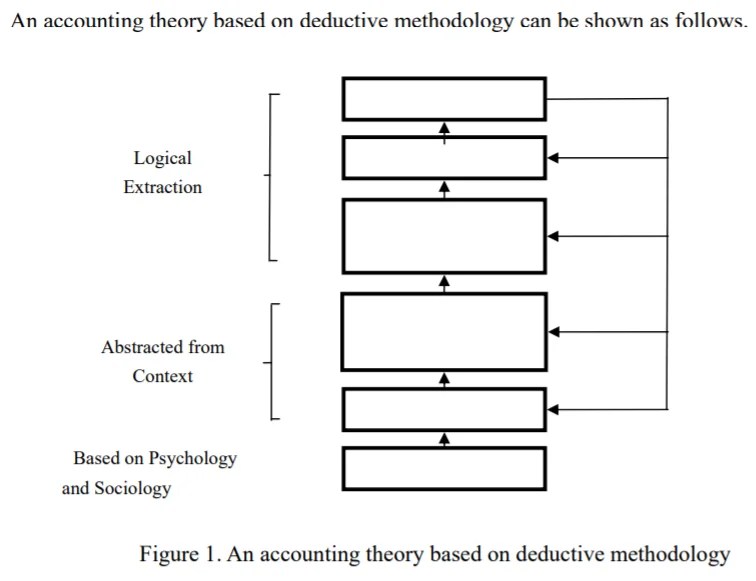
Deductive and inductive approach in theory formulation

Induction is a reasoning method by which a law or a general principle would be inferred via observing specific cases. The inductive approach emphasizes on observation and deriving conclusions through observation. It generally moves from specific to general, since the researcher generalizes his limited observations of specific circumstances to general conditions. In accounting, the inductive approach begins by observing the financial information of the companies and progresses towards constructing accounting generalizations and principles out of those observations and reoccurring relations.

In deductive approach, in order to achieve a consensus, the structure of logical reasoning needs to be quite formal. However, in inductive approach, the accounting practice can turn into accounting principles. Accounting standard setters, extracted the conceptual framework via the best practices which in turn have been identified based on the assumed objectives of financial reporting. At the same time, attention was paid to the conceptual integrity, because the framework has been developed descriptively, although the objective was to make an imperative framework for providing guidelines to set and interpret accounting standards.

Deductive Approach

This approach involves developing a theory from elementary proposals, premises and assumptions which results in accounting principles that are reasonable conclusions about the subject. The theory is verified by determining whether its results are acceptable in practice. Edwards and Bell are deductive theorists and historical cost accounting was also derived from a deductive approach.

The deductive approach constitutes developing of an assumption based on the existing theories and forming a research plan to test the assumption (Wilson, 2010). The deductive approach can be explained using the assumption driven from theory. In other words, the deductive approach includes deducing the results from the premises. When a deductive method is applied for a research project, the author formulates a set of hypotheses that need to be tested and next, using a relevant methodology, tests the hypothesis. Deductive reasoning has specific characteristics that needs be understood. If the premises of deductive reasoning are accepted, then, the conclusion must necessarily be accepted. In a deductive reasoning, the contents of the result are implicitly stated in the premises, making such argument a non-ampliative one. If new premises are added to the argument, then the conclusion must still follow. A deductive argument is either valid or invalid and there is no degree of validity. There is no choice or decision in applying such argument and no judgment is necessary for getting the result and conclusion.

Inductive Approach

For this approach we start with observed phenomena and move towards generalized conclusions. The approach requires experimental testing, i.e. the theory must be supported by sufficient illustrations/observations that support the derived conclusions. Fairly often the logical and inductive approaches are mixed as researchers use their knowledge of accounting practices. As Riahi-Belkaoui states: General propositions are formulated through an inductive process, but the principles and techniques are derived by a deductive approach. He also observes that when an inductive theorist, collaborates with a deductive theorist, a hybrid results showing compromise between the two approaches.

Inductive approach begins with specific observations and the conclusions are generalized. In inductive approach, after selecting a number of observations correctly, one can generalize the conclusion to all or groups of similar conditions and situations. These generalizations need to be tested, some of which might be verified and some rejected. Accordingly, all of the principles which are derived based on inductive reasoning are theoretically falsifiable. In the induction process, the researcher as an observer, should honestly, without any prejudgments and biases, and with an impartial mind, register what they observe. Then these observations form a basis on which theories and laws are constructed which make up the scientific knowledge. Inductive researchers also believe that one can logically generalize the observations into general and inclusive rules and the scientific assumptions get verified and ratified.

According to the inductive approach, at the end of research and as a result of observations, theories are constructed. The inductive approach includes looking for a pattern based on the observations and developing a theory for those patterns through hypotheses. In inductive research, no theory is applied at the beginning of the research and the researcher enjoys complete freedom in terms of determining the course of research. Particularly, there is no assumption at the early stages of research and the researcher is not sure about the kind and the nature of findings as research is not finished yet. In inductive reasoning the researcher uses the observations in order to construct an abstract or to describe the circumstances being.

The main advantage of the inductive method is that there is no necessity for any pre-fabricated framework or model. Obviously, while principles are generalized they should be verified through a logical method (deductive approach). The inductive approach towards science has been criticized concerning some aspects. The main issue of the inductive method can be the researchers’ being influenced by their limited knowledge of the relations and the data of the research. Some claim that induction as a principle is falsifiable because it is based on human observations.

Internal Control structure and Management philosophy

An effective internal control structure includes a company’s plan of organization and all the procedures and actions it takes to:

  • Ensure compliance with company policies and federal law.
  • Protect its assets against theft and waste.
  • Ensure accurate and reliable operating data and accounting reports.
  • Evaluate the performance of all personnel to promote efficient operations.

Companies protect their assets by:

Segregation of employee duties Segregation of duties requires that someone other than the employee responsible for safeguarding an asset must maintain the accounting records for that asset. Also, employees share responsibility for related transactions so that one employee’s work serves as a check on the work of other employees.

Assignment of specific duties to each employee When the responsibility for a particular work function is assigned to one employee, that employee is accountable for specific tasks. Should a problem occur, the company can quickly identify the responsible employee.

Rotation of employee job assignments Some companies rotate job assignments to discourage employees from engaging in long-term schemes to steal from them. Employees realize that if they steal from the company, the next employees assigned to their positions may discover the theft.

Use of mechanical devices Companies use several mechanical devices to help protect their assets. Check protectors (machines that perforate the check amount into the check), cash registers, and time clocks make it difficult for employees to alter certain company documents and records.

Record Keeping. Companies should maintain complete and accurate accounting records. One or more business documents support most accounting transactions. These source documents are an integral part of the internal control structure. For optimal control, source documents should be serially numbered.

Employees. Internal control policies are effective only when employees follow them. To ensure that they carry out its internal control policies, a company must hire competent and trustworthy employees. Thus, the execution of effective internal control begins with the time and effort a company expends in hiring employees. Once the company hires the employees, it must train those employees and clearly communicate to them company policies, such as obtaining proper authorization before making a cash disbursement. Frequently, written job descriptions establish the responsibilities and duties of employees. The initial training of employees should include a clear explanation of their duties and how to perform them.

Legal requirements. In publicly held corporations, the company’s internal control structure must satisfy the requirements of govt. law.

The components of internal control are:

Risk assessment. After the entity sets objectives, the risks (such as theft and waste of assets) from external and internal sources must be assessed. Examining the risks associated with each objective allows management to develop the means to control these risks.

Control environment. The control environment is the basis for all other elements of the internal control structure. The control environment includes many factors such as ethical values, management’s philosophy, the integrity of the employees of the corporation, and the guidance provided by management or the board of directors.

Control activities. To address the risks associated with each objective, management establishes control activities. These activities include procedures that employees must follow. Examples include procedures to protect the assets through segregation of employee duties and the other means we discussed earlier.

Monitoring. After the internal control structure is in place, the firm should monitor its effectiveness so that it can make changes before serious problems arise. In testing components of the internal control structure, companies base their thoroughness on the risk assigned to those components.

Information and communication. Information relevant to decision making must be collected and reported in a timely manner. The events that yield these data may come from internal or external sources. Communication throughout the entity is important to achieve management’s goals. Employees must understand what is expected of them and how their responsibilities relate to the work of others. Communication with external parties such as suppliers and shareholders are also important.

The internal control environment includes five factors.

Competence of the entity’s people: Competence is the knowledge and skills necessary for particular functions. So does an organization set up the tone of hiring only competent employees? First, management determines the knowledge and skills required for each position, then establishes the job descriptions for these positions. Furthermore, there is a well-designed hiring process and performance review process to ensure that new hires and employees are competent to perform their assigned tasks and assist the organization in achieving their objectives.

Integrity and ethical value: Many organizations seek a high level of integrity and ethical value. But how do organizations obtain them? Usually, those organizations have a clear Code of Conduct and/or Conflict of Interests policies. They periodically communicate these polices to employees to promote honesty and integrity. In addition, some organizations adopt business best practices and emphasize internal controls, which is also clear evidence that the organizations are striving to integrate the integrity and ethical value into the daily business operations.

Management’s Philosophy and Operating style: Management may not achieve its business objectives if it does not introduce and maintain a philosophy and operating style that supports the business objectives and strategies. Management’s philosophy and operating style include management’s attitudes towards the organization objectives, the approaches to minimize the business risks and attitude toward internal controls over financial reporting. For example, if management sets up an unrealistic financial goal and aggressively persuades employees to achieve the goal, what will happen? The chance of misstatement in financial statements becomes higher.

Direction provided by the board of directors: An effective Board of Directors and Audit Committee provide an important oversight function and, because of management’s ability to override controls, they play an important role in the control environment, helping to set a positive tone at the top. For private companies, often there is no Audit Committee. However, to have the Board of Directors is very important for private companies as well. It oversees the organization’s plans and performance, provides management directions with experiences, and oversees the organization’s internal control function.

Authority and Responsibility: The control environment is greatly influenced by the extent to which individuals recognize that they will be held accountable. Accountability plays a critical role in carrying out internal controls in an organization. Sections 302 and 404 of the Sarbanes-Oxley Act (SOX) hold management in an organization accountable for financial reporting to ensure financial reporting is accurate and timely. In the organization, management holds employees accountable for all activities and business practices to ensure the organization is in compliance with SOX. To have an accurate, effective and timely financial reporting system, management must ensure that adequate reporting relationships and authorization hierarchies are in place.

Accounting information Systems, Introduction, Meaning, Functions, Need, Scope, Steps, Types, Advantages and Limitations

Accounting Information Systems (AIS)is a specialized branch of accounting that combines traditional accounting practices with modern information technology to process, manage, and analyze financial data. It refers to a structured framework of people, procedures, and technology designed to collect, record, store, and communicate accounting information for decision-making purposes. An AIS helps organizations ensure accurate financial reporting, effective internal control, and efficient operations.

The system integrates both manual and computerized processes to transform raw financial data into meaningful information. With advancements in technology, most organizations now rely heavily on computerized AIS that involve databases, enterprise resource planning (ERP) systems, and cloud-based solutions. These systems improve the speed, accuracy, and reliability of financial data handling while minimizing human errors.

AIS serves multiple stakeholders such as managers, investors, auditors, regulators, and employees by providing timely and relevant information. It plays a crucial role in strategic planning, budgeting, auditing, and compliance with legal requirements. Moreover, it strengthens internal controls by detecting fraud, ensuring data security, and safeguarding organizational assets.

Meaning of Accounting Information Systems

Accounting Information System (AIS) is a structured framework that combines accounting, management, and information technology to collect, record, process, and report financial and non-financial data for decision-making. It can be defined as a system of people, procedures, controls, databases, and technology designed to manage accounting information and ensure its accuracy, reliability, and relevance.

AIS captures financial transactions from various business activities, processes them into meaningful reports, and communicates this information to internal and external stakeholders such as managers, investors, auditors, and regulators. It integrates traditional accounting practices with advanced technologies like databases, enterprise systems, and cloud computing to enhance efficiency and effectiveness.

Functions of an Accounting Information System

  • Collection of Data

One of the primary functions of AIS is to collect financial and non-financial data from various business operations. Every transaction, whether sales, purchases, payroll, or expenses, needs to be recorded accurately. AIS ensures that this data is gathered systematically from different sources like invoices, receipts, and ledgers. This organized collection process prevents data loss, duplication, or errors. Accurate data collection forms the foundation for reliable reporting and effective decision-making in an organization.

  • Recording of Transactions

After data is collected, AIS records it into appropriate accounting journals and ledgers. This step ensures that all transactions are chronologically documented and classified correctly, following accounting principles. Recording also creates an audit trail, allowing auditors and managers to verify the authenticity of financial data. By automating this process through software, AIS minimizes human errors, improves efficiency, and guarantees the completeness of financial records essential for reporting and compliance purposes.

  • Processing of Data

AIS processes raw data into meaningful financial information by applying accounting rules, classifications, and calculations. This involves posting entries to ledgers, preparing trial balances, and adjusting accounts where necessary. Modern AIS uses computerized systems to automate calculations like depreciation, interest, and payroll. The processing step transforms unorganized raw transactions into structured financial data that can be further analyzed. This makes information more useful for management in planning, monitoring, and evaluating business operations.

  • Storage of Information

A vital function of AIS is the secure storage of accounting information. Data must be maintained in databases or digital systems for easy retrieval, analysis, and reporting. Proper storage ensures that historical financial records are available for audits, comparisons, and future reference. AIS uses technologies like databases, cloud systems, and ERP solutions to organize and protect stored data. Secure storage safeguards sensitive financial information from unauthorized access, loss, or manipulation, thereby ensuring reliability and integrity.

  • Generation of Reports

AIS generates reports that provide insights into financial performance and business operations. These reports may include income statements, balance sheets, cash flow statements, budgets, and cost analyses. Reports are customized to meet the needs of different stakeholders, from managers requiring detailed internal reports to investors and regulators requiring summarized financial statements. By delivering timely and accurate reports, AIS supports compliance, enhances decision-making, and communicates essential financial information effectively to users across different levels of the organization.

  • Internal Control and Security

Another critical function of AIS is implementing internal controls and security measures to protect financial data. AIS ensures authorization of transactions, segregation of duties, and monitoring of activities to prevent fraud and errors. It also uses passwords, encryption, and access restrictions to safeguard sensitive information. Strong internal control systems built into AIS enhance accuracy, reliability, and accountability in financial reporting. They also ensure compliance with legal requirements, thereby protecting both organizational assets and stakeholder interests.

  • Support in Decision–Making

AIS plays a key role in managerial decision-making by providing accurate and timely information. It supports strategic planning, budgeting, forecasting, and performance evaluation by offering insights into costs, revenues, and profitability. Managers rely on AIS-generated data to allocate resources efficiently, identify risks, and assess growth opportunities. By integrating financial and non-financial data, AIS gives a holistic view of business performance. This function enables managers to take informed decisions that drive competitiveness and long-term organizational success.

  • Compliance and Audit Support

AIS ensures that financial records and reports comply with statutory requirements, accounting standards, and taxation laws. It simplifies the preparation of documents needed for audits, regulatory reviews, and tax filings. AIS maintains accurate audit trails, making verification easier for auditors. Automated systems reduce the risk of non-compliance by updating regulatory changes. This function enhances transparency, builds trust among stakeholders, and ensures organizations meet legal obligations, thereby avoiding penalties and maintaining credibility in the business environment.

Need of an Accounting Information System

  • Accuracy in Financial Reporting

Organizations require AIS to ensure accuracy in financial reporting. Manual accounting processes often lead to human errors, misclassifications, or data loss. An AIS automates data entry, calculations, and reporting, minimizing mistakes and improving reliability. Accurate financial reports are essential for management decisions, investor confidence, and compliance with accounting standards. By reducing the margin of error, AIS provides precise and trustworthy financial information that reflects the true financial position of the business.

  • Timely Decision-Making

Businesses operate in fast-changing environments, and timely information is crucial for success. AIS provides real-time financial data that helps managers make quick and informed decisions. Whether it is evaluating cash flows, monitoring expenses, or planning investments, timely data supports effective decision-making. Without AIS, organizations may face delays in accessing updated information, leading to missed opportunities or poor strategies. Therefore, AIS is needed to provide up-to-date insights that align decisions with organizational goals.

  • Compliance with Regulations

Compliance with accounting standards, taxation laws, and regulatory frameworks is a major need for businesses. AIS ensures that financial transactions are recorded according to Generally Accepted Accounting Principles (GAAP) or International Financial Reporting Standards (IFRS). It also helps generate tax reports and statutory documents required by regulators. Automated compliance features reduce the risk of penalties, fines, or legal issues. By maintaining transparency and accountability, AIS helps businesses meet legal requirements and build credibility with stakeholders.

  • Enhanced Internal Control

AIS is essential for strengthening internal control within organizations. It incorporates security measures such as access restrictions, authorization protocols, and audit trails that safeguard financial data. These controls reduce the chances of fraud, manipulation, or unauthorized transactions. Internal controls also ensure accountability by clearly defining user roles and responsibilities. Without an AIS, detecting irregularities or fraudulent activities becomes difficult. Thus, businesses need AIS to enhance security, maintain ethical practices, and protect organizational assets.

  • Cost and Time Efficiency

Manual accounting processes are time-consuming and costly, especially in large organizations with complex transactions. AIS reduces paperwork, automates repetitive tasks, and streamlines data management, saving both time and resources. By increasing efficiency, businesses can reallocate resources to other strategic activities. Additionally, quick access to information through AIS reduces the time needed for audits, reporting, and financial analysis. Hence, AIS is needed to improve operational efficiency, minimize costs, and maximize productivity in accounting functions.

  • Support for Strategic Planning

AIS provides valuable insights that support long-term strategic planning. It generates reports on revenue trends, cost patterns, and profitability analysis, helping managers forecast future performance. These insights guide decisions regarding budgeting, investments, expansion, and resource allocation. Without AIS, businesses may lack the detailed information necessary for accurate forecasting. By offering comprehensive data analysis, AIS enables organizations to plan effectively, achieve sustainable growth, and remain competitive in an increasingly dynamic business environment.

  • Facilitation of Auditing

Auditors require accurate, complete, and verifiable financial records to perform their duties. AIS provides a structured system with detailed audit trails, making verification easier. It maintains chronological records of transactions, user activities, and adjustments, ensuring transparency. By simplifying the audit process, AIS saves time for both auditors and businesses. Moreover, it reduces the risk of audit disputes by providing reliable data. Therefore, AIS is needed to facilitate smooth, efficient, and trustworthy internal and external audits.

  • Competitive Advantage

In today’s competitive business environment, AIS provides organizations with a significant edge. By offering timely, accurate, and reliable financial data, AIS enables managers to respond faster to market changes and customer needs. It enhances decision-making, improves efficiency, and ensures compliance, all of which strengthen competitiveness. Businesses that adopt advanced AIS gain agility and transparency compared to those relying on manual systems. Thus, AIS is needed as a strategic tool for achieving long-term sustainability and market leadership.

Scope of an Accounting Information System

  • Financial Data Management

The scope of AIS includes systematic management of financial data, from collection to reporting. It captures all transactions like sales, purchases, payroll, and expenses, ensuring they are accurately recorded and organized. This makes it easier to prepare financial statements and comply with accounting standards. AIS manages both current and historical data, providing a reliable foundation for analysis. Thus, its scope covers the entire cycle of financial data handling essential for effective business operations.

  • Integration with Technology

AIS extends to integrating accounting practices with modern technology such as databases, ERP systems, and cloud platforms. This integration enables automation of tasks, improved data accessibility, and enhanced processing speed. By combining technology with accounting, AIS expands its role from simple bookkeeping to strategic decision support. Its scope also includes adapting to emerging tools like artificial intelligence and data analytics. Therefore, AIS is not limited to accounting but also encompasses technological advancements that drive efficiency.

  • Internal Control and Security

The scope of AIS involves ensuring strong internal controls and data security. It defines authorization levels, establishes audit trails, and applies protective measures such as encryption and firewalls. These features safeguard financial information from unauthorized access, manipulation, or fraud. By strengthening accountability and compliance, AIS supports ethical and transparent operations. Its role in maintaining the security of sensitive data makes it indispensable in protecting organizational assets and building stakeholder trust, extending its scope beyond accounting.

  • Compliance and Legal Reporting

AIS has a wide scope in ensuring compliance with legal requirements and statutory reporting. It assists in preparing financial reports according to GAAP, IFRS, and local regulations. It also generates tax-related documents and helps organizations meet deadlines for filing returns. By automating compliance functions, AIS reduces the risk of penalties and enhances organizational credibility. Thus, its scope extends to meeting legal obligations, supporting auditors, and ensuring that businesses operate within the framework of regulatory standards.

  • Decision–Making Support

AIS plays a significant role in managerial decision-making by providing timely and relevant financial information. It offers detailed analyses of revenues, expenses, profits, and costs, enabling managers to make informed choices. Its scope also includes preparing budgets, forecasts, and performance evaluations that guide future planning. By presenting real-time insights, AIS empowers businesses to respond effectively to changes in the market. Hence, its scope extends beyond record-keeping to becoming a vital tool for strategic management decisions.

  • Auditing and Verification

The scope of AIS covers auditing and verification of financial records. It provides detailed documentation and audit trails that facilitate easy checking of transactions. Both internal and external auditors rely on AIS to ensure data accuracy and detect irregularities. Automated systems simplify the audit process by maintaining systematic records, reducing the possibility of disputes. This enhances transparency and accountability in reporting. Thus, AIS contributes significantly to auditing, making it an integral part of financial governance.

  • Support for Strategic Planning

AIS contributes to long-term strategic planning by offering insights into financial performance and resource utilization. It generates analytical reports that highlight trends, variances, and future opportunities. This information helps organizations allocate resources effectively, set realistic goals, and pursue growth strategies. Its scope includes guiding decisions on expansion, investments, and risk management. By transforming raw data into actionable knowledge, AIS extends its role to shaping the overall strategic direction of the organization for sustainable success.

  • Global and Multidimensional Application

The scope of AIS is not restricted to local operations; it also supports multinational businesses. Modern AIS systems handle multiple currencies, languages, and regulatory frameworks, making them useful for global enterprises. Their application extends across industries like manufacturing, services, banking, and retail. AIS also incorporates non-financial information, such as customer data or sustainability metrics, to provide holistic insights. Hence, its scope is multidimensional, covering diverse functions, industries, and geographies in today’s interconnected business environment.

Steps to Implement an Accounting Information System

Step 1. Identifying Organizational Needs

The first step in implementing an AIS is to clearly identify the needs of the organization. Management must analyze business processes, accounting requirements, and decision-making needs. This includes understanding transaction volume, reporting requirements, and compliance obligations. By defining objectives, the system can be tailored to address gaps in the current accounting processes. Identifying organizational needs ensures that the AIS aligns with business goals, enhances efficiency, and provides accurate financial information for internal and external stakeholders.

Step 2. Setting Clear Objectives

Once organizational needs are identified, it is essential to set clear objectives for the AIS. Objectives may include improving reporting accuracy, strengthening internal controls, enhancing data security, or automating routine tasks. These goals serve as benchmarks to evaluate system effectiveness after implementation. Setting objectives also helps in prioritizing resources and choosing features that provide maximum value. With clearly defined objectives, the organization can ensure that the AIS is purpose-driven and aligned with both financial and strategic priorities.

Step 3. Feasibility Study and Planning

Before implementation, a detailed feasibility study is conducted to evaluate technical, financial, and operational viability. This includes assessing the costs, potential benefits, risks, and available resources. A proper plan is then developed, outlining timelines, responsibilities, and milestones. Feasibility studies also examine whether the staff has the required technical expertise or training needs. Planning provides a roadmap for execution, minimizing unexpected challenges and ensuring that the AIS implementation is realistic, achievable, and sustainable for long-term organizational success.

Step 4. Selection of Appropriate Software

Choosing the right accounting software is critical for successful AIS implementation. Organizations must compare different options based on features, scalability, cost, integration capability, and user-friendliness. Popular solutions include ERP systems, customized accounting software, or cloud-based platforms. The chosen software should support organizational objectives, comply with regulations, and handle transaction volumes efficiently. Selection should also consider vendor reputation, customer support, and future upgrade options. A well-chosen software system ensures smooth operations, better control, and reliable financial data management.

Step 5. Designing the System Framework

The system design stage focuses on creating a framework for the AIS, including process workflows, reporting formats, and internal controls. It specifies how data will be collected, processed, stored, and communicated. This step also defines user roles, access levels, and security features. Designing ensures that the AIS aligns with business operations and accounting standards. A properly designed framework guarantees efficiency, prevents duplication, and minimizes errors, ensuring that the system is functional, secure, and adaptable to organizational needs.

Step 6. Hardware and Infrastructure Setup

AIS implementation requires suitable hardware and infrastructure to support the chosen software. This includes computers, servers, networking devices, storage systems, and backup facilities. Depending on the system type, organizations may also use cloud services for scalability. Hardware should be reliable, secure, and capable of handling high transaction loads without failure. Infrastructure also includes internet connectivity, firewalls, and antivirus tools for data protection. Proper setup of hardware and infrastructure ensures smooth operation, speed, and reliability of the accounting system.

Step 7. Data Migration and Testing

Data migration is the process of transferring existing accounting records into the new AIS. This involves cleansing, validating, and converting data from legacy systems to ensure accuracy. Once migrated, the system undergoes rigorous testing to identify errors, check functionality, and validate internal controls. Testing includes trial transactions, report generation, and reconciliation with old records. This step ensures that the AIS works as intended before going live. Effective data migration and testing prevent disruptions and ensure continuity in operations.

Step 8. Training of Personnel

Employees and accountants must be trained to use the AIS effectively. Training programs cover data entry, report generation, system navigation, and troubleshooting. This ensures that staff can fully utilize the system’s capabilities while minimizing errors. Training also emphasizes the importance of security protocols, internal controls, and compliance requirements. Continuous support and refresher training may be provided to adapt to system upgrades. Well-trained personnel are critical for successful AIS implementation since the system’s efficiency depends on user competence.

Step 9. Implementation and Monitoring

After successful testing and training, the AIS is officially implemented in the organization. This involves switching to the new system for recording transactions and generating reports. Implementation should be monitored closely to identify issues, technical glitches, or user errors. Regular supervision ensures timely corrective measures and smooth adoption. Monitoring also helps evaluate whether the system is meeting set objectives. Continuous observation during the initial phase ensures that the AIS delivers accurate results and enhances operational efficiency.

Step 10. Evaluation and Continuous Improvement

The final step is evaluating system performance and ensuring continuous improvement. Regular audits, feedback, and performance reviews help identify strengths and weaknesses of the AIS. Updates, patches, and upgrades are applied to keep the system secure and efficient. Organizations may also enhance reporting features, add automation, or integrate with other systems. Continuous improvement ensures that the AIS adapts to changing business needs, regulatory requirements, and technological advancements, making it a long-term asset for financial management.

Types of Accounting Information Systems

1. Manual Accounting Information System

This is the most traditional type where accounting data is processed manually using paper-based journals, ledgers, and registers. Transactions are recorded by hand and financial statements are prepared without computer assistance. Though inexpensive, manual AIS is time-consuming and prone to human errors. It is usually found in very small businesses with limited transactions. Today, it is less common but still relevant in rural areas or organizations with minimal technological infrastructure.

2. Computerized Accounting Information System

A computerized AIS uses software and digital tools to record, process, and report financial data. Examples include Tally, QuickBooks, and MYOB. These systems automate calculations, maintain digital records, and generate reports efficiently. They provide greater accuracy, speed, and reliability compared to manual systems. Computerized AIS also integrates internal controls, enhances data security, and allows easy data storage and retrieval. Most medium and large organizations adopt computerized systems for effective financial management and compliance.

3. Enterprise Resource Planning (ERP) Systems

ERP-based AIS integrates accounting with other business functions like human resources, supply chain, production, and sales. Examples include SAP, Oracle NetSuite, and Microsoft Dynamics. These systems provide a centralized database, allowing departments to access consistent financial and operational data. ERP-based AIS ensures better coordination, strategic planning, and real-time reporting. Although costly to implement, ERP systems are highly effective for large organizations with complex operations, offering a holistic view of both financial and non-financial performance.

4. Cloud-Based Accounting Information System

This type of AIS uses cloud technology, enabling businesses to access financial data anytime and anywhere through the internet. Examples include Zoho Books, Xero, and FreshBooks. Cloud AIS offers scalability, data backup, remote access, and lower infrastructure costs. It also allows collaboration among accountants, managers, and auditors across different locations. However, it requires strong cybersecurity measures to safeguard sensitive data. Small to medium-sized businesses increasingly prefer cloud-based systems for their flexibility and cost efficiency.

5. Transaction Processing Systems (TPS)

TPS are specialized AIS designed to handle high volumes of routine transactions such as sales, purchases, payroll, and inventory. They ensure accuracy, speed, and reliability in day-to-day operations. For example, a retail billing system automatically records sales transactions and updates inventory. These systems provide the foundation for other AIS functions like reporting and auditing. TPS are essential for organizations dealing with thousands of transactions daily, such as banks, supermarkets, and large manufacturing firms.

6. Management Information Systems (MIS)

MIS-based AIS focuses on providing summarized financial and operational data for middle and top management. It generates reports such as budgets, performance analysis, and variance reports to support decision-making. MIS transforms raw accounting data into meaningful information that helps managers plan, monitor, and control organizational activities. Unlike TPS, which focuses on recording, MIS emphasizes analysis and reporting. Its role in decision support makes MIS an essential type of AIS in modern business environments.

7. Decision Support Systems (DSS) in Accounting

DSS-based AIS provides advanced analytical tools and models to support strategic financial decisions. It uses accounting data along with predictive analysis, simulations, and forecasting to guide decisions such as investment planning, cost control, and expansion strategies. DSS goes beyond routine reporting by offering “what-if” scenarios and financial modeling. This system is especially useful for large corporations where management must evaluate alternatives and make complex strategic decisions based on reliable accounting and non-financial data.

Advantages of an Accounting Information System

  • Improved Accuracy

One of the biggest advantages of AIS is enhanced accuracy in financial data management. Manual accounting is prone to human errors, such as miscalculations and misclassifications. AIS automates data entry, posting, and report generation, minimizing mistakes. By ensuring precise and reliable information, it supports compliance with accounting standards and reduces costly errors. Accurate records also enhance the credibility of financial statements, which is vital for decision-making, audits, and building stakeholder trust in the organization.

  • Time and Cost Efficiency

AIS saves considerable time and reduces costs by automating repetitive accounting tasks. Activities like posting entries, preparing ledgers, generating invoices, and producing reports are completed quickly with minimal effort. This efficiency enables accountants and managers to focus on analysis rather than routine work. Additionally, reducing paperwork and storage costs further contributes to financial savings. For businesses handling large transaction volumes, AIS significantly improves productivity, minimizes delays, and helps organizations operate in a cost-effective manner.

  • Enhanced Decision-Making

AIS provides timely and relevant financial information, which supports better decision-making. Managers can access real-time data regarding revenues, expenses, and cash flows, helping them analyze performance and plan effectively. Detailed reports and forecasts guide strategic choices such as investments, budgeting, and expansion. By integrating financial and non-financial data, AIS presents a holistic view of the organization’s operations. This advantage allows management to make informed, evidence-based decisions that contribute to competitiveness and long-term business growth.

  • Strong Internal Control

AIS enhances internal control by establishing systematic checks and balances. It incorporates authorization protocols, segregation of duties, and automated audit trails, which reduce fraud and manipulation. Access restrictions ensure that only authorized personnel can perform specific accounting tasks, safeguarding sensitive information. By monitoring transactions and activities, AIS helps detect irregularities early and ensures accountability. Strong internal control strengthens transparency, builds stakeholder confidence, and ensures compliance with laws and regulations, making AIS vital for responsible governance.

  • Better Data Storage and Security

AIS provides secure storage of accounting records using databases, servers, or cloud systems. Unlike manual files, which can be lost or damaged, digital systems ensure reliable backups and recovery options. Advanced security measures like encryption, passwords, and firewalls protect data from unauthorized access or cyber threats. Additionally, stored data can be retrieved easily for audits, analysis, or compliance purposes. This advantage of AIS ensures the confidentiality, integrity, and availability of financial information for business use.

  • Support for Compliance and Auditing

AIS simplifies compliance with accounting standards, tax regulations, and legal requirements. It automatically generates statutory reports and maintains accurate records required by authorities. For auditors, AIS offers detailed audit trails, ensuring easy verification of transactions. Automated compliance reduces the risk of penalties, errors, or legal disputes. Furthermore, AIS provides transparency by maintaining accurate documentation. This advantage ensures organizations meet their legal obligations while building trust with regulators, investors, and other stakeholders through accountable practices.

  • Scalability and Flexibility

AIS can adapt to the growth and changing needs of businesses. As organizations expand, transaction volumes and reporting requirements increase. AIS can scale up by handling larger data volumes and integrating new features without disrupting operations. Flexible systems such as ERP or cloud-based AIS allow customization to fit industry-specific needs. This adaptability ensures that businesses continue to operate efficiently while maintaining accurate financial records. Thus, scalability and flexibility make AIS a long-term investment for organizations.

  • Competitive Advantage

In today’s dynamic business environment, AIS provides a strong competitive edge. It enables faster decision-making, efficient resource allocation, and real-time financial monitoring. By ensuring accuracy, efficiency, and compliance, AIS allows businesses to outperform competitors relying on manual or outdated systems. Cloud-based AIS also supports remote access and collaboration, improving organizational agility. This advantage empowers companies to respond quickly to market changes and customer demands, positioning them ahead of competitors and supporting sustainable business success.

Limitations of an Accounting Information System

  • High Implementation Cost

One of the major limitations of AIS is its high cost of implementation. Purchasing licensed software, upgrading hardware, hiring consultants, and training staff require significant investment. For small and medium-sized enterprises, these expenses can be burdensome. In addition, maintenance and system upgrades involve ongoing costs. While AIS improves efficiency, the initial financial burden may outweigh short-term benefits for smaller organizations, making it difficult for them to adopt advanced systems compared to larger companies.

  • Technical Complexity

AIS is often complex and requires specialized technical knowledge for installation, operation, and maintenance. Employees without proper training may face difficulties in using the system effectively, leading to errors or inefficiencies. Integrating AIS with existing systems can also be challenging, especially in large organizations with multiple departments. Technical glitches, software bugs, and compatibility issues add to this complexity. Without skilled IT professionals, businesses may struggle to maximize the benefits of AIS, limiting its effectiveness.

  • Risk of Data Security Breaches

Although AIS incorporates security features, it remains vulnerable to cyberattacks, hacking, and data breaches. Sensitive financial data stored in digital systems can be exploited if security measures fail. Businesses relying on cloud-based AIS face risks of unauthorized access and data theft. Even internal misuse by employees can compromise data integrity. Protecting against such risks requires constant monitoring, advanced cybersecurity tools, and strict protocols, which may not always be feasible, especially for smaller organizations.

  • Dependence on Technology

AIS heavily depends on technology for functioning. Any disruption in hardware, software, or internet connectivity can halt operations and delay reporting. Power outages, system crashes, or technical failures may result in temporary loss of access to critical financial information. Overdependence on technology also creates challenges in regions with limited infrastructure or unstable connectivity. This limitation makes AIS vulnerable to external factors beyond the organization’s control, affecting continuity in accounting and decision-making processes.

  • Risk of Errors During Data Migration

When shifting from manual systems or older software to new AIS platforms, data migration is necessary. This process is prone to errors such as incomplete transfers, incorrect formatting, or data loss. If historical records are not migrated accurately, it may create inconsistencies in financial reporting. Data migration requires skilled professionals, careful planning, and significant time. Errors at this stage can compromise the reliability of the AIS and diminish its effectiveness in generating accurate financial reports.

  • Resistance to Change by Employees

Another limitation is employee resistance to adopting AIS. Workers accustomed to manual systems may find it difficult to adapt to computerized processes. Fear of job loss, lack of technical skills, or reluctance to learn new systems can hinder successful implementation. Without proper training and motivation, employees may underutilize AIS features, reducing its benefits. Overcoming this resistance requires change management strategies, continuous support, and effective communication, which can be time-consuming and costly for organizations.

  • Continuous Upgradation Requirement

AIS needs regular upgrades to keep up with technological advancements, regulatory changes, and growing business needs. These upgrades often involve additional costs, disruptions in workflow, and retraining employees. If organizations fail to update their systems, AIS may become outdated, exposing them to compliance risks and inefficiencies. For small businesses, frequent upgrades can be financially and operationally challenging. This limitation makes it difficult to maintain the system’s effectiveness over the long term without significant ongoing investment.

  • Possibility of System Failure

Despite its advantages, AIS is not foolproof and may experience failures. Technical breakdowns, software crashes, malware attacks, or hardware damage can lead to system downtime. In such cases, businesses may face disruptions in accounting processes, delayed reporting, or even data loss. Restoring the system requires technical expertise and backup measures, which are not always available instantly. This limitation highlights the risk of overreliance on AIS without adequate contingency plans or alternative arrangements for emergencies.

error: Content is protected !!