Relationship between Banker and Customer

The relationship between a banker and a customer depends on the type of transaction. In this banker and customer relationships; both parties have some obligations and rights.

The relationship between banker and customer is not only that of a debtor and creditor.

Banker

The term banking may define as accepting of deposit of money from the public for the purpose of lending or investing investment of that money which are repayable on demand or otherwise and with a draw by cheque, draft or order.

Features of Banking

The definition of banking describes the following features of banking.

(i) A banking company must perform both of the essential functions.

(ii) Accepting of deposit.

  • Lending or investing the same: The phrase deposit of money from the public is significant. The bankers accept a deposit of money and not of anything else. The world public implies that a banker accepts a deposit from anyone who offers his/her money from such purpose.
  • The definition also implies the time and made to withdraw the deposit. The deposit money should be repayable to the depositor on demand made by the letter or according to the agreement reached between the two parties.

Customer

A person who has a bank account in his name and for whom the banker undertakes to provide the facilities as a banker is considered to be a customer.

To constitute a customer the following requirements must be fulfilled;

  • The bank account may be savings, current or fixed deposit must be operated in his name by making a necessary deposit of money.
  • The dealing between the banker and customer must be of the nature of the banking business.

Relationship between Banker and Customer

The relationship between a banker and a customer is a legal, contractual, and service-oriented relationship that arises when a person opens an account with a bank. This relationship defines the rights, duties, and obligations of both parties. It is dynamic in nature and varies according to the type of transaction undertaken. The relationship is not limited to one form but takes several forms depending on circumstances.

Banker is a financial institution that accepts deposits, lends money, and provides various banking services. A customer is a person or entity that has an account with the bank or engages in regular banking transactions. The relationship begins as soon as an account is opened and continues as long as banking transactions exist between them.

  • General Nature of the Relationship

The relationship between banker and customer is primarily contractual. It is governed by the terms and conditions agreed upon at the time of opening the account and by banking laws and customs. Mutual trust, confidentiality, and good faith form the foundation of this relationship. Both parties are legally bound to fulfill their obligations.

  • Banker as Debtor and Customer as Creditor

When a customer deposits money in a bank, the banker becomes the debtor and the customer becomes the creditor. The deposited money becomes the property of the bank, and the bank is obliged to repay it on demand or as per agreed terms. The banker must honor withdrawal instructions provided there are sufficient funds and proper compliance with banking rules.

  • Customer as Debtor and Banker as Creditor

When a bank provides loans, overdrafts, or advances, the roles reverse. The customer becomes the debtor, and the banker becomes the creditor. The customer is legally bound to repay the borrowed amount along with interest within the stipulated time. The bank has the right to recover dues through lawful means in case of default.

  • Banker as Trustee and Customer as Beneficiary

In certain situations, the banker acts as a trustee of the customer. For example, when a bank is entrusted with funds for a specific purpose or manages trust accounts, it must use the money strictly according to the customer’s instructions. The bank must act honestly, carefully, and in the best interest of the beneficiary.

  • Banker as Agent and Customer as Principal

A banker often acts as an agent of the customer. In this role, the bank performs various services such as collecting cheques, paying bills, remitting funds, purchasing securities, and handling foreign exchange transactions. The bank must follow the instructions of the customer accurately and exercise reasonable care and skill.

  • Banker as Bailee and Customer as Bailor

When customers deposit valuables, documents, or securities with the bank for safe custody or locker services, the banker becomes a bailee and the customer becomes a bailor. The banker is responsible for taking reasonable care of the goods entrusted and returning them upon demand. Any negligence can make the bank liable for loss or damage.

  • Banker as Lessor and Customer as Lessee

In the case of locker facilities, the banker acts as a lessor and the customer as a lessee. The bank provides space (locker) for a fee, while the contents remain the property of the customer. The bank must ensure safety of the locker premises, but it is not aware of the contents stored inside.

  • Banker as Advisor

Banks often act as financial advisors to customers by providing guidance on investments, loans, insurance, and savings schemes. Though advice is generally given in good faith, the bank must exercise due care. Wrong or misleading advice may affect the trust relationship and, in some cases, attract legal liability.

  • Obligation of Banker to Honor Cheques

One of the primary duties of a banker is to honor cheques drawn by customers, provided there is sufficient balance and no legal restriction. Wrongful dishonor of a cheque can damage the customer’s reputation and make the bank liable for compensation.

  • Obligation of Banker to Maintain Secrecy

The banker has a legal and moral duty to maintain secrecy of customer accounts and transactions. Information can only be disclosed under specific circumstances such as legal compulsion, public duty, bank’s interest, or customer consent. Breach of secrecy can lead to legal action and loss of public confidence.

  • Rights of the Banker

The banker enjoys certain rights, including the right to lien, right to set-off, right to charge interest, and right to close accounts under valid reasons. These rights protect the financial interests of the bank while maintaining fairness in dealings with customers.

  • Duties of the Customer

Customers must maintain sufficient balance, follow banking rules, repay loans on time, and provide accurate information. Misuse of banking facilities or failure to comply with contractual obligations can weaken the relationship and lead to legal consequences.

  • Termination of Relationship

The banker-customer relationship may be terminated due to account closure, death, insolvency, insanity of the customer, or order of a court. After termination, the bank must act according to legal provisions and settle accounts responsibly.

Types of Securities in Banks

Security is what the borrower puts up to guarantee payment of the loan. Moreover security means immovable & chattel or personal asset or assets to which a lender can have recourse if the borrower defaults in the loan payment. Bankers, whenever advancing loans, first ask for the security to be put for the loans requested. Different types of securities are used depending upon the nature of the advances issued by the banks. A good security must be enough to cover the risk, highly liquid, free from any encumbrance, clean in ownership and easy to handle.

There are two types of banks security.

  • Personal Security
  • Non-personal security

  1. Personal security

If any banks client himself or third party is considered as security is called personal security. without receiving the immovable & chattel assets as security, if bank can receive any client himself or any person own self on be half of that client as security is considered as personal security. Bank will consider the person or third party only for then when he has enough social dignity and goodwill or a scope of applying law against himself in future or he is engaged in renowned business, government or recognized non government organization.

  1. Non-personal security

without receiving any client himself or any person own self on be half of that client as security , if bank can receive the immovable & chattel assets as security is considered as non-personal security. There are four types of non-personal security. such as-

  • Lien
  • Pledge
  • Mortgage
  • Hypothecation

The above four categories of non-personal security are given below with detail.

(a) Lien

The right of retain foods is known as lien. The lawful right of a lender to offer the guarantee property of an account holder who neglects to meet the commitments of an advance contract. A lien exists, for instance, when an individual takes out a vehicles advance. The lien holder is the bank that allows the advance, and the lien is discharged when the credit is forked over the required funds. Another kind of lien is a repairman’s lien, which can be appended to genuine property if the property proprietor neglects to pay a foreman for administrations rendered. In the event that the account holder never pays, the property can be sold to pay the lien holder. There are two types of lien:-

  • General lien: Here, Bank has the possess of the assets have been kept as security and bank can’t transfer the possession to another until the loan amount is being paid.
  • Special lien: Here, Bank has the possess of the assets have been kept as security and bank can transfer the possession to another on conditions is called special lien.

(b) Pledge

Here the possess of assets is to bank or loan provider, but the ownership is to borrower. After payment, bank transfers the possession of security assets to borrower. When a customer takes loan against jewels he pledges the jewel to the bank.  Similarly a customer availing loan on key cash credit basis pledges the  goods to the banker by keeping them in a godown under lock and key  control of the bank. Pledged goods are to be insured and the pledgee (banker) has to take reasonable care to protect the property pledged.

3. Mortgage

It is an interest in property created as security for a loan or payment of debt and terminated on payment of the loan or debt. A mortgage is a contract that permits a loan provider partially or fully to foreclose that security when a borrower is unable to pay the loan amount. Mortgage is applicable only for immovable assets and this is why it is called immovable property mortgage. There are many types of mortgage have been described below.

  • Simple mortgage: If the loan amount isn’t paid by borrower and legal step is taken against him or lender can purchase which security assets on the opinion of borrower is called simple mortgage.
  • Fixed mortgage: The borrower gives which property in black & white or in registering to the lender and if the loan is not paid in time, then legal possession of that security is gained by lender is called fixed mortgage.
  • Conditional mortgage: If the loan amount isn’t paid in time and without fulfilling the determined conditions, the which security is not sold or transfered is called conditional mortgage.
  • Floating mortgage: The possession right of which mortgage properly is belonged to borrower and only documents are submitted to loan provider is called floating mortgage.
  • Equitable mortgage: The documents of which mortgage property is kept to bank for a specific time period and possession is belonged to borrower and after exceeding the payment period bank try to gain the legal possession is called equitable mortgage.
  • Registered equitable mortgage: The ownership documents of which mortgage property is kept to lone provider with registration for a specific time period and possession is belonged to borrower is called registered equitable mortgage.
  • Use fructuary mortgage: The possession & consumption of which mortgage property is given to loan provider as loan providing till a specific time period and after exceeding that time period the belongingness of that property is leaved to borrower is called use fructuary mortgage.
  • English mortgage: The ownership of which mortgage property is to loan provider and possession or belongingness of that property is to borrower is called English mortgage. If borrower is fail to pay the loan amount then the possession power is automatically gone to loan provider.
  1. Hypothecation

It is pledge to secure an obligation without delivery of title or possession.

At last we can say that, at the modern banking sectors a great changes has been occurred in the categories of categories of mortgage.

Key differences between Traditional Commerce and E- Commerce

Traditional Commerce refers to the conventional method of buying and selling goods and services through physical, face-to-face transactions. In this system, businesses operate through brick-and-mortar stores, shops, or marketplaces, where customers can inspect, touch, and try products before purchasing. Transactions are typically conducted using cash, cheques, or other offline payment methods. Traditional commerce relies on local or regional markets, personal interactions, and established trade relationships. While it provides a personal shopping experience and immediate product availability, it is limited by geography, time, and scale. Despite the growth of e-commerce, traditional commerce remains important for goods requiring physical inspection.

Features of Traditional Commerce:

  • Physical Presence

Traditional commerce requires a physical location where buyers and sellers interact directly. Shops, stores, markets, or showrooms serve as venues for conducting transactions. Customers can physically examine products, assess quality, and make informed purchasing decisions. This face-to-face interaction builds trust and provides immediate feedback. The physical presence also allows businesses to display merchandise attractively, engage with customers personally, and offer on-the-spot services. However, this feature limits market reach to local or regional areas and requires higher operational costs for maintaining physical infrastructure, staffing, and utilities.

  • Face-to-Face Transactions

A defining feature of traditional commerce is direct interaction between buyers and sellers. Customers can negotiate prices, ask questions, and clarify doubts before making a purchase. Sellers can provide personalized advice and build relationships through communication, creating loyalty and trust. This immediate interaction reduces misunderstandings regarding product quality, specifications, or pricing. Face-to-face transactions also allow businesses to offer instant problem resolution, refunds, or exchanges. While this fosters a strong personal connection, it limits the speed and scalability of business compared to digital methods, as each transaction depends on physical presence and direct communication.

  • Limited Market Reach

Traditional commerce is primarily restricted by geographical boundaries. Businesses can attract customers mainly from the local community or nearby regions. Expansion requires opening additional physical outlets, which increases costs and logistical challenges. Unlike e-commerce, products and services cannot be marketed globally without physical infrastructure. This limitation affects revenue potential and scalability. Customers also have fewer options compared to online platforms, reducing competition. Despite these restrictions, traditional commerce benefits from personal trust, loyalty, and immediate product availability. Local marketing strategies, word-of-mouth promotion, and community engagement are critical to sustaining a traditional business within its limited market.

  • Dependence on Operating Hours

Traditional commerce operates within fixed business hours, restricting when customers can make purchases. Stores and markets open and close at specific times, limiting accessibility compared to 24/7 online platforms. Holidays, weekends, and local regulations further influence operational hours. Customers must plan visits, which can be inconvenient for busy individuals. Businesses also need staff to manage operations during these hours, increasing labor costs. While this allows controlled management of operations, it reduces flexibility and limits sales opportunities. In contrast, e-commerce provides round-the-clock access, catering to customers’ schedules and maximizing revenue potential without time constraints.

  • Cash-Based Transactions

Traditional commerce predominantly relies on cash or offline payment methods, including cheques, money orders, or debit/credit cards in physical stores. Transactions are immediate and tangible, which simplifies record-keeping for small businesses. This feature reduces dependence on digital infrastructure but may pose risks such as theft, counterfeit currency, or errors in manual bookkeeping. Cash transactions require physical handling and banking processes, which can be time-consuming. Unlike e-commerce, which offers multiple digital payment options, traditional commerce is limited in convenience and speed of financial transactions. Nonetheless, cash-based dealings are trusted by many customers, especially in areas with low digital penetration.

  • Personal Customer Service

Traditional commerce emphasizes direct, personal service, enhancing the shopping experience. Sellers can guide customers, recommend products, and resolve queries instantly. Personal attention builds strong relationships, loyalty, and customer satisfaction. Businesses can tailor services based on individual preferences, ensuring a customized experience. This personal touch is particularly valuable for products requiring demonstration, fitting, or explanation. However, providing consistent service requires trained staff and adequate resources. While this feature fosters trust and repeat business, it limits scalability, as businesses can only serve as many customers as physical space and staff allow.

E-Commerce

E-Commerce (Electronic Commerce) refers to the buying and selling of goods and services over the internet. It enables businesses and consumers to conduct transactions digitally without relying on physical stores. E-commerce includes various models such as B2B (business-to-business), B2C (business-to-consumer), C2C (consumer-to-consumer), and C2B (consumer-to-business). It relies on technologies like secure online payments, digital marketing, and web or mobile platforms to provide convenience, speed, and broader market access. E-commerce allows 24/7 shopping, personalized experiences, global reach, and cost efficiency, transforming traditional trade and making commerce faster, more accessible, and highly scalable.

Features of E-Commerce:

  • Ubiquity

E-commerce is accessible anytime and anywhere with an internet connection. Unlike traditional commerce, customers are not limited by store locations or hours, allowing them to shop 24/7 from home, office, or mobile devices. This continuous availability increases convenience and enhances customer satisfaction. Businesses benefit from constant exposure, expanding potential sales without requiring multiple physical outlets. Ubiquity also reduces operational costs while providing consumers with a seamless and flexible shopping experience. By making products and services constantly available, e-commerce transforms the purchasing process into a convenient, on-demand activity that adapts to modern lifestyles.

  • Global Reach

E-commerce provides global market access, connecting sellers and buyers across countries. Businesses can expand beyond local or regional boundaries, reaching international customers efficiently. Online platforms, websites, and marketplaces enable wide product distribution, while digital marketing and social media promote brand visibility worldwide. Customers benefit from diverse product options, competitive pricing, and cross-border access. Payment gateways and shipping services facilitate international transactions. This feature allows even small enterprises to compete globally, fostering innovation, cultural exchange, and market expansion. Global reach significantly increases growth potential, enabling businesses to scale rapidly while offering consumers access to a broader range of goods and services.

  • Interactivity

Interactivity in e-commerce allows two-way communication between businesses and consumers. Customers can ask questions, provide feedback, and receive personalized responses through chatbots, emails, or social media. Businesses can analyze user behavior to tailor products, services, and marketing strategies. Interactive features like live chats, reviews, ratings, and order tracking enhance engagement, trust, and customer satisfaction. This real-time interaction helps resolve issues promptly, encourages informed purchasing decisions, and strengthens relationships. Interactivity makes the shopping experience dynamic and responsive, providing consumers with a sense of involvement and businesses with valuable insights for continuous improvement and personalized marketing initiatives.

  • Personalization

E-commerce platforms use data analytics, AI, and machine learning to offer a personalized shopping experience. Customers receive tailored recommendations, offers, and content based on their browsing patterns, purchase history, and preferences. Personalization enhances engagement, conversion rates, and customer satisfaction. Businesses can segment audiences, run targeted campaigns, and optimize marketing efforts efficiently. Personalized experiences create stronger emotional connections with brands, encouraging repeat purchases and loyalty. Dynamic pricing and customized promotions are additional advantages. By addressing individual needs, e-commerce ensures a more relevant, convenient, and enjoyable shopping journey, improving both user experience and overall business performance.

  • Information Density

E-commerce provides high information density, offering detailed product descriptions, specifications, images, videos, and reviews. Customers can compare products, prices, and features easily before making a purchase decision. Businesses can display comprehensive information about inventory, promotions, and policies, enhancing transparency and trust. High information density reduces uncertainty, improves decision-making, and minimizes post-purchase dissatisfaction. It also enables analytics, dynamic pricing, and targeted marketing. By consolidating and presenting vast amounts of relevant data efficiently, e-commerce empowers consumers to make informed choices, while businesses benefit from better customer insights and streamlined marketing strategies, making online shopping efficient and reliable.

  • Convenience

E-commerce offers unmatched convenience, allowing customers to shop from anywhere at any time. Buyers can browse, compare, and purchase products without visiting a physical store. Features like home delivery, multiple payment options, easy returns, and order tracking simplify the shopping process. Businesses benefit from automated operations, reduced overhead costs, and round-the-clock sales opportunities. Convenience attracts busy consumers, improves satisfaction, and encourages repeat purchases. Unlike traditional commerce, e-commerce eliminates travel and waiting time, making transactions faster and more efficient. This feature is central to the popularity of online shopping, providing a seamless and effortless experience for both consumers and businesses.

Key differences between Traditional Commerce and E-Commerce

Aspect Traditional Commerce E-Commerce
Presence Physical Digital
Transactions Face-to-Face Online
Market Reach Local Global
Operating Hours Fixed 24/7
Payment Mode Cash/Offline Digital
Customer Interaction Personal Virtual
Convenience Limited High
Cost High Low
Delivery Immediate Scheduled
Information Access Limited Extensive
Personalization Low High
Scalability Limited High
Security Low Risk Cyber Risk
Marketing Offline Online
Speed Slow Fast

Role of Management Information System (MIS)

Simply MIS stand For Management Information System. For Simply Understanding Management Information System (MIS) we can divide in to three Word and Understand Part by part

  • Management: “Management is function to do the work at the Right time, by the right Person, For the Right Job.”
  • Information: “Information is the Collection of Organized data which plays a Vital Role for decision making.”
  • System: “System Consist for a set of elements which Provides a Framework to convert Unorganized (Data) into Organized Information.”

Role of Management Information System

Management information system (MIS) has become Very Necessary due to Emergence of high complexity in Business Organization. It is all to know that without information no Organization can take even one step properly regarding the decision making process. Because it is matter of fact that in an organization decision plays an essential role for the achievement of its objectives and we know that every decision is based upon information. If gathered information are irrelevant than decision will also incorrect and Organization may face big loss & lots of Difficulties in Surviving as well.

  1. Helps in Decision making

Management Information System (MIS) plays a significant Role in Decision making Process of any Organization. Because in Any organization decision is made on the basis of relevant Information and relevant information can only be Retrieving from the MIS.

  1. Helps in Coordination among the Department

Management information System is also help in establishing a sound Relationship among the every persons of department to department through proper exchanging of Information’s.

  1. Helps in Finding out Problems

As we know that MIS provides relevant information about the every aspect of activities. Hence, If any mistake is made by the management then Management Information Systems (MIS) Information helps in Finding out the Solution of that Problem.

  1. Helps in Comparison of Business Performance

MIS store all Past Data and information in its Database. That why management information system is very useful to compare Business organization Performance. With the help of Management information system (MIS) Organization can analyze his Performance means whatever they do last year or Previous Years and whatever business performance in this year and also measures organization Development and Growth.

Components

A Management Information System (MIS) comprises five key components – people, business processes, data, hardware, and software. These components work collaboratively to achieve the organization’s objectives and ensure smooth operations.

People:

Users of the information system, such as accountants, human resource managers, etc., record day-to-day business transactions. The ICT department supports these users, ensuring the system’s proper functioning.

Business Procedures:

Agreed-upon best practices that guide users and other components in working efficiently. These procedures are developed by various stakeholders, including users and consultants.

Data:

Recorded day-to-day business transactions, collected from various activities like deposits and withdrawals for a bank.

Hardware:

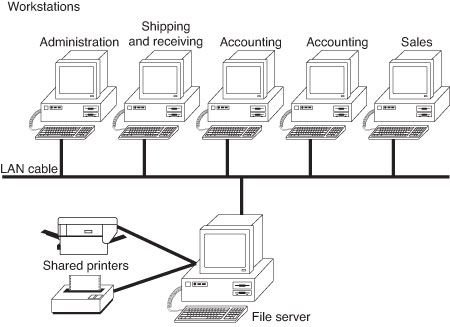
The physical equipment like computers, printers, and networking devices that provide computing power for data processing, as well as networking and printing capabilities. Hardware accelerates the transformation of data into valuable information.

Software:

Programs that run on the hardware. Software is divided into system software (e.g., operating systems like Windows, Mac OS, Ubuntu) and applications software (e.g., Payroll program, banking system, point of sale system) that facilitate specific business tasks.

In an MIS, these components form an interconnected ecosystem, with people using business procedures to interact with and record data. The hardware, along with the software, processes this data, transforming it into meaningful information accessible to users. The effective collaboration of all these components ensures the MIS serves its purpose, providing valuable insights for decision-making and supporting business operations.

Organizational Decision Making

Decision making can be defined as selecting between alternative courses of action. Management decision making concerns the choices faced by managers within their duties in the organization. Making decisions is an important aspect of planning. Decision making can also be classified into three categories based on the level at which they occur.

Strategic Decisions: These decisions establish the strategies and objectives of the organization. These types of decisions generally occur at the highest levels of organizational management.

Tactical Decisions: Tactical decisions concern the tactics used to accomplish the organizational objectives. Tactical decisions are primarily made by middle and front-line managers.

Operational Decisions: Operational decisions concern the methods for carrying out the organizations delivery of value to customers. Operational decisions are primarily made by middle and front-line managers.

Decisions can be categorized based on the capacity of those making the decision.

Personal Decisions: Personal decisions are those primarily affecting the individual though the decision may ultimately have an effect on the organization as a result of its effect on the individual. These types of decisions are not made within a professional capacity. These decisions are generally not delegated to others.

Organizational Decisions: An organizational decision is one that relates or affects the organization. It is generally made by a manager or employee within their official capacity. These decisions are often delegated to others.

Strategies:

Marginal Analysis

Marginal analysis helps organizations allocate resources to increase profitability and benefits and reduce costs. An example from indeed.com is if a company has the budget to hire an employee, a marginal analysis may show that hiring that person provides a net marginal benefit because the ability to produce more products outweighs the increase in labor costs.

SWOT Diagram

This tool helps a manager study a situation in four quadrants:

  • Strengths: Where does the organization excel compared to its competition? Consider the internal and external strengths.
  • Weaknesses: What could the organization improve?
  • Opportunities: How can the organization leverage its strengths to create new avenues for success.
  • Threats: Determine what obstacles prevent the organization from achieving its goals.

Decision Matrix

A decision matrix can provide clarity when dealing with different choices and variables. It is like a pros/cons list, but decision-makers can place a level of importance on each factor. According to Dashboards, to build a decision matrix:

  • List your decision alternatives as rows
  • List relevant factors as columns
  • Establish a consistent scale to assess the value of each combination of alternatives and factors
  • Determine how important each factor is in choosing a final decision and assign weights accordingly
  • Multiply your original ratings by the weighted rankings
  • Add up the factors under each decision alternative
  • The highest-scoring option wins

Pareto Analysis

The Pareto Principle helps identify changes that will be the most effective for an organization. It’s based on the principle that 20 percent of factors frequently contribute to 80 percent of the organization’s growth. For example, suppose 80 percent of an organization’s sales came from 20 percent of its customers. A business can use the Pareto Principle by identifying the characteristics of that 20 percent customer group and finding more like them. By identifying which small changes have the most significant impact, an organization can better prioritize its decisions and energies.

Steps:

Make long-term goals and use them to measure your decisions.

All too often, organizations find themselves endlessly running around in pursuit of short-term goals. Money that has been committed to a year-long project gets overrun or set off because flashy or short-term priorities arise and resources are redirected. As a result, you typically end up with an awful lot of confusion and a lack of overall progress.

To avoid this problem, nail down your high-priority, long-term goals from the outset. Then as your organization makes decisions, ask yourself whether what you’re doing aligns with those goals. This should be a constant process, returning again and again to check your organizational activity against your goals.

When you apply this method successfully, you will engage more reliably in short-term projects that support your long-term goals. Over time, this will push your organization forward.

Align your goals with your core values

Ideally, these should flow from your organization’s mission and core values. Your organization’s goals may evolve over time, but its values should be much less mutable.

Your organizational values confer a coherent sense of identity and continuity to your organization. They should be clearly understood and agreed upon by your decision-makers. As you evaluate your goals, make sure that they are aligned with your core values.

Assess (and reassess) spending

One way to evaluate your priorities as they are being realized today is to take a look at your spending. Often, you may think you’re prioritizing a particular goal or effort, while your budget tells a different story.

Make sure your organizational spending reflects your identified priorities. If not, you need to take a second look. And as with any such check-in, it’s essential to make this a regular assessment to continuously verify that you’re on track.

Understand the impacts of your decisions.

Some decisions may be discrete and routine, having neat boundaries and only significantly impacting the matter directly at hand. But more often, organizational decisions may have wide-ranging consequences, especially if they will touch on policy or processes.

As your organization considers varying possibilities, make sure to weight second and third-order effects. These consequences can provide crucial context for the decision at hand.

Remember your personnel.

Organizations tend to depend on the quality of their employees to succeed. If your decisions make it difficult for your employees to be productive in their work environment, it will damage your prospects for long-term success even if your decisions appear to advance a short-term goal.

Evaluate the effect your decisions will have on your employees’ ability to perform their jobs and factor this component into your decisions accordingly.

The most effective decision-making should lead to improved work toward your long-term goals, which should be driven by core values. You should constantly reevaluate your spending and assess likely consequences of your actions. If you follow these steps thoroughly, you will have assembled a framework for successful organizational decision-making.

Advantages of Decision Making

Increase People’s Participation

Decision making in the organisation is done by a group of peoples working in the organisation. It is not carried out by a single individual rather than by a group of people. Each people actively participates in decision making of the organisation. They are free to present their creative ideas without any boundations.

Also, none of them is individually criticized for any failure but the whole group is responsible to handle. This increases the participation level of different people in the organisation.

Gives More Information

Good decision-making process acquires enough information before taking any action. In decision making, there is a large number of peoples involved. It is undertaken by the whole group rather than by a single individual. Each person gives his perspective to handle a particular situation.

They all represent there facts and figures according to their skill. This generates enough information which can be used for better understanding of the situation. This helps managers in taking corrective decisions.

Provide More Alternatives

Companies are able to get different alternatives for a particular situation through group decision making. There are different people working as a group for proper decisions. Each person looks differently to a particular problem.

They give their own perspectives and ideas for it. This way there are different options available to choose. All the alternatives are properly analysed in light of handling situation. The best one is chosen to arrive at a better result.

Improves the Degree of Acceptance and Commitment

Companies always face the chances of conflict among its staff working in the organisation. Through group decision making each person gets equal right to share his views and ideas.

Here decisions are not imposed on the peoples but are created with their participation. It develops a sense of loyalty and belongingness among people towards the business. They easily accept the decisions taken and are committed to their roles.

Helps In Strengthening the Organisation

It helps in improving the strength of the organisation. Decision making provides a platform to each individual working in an organisation to equally represent their ideas. Everybody gets an equal right to take part in managing the organisation.

It develops a sense of cooperation and unity among individuals working there. They all come together and work towards the accomplishment of the company’s goals. This increases the overall productivity of the organisation and strengthens its overall structure.

Improves the Quality of Decisions

Decision making helps in taking quality decisions at the right time. There are different experts engaged by organisations in their decision-making group. These peoples have through knowledge and creative thinking.

They analyse each and every aspect of every alternative available to them for handling situations. Best among the different alternatives available is chosen. It enables in quality decision making which helps in easy attainment of objectives.

Limitations:

Consultation ambiguity: This can be a scenario where a group of employees all feel like they have a vote in a decision or when a manager asks for input but doesn’t consider a group’s views. It’s important for a manager to solicit feedback but to make sure that contributors understand it’s the manager’s final decision.

Avoiding discomfort: Sound management decision making requires leaders who do not confuse their need for comfort with making the best decision. Some of the most effective decisions involve a degree of discomfort for the manager.

Appearing indecisive: Sometimes, a systematic decision making process has a downside. Being too rigorous in evaluating every possible angle can draw out the process and open the risk of appearing indecisive. Keep stakeholders informed about the timeline for a decision.

Blind spots: People have particular perspectives and ways of thinking that can create blind spots, which may be important for an effective decision but cannot be readily apparent. It can be helpful to seek input from trusted colleagues to provide a different perspective.

Groupthink: This occurs when a group’s members want to minimize conflict and reach a comfortable decision at the expense of a critical evaluation of other ideas and viewpoints. It’s important to explore alternatives a group may not have considered.

Nature and Scope of Marketing

Marketing is the process of creating, communicating, delivering, and exchanging offerings that have value for customers, clients, partners, and society at large. It involves understanding customer needs and wants, designing products or services to meet those needs, and promoting them effectively to the target audience. Marketing is not limited to selling or advertising—it encompasses market research, product development, pricing strategies, distribution, and relationship building.

In a broader sense, marketing is both an art and a science. It requires creativity to design appealing offerings and analytical skills to interpret market data and trends. The ultimate aim is to satisfy customers profitably while building brand trust and loyalty. In today’s competitive and dynamic environment, marketing also plays a role in anticipating future needs, adapting to technological changes, and delivering value in a socially responsible manner, ensuring long-term success for both businesses and their stakeholders.

Nature of Marketing:

  • Customer-Oriented Process

Marketing focuses primarily on identifying and satisfying customer needs and wants. It starts with understanding the target audience through market research and ends with delivering products or services that meet their expectations. This orientation ensures that all business activities revolve around providing value to customers. By prioritizing customer satisfaction, marketing helps build loyalty, trust, and repeat business. The success of any marketing effort is measured by how well it fulfills customer demands while creating mutual value for both the buyer and the seller. Without a customer-oriented approach, marketing loses its effectiveness and long-term impact.

  • Goal-Oriented Activity

Marketing is directed towards achieving specific organizational goals, such as increasing sales, maximizing profits, expanding market share, or building brand awareness. Every marketing activity—from product development to promotional campaigns—is planned to contribute to these objectives. Goal orientation ensures that marketing efforts are measurable and aligned with the company’s overall strategy. It provides direction, motivates employees, and helps allocate resources efficiently. Without clear goals, marketing activities may become uncoordinated and ineffective. Therefore, a results-driven approach is essential for ensuring that marketing not only attracts customers but also delivers tangible benefits to the business.

  • Continuous and Dynamic Process

Marketing is an ongoing process that evolves with changes in customer preferences, market trends, technology, and competition. It is not a one-time activity but a continuous cycle of research, planning, implementation, and evaluation. The dynamic nature of marketing demands flexibility and innovation to adapt strategies in response to market changes. For example, shifts in consumer behavior due to digitalization or economic fluctuations require businesses to adjust pricing, promotion, and distribution strategies. This adaptability ensures relevance in the market and helps businesses maintain a competitive advantage over time.

  • Value Creation and Satisfaction

At its core, marketing is about creating and delivering value to customers. Value refers to the perceived benefits a customer receives compared to the cost they pay. By offering high-quality products, unique features, and excellent service, businesses can enhance customer satisfaction and loyalty. This value creation goes beyond the product—it includes after-sales support, emotional connection, and brand experience. When customers feel that they receive more benefits than they pay for, they are likely to repurchase and recommend the brand. Thus, value creation is essential for sustainable growth and long-term business success.

  • Integrated Organizational Function

Marketing is not just the responsibility of the marketing department; it is a function that integrates all areas of a business. Production, finance, research, customer service, and logistics must work together to fulfill marketing objectives. This integration ensures that every department contributes to delivering value and maintaining customer satisfaction. For example, production must ensure quality, finance must manage pricing strategies, and logistics must ensure timely delivery. A coordinated approach strengthens the brand image and ensures consistent communication with customers. Integrated marketing helps avoid conflicts, reduces inefficiencies, and enhances the overall customer experience.

  • Mutual Benefit for Business and Society

Marketing creates value not only for businesses but also for society. By providing goods and services that meet consumer needs, marketing improves living standards and supports economic growth. It also fosters employment opportunities, encourages innovation, and promotes fair competition. Ethical marketing practices ensure that products are safe, environmentally friendly, and socially responsible. This balance between business goals and societal welfare builds trust and enhances a brand’s reputation. When marketing serves both business and society, it contributes to sustainable development and creates a positive impact beyond profit-making.

  • Influenced by External Environment

Marketing activities are significantly affected by external environmental factors, including economic conditions, cultural values, technological advancements, legal regulations, and competition. These factors are largely uncontrollable but must be closely monitored to adjust marketing strategies accordingly. For example, changes in government policies may affect pricing or distribution, while technological innovations may open new promotional channels. Understanding the external environment enables businesses to anticipate challenges, seize opportunities, and remain competitive. This adaptability to external influences ensures marketing strategies remain relevant and effective in achieving business objectives.

Scope of Marketing:

  • Study of Consumer Needs and Wants

The scope of marketing begins with identifying and understanding the needs and wants of consumers. This involves conducting market research to gather insights into buyer behavior, preferences, and purchasing patterns. By analyzing this data, businesses can design products and services that match customer expectations. The process includes segmentation, targeting, and positioning to serve the right market effectively. Without a clear understanding of consumer needs, marketing strategies may fail to attract or retain customers. Thus, studying customer needs forms the foundation for all marketing decisions and helps in developing products that deliver genuine value.

  • Product Planning and Development

Product planning is a key part of the marketing scope, involving the creation or improvement of goods and services to meet market demands. This includes determining product features, quality standards, packaging, branding, and after-sales service. Development may involve introducing completely new products or upgrading existing ones to suit changing preferences and technological advancements. Effective product planning ensures that offerings remain competitive and relevant. It also considers factors such as design, innovation, and sustainability. Since products are the core of any marketing strategy, careful planning and development directly impact customer satisfaction and business profitability.

  • Pricing Decisions

Pricing is a critical element of marketing, as it directly affects sales, revenue, and profitability. The scope of marketing includes setting prices that reflect product value, match market conditions, and meet consumer expectations. Pricing strategies may vary based on factors like competition, cost, demand, and government regulations. Marketers may use approaches such as penetration pricing, skimming pricing, or value-based pricing to achieve business goals. The right pricing decision ensures competitiveness without sacrificing profitability. It must also consider psychological aspects, as customers often associate price with quality, making it a key factor in brand positioning.

  • Promotion and Communication

Promotion refers to all activities that inform, persuade, and remind customers about products and services. It includes advertising, personal selling, sales promotions, public relations, and digital marketing. Communication plays a crucial role in creating awareness, generating interest, and building brand loyalty. Marketers must design effective messages and choose suitable media channels to reach their target audience. The scope of promotion extends to creating emotional connections with customers and maintaining consistent brand identity. In today’s digital era, social media and online campaigns have become vital tools for promotional success, ensuring wider reach at lower costs.

  • Distribution (Place) Decisions

Distribution is the process of making products available to customers at the right place, time, and quantity. It involves selecting suitable channels such as wholesalers, retailers, e-commerce platforms, or direct sales. The scope of marketing includes designing efficient distribution networks, managing logistics, warehousing, and transportation. The goal is to ensure product accessibility and customer convenience. Choosing the right distribution strategy can improve market coverage and customer satisfaction. Factors like product type, target market, and cost efficiency influence these decisions. In modern marketing, online distribution has become increasingly important for reaching global audiences quickly.

  • After-Sales Service

After-sales service is a vital part of marketing, especially for products that require installation, maintenance, or repair. It helps in building customer trust and loyalty by ensuring continued satisfaction even after purchase. Services may include warranties, customer support, training, and complaint handling. The scope of marketing recognizes after-sales service as a competitive advantage, as it enhances brand reputation and encourages repeat purchases. Effective after-sales programs also generate positive word-of-mouth, which can attract new customers. In industries like electronics, automobiles, and machinery, after-sales service often determines long-term customer relationships and overall business success.

  • Market Research

Market research involves collecting and analyzing data to support marketing decisions. It helps businesses understand customer behavior, market trends, competition, and potential opportunities. This scope of marketing ensures that strategies are based on facts rather than assumptions. Research may include surveys, focus groups, observation, and data analytics. The insights gained guide product development, pricing, promotion, and distribution. Market research also helps in identifying emerging trends and minimizing risks. In a competitive environment, continuous research is essential for adapting to changes, staying ahead of competitors, and meeting evolving customer needs effectively.

Marketing Research, Meaning, Definitions, Features, Scopes, Types, Process, Tools & Techniques, Reports, Importance and Challenges

Marketing Research is the systematic process of gathering, analyzing, and interpreting information about a market, target audience, competition, or industry trends. It helps businesses identify opportunities, assess consumer needs, preferences, and behaviors, and evaluate the effectiveness of marketing strategies. Marketing research can be classified into primary research (collecting new data through surveys, interviews, or experiments) and secondary research (analyzing existing data like reports or publications). It provides critical insights that guide decision-making, enhance customer satisfaction, and improve product or service offerings. Effective marketing research ensures that organizations remain competitive and responsive in dynamic market environments.

Definitions of Marketing Research

1. Philip Kotler

According to Philip Kotler, “Marketing research is the systematic design, collection, analysis, and reporting of data and findings relevant to a specific marketing situation facing the company.”

This definition emphasizes that marketing research is a scientific and organized process used to gather and analyze information for solving marketing problems and making better decisions.

2. American Marketing Association (AMA)

According to the American Marketing Association, “Marketing research is the function that links the consumer, customer, and public to the marketer through information used to identify and define marketing opportunities and problems; generate, refine, and evaluate marketing actions; monitor marketing performance; and improve understanding of marketing as a process.”

This definition highlights the role of marketing research in connecting businesses with consumers through information and analysis.

3. Green and Tull

According to Paul E. Green and Donald S. Tull, “Marketing research is the systematic and objective search for and analysis of information relevant to the identification and solution of any problem in the field of marketing.”

This definition focuses on the objective and systematic nature of marketing research in solving marketing-related problems.

4. Richard D. Crisp

According to Richard D. Crisp, “Marketing research is the systematic, objective and exhaustive search for and study of the facts relevant to any problem in the field of marketing.”

This definition stresses the importance of collecting complete and unbiased information for effective marketing decisions.

Features of Marketing Research

1. Systematic Process

Marketing research follows a structured and methodical approach. It begins with identifying the problem or opportunity, followed by designing the research plan, data collection, analysis, and interpretation. This systematic process ensures accuracy and reliability in findings, which are critical for informed decision-making.

  • Example: A company launching a new product systematically conducts surveys and focus groups to evaluate consumer demand.

2. Objective-Oriented

The primary goal of marketing research is to provide solutions to specific marketing problems or to uncover opportunities. It focuses on collecting relevant data and generating actionable insights to achieve predefined objectives. By remaining goal-focused, marketing research helps avoid irrelevant or excessive data collection.

  • Example: A company may conduct research specifically to understand why sales of a product are declining.

3. Data-Driven

Marketing research relies on data, whether qualitative (opinions, emotions, or motivations) or quantitative (numbers, statistics, or trends). The quality of the research is directly tied to the accuracy, relevance, and timeliness of the data collected.

  • Example: A retailer analyzing customer purchase patterns uses sales data to design targeted promotions.

4. Analytical in Nature

Marketing research emphasizes rigorous analysis of collected data to derive meaningful insights. Various analytical tools and statistical techniques are used to interpret the data, identify trends, and make forecasts. This ensures that decisions are not based on guesswork but on factual evidence.

  • Example: A software company uses predictive analytics to estimate customer lifetime value based on historical behavior.

5. Continuous and Adaptive

Marketing research is not a one-time activity but an ongoing process. Markets are dynamic, with changing consumer behaviors, preferences, and competitive forces. Businesses must adapt their research efforts to stay relevant and updated with current trends.

  • Example: Social media platforms conduct regular research to understand user preferences and develop new features accordingly.

6. Problem-Solving Orientation

Marketing research aims to solve real-world problems by identifying issues and suggesting practical solutions. It provides actionable recommendations to enhance marketing strategies, product development, or customer engagement.

  • Example: Research findings may indicate the need for better customer service training to improve satisfaction levels.

Scope of Marketing Research

  • Consumer Research

Consumer research is a major area in the scope of marketing research. It focuses on studying consumer behavior, needs, preferences, attitudes, and buying patterns. Businesses use this information to understand why consumers purchase certain products and how they respond to marketing efforts. It also includes studying demographic, psychological, and social factors influencing decisions. For example, youth preferences for online shopping help companies design digital marketing strategies. Consumer research enables firms to develop customer-focused products and services. It reduces uncertainty in decision-making and helps in improving customer satisfaction. Therefore, it is essential for understanding target customers and designing effective marketing strategies.

  • Product Research

Product research involves studying and analyzing product design, features, quality, packaging, and usability. It helps businesses understand what improvements are needed in existing products and what new products should be introduced. Companies use consumer feedback and market trends to develop better products. For example, smartphone companies improve camera quality and battery life based on customer demand. Product research also includes testing product concepts before launch. This reduces the risk of failure and ensures product success. Therefore, product research is an important part of marketing research scope that supports innovation and product development.

  • Market Research

Market research is concerned with analyzing the size, structure, and trends of the market. It helps businesses understand demand and supply conditions, market potential, and growth opportunities. Companies use market research to identify target markets and expand their business. For example, increasing demand for digital services has created new online markets. It also helps in understanding regional and global market differences. Market research provides valuable insights for entering new markets and planning business expansion. Therefore, it plays a crucial role in strategic marketing decisions and long-term growth.

  • Sales Research

Sales research focuses on analyzing sales performance, sales trends, and distribution effectiveness. It helps businesses understand which products are performing well and which are not. It also studies sales forecasting, sales territories, and sales force efficiency. For example, companies analyze regional sales data to identify high-demand areas. Sales research helps improve sales strategies and increase revenue. It also supports better planning of sales targets and distribution channels. Therefore, sales research is an important area in marketing research scope that enhances sales performance and business profitability.

  • Pricing Research

Pricing research studies how prices affect consumer demand and purchasing decisions. It helps businesses understand consumer price sensitivity, income levels, and competitor pricing strategies. Based on this, companies set appropriate pricing policies such as premium pricing, penetration pricing, or discount pricing. For example, luxury brands use high pricing to reflect exclusivity and quality. Pricing research ensures that products are competitively priced and acceptable to consumers. It helps maximize profits while maintaining customer satisfaction. Therefore, pricing research is essential for effective pricing decisions in marketing.

  • Promotion Research

Promotion research involves studying the effectiveness of advertising, sales promotion, public relations, and digital marketing. It helps businesses understand which promotional tools influence consumers the most. For example, social media marketing is effective for younger audiences, while TV advertising reaches wider populations. Promotion research evaluates campaign performance and improves communication strategies. It helps in selecting the right media channels and message design. Therefore, promotion research is important for increasing brand awareness and improving marketing communication effectiveness.

  • Distribution Research

Distribution research focuses on how products move from producers to consumers. It studies distribution channels such as wholesalers, retailers, and online platforms. It also includes logistics, supply chain management, and inventory control. For example, the growth of e-commerce has increased the importance of online distribution channels. Distribution research helps businesses ensure product availability at the right place and time. It improves efficiency and reduces costs in the supply chain. Therefore, distribution research is an important part of marketing research scope.

  • Competitor Research

Competitor research involves analyzing competitors’ strengths, weaknesses, strategies, and market position. It helps businesses understand market competition and improve their own performance. Companies study competitor pricing, product features, and promotional strategies. For example, smartphone companies constantly monitor rival brands to stay competitive. Competitor research helps in strategic planning and decision-making. It allows businesses to identify opportunities and threats in the market. Therefore, competitor research is essential for gaining competitive advantage.

Types of Marketing Research

1. Exploratory Research

This type of research is conducted when the problem is not clearly defined, and the objective is to explore new ideas or insights. It is qualitative in nature and helps identify potential issues, opportunities, or solutions. Techniques like focus groups, in-depth interviews, and open-ended surveys are commonly used.

  • Example: A company exploring the viability of a new product concept by interviewing a small group of target customers.

2. Descriptive Research

Descriptive research aims to describe the characteristics of a specific market or consumer group. It is often quantitative and provides information about consumer demographics, behaviors, and preferences. Surveys, observational studies, and data analysis are typical methods used.

  • Example: A retailer conducting a survey to understand the purchasing habits of millennials.

3. Causal Research

Also known as experimental research, causal research is conducted to identify cause-and-effect relationships between variables. It tests hypotheses to determine how changes in one variable (e.g., price) impact another (e.g., sales).

  • Example: A business running A/B tests on two different ad campaigns to measure their impact on customer engagement.

4. Qualitative Research

This research focuses on understanding consumer emotions, motivations, and behaviors through non-numerical data. It uses methods like focus groups, interviews, and ethnographic studies to gather in-depth insights.

  • Example: A luxury brand conducting interviews to understand how customers perceive exclusivity.

5. Quantitative Research

Quantitative research collects and analyzes numerical data to identify trends, patterns, and relationships. It relies on large sample sizes and uses techniques like surveys, statistical analysis, and structured questionnaires.

  • Example: A telecom company analyzing customer satisfaction scores through large-scale surveys.

6. Primary Research

Primary research involves collecting original data directly from respondents. It provides specific insights tailored to the research objectives and is conducted through surveys, experiments, and direct observations.

  • Example: A startup conducting an online poll to gauge interest in its new app.

7. Secondary Research

This type of research involves analyzing existing data from sources like reports, studies, industry publications, and government statistics. It is cost-effective and useful for understanding broader trends.

  • Example: A business using market reports to understand industry growth rates.

8. Product Research

Product research focuses on understanding consumer preferences and feedback related to a product’s features, packaging, or usability. It helps in product development and enhancement.

  • Example: A beverage company testing different flavors with a focus group.

9. Market Segmentation Research

This research identifies distinct consumer segments within a broader market based on demographics, behaviors, or preferences. It helps businesses target the right audience effectively.

  • Example: A fashion retailer segmenting its market into groups based on age and lifestyle.

10. Competitive Analysis Research

This type examines competitors’ strategies, strengths, and weaknesses. It provides insights into the competitive landscape and helps businesses differentiate themselves.

  • Example: A software company analyzing its competitors’ pricing and features.

Process of Marketing Research

Step 1. Identifying the Problem or Opportunity

The first step in the marketing research process is clearly defining the problem or identifying the opportunity. This step is critical, as it sets the foundation for the entire research process. A poorly defined problem may lead to irrelevant or misleading results. Businesses need to determine what they want to achieve, whether it is understanding declining sales, evaluating a new product’s potential, or exploring customer preferences. For instance, a company may want to know why customer satisfaction levels have decreased over the past quarter.

Step 2. Developing the Research Plan

Once the problem is identified, the next step is to design a comprehensive research plan. This involves selecting the type of research (exploratory, descriptive, or causal) and determining the research approach (qualitative, quantitative, or a mix of both). Additionally, researchers decide on the methods for data collection, such as surveys, interviews, focus groups, or experiments. The plan should also outline the sampling method, sample size, and research budget. A well-thought-out research plan ensures that the process is efficient and cost-effective.

Step 3. Collecting Data

Data collection is a crucial step that involves gathering information from primary or secondary sources. Primary data is collected firsthand through methods like questionnaires, interviews, and observations. Secondary data is obtained from existing sources such as market reports, government publications, and industry databases. The choice of data collection method depends on the objectives and available resources. For instance, if a business wants real-time customer feedback, it may use online surveys or social media polls.

Step 4. Analyzing the Data

After data collection, the next step is to organize, analyze, and interpret the information to derive meaningful insights. Statistical tools, software, and techniques like regression analysis, correlation, and data visualization are often employed. This step involves identifying patterns, trends, and relationships within the data. For example, analysis may reveal that customers prefer specific product features or that price sensitivity is affecting sales.

Step 5. Presenting the Findings

Once the data is analyzed, the results need to be compiled into a clear and concise report. The report typically includes an executive summary, research objectives, methodology, key findings, and actionable recommendations. Visual aids like graphs, charts, and tables are often used to make the findings easier to understand. This presentation helps decision-makers grasp the key insights and make informed choices based on the research.

Step 6. Taking Action and Monitoring Results

The final step in the marketing research process is to implement the recommendations and monitor the outcomes. Businesses use the insights gained to develop strategies, improve products, or enhance customer experiences. Continuous monitoring ensures that the implemented actions are achieving the desired results and allows for adjustments if necessary. For instance, if a marketing campaign based on research insights shows positive results, it validates the research process.

Tools and Techniques of Marketing Research

1. Data Collection Tools

(a) Surveys and Questionnaires

Surveys are one of the most popular tools for collecting primary data. They involve structured questions designed to gather quantitative or qualitative insights.

  • Example: Online surveys using platforms like Google Forms, SurveyMonkey, or Qualtrics.
  • Benefit: Cost-effective and scalable for large audiences.

(b) Interviews

Interviews provide in-depth insights by engaging participants in detailed discussions. They can be conducted face-to-face, via phone, or online.

  • Example: One-on-one interviews with key customers to explore their motivations.
  • Benefit: Allows for probing and clarifying responses.

(c) Focus Groups

Focus groups involve moderated discussions with a small group of participants to gather opinions and ideas.

  • Example: A retailer organizing focus groups to test new store layouts.
  • Benefit: Reveals group dynamics and diverse perspectives.

(d) Observation

Observation involves monitoring consumer behavior in real-world settings without direct interaction.

  • Example: Watching how shoppers navigate a store.
  • Benefit: Captures actual behavior rather than self-reported data.

(e) Experiments

Experiments test specific variables to determine cause-and-effect relationships.

  • Example: A/B testing two versions of a website landing page.
  • Benefit: Provides reliable data for decision-making.

2. Data Analysis Tools

(a) Statistical Software

Statistical tools like SPSS, SAS, and R help analyze large datasets and uncover trends, correlations, and patterns.

  • Example: A company using SPSS to analyze survey results.
  • Benefit: Ensures accurate and sophisticated data analysis.

(b) Data Visualization Tools

Tools like Tableau, Power BI, and Excel create visual representations of data, such as charts and graphs.

  • Example: A marketer using Tableau to create dashboards for campaign performance.
  • Benefit: Makes complex data easy to understand and interpret.

(c) Predictive Analytics

Predictive tools use algorithms and machine learning to forecast future trends and behaviors.

  • Example: An e-commerce platform predicting customer purchase likelihood.
  • Benefit: Enables proactive decision-making.

3. Online Tools

(a) Social Media Analytics

Platforms like Hootsuite and Brandwatch analyze consumer sentiment and behavior on social media.

  • Example: Tracking brand mentions and hashtags to measure campaign effectiveness.
  • Benefit: Provides real-time insights into public opinion.

(b) Web Analytics

Google Analytics and similar tools track website traffic, user behavior, and conversion rates.

  • Example: Monitoring the effectiveness of an ad campaign through website traffic spikes.
  • Benefit: Helps optimize digital marketing strategies.

(c) CRM Systems

Customer Relationship Management (CRM) tools like Salesforce and HubSpot track customer interactions and preferences.

  • Example: Analyzing customer purchase history to identify upselling opportunities.
  • Benefit: Enhances customer relationship strategies.

4. Secondary Research Tools

(a) Industry Reports and Publications

Reports from organizations like Nielsen, Gartner, or McKinsey provide valuable secondary data.

  • Example: Using market trends from a Nielsen report to strategize.
  • Benefit: Saves time and resources on primary research.

(b) Government Data

Government databases, like Census data or economic reports, offer comprehensive and reliable information.

  • Example: Analyzing population trends for market expansion.
  • Benefit: Provides credible data for broad insights.

5. Qualitative Techniques

(a) SWOT Analysis

This technique assesses a business’s strengths, weaknesses, opportunities, and threats.

  • Example: A company analyzing its competitive edge in a new market.
  • Benefit: Supports strategic planning.

(b) Ethnographic Research

This involves observing consumers in their natural environments to understand their habits and lifestyles.

  • Example: Studying how rural communities use a product.
  • Benefit: Offers deep, contextual insights.

Reports of Market Research

  • Purpose and Objective

Market Research Report’s primary purpose is to translate collected data into actionable intelligence to inform strategic decisions. Its core objective is to answer specific, pre-defined business questions—such as assessing market size, understanding customer preferences, evaluating competitor strategies, or testing product concepts. By providing an evidence-based, objective analysis of market conditions, it reduces uncertainty and risk. The report moves beyond raw data to offer insights and recommendations, ultimately guiding management on market entry, positioning, investment, and innovation to achieve competitive advantage and growth objectives.

  • Key Components and Structure

A professionally structured report ensures clarity and logical flow. Key components include: an Executive Summary of findings and recommendations; an Introduction stating objectives and methodology; a Detailed Findings section presenting data analysis (often with charts and graphs); a Conclusions segment interpreting what the findings mean; and a final Recommendations section proposing specific, actionable steps. Appendices house raw data, questionnaires, and technical details. This structure guides the reader from problem definition through evidence to a clear course of action.

  • Data Analysis and Interpretation

This is the transformative core of the report where raw data becomes insight. It involves applying statistical tools and analytical frameworks to identify patterns, correlations, and trends within the collected information. The analyst interprets quantitative data (survey results, sales figures) and qualitative data (interview themes) to explain why observed patterns exist and what they signify for the business. Effective interpretation connects data points to the original objectives, deriving meaning about customer behavior, market gaps, or competitive threats, thereby creating the narrative that supports the final conclusions and recommendations.

  • Presentation of Findings

This section presents the analyzed data in a clear, accessible, and compelling format. It relies heavily on visual aids like charts (bar, pie, line), graphs, infographics, and tables to summarize complex information efficiently. The narrative should highlight key statistics, segment differences, and significant trends without jargon, guiding the reader through the evidence logically. Effective presentation tells a visual and textual story, making the data understandable and memorable for decision-makers who may not be analysts, ensuring the insights are absorbed and can be acted upon.

  • Conclusions and Strategic Recommendations

The report culminates here, synthesizing interpretations into definitive conclusions that directly answer the research objectives. Following this, it provides strategic recommendations—concrete, prioritized actions the business should take based on the evidence. Recommendations are specific, feasible, and tied to business goals (e.g., “Target demographic X with feature Y via channel Z”). This section bridges analysis and action, offering a clear roadmap. It is the most critical part for the end-user, transforming insight into a plan for marketing, product development, or investment.

Advantages of Marketing Research

  • Better Understanding of Consumer Needs

Marketing research helps businesses understand what consumers actually need and expect from products and services. It collects data on customer preferences, buying behavior, and satisfaction levels. This enables companies to design products that match real market demand. For example, if research shows a preference for healthy food, firms can develop organic products. By understanding consumer needs clearly, businesses reduce the risk of product failure and increase customer satisfaction. Therefore, marketing research ensures that decisions are customer-focused and aligned with market expectations.

  • Helps in Better Decision Making

Marketing research provides accurate and relevant data that supports effective decision making. Managers use research findings to make decisions related to product design, pricing, promotion, and distribution. Instead of relying on guesswork, businesses depend on facts and analysis. For example, before launching a new product, companies study market demand and competition. This leads to more informed and successful business decisions. Therefore, marketing research reduces uncertainty and improves managerial efficiency.

  • Reduces Business Risks

One of the major advantages of marketing research is that it reduces risks associated with business decisions. By analyzing market conditions, consumer trends, and competitor strategies, companies can identify potential problems in advance. For example, test marketing helps businesses evaluate product performance before full-scale launch. This prevents financial losses and product failures. Therefore, marketing research acts as a risk management tool for businesses.

  • Identifies Market Opportunities

Marketing research helps businesses discover new market opportunities by analyzing trends, gaps, and changing consumer needs. It highlights emerging demands such as digital services, eco-friendly products, and online shopping. For example, increasing demand for fitness products has created opportunities in the health industry. By identifying such opportunities early, businesses can expand and grow. Therefore, marketing research supports innovation and business expansion.

  • Improves Product Development

Marketing research provides valuable insights for developing and improving products. It helps businesses understand what features, designs, and quality levels customers prefer. Companies can use this information to create new products or improve existing ones. For example, smartphone companies add better cameras and batteries based on customer feedback. This ensures that products are more competitive and customer-friendly. Therefore, marketing research plays a key role in product innovation.

  • Effective Marketing Strategies

Marketing research helps businesses design effective marketing strategies such as advertising, pricing, and distribution. It provides information about customer behavior, media preferences, and market segmentation. For example, social media advertising is used when research shows that customers are active online. This improves the success of marketing campaigns. Therefore, marketing research ensures better planning and execution of marketing activities.

  • Enhances Customer Satisfaction

Marketing research helps improve customer satisfaction by identifying problems and expectations. Businesses can analyze feedback and improve product quality and services accordingly. Satisfied customers are more likely to remain loyal and recommend the brand to others. For example, companies improve after-sales service based on customer complaints. Therefore, marketing research helps build strong customer relationships.

  • Competitive Advantage

Marketing research gives businesses a competitive advantage by providing insights into competitor strategies and market trends. Companies can compare their performance with competitors and make necessary improvements. This helps them stay ahead in the market. For example, firms may adjust pricing or improve quality based on competitor analysis. Therefore, marketing research helps businesses maintain a strong market position.

Limitations of Marketing Research

1. High Costs

Conducting marketing research can be expensive, especially for small businesses with limited budgets. Expenses for hiring research agencies, designing surveys, collecting data, and using analytical tools can add up quickly. This financial constraint may force companies to compromise on the quality or scope of the research.

  • Example: A startup may avoid conducting large-scale surveys due to high costs, leading to limited insights.

2. Time-Consuming Process

Marketing research is a time-intensive process that involves multiple steps, including planning, data collection, analysis, and reporting. In fast-moving markets, by the time the research is complete, the insights may already be outdated, rendering them less useful.

  • Example: A company taking months to complete research for a new product launch may lose its first-mover advantage.

3. Risk of Inaccurate Data

The accuracy of marketing research depends on the quality of data collected. If the data is incorrect, biased, or incomplete, the insights derived from it will also be flawed. Poor sampling techniques, respondent dishonesty, or misinterpretation can lead to unreliable results.

  • Example: Customers providing false responses in a survey to avoid revealing their true preferences.

4. Limited Scope

Marketing research often focuses on specific issues, making it difficult to gain a holistic view of the market. Additionally, certain qualitative factors, like emotional responses or cultural nuances, may be difficult to quantify or measure accurately.

  • Example: Research that examines customer satisfaction but overlooks external factors like economic conditions influencing buying behavior.

5. Dependency on Respondents

Marketing research relies heavily on respondents’ participation and honesty. If respondents are unwilling to engage, provide inaccurate information, or exhibit bias, the results can be compromised. Non-response or low response rates can also affect the validity of the study.

  • Example: Online surveys often experience low response rates, leading to insufficient data for meaningful analysis.

6. Rapid Market Changes

Markets are dynamic, with trends, consumer preferences, and competition evolving rapidly. Research findings may become irrelevant by the time they are implemented, especially in industries like technology or fashion where changes occur frequently.

  • Example: A company basing its advertising strategy on outdated research results may fail to connect with current consumer trends.

Personal Selling, Meaning, Objectives, Process, Importance, Techniques, Strategies and Considerations

Personal Selling is a crucial component of the promotional mix that involves direct interaction between a salesperson and a potential customer. It is a highly personalized form of communication that allows for tailored product presentations, addressing customer needs and concerns, building relationships, and ultimately persuading customers to make a purchase. In this section, we will delve into the concept of personal selling, its objectives, process, techniques, and the skills required for effective personal selling.

Personal selling can be defined as a face-to-face communication process between a salesperson and a prospective customer, with the goal of making a sale. Unlike other forms of promotion, personal selling offers direct interaction, enabling the salesperson to customize the sales message and adapt to the customer’s specific needs and preferences.

Primary Objectives of Personal Selling

  • Generating Sales

The primary objective of personal selling is to generate sales by persuading potential customers to purchase a product or service. The salesperson uses their expertise and communication skills to showcase the features, benefits, and value of the offering, emphasizing how it meets the customer’s needs.

  • Building Relationships

Personal selling allows salespeople to establish and nurture relationships with customers. By understanding their needs, providing personalized attention, and offering ongoing support, salespeople can build trust, loyalty, and long-term relationships with customers.

  • Providing Information and Education

Salespeople play a crucial role in providing customers with detailed product or service information, addressing their questions and concerns, and educating them on how the offering can solve their problems or fulfill their desires. This information exchange helps customers make informed purchase decisions.

  • Gathering Feedback

Through personal interactions, salespeople can gather valuable feedback from customers. They can gain insights into customer preferences, market trends, competitors’ activities, and potential areas of improvement for the product or service. This feedback is valuable for refining marketing strategies and enhancing the offering.

  • Market Research

Salespeople are often at the front lines of customer interactions, making them a valuable source of market intelligence. They can collect information about customer preferences, competitor strategies, and market trends, which can be used for market research and analysis.

Personal Selling Process

The personal selling process involves several sequential steps that guide salespeople in their interactions with customers. While the specific steps may vary depending on the sales methodology or organization, the general process includes the following stages:

  • Prospecting

The salesperson identifies potential customers or leads through various sources such as referrals, databases, networking, or market research. Prospecting involves evaluating the leads to determine their potential as qualified prospects.

  • Pre-approach

In the pre-approach stage, the salesperson gathers information about the prospect, such as their needs, preferences, and background. This research helps in tailoring the sales presentation and approach to address the prospect’s specific requirements.

  • Approach

The salesperson makes initial contact with the prospect. The approach should be professional, courteous, and engaging, aiming to capture the prospect’s attention and establish rapport.

  • Needs Assessment

In this stage, the salesperson engages in a conversation with the prospect to identify their needs, challenges, and goals. By asking open-ended questions and actively listening, the salesperson gains a deeper understanding of the prospect’s situation, which forms the basis for the subsequent stages.

  • Presentation

Based on the needs assessment, the salesperson designs a customized presentation that highlights the features, benefits, and value of the product or service. The presentation should focus on how the offering addresses the prospect’s specific needs and provides a solution to their challenges.

  • Handling Objections

Prospects may have concerns, objections, or doubts that need to be addressed. The salesperson should listen empathetically, clarify misunderstandings, provide additional information, and present compelling arguments to overcome objections. Handling objections requires active listening, empathy, product knowledge, and persuasive communication skills.

  • Closing the Sale

Once the prospect’s objections have been addressed, the salesperson moves towards closing the sale. This involves asking for the order or commitment from the prospect. Closing techniques may vary, including trial closes, assumptive closes, or offering incentives to prompt the prospect to make a buying decision.

  • Follow-up and Relationship Building

After the sale is closed, the salesperson follows up with the customer to ensure satisfaction, address any post-purchase concerns, and solidify the relationship. Effective follow-up helps in building customer loyalty, generating repeat business, and potentially obtaining referrals.

Importance of Personal Selling

  • Builds Strong Customer Relationships

Personal selling enables direct interaction between the salesperson and the customer, allowing for meaningful conversations and trust-building. Through one-on-one communication, the salesperson can understand customer needs better and provide personalized solutions. This approach fosters long-term relationships, increases customer loyalty, and encourages repeat business. Unlike impersonal advertising, personal selling creates a human connection, which is especially important in high-value or complex purchases where customer assurance and trust are essential for decision-making.

  • Helps Understand Customer Needs

Personal selling allows marketers to gain deep insights into individual customer needs, preferences, and concerns. Salespersons can ask questions, listen actively, and observe reactions to tailor their pitch accordingly. This interactive process helps businesses adapt their offerings in real-time and solve specific problems faced by customers. Understanding these needs not only increases the chances of closing a sale but also provides valuable feedback for product improvement and marketing strategies, enhancing overall customer satisfaction.

  • Effective for Complex Products

When dealing with complex, technical, or expensive products, personal selling becomes essential. Customers often need detailed explanations, demonstrations, or reassurance before making a purchase. Salespersons can clarify doubts, provide in-depth product knowledge, and customize solutions based on customer requirements. This face-to-face interaction builds confidence in the product and company, making personal selling ideal for products like machinery, financial services, or medical equipment where informed decisions are critical.

  • Immediate Feedback and Adaptation

Personal selling offers the unique advantage of receiving immediate feedback from customers. Sales representatives can quickly assess customer reactions, objections, or confusion and modify their sales approach accordingly. This real-time exchange improves communication effectiveness and enhances the chance of closing the deal. It also helps in identifying potential improvements in the product or marketing message. The adaptability of personal selling gives it a distinct edge over other promotional tools that lack interactive capabilities.

  • Enhances Sales Conversion Rates

Compared to other promotional methods, personal selling often results in higher conversion rates. The salesperson’s ability to tailor the sales message, answer questions, and handle objections directly increases the likelihood of turning interest into actual purchases. The personal touch, persuasive skills, and detailed product demonstrations create a more convincing environment for the buyer. This effectiveness makes personal selling especially valuable in business-to-business (B2B) contexts or high-involvement consumer purchases where buyers seek assurance and detailed information.

  • Supports New Product Introduction

When launching a new product, personal selling plays a vital role in creating awareness and educating customers. Salespersons can explain the product’s features, benefits, and usage in a clear and engaging manner. They also gather customer reactions and relay feedback to the company, aiding in refining the product or marketing strategy. In markets where consumers are unfamiliar with the product, personal selling bridges the information gap and accelerates acceptance by building trust and providing clarity.

  • Increases Customer Satisfaction

Personal selling allows businesses to offer personalized service, which enhances customer satisfaction. Salespeople can address individual queries, offer tailored recommendations, and ensure the customer fully understands the product. This level of attention and care makes customers feel valued and respected. When customers have a positive experience during the buying process, they are more likely to return, refer others, and become brand advocates, contributing to long-term business growth and profitability.

Techniques and Strategies in Personal Selling

  • Relationship Building

Personal selling emphasizes building strong relationships with customers. This involves understanding their needs, maintaining regular communication, providing ongoing support, and demonstrating a genuine interest in their success.

  • Consultative Selling

Consultative selling focuses on being a trusted advisor to the customer. Salespeople actively listen, ask probing questions, and provide solutions that align with the customer’s needs. This approach positions the salesperson as a problem-solver rather than a mere product pusher.

  • Solution Selling

Solution selling involves identifying the customer’s pain points and offering customized solutions that address those specific challenges. It requires a deep understanding of the customer’s business, industry, and competitive landscape to provide value-added solutions.

  • Relationship Marketing

Salespeople can employ relationship marketing strategies to cultivate long-term customer relationships. This involves personalized interactions, loyalty programs, after-sales support, and ongoing communication to strengthen the bond between the customer and the salesperson.

  • Team Selling

In some cases, complex sales require a team-based approach. Salespeople work together, combining their expertise and skills to address various aspects of the customer’s needs. Team selling ensures comprehensive coverage and provides a seamless experience for the customer.

  • Adaptive Selling

Adaptive selling refers to the salesperson’s ability to adapt their selling style and approach to match the customer’s communication style, preferences, and decision-making process. This requires flexibility, active listening, and the ability to read and respond to the customer’s verbal and non-verbal cues.

Skills Required for Effective Personal Selling

  • Communication Skills

Salespeople need strong verbal and written communication skills to effectively convey their messages, actively listen to customers, and articulate the value proposition of the product or service.

  • Interpersonal Skills

Building rapport, empathy, and trust are crucial in personal selling. Salespeople should be able to establish connections with customers, understand their perspectives, and navigate different personality types.

  • Product Knowledge

Salespeople must have in-depth knowledge of the product or service they are selling. This includes understanding its features, benefits, competitive advantages, and how it solves customer problems.

  • Persuasion and Negotiation Skills

Salespeople need the ability to persuade and influence customers, particularly in addressing objections and closing sales. Effective negotiation skills help in finding mutually beneficial outcomes and reaching agreement with customers.

  • Problem-Solving Skills

Salespeople should be adept at identifying customer problems or challenges and offering appropriate solutions. Problem-solving skills enable salespeople to customize their offerings and address unique customer needs effectively.

  • Time Management and Organization

Personal selling involves managing multiple prospects and leads simultaneously. Salespeople should have strong organizational skills to prioritize tasks, manage their time effectively, and follow up with prospects in a timely manner.

  • Resilience and Perseverance

Rejection is a common aspect of personal selling. Salespeople must possess the resilience to handle rejection, stay motivated, and persistently pursue new opportunities.

Ethical Considerations in Personal Selling

Personal selling, like any other business activity, requires ethical conduct to build trust and maintain long-term relationships with customers.

  • Honesty and Integrity

Salespeople should always be honest in their interactions with customers. They should avoid making false claims or exaggerations about the product or service and provide accurate information to enable customers to make informed decisions.

  • Transparency

Salespeople should disclose any potential conflicts of interest, such as receiving commissions or incentives for selling certain products. Transparent communication builds trust and ensures that customers have all the relevant information to make a decision.

  • Customer’s Best Interest

Salespeople should prioritize the customer’s best interest over their own. They should recommend products or services that genuinely meet the customer’s needs, even if it means recommending a lower-priced option or referring them to a competitor.

  • Confidentiality

Salespeople should respect the confidentiality of customer information shared during the sales process. They should handle customer data securely and use it only for the intended purpose.

  • Respect and Professionalism:

Salespeople should treat customers with respect, professionalism, and courtesy. They should avoid aggressive or manipulative tactics and ensure that customers feel valued and heard throughout the sales process.

  • Compliance with Laws and Regulations

Salespeople should adhere to all applicable laws and regulations governing personal selling, including consumer protection laws, privacy regulations, and advertising standards.

  • Ethical Sales Practices

Salespeople should avoid engaging in unethical practices, such as high-pressure selling, bait-and-switch techniques, or misleading advertising. They should focus on building trust and long-term relationships rather than short-term gains.

Networking of Computers, Client Server LAN, Wide Area Network (WAN)

A computer network is a system in which multiple computers are connected to each other to share information and resources.

Characteristics of a Computer Network

  • Share resources from one computer to another.
  • Create files and store them in one computer, access those files from the other computer(s) connected over the network.
  • Connect a printer, scanner, or a fax machine to one computer within the network and let other computers of the network use the machines available over the network.

NODA

A node is any physical device within a network of other tools that’s able to send, receive, or forward information. A personal computer is the most common node. It’s called the computer node or internet node.

Modems, switches, hubs, bridges, servers, and printers are also nodes, as are other devices that connect over Wi-Fi or Ethernet. For example, a network connecting three computers and one printer, along with two more wireless devices, has six total nodes.

Nodes within a computer network must have some form of identification, like an IP address or MAC address, for other network devices to recognize it. A node without this information, or one that’s offline, no longer functions as a node.

In telecommunications networks, a node is either a redistribution point or a communication endpoint. The definition of a node depends on the network and protocol layer referred to. A physical network node is an electronic device that is attached to a network, and is capable of creating, receiving, or transmitting information over a communications channel. A passive distribution point such as a distribution frame or patch panel is consequently not a node.

Network nodes are the physical pieces that make up a network. They usually include any device that both receives and then communicates information. But they might receive and store the data, relay the information elsewhere, or create and send data instead.

For example, a computer node might back up files online or send an email, but it can also stream videos and download other files. A network printer can receive print requests from other devices on the network, while a scanner can send images back to the computer. A router determines which data goes to which devices that request file downloads within a system, but it can also send requests out to the public internet.

Client Server LAN

On a client/server network, every computer has a distinct role: that of either a client or a server. A server is designed to share its resources among the client computers on the network. Typically, servers are located in secured areas, such as locked closets or data centers (server rooms), because they hold an organization’s most valuable data and do not have to be accessed by operators on a continuous basis. The rest of the computers on the network function as clients.

The components of a client/server LAN.

Wide Area Network (WAN)

A wide area network (WAN) is a telecommunications network that extends over a large geographical area for the primary purpose of computer networking. Wide area networks are often established with leased telecommunication circuits.

Business, as well as education and government entities use wide area networks to relay data to staff, students, clients, buyers and suppliers from various locations across the world. In essence, this mode of telecommunication allows a business to effectively carry out its daily function regardless of location. The Internet may be considered a WAN.

Similar types of networks are personal area networks (PANs), local area networks (LANs), campus area networks (CANs), or metropolitan area networks (MANs) which are usually limited to a room, building, campus or specific metropolitan area, respectively.

Marketing Planning, Importance, Steps, Elements, Benefits and Challenges

Marketing Planning is the systematic process of designing and organizing strategies to achieve marketing objectives. It involves analyzing the market, understanding customer needs, setting clear goals, and outlining actionable steps to position a company’s product or service effectively. A well-structured marketing plan serves as a roadmap, guiding businesses in allocating resources, managing activities, and responding to market changes.

Importance of Marketing Planning

  • Provides Direction and Focus

Marketing planning helps organizations focus on specific goals and objectives. It ensures all efforts align with the company’s vision and mission, minimizing wasted resources and maximizing efficiency.

  • Facilitates Decision-Making

By understanding market dynamics, competition, and customer behavior, marketing planning empowers businesses to make informed decisions.

  • Improves Coordination

Marketing planning integrates various functions, ensuring cohesive efforts between teams like sales, advertising, and product development.

  • Adaptability to Change

A marketing plan allows businesses to anticipate challenges and respond to market fluctuations or opportunities effectively.

Steps in Marketing Planning

1. Situational Analysis

  • Market Research: Gather data on market trends, customer preferences, and industry developments.
  • SWOT Analysis: Evaluate strengths, weaknesses, opportunities, and threats to understand the company’s internal and external environment.
  • Competitor Analysis: Identify competitors’ strategies, strengths, and weaknesses to carve out a competitive edge.
  • Customer Analysis: Understand the target audience, their needs, purchasing behavior, and preferences.

2. Setting Marketing Objectives

Objectives should be SMART:

  • Specific: Clearly define what the business aims to achieve.
  • Measurable: Ensure objectives can be tracked and evaluated.
  • Achievable: Set realistic and attainable goals.
  • Relevant: Align objectives with overall business goals.
  • Time-Bound: Establish a timeline for achieving goals.

Example objectives include increasing market share, boosting sales, enhancing brand awareness, or entering new markets.

3. Developing Marketing Strategies

A strategy outlines how the objectives will be achieved. This includes:

  • Segmentation: Divide the market into distinct groups based on demographics, behavior, or needs.
  • Targeting: Select the most profitable and suitable segments to focus on.
  • Positioning: Create a unique value proposition to differentiate the product or service from competitors.

4Ps of Marketing Mix play a central role here:

  • Product: Develop offerings that meet customer needs.
  • Price: Determine pricing strategies based on value, competition, and cost.
  • Place: Ensure efficient distribution channels to reach the target audience.
  • Promotion: Use advertising, sales promotion, and public relations to communicate with customers.

4. Budgeting and Resource Allocation

Allocate resources, including financial, human, and technological, to implement marketing strategies effectively. Create a detailed budget outlining expected costs for each activity, ensuring alignment with the company’s overall financial plan.

5. Implementation of the Plan

Execution involves turning strategies into actionable tasks. This includes:

  • Launching campaigns across selected channels.
  • Engaging with target audiences through advertising, social media, and events.
  • Monitoring team performance to ensure activities align with goals.

Proper coordination among teams and departments is crucial for successful implementation.

6. Monitoring and Evaluation

Measure the effectiveness of marketing activities using key performance indicators (KPIs), such as:

  • Sales growth
  • Customer acquisition cost
  • Return on investment (ROI)
  • Website traffic or social media engagement

Regular evaluation helps identify areas of improvement, ensuring the marketing plan remains relevant and effective.

Elements of a Marketing Plan

  • Executive Summary: A brief overview of the plan, highlighting key goals and strategies.
  • Market Analysis: Detailed insights into market trends, customer preferences, and competitive landscape.
  • Marketing Objectives: Clearly defined and measurable goals.
  • Marketing Strategies: Plans for segmentation, targeting, positioning, and the marketing mix.
  • Budget: Estimated costs for campaigns, promotions, and operational activities.
  • Action Plan: A timeline for tasks, responsibilities, and milestones.
  • Performance Metrics: Criteria for measuring success and tracking progress.

Benefits of Marketing Planning:

  • Enhances Market Understanding: Provides insights into customer behavior, competition, and market trends.
  • Optimizes Resource Utilization: Allocates resources effectively, reducing wastage and maximizing ROI.
  • Increases Efficiency: Streamlines processes and aligns team efforts with organizational goals.
  • Improves Risk Management: Anticipates challenges and prepares contingency plans.
  • Boosts Competitive Advantage: Helps businesses position themselves effectively in the market.

Challenges in Marketing Planning:

  • Rapid Market Changes: Adapting to evolving consumer preferences and technology can be challenging.
  • Resource Constraints: Limited budgets or staff can hinder the execution of plans.
  • Data Overload: Analyzing large volumes of data may complicate decision-making.
  • Resistance to Change: Teams may struggle to adapt to new strategies or processes.
  • Uncertainty: External factors like economic downturns or regulatory changes can impact plans.
error: Content is protected !!