Selection of Media and its Vehicles

  1. Objectives of Firm

Company’s general and advertising objectives are the prime considerations in media selection. Those media capable to meet company’s expectations are likely to be selected. Advertising objectives may be to inform, remind, convince, create prestige, or to increase sales and profits. Different media have varying capacity to meet these objectives.

  1. Costs Media and Company’s Financial Position

Media selection decision is highly influenced by media costs and firm’s ability to pay. Company has to pay for buying space or time and preparing advertising copy fit for the media to be selected. TV, radio, films are costly in terms of buying time and preparing advertising copy. Print media are relatively cheaper in both space and preparation of advertising message. Some outdoor media are quite low in cost. As per media costs and company’s financial capacity, the appropriate media should be selected.

  1. Reach or Number of People Exposed to the Message

It is an important criterion to choose among ad media. Reach means the number of different people exposed to a particular medium at least once during a specified time period. Mass media are capable to reach millions of people by just one exposure. Television has more exposure capacity compared to outdoor media in a particular time.

Local media can expose the message to limited persons. In the same way, frequency (the number of times within a specified time period the average person exposed to the message), and impact (the impact created on audience by an exposure through given medium) are also key criteria to choose among advertising media. Reach, frequency, and impact are important variables that determine cost-effectiveness of various media.

  1. Company’s Advertising Policy and Approach

Company’s advertising policy and approach determine which of the media should be selected. For example, if company’s policy is not to spend more money for advertisement and to offer the product at a low price, it may go for cheaper media.

  1. Type of Buyers

People to be influenced should be taken into account while selecting the media. Buyers can be classified into various classes as discussed in market segmentation. Each medium has its special viewers, readers, or audience. For the firm, it is important to know whether the target groups can be exposed by the particular medium.

Television is the most common medium, but can be made more particular by selecting the special programme. Magazines are capable to appeal particular sex, age groups, or professionals. Daily newspapers are again very general in nature.

  1. Condition under which Customers are Influenced

Readers’/viewers’ mood and interest determine receptivity of message. Television is the best-fit medium to associate advertising message when people are watching or enjoying related programmes. For example, advertising TVS Victor motorbike on television during the live telecast of the TVS Cup One-day Series.

However, it is difficult to determine mood or interest of readers for daily newspapers. It is relatively easy to determine mood of people during a specific programme in radio or television. In case of outdoors media, the place is very important to judge mood of people. For example, hoardings, posters, or banner near gardens or picnic places are more likely to be attracted.

  1. Circulation/Coverage

The area covered by (or number of people exposed to) the medium is an important criterion. Some media are capable to cover the globe while some can cover only the limited locality. For example, the local newspapers cover limited areas, the national newspapers like The Time of India and The Economic Times cover the whole nation.

Similarly, certain magazines have national and international circulation. And, the same is true with audio-visual and outdoor media. As per geographical concentration of customers, the suitable media should be selected.

  1. Repetition or Frequency

Repetition or frequency implies the number of times within specific time period an average person is exposed to the message by specific medium. Most of the outdoor media hold the message for relatively long time. Magazines or periodicals publish monthly or quarterly; mostly they publish advertisements only in a particular edition.

The more is the repetition of advertising message, the more is the effect of the medium on people. Naturally, advertisement appears frequently is more likely to read or attend than if it appears only once. However, repetition in case of newspapers, TV, radio, etc., depends on company’s ability to pay.

  1. Credibility and Image of Media

In case of newspapers and magazines, the factor is critical. Naturally, advertising message appears in the reputed newspapers or magazines carry heavy impression and effect than substandard media. People don’t trust the appeal published in the lower standard media. Prestige of media becomes the prestige of advertiser. Firms opt for credible or prestigious media to carry the advertising message.

  1. Past Experience

Company’s own past experience may be instrumental to decide on advertising media. For example, if company has satisfactory experience of using a particular medium, there are more chances to use the same medium and vice versa.

  1. Experience of other Companies

Experience of other companies is one of the important considerations in media selection. Company may try to know what other companies say about applicability and usefulness of various media. Views of other companies must be followed with care and caution.

  1. Expert Opinion

Marketing experts or consultants who work on professional basis can be consulted to suggest an appropriate medium to carry the message. These experts, on the basis of analysis of market situations in relation to products to be advertised, can recommend the suitable media. Since they have experience and expertise in the field, they are in better position to judge the suitability of each of the media in relation to product and company’s financial position. They charge fees for their consultancy services.

  1. Type of Advertising Message

Each advertising message needs specific advertising vehicle. If a message is simple, print media are sufficient. If a message is complicated, and the company wants to demonstrate and explain, audiovisual media suit the needs.

  1. Others

Apart from above mentioned factors, there are certain factors that affect media selection decision.

They are listed as under:

  • Effectiveness of Media
  • Availability of Media
  • Government Rules and Regulations
  • Time and Place

Media Vehicle

A media vehicle refers to a specific method (like digital, radio, newspaper etc) of media used by a business to deliver advertising messages to its target audience. The first step is to pick a suitable media class, that is, a general category of media, like radio, television, the Internet, newspapers or magazines. This is followed by selection of the right media vehicle, such as a specific radio station, television channel, online website or print publication. The aim is to reach the target consumer group and receive a good response to the advertising messages from the group.

The different kinds of media vehicles have been explained below:

  1. Broadcast Vehicles

This includes television and radio stations. Such vehicles can be used to target mass audiences, and the cost per target is low. They are more effective than print media as the ads include audio and video. They can be effectively used for low involvement products because of short ad durations and lack of excessive detail-sharing. Television vehicles in India include networks such as STAR India, Network 18, Zee Network, UTV and so on. Sometimes, small businesses can not afford to advertise on national networks, and so they often associate themselves with local network affiliate stations, or radio vehicles.

  1. Print Vehicles

Newspapers are also feasible for small businesses owing to relatively low ad costs. Both national newspapers and community newspapers (that can reach a local audience) are good options. Magazines are not quite as accessible for small businesses as they cater to a niche audience and cost per target is therefore high. However, some regions have local magazines that offer community events, entertainment and themed topics.

  1. Digital Vehicles and Others

Online or digital/interactive vehicles along with mobile communication opportunities provide low cost advertising options. Other supportive media vehicles include directories, buses, billboards and benches. These are usually used to reinforce messages that have been delivered through broader mass media. Billboards are comparatively expensive, but they have a very wide reach.

Individual Behaviour: Concept of a Man

Individual behavior can be defined as a mix of responses to external and internal stimuli. It is the way a person reacts in different situations and the way someone expresses different emotions like anger, happiness, love, etc.

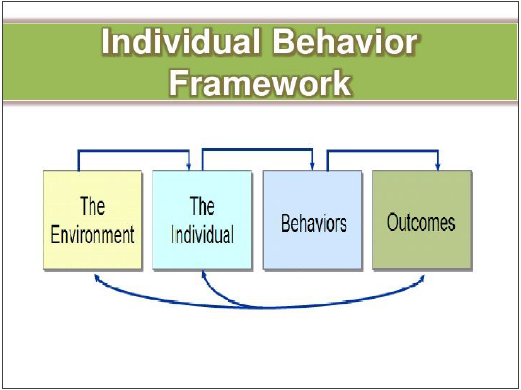
To get a brief idea about the individual behavior let us learn about the individual behavior framework and other key elements related to it.

Individual Behavior Framework

On the basis of these elements, psychologist Kurt Lewin stated the Field theory and outlined the behavior framework. This psychological theory studies the patterns of interaction between an individual and the environment. The theory is expressed using the formula

B = F(P,E)

where, B – Behavior, F – Behavior Function, P – Person, and E – Environment around the person.

Say for example, a well payed person who loses his job in recession may behave differently when unemployed.

Causes of Individual Behavior

Certain individual characteristics are responsible for the way a person behaves in daily life situations as well as reacts to any emergency situations. These characteristics are categorized as −

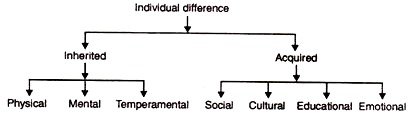
  • Inherited characteristics
  • Learned characteristics
  1. Inherited Characteristics

The features individuals acquire from their parents or from our forefathers are the inherited characteristics. In other words, the gifted features an individual possesses by birth is considered as inherited characteristics.

Following features are considered as inherited characteristics:

  • Color of a person’s eye
  • Religion/Race of a person
  • Shape of the nose
  • Shape of earlobes
  1. Learned Characteristics

Nobody learns everything by birth. First our school is our home, then our society followed by our educational institutions. The characteristics an individual acquires by observing, practicing and learning from others and the surroundings is known as learned characteristics.

It consists of the following features:

  • Perception: Result of different senses like feeling, hearing etc.
  • Values: Influences perception of a situation, decision making process.
  • Personality: Patterns of thinking, feeling, understanding and behaving.
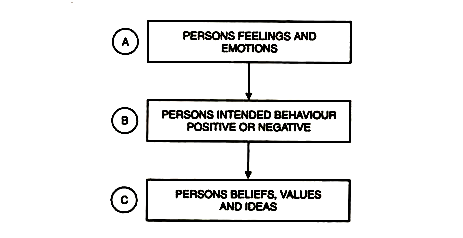
  • Attitude: Positive or negative attitude like expressing one’s thought.

From Latin “Humanitas”, the concept of Man means human nature, general culture of the mind. It is also “men” in general, the human race taken as a unit. Most philosophers defined as any human being endowed with reason. What man is the ultimate metaphysical question.

Definitions of man by the Philosophers

Simone de Beauvoir:

“Humanity is a discontinuous series of free men permanently isolate their subjectivity. ”

Husserl (phenomenology):

“Each figure is spiritual in nature in the space of world history. This trial shows humanity as a single life kissing men and peoples and linked only by spiritual traits: it envelops a multitude of types of humanity and culture, but by imperceptible transitions, melt into each other. ”

Nietzsche (see Nietzsche Philosophy Summary):

“Mankind! He was never between all the old, old one more horrible (except perhaps the truth is a problem with the use of philosophers?”

“Man is a rope stretched between the animal and the Superman, a rope over an abyss”

Merleau-Ponty:

“Man is a historical idea and not a natural kind”

Sartre (Existentialism is a humanism):

“Man is nothing else than his plan, it exists only insofar as it is realized, so it is nothing but the whole ”

Heidegger (Being and Time)L

“Man is a creature of the distant”

Pascal:

“Man is a reed, the weakest of nature, but it is a thinking reed. It is not necessary that the entire universe arm itself to crush: a vapor, a drop of water suffices to kill him. But when the universe to crush him, man would still be nobler than what kills him, because he knows that he dies and the advantage that the universe has over him The universe knows nothing “

Individual Differences and Factors affecting Individual Differences

Dissimilarity is principle of nature. No two persons are alike. All the individuals differ from each other in many a respects. Children born of the same parents and even the-twins are not alike. This differential psychology is linked with the study of individual differences. Wundt, Cattel, Kraepelin, Jastrow and Ebbing Haus are the exponents of differential psychology.

This change is seen in physical forms like in height, weight, colour, complexion strength etc., difference in intelligence, achievement, interest, attitude, aptitude, learning habits, motor abilities, skill. Each man has an intellectual capacity through which he gains experience and learning.

Every person has the emotions of love, anger, fear and feelings of pleasure and pain. Every man has the need of independence, success and need for acceptance.

Broadly individual difference may be classified into two categories such as inherited traits and acquired traits:

Factors affecting Individual Differences

There are various causes which are responsible in bringing individual differences.

They are narrated below:

  1. Heredity

Some heretical traits bring a change from one individual to other. An individual’s height, size, shape and color of hair, shape of face, nose, hands and legs so to say the entire structure of the body is determined by his heretical qualities. Intellectual differences are also to a great extent influenced by hereditary factor.

  1. Environment

Environment brings individual differences in behaviour, activities, attitude, and style of life characteristics. Personality etc. Environment does not refer only physical surroundings but also it refers the different types of people, society, their culture, customs, traditions, social heritage, ideas and ideals.

  1. Race and Nationality

Race and Nationality is one cause of individual difference. Indians are very peace loving, Chinese are cruel; Americans are very frank due to race and nationality.

  1. Sex

Due to sex variation one individual differs from other. Men are strong in mental power. On the other hand women on the average show small superiority over men in memory, language and aesthetic sense. Women excel the men in shouldering social responsibilities and have a better control over their emotions.

  1. Age

Age is another factor which is responsible in bringing individual differences. Learning ability and adjustment capacity naturally grow with age. When one grows in age can acquire better control over our emotions and better social responsibilities. When a child grows then this maturity and development goes side by side.

  1. Education

Education is one major factor which brings individual differences. There is a wide gap in the behaviors of educated and uneducated persons. All traits of human beings like social, emotional and intellectual are controlled and modifies through proper education.

This education brings a change in our attitude, behaviour, appreciations, Personality. It is seen that uneducated persons are guided by their instinct and emotions where as the educated persons are guided by their reasoning power.

Educational Implications of Individual Differences

Educational implications of Individual differences are listed below:

(i) Aims of education, curriculum, method of teaching should be linked with individual differences considering the different abilities and traits individual.

(ii) Curriculum should be designed as per the interest, abilities and needs of different students.

(iii) The teacher has to adopt different types of methods of teaching considering individual difference related to interest, need, etc.

(iv) Some co-curricular activities such as Drama, music, literary activities (Essay & Debate Competition) should be assigned to children according to their interest.

(v) Teacher uses certain specific teaching aids which will attract the children towards teaching considering their interest and need.

(vi) Various methods such as playing method, project method, Montessori method, story telling methods are to be used considering/discovering how different children respond to a task or a problem.

(vii) The division of pupils into classes should not be based only on the mental age or chronological age of children but the physical, social and emotional maturity should be given due consideration.

(viii) In case of vocational guidance the counselor is to plan the guidance technique keeping in view the needs and requirements of the students.

Influence of Environment

Since the earliest times, humans have needed to be sensitive to their surroundings to survive, which means that we have an innate awareness of our environment and seek out environments with certain qualities.

First of all, humans have a strong need for safety and security and look for those attributes in their environment. We also look for physical comfort, such as an environment with the right temperature. In addition, we seek an environment that is psychologically comfortable: for example, environments that are familiar, but offer the right amount of stimulus.

Retailers and the hospitality industry know this very well and try to provide an atmosphere that creates a positive customer experience and offers three important attributes: comfort, safety, and entertainment. These attributes are equally important in healthcare as well.

How the environment can impact you?

Below are just a few examples of how the environment can impact you.

  1. The environment can facilitate or discourage interactions among people (and the subsequent benefits of social support). For example, an inviting space with comfortable chairs and privacy can encourage a family to stay and visit with a patient.
  2. The environment can influence peoples’ behavior and motivation to act. For example, a dingy corridor filled with extra hospital equipment will invite staff to leave another item in the hall, whereas a clean corridor and adequate storage will encourage staff to take the time to put the item away.
  3. The environment can influence mood. For example, the results of several research studies reveal that rooms with bright light, both natural and artificial, can improve health outcomes such as depression, agitation, and sleep.

What about stress?

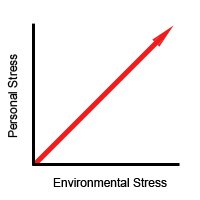
Perhaps most importantly for health, the environment can create or reduce stress, which in turn impacts our bodies in multiple ways. This is because our brain and our nervous, endocrine, and immune systems are constantly interacting. As neuroscientist Candice Pert puts it, “What you are thinking at any moment is changing your biochemistry.”

Thus, the stress of a noisy, confusing hospital room might result in a patient not only feeling worried, sad, or helpless, but experiencing higher blood pressure, heart rate, and muscle tension. In addition, hormones released in response to the emotional stress could suppress the patient’s immune system, causing his wounds to heal more slowly.

Stress is an important medical consideration, and creating an environment that reduces stress is a key piece of improving health outcomes.

Personality: Determinants of Personality

The term ‘personality’ is derived from the Latin word ‘persona’ which means a mask. According to K. Young, “Personality is a …. patterned body of habits, traits, attitudes and ideas of an individual, as these are organised externally into roles and statuses, and as they relate internally to motivation, goals, and various aspects of selfhood.” G. W. Allport defined it as “a person’s pattern of habits, attitudes, and traits which determine his adjustment to his environment.”

According to Robert E. Park and Earnest W. Burgess, personality is “the sum and organization of those traits which determine the role of the individual in the group.” Herbert A. Bloch defined it as “the characteristic organization of the individual’s habits, attitudes, values, emotional characteristics……. which imparts consistency to the behaviour of the individual.” According to Arnold W. Green, “personality is the sum of a person’s values (the objects of his striving, such as ideas, prestige, power and sex) plus his non- physical traits (his habitual ways of acting and reacting).” According to Linton, personality embraces the total “organized aggregate of psychological processes and status pertaining to the individual.”

According to Anderson and Parker, “Personality is the totality of habits, attitudes, and traits that result from socialization and characterizes us in our relationships with others.” According to N.L. Munn, “Personality may be defined as the most characteristic integration of an individual’s structure modes of behaviour, interests, attitudes, capacities, abilities and aptitudes.” According to Morton Prince, “Personality is the sum total of all the biological innate dispositions, impulses tendencies and instincts of the individual, and the acquired disposition and tendencies acquired by experience.” According to Young, “Personality is the totality of behaviour of an individual with a given tendency system interacting with a sequence of situations.”

Lawrence A. Pewin has given a working definition of personality in these words, “Personality represents those structural and dynamic properties of an individual or individuals as they reflect themselves in characteristic responses to situations.”

Personality Determinants

Personality is not determined by a single factor, but by an accumulation of many factors. Some of those factors are psychological, while others are physical, biological, and hereditary. I have compiled some of the most influential factors when it comes to determinants of personality.

  1. Heredity

Heredity refers to those factors that were determined at conception.

Physical stature, facial attractiveness, sex, temperament, muscle composition and reflexes, energy level, and biological rhythms are characteristics that are considered to be inherent from one’s parents. The heredity approach argues that the ultimate explanation of an individual’s personality is the molecular structure of the genes, located in the chromosomes.

Research on animals has showed that both physical and psychological characteristics can be transmitted through heredity. But research on human beings is in adequate to support this view point. However, psychologists and geneticists have accepted the fact that heredity plays an important role in one’s personality.

  1. Brain

The second biological approach is to concentrate on the role that the brain plays in personality. Though researchers make some promising inroads, the psychologists are unable to prove empirically the contribution of human brain in influencing personality. The most recent and exciting possibilities come from the work done with electrical stimulation of the brain (ESB) and split-brain psychology.

Preliminary results from the electrical stimulation of the brain (ESB) research give indication that better understanding of human personality and behaviour might come from the study of the brain. Work with ESB on human subjects is just beginning.

There seem to be definite pleasurable and painful areas in the human brain. This being true, it may be possible physically to manipulate personality through ESB.

  1. Biofeedback

Until recently, physiologists and psychologists felt that certain biological functions such as brainwave patterns, gastric secretions, and fluctuations in blood pressure and skin temperature were beyond conscious control. Now some scientists believe that these involuntary functions can be consciously controlled through biofeedback. In BFT the individual learns the internal rhythm of a particular body process through electronic signals feedback from equipment that is wired to the body area. From this biofeedback the person can learn to control the body processing question. More research is needed on biofeedback before any definitive conclusions can be drawn. But its potential impact could be extremely interesting for the future.

  1. Physical features

A vital ingredient of the personality, an individual’s external appearance, is biologically determined. The fact that a person is tall or short, fat or skinny, black or white will influence the person’s effect on others and this in turn, will affect the self-concept. Practically all would agree that physical characteristics have at least some influence on the personality. According to Paul H Mussen “a child’s physical characteristics may be related to his approach to the social environment, to the expectancies of others, and to their reactions to him. These, inturn, may have impacts on personality development”.

Personality Trait Theory, Concept, Theories, Features, Types, Advantages and Limitations

Personality Traits Theory explains personality in terms of specific characteristics or traits that remain relatively stable over time and influence an individual’s behavior across different situations. According to this theory, personality is not random but consists of identifiable and measurable traits such as honesty, emotional stability, extroversion, openness, and conscientiousness. These traits help predict how a person will behave in a workplace.

The theory suggests that individuals differ from each other because they possess different combinations and levels of traits. For example, some employees may be highly organized and disciplined, while others may be more flexible and creative. These differences affect job performance, leadership style, communication, and teamwork in organizations.

One of the most widely accepted approaches within trait theory is the “Big Five Personality Traits” model, which includes openness to experience, conscientiousness, extraversion, agreeableness, and neuroticism. These traits are used by organizations to understand employee behavior and improve recruitment, selection, and training processes.

Key Concepts of Trait Theory

  • Traits as Stable Characteristics

Traits are defined as habitual patterns of behavior, thought, and emotion that remain relatively consistent throughout life. Trait theory suggests that while individuals may change in certain ways due to life experiences, the core traits remain stable. For example, an extroverted person is likely to continue being sociable, assertive, and energetic throughout their life, regardless of specific circumstances.

  • Trait Continuum

Traits exist on a continuum, meaning individuals are not simply one thing or another (e.g., introverted or extroverted), but rather fall somewhere along a spectrum. For example, some people may be highly extroverted, while others may exhibit moderate levels of extroversion, and still, others may be strongly introverted. This allows trait theory to account for the complexity of human behavior and the variations in personality between individuals.

  • Individual Differences

Trait theory places a strong emphasis on individual differences. It argues that personality differences between people are the result of variations in the levels of traits they possess. Since these traits can be measured, trait theory has inspired various psychological assessments designed to evaluate where individuals fall on specific traits.

  • Origins of Traits

Trait theorists are interested in the origins of personality traits. Many theorists suggest that traits are partly biological and are influenced by genetic factors. Twin and adoption studies, for example, have shown that identical twins raised apart often exhibit similar traits, lending support to the idea that traits are partly hereditary. However, environmental factors, such as upbringing and culture, are also believed to play a role in shaping certain traits.

Features of Trait Leadership Theory

  • Focus on Inborn Qualities

Trait Leadership Theory emphasizes that leadership qualities are largely inherent. It suggests that leaders are born with special traits like confidence, charisma, and intelligence, which set them apart from non-leaders. According to this perspective, not everyone can become a leader through training or experience. Instead, leadership is seen as a natural gift possessed by certain individuals. This feature distinguishes the theory from behavioral or situational approaches, which highlight acquired skills and learned practices.

  • Identification of Universal Traits

The theory is based on the idea that certain universal traits make individuals effective leaders regardless of time, culture, or situation. These traits may include decisiveness, honesty, integrity, responsibility, and communication skills. Researchers attempted to create a fixed list of such characteristics that could predict leadership success. Although later studies found variations, this focus on universal attributes was one of the earliest systematic attempts to study leadership scientifically. It provided a strong foundation for leadership research.

  • Leader-Centered Approach

This theory adopts a leader-centric perspective, focusing on the personality of the leader rather than the behavior of followers or the surrounding situation. It assumes that the presence or absence of specific traits in individuals directly determines leadership potential. As a result, leadership effectiveness is explained by personal attributes rather than environmental or contextual factors. This feature highlights the individuality of leaders and reinforces the idea that leadership is about “who they are.”

  • Predictive in Nature

One of the important features of Trait Leadership Theory is its predictive value. By identifying essential traits, it aims to predict who is likely to become a successful leader. For example, a person possessing confidence, decision-making ability, and effective communication is predicted to perform better as a leader. Organizations often use this approach in selection and recruitment processes to assess potential leaders. Despite some limitations, the predictive aspect remains a practical application of this theory.

  • Emphasis on Personality and Character

Trait Theory strongly emphasizes personal qualities such as honesty, emotional stability, courage, and determination. These traits are considered central to building trust, inspiring followers, and handling responsibilities. The theory views leadership as a reflection of one’s personality and moral character. This focus made organizations and scholars pay closer attention to leadership traits in areas like politics, military, and business. It highlights the belief that leadership is not just functional but deeply personal and moral.

  • Independent of Situational Context

Unlike contingency or situational theories, Trait Leadership Theory assumes that traits alone determine leadership success, independent of context. It suggests that a person with the right traits can lead effectively in any situation, whether in business, politics, or military. This universal application simplifies leadership understanding but also draws criticism for ignoring environmental and follower-related factors. Still, the theory’s simplicity makes it attractive in identifying leadership qualities without analyzing situational complexities in depth.

  • Provides Basis for Leadership Development

Although Trait Theory emphasizes inborn qualities, it also indirectly supports leadership development programs. Organizations use the identified traits as benchmarks to evaluate, select, and train potential leaders. For example, traits like communication or confidence can be enhanced through practice and training. Thus, even if the theory stresses natural abilities, it provides a framework for recognizing essential traits that can guide leadership grooming. This feature makes it relevant in modern recruitment, promotion, and training processes.

  • Historical and Foundational Importance

Trait Leadership Theory is one of the earliest systematic approaches to studying leadership, giving it historical significance. It laid the foundation for later theories by shifting focus from mystical or divine views of leadership to scientific and psychological analysis. Although criticized for its limitations, it opened the path for leadership research in management, psychology, and sociology. Its foundational role continues to influence modern theories, making it an important milestone in the evolution of leadership studies.

Types of Personality Traits Theory

1. Cardinal Traits

Cardinal traits are the most dominant and influential personality traits that shape almost every aspect of an individual’s life. These traits are so powerful that they define the entire personality structure of a person. When a cardinal trait is present, it becomes the central identity of the individual and influences their thoughts, emotions, behaviour, decision-making, and interactions in all situations.

In simple terms, a cardinal trait is a “master trait” that dominates all other personality characteristics. It is so strong that a person is often recognized, remembered, or described entirely through this trait. For example, a person may be known for extreme honesty, strong ambition, exceptional leadership, or deep compassion. These traits influence all actions and decisions consistently.

Cardinal traits are rare in nature. Not every individual develops such a strong dominating trait. Only a few people in society exhibit such intense personality characteristics that shape their entire life and legacy. These traits are usually seen in historical leaders, reformers, or highly influential personalities.

Examples of Cardinal Traits

Cardinal traits are often found in extraordinary personalities:

  • Extreme honesty
  • Strong ambition
  • Deep compassion
  • Leadership dominance
  • Religious devotion
  • Revolutionary thinking

For example, Mahatma Gandhi is widely associated with non-violence as a cardinal trait. This trait defined his personality, leadership style, and actions throughout his life.

Characteristics of Cardinal Traits

  • Highly Dominant Nature

Cardinal traits are extremely dominant personality traits that influence almost every aspect of an individual’s behavior. They override all other traits and become the central force guiding thoughts, emotions, and actions. A person with a cardinal trait consistently behaves according to it in different situations. This dominance makes the trait easily noticeable and strongly linked to the individual’s identity in both personal and organizational life.

  • Rare in Individuals

Cardinal traits are very rare and are not commonly found in most individuals. Only a few people develop such strong and overpowering traits that define their entire personality. Most individuals have central and secondary traits instead. Because of their rarity, cardinal traits are often associated with extraordinary personalities, leaders, or historical figures who have had a strong influence on society or organizations.

  • Life-Defining Influence

Cardinal traits have a life-defining impact on individuals. They influence major life decisions such as career choice, relationships, behavior patterns, and goals. A person’s actions are consistently shaped by this dominant trait. For example, strong ambition may drive continuous achievement, while extreme honesty may guide ethical decision-making. This trait becomes the guiding principle of life and shapes overall personality development and direction.

  • Long-Term Stability

Cardinal traits remain stable throughout an individual’s life and do not change easily with time or environment. They are deeply rooted in personality and tend to persist across different situations. Even when circumstances change, the influence of the cardinal trait remains strong. This stability makes the trait reliable for understanding long-term behavior patterns and predicting how a person is likely to act in various situations.

  • Identity Defining Nature

A cardinal trait becomes the defining identity of a person. Individuals are often recognized and remembered by this dominant characteristic. For example, a person known for honesty will be identified as an honest individual in all contexts. This identity-defining nature makes cardinal traits highly influential in shaping reputation, personality perception, and social recognition in both organizational and societal environments.

  • Strong Behavioral Influence

Cardinal traits strongly influence how a person behaves in everyday situations. They affect decision-making, emotional responses, and interpersonal relationships. Because of their powerful nature, individuals consistently act in ways aligned with the trait. This strong behavioral control makes the trait highly predictable and helps others understand and anticipate the individual’s actions in organizational settings.

  • Emotional and Psychological Depth

Cardinal traits are deeply rooted in an individual’s emotional and psychological makeup. They are not superficial behaviors but core internal characteristics. These traits influence thinking patterns, value systems, and personal beliefs. Because of this deep psychological connection, they are difficult to change and remain a central part of personality throughout life, shaping both personal and professional behavior.

  • Influence on Social and Organizational Role

Cardinal traits significantly affect an individual’s role in society and organizations. In workplaces, individuals with strong cardinal traits often become influential leaders or role models. Their behavior sets standards for others and can shape organizational culture. For example, a leader with strong integrity may promote ethical practices, while a highly ambitious leader may drive organizational growth and competitiveness.

Cardinal Traits in Organizational Behaviour

  • Influence on Leadership Behaviour

Cardinal traits play a major role in shaping leadership behaviour in organizations. Leaders with dominant traits such as integrity, ambition, or compassion strongly influence how they manage teams and make decisions. Their personality becomes the foundation of their leadership style. For example, an honest leader promotes ethical behaviour across the organization, while an ambitious leader focuses on achieving high performance targets and growth.

  • Impact on Organizational Culture

Cardinal traits of leaders and key employees significantly influence organizational culture. Employees often observe and follow the dominant behavioural patterns of leaders. If a leader has a cardinal trait of discipline, the organization may develop a disciplined work environment. Similarly, a compassionate leader may create a supportive and employee-friendly culture. Thus, cardinal traits help shape values, norms, and working style within the organization.

  • Decision-Making Influence

In Organizational Behaviour, cardinal traits strongly affect decision-making processes. Individuals tend to make decisions based on their dominant personality trait. For example, a highly ethical manager will always prioritize fairness and honesty, while a highly ambitious manager may focus on rapid growth and expansion. This trait-driven decision-making influences organizational strategies and long-term planning.

  • Employee Motivation and Inspiration

Employees are often motivated and inspired by individuals who possess strong cardinal traits. Such individuals act as role models within the organization. Their behavior encourages others to adopt similar values and work ethics. For example, a leader with strong dedication and discipline can motivate employees to improve performance and commitment toward organizational goals.

  • Workplace Behaviour Consistency

Cardinal traits ensure consistency in workplace behaviour. Employees or leaders with strong dominant traits behave in a predictable manner across different situations. This consistency helps organizations understand and anticipate their actions. For example, a highly responsible employee will consistently complete tasks on time regardless of workload or pressure.

  • Role in Employee Perception

Cardinal traits shape how employees are perceived in the organization. Individuals are often identified based on their dominant traits. For example, an employee known for honesty will be trusted more in sensitive roles. Similarly, a highly ambitious employee may be seen as a potential leader. This perception influences job assignments and career growth opportunities.

  • Influence on Organizational Performance

Cardinal traits can positively or negatively affect organizational performance. Positive traits like integrity, leadership, and ambition improve productivity, efficiency, and teamwork. However, if a negative trait dominates, such as excessive dominance or rigidity, it may create conflict or reduce flexibility in decision-making. Therefore, the nature of the cardinal trait is crucial for organizational success.

  • Role in HR Practices

Human Resource Management uses personality understanding, including cardinal traits, for recruitment and selection of top-level positions. While cardinal traits are rare, identifying strong personality characteristics helps in leadership development and succession planning. Organizations prefer candidates whose dominant traits align with organizational values and long-term goals.

2. Central Traits

Central traits are the general and most common personality characteristics that form the basic foundation of an individual’s personality. These traits are less dominant than cardinal traits but are widely present in most individuals and remain relatively stable over time. Central traits describe how a person usually behaves in everyday situations and help others form a clear impression of that individual’s personality.

Central traits act as the core building blocks of personality. They do not completely dominate behaviour but strongly influence how a person responds in most situations. Examples include honesty, friendliness, intelligence, cooperation, reliability, and responsibility. These traits are very important in understanding employee behaviour in Organizational Behaviour.

Characteristics of Central Traits

  • General Nature of Behaviour

Central traits are general personality characteristics that describe how an individual usually behaves in most situations. They are not extreme or rare but commonly observed in everyday workplace behaviour. Traits such as honesty, friendliness, and responsibility fall under this category. They help managers form a basic understanding of employee personality and predict routine behaviour in organizational settings effectively.

  • Moderate Influence on Personality

Central traits have a moderate level of influence on an individual’s personality. They are stronger than secondary traits but not as dominant as cardinal traits. They guide behaviour in many situations but do not completely control actions. This balanced influence makes them useful for understanding employee conduct without being overly rigid or extreme in interpretation.

  • Stability Over Time

Central traits are relatively stable and consistent over time. Employees who possess traits like dependability or cooperation tend to show similar behaviour in different situations. Although minor variations may occur, the overall pattern remains steady. This stability helps organizations rely on central traits for predicting long-term employee behaviour and ensuring consistency in workplace performance.

  • Common in Most Individuals

Central traits are widely found in almost all individuals, making them a common part of personality structure. Every employee possesses a combination of such traits in varying degrees. This universality makes them useful in Organizational Behaviour because managers can easily compare and evaluate employees based on shared behavioural characteristics present in the workplace.

  • Basis for Behavioural Understanding

Central traits form the foundation for understanding human behaviour in organizations. They help managers interpret how employees will likely act in routine work conditions. For example, a cooperative employee is expected to support teamwork, while an intelligent employee contributes to problem-solving. This makes central traits essential for behavioural analysis and HR decision-making.

  • Influence on Job Performance

Central traits directly affect employee job performance. Traits such as responsibility, intelligence, and discipline improve efficiency and work output. Employees with strong positive central traits are more likely to meet deadlines and maintain quality standards. This makes central traits an important factor in performance evaluation and job success within organizations.

  • Role in Teamwork and Relationships

Central traits significantly impact teamwork and workplace relationships. Traits like friendliness, cooperation, and trust help employees work effectively in groups. Such employees reduce conflicts and improve communication within teams. This leads to better coordination, higher morale, and improved organizational productivity through stronger interpersonal relationships.

  • Importance in HR Practices

Central traits are widely used in human resource practices such as recruitment, selection, and performance appraisal. Organizations look for candidates with positive central traits to ensure better job fit and long-term success. These traits help managers assign suitable roles and design training programs that enhance employee development and organizational efficiency.

Central Traits in Organizational Behaviour

  • Influence on Work Behaviour

Central traits strongly influence how employees behave in routine work situations. Traits such as honesty, responsibility, cooperation, and intelligence guide employee actions and responses. For example, a responsible employee completes tasks on time, while a cooperative employee works well in teams. These traits help organizations predict employee behaviour in most workplace situations and improve overall productivity and coordination.

  • Basis for Job Performance

Central traits act as an important basis for evaluating employee job performance. Employees with positive central traits tend to perform better because they are reliable, disciplined, and cooperative. These traits help in achieving organizational goals effectively. Managers use them to assess whether an employee is suitable for a particular job role, improving efficiency and performance standards within the organization.

  • Role in Teamwork and Cooperation

Central traits play a key role in promoting teamwork and cooperation among employees. Traits such as friendliness, trustworthiness, and helpfulness improve interpersonal relationships in the workplace. Employees with strong central traits are more likely to support their colleagues and work collaboratively. This improves group performance, reduces conflict, and creates a healthy working environment within the organization.

  • Importance in Recruitment and Selection

Organizations use central traits during recruitment and selection processes to identify suitable candidates. Traits like honesty, intelligence, and dependability are highly valued when hiring employees. These traits help organizations select individuals who can adapt well to the work environment and perform consistently. This improves job-person fit and reduces employee turnover in the long run.

  • Stability of Behaviour

Central traits provide a relatively stable pattern of behaviour in employees. Although not as dominant as cardinal traits, they remain consistent over time and across situations. This stability helps managers understand and predict employee behaviour in different organizational contexts. It also supports long-term planning and effective workforce management.

  • Impact on Organizational Culture

Central traits contribute to shaping a positive organizational culture. When employees collectively show traits such as cooperation, honesty, and responsibility, the workplace becomes more disciplined and productive. These traits help build trust and improve communication within the organization, leading to a more supportive and efficient working environment.

  • Support for Managerial Decision-Making

Central traits assist managers in making better decisions related to employee management. By understanding employee traits, managers can assign suitable roles, design training programs, and evaluate performance effectively. This leads to improved productivity, better employee satisfaction, and overall organizational success.

3. Secondary Traits

Secondary traits are the least influential and least consistent personality characteristics that appear only in specific situations. These traits do not form the core of personality and are not stable over time. Instead, they are situation-specific and may change depending on mood, environment, or circumstances. Secondary traits are often related to preferences, attitudes, emotional reactions, and temporary behavioural tendencies.

In Organizational Behaviour, secondary traits help explain why employees behave differently in different situations. For example, an employee may be confident in routine tasks but nervous during presentations, or may prefer teamwork in one project but independent work in another. These variations are explained through secondary traits.

Features of Secondary Traits

  • Situation-Specific Nature

Secondary traits are highly situation-specific and appear only in particular circumstances. They do not represent the overall personality of an individual but are triggered by specific environments or conditions. For example, an employee may feel nervous only during presentations but remain confident in routine tasks. This makes secondary traits useful for understanding behavioural variations in different workplace situations.

  • Low Consistency

Secondary traits are not consistent across time or situations. An individual may show a certain behaviour in one situation and behave completely differently in another. This inconsistency makes them unreliable for predicting long-term personality. For instance, an employee may enjoy teamwork in one project but prefer individual work in another depending on task type and mood.

  • Temporary Behavioural Expression

Secondary traits reflect temporary behavioural responses rather than permanent personality characteristics. They are often influenced by mood, stress, or external conditions. For example, anxiety before a meeting or excitement during a creative task represents temporary behaviour. These traits disappear once the situation changes, making them less stable than central or cardinal traits.

  • Low Predictive Power

Secondary traits have very low predictive power in Organizational Behaviour. They cannot be used to forecast long-term employee behaviour or performance. Since they change frequently based on situation, they are not reliable indicators for recruitment or major HR decisions. They only help in understanding short-term reactions and immediate responses of employees.

  • Influence of External Environment

These traits are highly influenced by external factors such as workplace environment, peer behaviour, leadership style, and organizational culture. A supportive environment may reduce anxiety, while a stressful environment may increase nervousness. This dependency shows that secondary traits are not purely internal but shaped by situational conditions.

  • Reflects Preferences and Attitudes

Secondary traits often represent personal preferences, likes, dislikes, and temporary attitudes. For example, an employee may prefer working in quiet environments or may temporarily dislike a specific task. These preferences do not define personality but influence behaviour in specific contexts.

  • Variation Among Situations

An individual may show different secondary traits in different situations. The same employee may be confident in familiar tasks but anxious in new or challenging tasks. This variation makes secondary traits useful for understanding behavioural flexibility but difficult for general personality assessment.

  • Limited Role in Organizational Decisions

Secondary traits have limited use in major organizational decisions such as recruitment, promotion, or performance evaluation. However, they are helpful in task assignment, training, and employee support. Managers use them to understand emotional responses and improve employee comfort in specific roles.

Secondary Traits in Organizational Behaviour

  • Situation-Based Behaviour

Secondary traits are highly dependent on situations. Employee behaviour changes according to the environment, task type, or pressure level. This means the same individual may show different behaviour in different workplace conditions. For example, an employee may perform well under normal workload but struggle under tight deadlines. This situation-based nature makes secondary traits important for understanding behavioural flexibility.

  • Temporary Nature of Behaviour

In Organizational Behaviour, secondary traits represent temporary behavioural expressions rather than stable personality characteristics. These behaviours may appear due to stress, excitement, fear, or external influence. Once the situation changes, the behaviour usually disappears. For example, nervousness during a presentation is temporary and does not define the overall personality of the employee.

  • Influence on Work Performance

Secondary traits can directly influence employee performance in specific situations. For instance, an employee may perform excellently in familiar tasks but may underperform in unfamiliar or high-pressure situations. These traits help managers understand performance fluctuations and identify areas where employees may need support or training.

  • Role in Employee Behavioural Variation

One of the key contributions of secondary traits is explaining behavioural differences in employees. Even employees with similar skills and experience may behave differently in the same situation due to secondary traits. This helps managers understand that not all behaviour is predictable based on core personality traits alone.

  • Impact of Work Environment

Secondary traits are strongly influenced by the organizational environment. A supportive and positive workplace may reduce negative behaviours like anxiety or stress, while a competitive or stressful environment may increase such behaviours. Leadership style, team dynamics, and organizational culture all affect how secondary traits are expressed.

  • Limited Use in HR Decisions

In Organizational Behaviour, secondary traits are not widely used for major HR decisions like recruitment or promotion because they are unstable and inconsistent. However, they are useful in training, employee development, and task assignment. Managers use them to understand employee comfort levels and improve workplace performance.

  • Importance in Understanding Employee Psychology

Secondary traits help managers understand the psychological and emotional aspects of employee behaviour. They reveal how employees react under pressure, change, or uncertainty. This understanding helps in creating better work environments and improving employee satisfaction and productivity.

4. Big Five Personality Traits Model

The Big Five Personality Traits Model is the most widely accepted and scientifically validated framework for understanding personality. It explains personality through five broad dimensions that describe human behaviour across cultures and situations. Unlike earlier trait theories, the Big Five model provides a structured and measurable approach to personality analysis.

The five traits are:

  • Openness to Experience
  • Conscientiousness
  • Extraversion
  • Agreeableness
  • Neuroticism (Emotional Stability)

Every individual possesses all five traits in varying degrees, and the combination of these traits defines personality.

  • Openness to Experience

Openness refers to creativity, imagination, curiosity, and willingness to accept new ideas. High openness individuals are innovative, flexible, and open-minded. Low openness individuals prefer routine, tradition, and familiar methods.

In organizations, openness is important for creativity, innovation, and adaptability.

  • Conscientiousness

Conscientiousness reflects discipline, responsibility, organization, and reliability. Highly conscientious employees are hardworking, punctual, and goal-oriented.

This trait is the strongest predictor of job performance in most organizations.

  • Extraversion

Extraversion refers to sociability, confidence, and outgoing behaviour. Extroverts perform well in communication, leadership, and sales roles. Introverts prefer independent and analytical tasks.

  • Agreeableness

Agreeableness reflects kindness, cooperation, trust, and teamwork. Highly agreeable individuals maintain positive relationships and work effectively in groups.

  • Neuroticism (Emotional Stability)

Neuroticism refers to emotional control and stress management. Emotionally stable individuals remain calm under pressure, while high neurotic individuals experience anxiety and stress.

Big Five in Organizational Behaviour

The Big Five model is widely used in:

  • Recruitment and selection
  • Leadership development
  • Performance appraisal
  • Team building
  • Career planning

It helps organizations predict employee behaviour more accurately than traditional trait theories.

Advantages of Trait Leadership Theory

  • Simple and Easy to Understand

One major advantage of Trait Leadership Theory is its simplicity. It clearly states that effective leaders possess certain personal qualities that distinguish them from others. This makes it easy for individuals and organizations to understand the basis of leadership without complex models or frameworks. Its straightforward nature allows managers, students, and researchers to grasp leadership concepts quickly, making it one of the most accessible and widely discussed theories in management and leadership studies.

  • Provides a Basis for Leader Identification

Trait theory helps in identifying potential leaders by highlighting the key traits necessary for effective leadership. Organizations can assess qualities like confidence, communication skills, honesty, and decision-making ability when selecting managers or executives. This predictive ability is highly useful in recruitment and promotion decisions. By focusing on observable personal traits, companies can identify candidates likely to succeed in leadership roles, thereby reducing risks in managerial appointments and improving the chances of organizational success.

  • Useful for Leadership Development

Even though the theory emphasizes inborn qualities, it indirectly provides a framework for leadership development. By identifying desired traits, organizations can design training programs to enhance qualities like confidence, emotional intelligence, or communication skills. This enables individuals to grow into leadership roles. The theory also encourages self-assessment, where aspiring leaders analyze their strengths and weaknesses. Thus, it not only helps in identifying leaders but also plays a role in grooming and developing future leadership talent.

  • Highlights Importance of Personal Qualities

Trait Leadership Theory emphasizes the role of personal characteristics like honesty, integrity, determination, and intelligence. This focus draws attention to the moral and ethical dimensions of leadership, encouraging organizations to value character as much as competence. It suggests that leadership is not just about authority but about inspiring trust and respect. By stressing the significance of these qualities, the theory ensures that leadership selection considers personality and character, promoting healthier and more effective organizational cultures.

  • Provides Historical Significance

Trait theory holds great historical importance as one of the earliest systematic studies of leadership. It shifted the perception of leadership from divine or mystical powers to psychological and measurable traits. This scientific approach paved the way for modern leadership theories and research. Even though later models built upon and refined its ideas, the theory remains foundational. Its historical relevance makes it essential for understanding the evolution of leadership thought and its influence on modern management practices.

  • Offers a Predictive Framework

Trait theory provides a predictive framework for leadership effectiveness. By identifying essential traits, it allows managers and organizations to forecast who may succeed in leadership roles. For example, individuals displaying decisiveness, adaptability, and confidence are more likely to perform well as leaders. This predictive value makes it practical in real-world scenarios, such as succession planning, talent management, and leadership assessment. Organizations can thus use trait-based evaluations to anticipate future leadership success and ensure continuity in management.

  • Encourages Research and Exploration

Another key advantage is that Trait Leadership Theory encouraged extensive research into leadership qualities. Scholars conducted numerous studies to identify which traits correlate with leadership success, leading to the development of psychology-based assessments and personality tests. This ongoing exploration has enriched the field of management and organizational behavior. While findings vary, the focus on traits sparked debates, innovations, and deeper insights into leadership. Thus, the theory not only influenced practice but also contributed significantly to academic development.

  • Practical Application in Organizations

Trait theory has practical applications in business, politics, military, and education. Many organizations still use trait-based models for leadership evaluation, recruitment, and succession planning. Tools like personality assessments, leadership inventories, and psychometric tests are rooted in trait theory. By offering a clear checklist of desirable traits, the theory helps organizations align leadership qualities with their culture and goals. Its continued relevance in modern HR practices demonstrates its practical utility despite theoretical limitations and criticisms.

Limitations of Trait Leadership Theory

  • Ignores Situational Factors

One major limitation of Trait Leadership Theory is that it does not consider the influence of situations. Leadership success often depends on context—what works in one environment may fail in another. For example, traits like strict discipline may be effective in the military but less useful in creative industries. By focusing only on inborn traits, the theory overlooks how external circumstances, organizational culture, and follower behavior significantly shape leadership effectiveness.

  • Lack of Universal Traits

The theory assumes the existence of universal traits that define all great leaders, but research shows no single set of traits applies in every situation. Some successful leaders are introverted, while others are extroverted; some are authoritative, others democratic. This inconsistency makes it difficult to establish a fixed list of leadership traits. Therefore, the theory oversimplifies leadership by attempting to create a “one-size-fits-all” model, which fails to reflect the diversity of leadership styles in practice.

  • Overemphasis on Inborn Qualities

Trait theory suggests leaders are born, not made, which underestimates the role of learning, experience, and development in leadership. Modern research shows that leadership skills like communication, decision-making, and problem-solving can be cultivated through training and experience. By ignoring this developmental aspect, the theory discourages the belief that individuals can grow into effective leaders, limiting opportunities for leadership development and promoting elitist views that only a few people are “natural” leaders.

  • Difficulty in Measurement

Another drawback of Trait Theory is the difficulty in measuring abstract traits like charisma, integrity, or confidence. These qualities are subjective and may be interpreted differently by different people. Even scientific assessments cannot always provide accurate results. As a result, evaluating leaders solely based on traits can lead to bias, misjudgment, and inconsistencies. The lack of reliable measurement tools reduces the practical effectiveness of trait-based leadership selection and limits its application in real-world organizations.

  • Neglects Followers’ Role

The theory focuses entirely on the leader’s traits, ignoring the role of followers in the leadership process. However, leadership is a relationship between leaders and followers, where the latter’s needs, values, and expectations greatly influence effectiveness. For example, a leader with strong traits may still fail if they cannot build trust with their team. By neglecting the importance of followers, the theory provides an incomplete understanding of leadership and undermines its practical application in organizations.

  • Limited Predictive Power

While the theory aims to predict leadership success by identifying traits, it often fails to do so reliably. Possessing traits like confidence or intelligence does not guarantee effectiveness as a leader. Many individuals with strong personal qualities may not succeed in leadership roles due to lack of vision, poor interpersonal skills, or inability to adapt. This limitation reduces the predictive value of the theory and highlights the need to consider multiple factors beyond traits.

  • Encourages Elitist Perspective

Trait Leadership Theory promotes the idea that only people with specific inborn qualities can become leaders. This creates an elitist perspective, discouraging others from aspiring to leadership roles. It may also cause organizations to overlook capable individuals who lack certain traditional traits but can succeed through hard work, adaptability, and skill development. Such bias restricts leadership diversity and growth opportunities, leading to missed potential and reducing inclusivity in leadership development and selection processes.

  • Outdated in Modern Context

In today’s dynamic and complex organizational environments, relying solely on traits to define leadership is outdated. Modern businesses require flexible leaders who can adapt to changing situations, foster collaboration, and innovate. Traits alone cannot ensure success in such conditions. Contemporary theories like transformational and situational leadership provide more comprehensive insights. Thus, while historically important, Trait Theory is considered insufficient in addressing modern leadership challenges, making it less relevant as a standalone framework today.

Type A and Type B Personalities

Type A and Type B personality hypothesis describes two contrasting personality types. In this hypothesis, personalities that are more competitive, highly organized, ambitious, impatient, highly aware of time management and/or aggressive are labeled Type A, while more relaxed, less ‘neurotic’, ‘frantic’, ‘explainable’, personalities are labeled Type B.

The two cardiologists who developed this theory came to believe that Type A personalities had a greater chance of developing coronary heart disease. Following the results of further studies and considerable controversy about the role of the tobacco industry funding of early research in this area, some reject, either partially or completely, the link between Type A personality and coronary disease. Nevertheless, this research had a significant effect on the development of the health psychology field, in which psychologists look at how an individual’s mental state affects physical health.

Type A

The hypothesis describes Type A individuals as outgoing, ambitious, rigidly organized, highly status-conscious, impatient, anxious, proactive, and concerned with time management. People with Type A personalities are often high-achieving “workaholics”. They push themselves with deadlines, and hate both delays and ambivalence. People with Type A personalities experience more job-related stress and less job satisfaction. Interestingly, those with Type A personalities do not always outperform those with Type B personalities. Depending on the task and the individual’s sense of time urgency and control, it can lead to poor results when there are complex decisions to be made.  However, research has shown that Type A individuals are in general associated with higher performance and productivity (Barling & Charbonneau, 1992; Bermudez, Perez-Garcia, & Sanchez-Elvira, 1990; Glass, 1977). Moreover, Type A students tend to earn higher grades than Type B students (Waldron et al., 1980), and Type A faculty members were shown to be more productive than their Type B behavior counterparts (Taylor, Locke, Lee, & Gist, 1984).

In his 1996 book dealing with extreme Type A behavior, Type A Behavior: Its Diagnosis and Treatment, Friedman suggests that dangerous Type A behavior is expressed through three major symptoms:

  • Free-floating hostility, which can be triggered by even minor incidents
  • Time urgency and impatience, which causes irritation and exasperation usually described as being “short-fused”
  • A competitive drive, which causes stress and an achievement-driven mentality. The first of these symptoms is believed to be covert and therefore less observable, while the other two are more overt.

Type A people were said to be hasty, impatient, impulsive, hyperalert, potentially hostile, and angry. Research has also shown that Type A personalities deal with reality and have certain defenses when it comes to dealing with problems.

Janet Spence’s research has shown that the Type A archetype can be broken down into two factors assessed using a modified Jenkins activity survey with 7 questions assessing AS and 5 items assessing II. The two factors are Achievement Striving (AS) and Impatience Irritability (II). AS is a desirable factor which is characterized by being hard working, active, and taking work seriously. II is undesirable and is characterized by impatience, irritability, and anger. Subsequent work by Day and Jreige has further clarified the independence of these two subtypes of type A personality. Additionally they further defined the interactions between AS and II subtypes and psychosocial outcomes.  AS was more strongly linked to job satisfaction while II was linked to self report of satisfaction and life satisfaction.  Associations were demonstrated between AS and II subtypes moderating the impact of job stressors (job control, role overload and role ambiguity) on outcomes of job satisfaction, life satisfaction and perceived stress.

There are two main methods to assessing Type A behaviour. The first being the SI and the second being the Jenkins Activity Survey (JAS) The SI assessment involves an interviewer measuring a persons emotional, nonverbal and verbal responses (your expressive style). The JAS involves a self questionnaire with three main categories: Speed and Impatience, Job Involvement, and Hard-Driving Competitiveness.

Type B

Type B is a behavior pattern that is lacking in Type A behaviors. A-B personality is a continuum where one either leans to be more Type A or Non Type A (Type B).

The hypothesis describes Type B individuals as a contrast to those of Type A. Type B personality, by definition, are noted to live at lower stress levels. They typically work steadily, and may enjoy achievement, although they have a greater tendency to disregard physical or mental stress when they do not achieve. When faced with competition, they may focus less on winning or losing than their Type A counterparts, and more on enjoying the game regardless of winning or losing. Unlike the Type A personality’s rhythm of multi-tasked careers, Type B individuals are sometimes attracted to careers of creativity: writer, counselor, therapist, actor or actress. Their personal character may enjoy exploring ideas and concepts.

Type B personality types are more tolerant than individuals in the Type A category. This can be evident through their relationship style that members of upper management prefer. Type B individuals can “…see things from a global perspective, encourage teamwork, and exercise patience in decision making…”

Interactions between Type A and Type B

Type A individuals’ proclivity for competition and aggression is illustrated in their interactions with other Type As and with Type Bs. When playing a modified Prisoner’s Dilemma game, Type A individuals elicited more competitiveness and angry feelings from both Type A and Type B opponents than did the Type B individuals. Type A individuals punished their Type A counterparts more than their Type B counterparts, and more than Type Bs punished other Type Bs. Rivalry between Type A individuals was shown by more aggressive behavior in their interactions, including initial antisocial responses, refusal to cooperate, verbal threats, and behavioral challenges.

Johari Window, Meaning, Model, Features, Applications and Importance

Johari Window is a psychological model that represents self-awareness and interpersonal relationships. It consists of four quadrants that depict aspects of oneself: Open Area (known to self and others), Blind Spot (unknown to self but known to others), Hidden Area (known to self but hidden from others), and Unknown Area (unknown to both self and others). The model illustrates how communication, feedback, and disclosure can expand the Open Area, enhancing self-understanding and relationships. Through mutual sharing and feedback, individuals can reduce the Hidden and Blind Spot areas, fostering personal growth, trust, and effective collaboration in both personal and professional settings.

Johari Window Model Description

The Johari Window is a framework used to enhance understanding of interpersonal communication and relationships. Developed by psychologists Joseph Luft and Harrington Ingham in 1955, it visualizes the aspects of oneself that are known or unknown to oneself and others.

topic 7.png

The model consists of four quadrants:

1. Open Area (Arena)

The Open Area includes information about a person that is known both to the individual and to others. It includes behaviours, skills, attitudes, and feelings that are openly shared.

For example, an employee who is friendly, cooperative, and good at communication has these traits visible to both self and colleagues.

In organizations, a larger open area improves teamwork, trust, and communication. When employees openly share information, misunderstandings reduce and coordination improves. Managers encourage openness to expand this area for better organizational effectiveness.

2. Blind Area

The Blind Area includes information that is unknown to the individual but known to others. It represents behaviours or habits that others observe but the individual is unaware of.

For example, an employee may interrupt others during meetings without realizing it, but colleagues notice this behaviour.

In Organizational Behaviour, reducing the blind area is important for personal development. Feedback from colleagues and managers helps individuals become aware of their weaknesses and improve performance. Constructive feedback is the main tool to reduce the blind area.

3. Hidden Area

The Hidden Area includes information that is known to the individual but not shared with others. It consists of private feelings, fears, experiences, or opinions that a person chooses to hide.

For example, an employee may feel stressed about job performance but does not share it with colleagues or managers.

In organizations, reducing the hidden area improves trust and teamwork. When employees share thoughts and concerns, communication improves and relationships become stronger. However, complete disclosure is not always necessary for professionalism.

4. Unknown Area

The Unknown Area includes information that is unknown to both the individual and others. It represents hidden potential, unconscious behaviour, or abilities that have not yet been discovered.

For example, an employee may have leadership skills that are not yet developed or recognized.

In Organizational Behaviour, training, teamwork, and new experiences help reduce the unknown area. As employees face new challenges, hidden talents and abilities are discovered.

Functions of Johari Window Model

  • Improving Self-Awareness

The Johari Window model helps individuals improve self-awareness by enabling them to understand their own behaviour, emotions, strengths, and weaknesses. Through feedback from others, employees become aware of traits that were previously unknown to them, especially in the blind area. This increased awareness allows individuals to evaluate their performance more realistically and identify areas for improvement. In Organizational Behaviour, self-awareness is important for personal growth, better decision-making, and effective communication. Employees who understand themselves well can adjust their behaviour, improve relationships, and contribute more effectively to organizational goals and team performance in a structured and meaningful way.

  • Enhancing Communication

The Johari Window improves communication by increasing openness between individuals and reducing misunderstandings. When employees share more information from their hidden area and receive feedback about their blind area, communication becomes clearer and more effective. This openness encourages honest dialogue between managers and employees, reducing communication gaps. In organizations, better communication leads to improved coordination, teamwork, and productivity. Employees are able to express their thoughts, ideas, and concerns without hesitation. As a result, trust increases within the workplace, and relationships become stronger. Effective communication supported by Johari Window ultimately contributes to a healthy organizational environment and improved performance.

  • Building Trust and Relationships

One of the key functions of the Johari Window is building trust among individuals in an organization. When employees share personal and professional information openly, the hidden area reduces, leading to greater transparency. At the same time, receiving and accepting feedback helps reduce misunderstandings and improves mutual respect. This openness strengthens interpersonal relationships between colleagues and managers. Trust is essential for teamwork, cooperation, and conflict reduction in workplaces. As trust increases, employees feel more secure and comfortable working together. Strong relationships created through the Johari Window model contribute to a positive organizational culture and higher employee satisfaction.

  • Encouraging Feedback Culture

The Johari Window promotes a strong feedback culture in organizations by encouraging individuals to give and receive constructive feedback. This feedback helps reduce the blind area, where individuals are unaware of certain behaviours that others observe. Regular feedback improves employee performance, corrects mistakes, and enhances professional development. It also helps managers understand employee strengths and weaknesses more effectively. In Organizational Behaviour, feedback is essential for continuous improvement and learning. When employees become open to feedback, they grow personally and professionally. This creates a supportive environment where improvement is ongoing and organizational performance is consistently enhanced through communication and learning.

  • Supporting Teamwork and Collaboration 

The Johari Window plays an important role in improving teamwork and collaboration in organizations. When team members share more information and understand each other’s behaviours, coordination improves. Reducing hidden and blind areas helps employees work more transparently and effectively. Team members become more aware of each other’s strengths and weaknesses, which allows better task distribution and cooperation. Trust and openness within teams lead to fewer conflicts and stronger relationships. In Organizational Behaviour, effective teamwork is essential for achieving organizational goals. The Johari Window helps create a collaborative environment where employees work together efficiently and support each other.

  • Developing Personal Growth

The Johari Window supports personal growth by helping individuals identify areas of improvement and hidden potential. Through feedback and self-disclosure, employees become aware of weaknesses in their blind area and strengths in their unknown area. This awareness encourages learning, training, and skill development. Employees are motivated to improve performance and develop new capabilities. In organizations, personal growth leads to better job satisfaction and career advancement. Continuous self-improvement also benefits organizational productivity. The model encourages individuals to step out of their comfort zone, accept challenges, and develop both professional and interpersonal skills, contributing to overall success in the workplace.

  • Reducing Conflicts in Workplace

The Johari Window helps reduce conflicts in the workplace by improving understanding and communication among employees. Many conflicts arise due to lack of awareness about others’ behaviour or intentions. By expanding the open area and reducing blind and hidden areas, misunderstandings are minimized. Employees become more transparent and open to discussion, which helps resolve issues quickly. Feedback mechanisms also help correct misinterpretations and improve clarity. In Organizational Behaviour, conflict reduction is essential for maintaining harmony and productivity. The Johari Window creates a cooperative environment where employees understand each other better and work together without unnecessary disagreements or tensions.

  • Enhancing Leadership Effectiveness

The Johari Window enhances leadership effectiveness by helping leaders understand their own behaviour and how others perceive them. Leaders receive feedback from team members, which reduces their blind area and improves decision-making. Increased self-awareness allows leaders to adjust their leadership style according to team needs. Open communication with employees builds trust and respect, making leadership more effective. In Organizational Behaviour, effective leadership is essential for guiding teams and achieving goals. The Johari Window helps leaders become more transparent, approachable, and responsive, which improves team performance and organizational success through better understanding and stronger interpersonal relationships.

Applications of Johari Window in Organizations

  • Self-Awareness Development

The Johari Window is widely applied in organizations to develop self-awareness among employees. Through feedback and self-disclosure, individuals understand their strengths, weaknesses, and behaviour patterns more clearly. The blind area is reduced when colleagues and managers provide constructive feedback. This helps employees improve their performance and professional behaviour. Self-awareness also supports better decision-making and emotional control in workplace situations. In Organizational Behaviour, self-aware employees are more effective and adaptable. Organizations use training programs, workshops, and appraisal systems based on the Johari Window to help employees identify improvement areas and enhance personal effectiveness in their roles.

  • Team Building and Group Development

The Johari Window is applied in organizations for effective team building and group development. It helps team members understand each other’s strengths, weaknesses, and behavioural styles. By increasing the open area and reducing hidden and blind areas, communication and trust improve within teams. This leads to better coordination, cooperation, and problem-solving ability. Team-building exercises often include sharing activities and feedback sessions based on this model. In Organizational Behaviour, strong teamwork is essential for achieving organizational goals. The Johari Window ensures that teams work collaboratively, reduce misunderstandings, and develop stronger interpersonal relationships, resulting in improved group performance and productivity.

  • Leadership Development

Organizations use the Johari Window for leadership development programs. Leaders receive feedback from subordinates, peers, and supervisors, which helps reduce their blind area. This improves self-awareness and allows leaders to adjust their behaviour according to team needs. Open communication builds trust between leaders and employees, making leadership more effective. In Organizational Behaviour, effective leadership is crucial for guiding employees and achieving goals. The Johari Window helps leaders become more transparent, approachable, and responsive. It also enhances emotional intelligence, decision-making, and interpersonal skills, which are essential qualities for successful leadership in modern organizations.

  • Performance Appraisal and Feedback Systems

The Johari Window is applied in performance appraisal systems to improve employee evaluation and development. Feedback from supervisors and peers helps employees identify areas of improvement in their blind area. This leads to more accurate and transparent performance assessment. Employees also gain clarity about expectations and behavioural standards. In Organizational Behaviour, performance appraisal is essential for employee growth and organizational success. The Johari Window ensures that feedback is constructive and development-oriented. It helps reduce performance gaps, improve productivity, and encourage continuous improvement. Organizations use this model to create fair and effective evaluation systems that support employee development.

  • Communication Improvement

Organizations apply the Johari Window to improve communication between employees and management. By encouraging openness and reducing hidden areas, employees feel more comfortable sharing ideas, opinions, and concerns. This reduces communication barriers and misunderstandings in the workplace. Feedback from colleagues further improves clarity and interaction. In Organizational Behaviour, effective communication is essential for coordination and decision-making. The Johari Window promotes transparency and openness, which strengthens communication channels. As a result, teamwork improves, conflicts decrease, and organizational efficiency increases. Organizations often use workshops and interactive sessions based on this model to enhance communication skills among employees.

  • Conflict Management

The Johari Window is used in organizations for effective conflict management. Many workplace conflicts arise due to miscommunication, lack of awareness, or misunderstanding of behaviour. By increasing the open area and reducing blind and hidden areas, employees gain better understanding of each other. Feedback helps correct false perceptions and improve relationships. In Organizational Behaviour, conflict management is important for maintaining harmony and productivity. The Johari Window encourages openness, trust, and dialogue between employees, which helps resolve issues quickly. Organizations use this model to create a cooperative work environment where conflicts are minimized and collaboration is strengthened.

  • Training and Development Programs

The Johari Window is applied in training and development programs to enhance employee skills and behavioural effectiveness. Training sessions often include self-assessment and feedback exercises that help employees understand their strengths and weaknesses. This improves self-awareness and encourages personal growth. Employees learn how others perceive their behaviour and how to improve it. In Organizational Behaviour, continuous learning is essential for organizational success. The Johari Window supports skill development, communication improvement, and behavioural change. Organizations use it to design interactive training programs that promote learning, teamwork, and professional development among employees at all levels.

  • Organizational Culture Development

The Johari Window helps in developing a positive organizational culture by promoting openness, trust, and transparency. When employees share information and give feedback, communication improves and relationships become stronger. This creates a supportive and cooperative work environment. In Organizational Behaviour, organizational culture plays a key role in employee satisfaction and productivity. The Johari Window encourages honesty, openness, and mutual respect among employees. It helps build a culture where feedback is accepted positively and personal development is encouraged. As a result, organizations experience better teamwork, reduced conflicts, and improved overall performance and employee engagement.

Importance of Johari Window in Organizational Behaviour

  • Improves Self-Awareness

The Johari Window is important in Organizational Behaviour because it helps employees improve self-awareness. By receiving feedback from others and engaging in self-disclosure, individuals understand their strengths, weaknesses, and behavioural patterns more clearly. The blind area reduces when employees learn how others perceive them, leading to better self-evaluation. This awareness helps individuals improve their performance, communication, and decision-making. Self-aware employees are more confident and adaptable in workplace situations. They can identify areas for improvement and work on personal development. Overall, self-awareness enhances individual effectiveness and contributes to better organizational performance and professional growth in the workplace environment.

  • Enhances Communication

The Johari Window improves communication in organizations by encouraging openness and reducing misunderstandings. When employees share information from their hidden area and receive feedback about their blind area, communication becomes more transparent and effective. This openness helps employees express ideas, opinions, and concerns freely. It also reduces communication barriers between managers and subordinates. Improved communication leads to better coordination, faster decision-making, and fewer conflicts in the workplace. In Organizational Behaviour, effective communication is essential for achieving organizational goals. The Johari Window ensures that employees interact more openly, resulting in stronger relationships and improved teamwork across all levels of the organization.

  • Builds Trust and Mutual Understanding

The Johari Window plays a key role in building trust and mutual understanding among employees. When individuals share personal and professional information, the hidden area decreases, increasing transparency. At the same time, receiving feedback improves understanding of how others perceive their behaviour. This process strengthens relationships between colleagues and managers. Trust is essential in Organizational Behaviour because it supports cooperation, teamwork, and collaboration. When employees trust each other, they work more effectively and openly. The Johari Window helps create a supportive environment where individuals feel safe to share thoughts, leading to stronger interpersonal relationships and a positive workplace culture.

  • Encourages Feedback Culture

The Johari Window is important because it promotes a strong feedback culture in organizations. Feedback helps employees understand their blind areas and improve their behaviour. Regular feedback from supervisors and peers allows individuals to correct mistakes and enhance performance. It also encourages continuous learning and development. In Organizational Behaviour, feedback is a vital tool for performance improvement and skill enhancement. The Johari Window makes employees more open to receiving constructive criticism. This reduces resistance to feedback and promotes personal and professional growth. As a result, organizations benefit from improved employee performance and a culture of continuous improvement.

  • Supports Teamwork and Collaboration

The Johari Window enhances teamwork and collaboration by improving understanding among team members. When employees share information and receive feedback, they become more aware of each other’s strengths and weaknesses. This awareness helps in better task allocation and coordination within teams. Reduced hidden and blind areas lead to greater transparency and cooperation. Employees are more willing to support each other and work collectively towards common goals. In Organizational Behaviour, teamwork is essential for productivity and efficiency. The Johari Window helps create a collaborative environment where communication flows smoothly, conflicts are reduced, and team performance is significantly improved.

  • Reduces Workplace Conflicts

The Johari Window is important in reducing workplace conflicts by improving clarity and understanding among employees. Many conflicts arise due to miscommunication or lack of awareness about others’ behaviour. By expanding the open area and reducing hidden and blind areas, misunderstandings are minimized. Employees become more transparent and open in sharing information, which helps resolve issues quickly. Feedback also plays a role in correcting incorrect perceptions. In Organizational Behaviour, conflict management is essential for maintaining harmony. The Johari Window ensures better communication, reduces tension, and promotes a peaceful and cooperative work environment where employees can work effectively together.

  • Develops Leadership Skills

The Johari Window helps in developing leadership skills by improving self-awareness and communication abilities. Leaders receive feedback from team members, which helps them understand their blind areas and improve their leadership style. Increased self-awareness allows leaders to make better decisions and manage teams effectively. Open communication builds trust and respect between leaders and employees. In Organizational Behaviour, effective leadership is essential for guiding teams and achieving organizational goals. The Johari Window helps leaders become more approachable, transparent, and adaptive. This improves employee engagement, motivation, and overall organizational performance through better leadership practices.

  • Supports Personal and Organizational Growth

The Johari Window contributes to both personal and organizational growth. At the individual level, it helps employees identify strengths and weaknesses, leading to continuous self-improvement. At the organizational level, better communication, trust, and teamwork improve overall efficiency and productivity. Employees become more skilled, confident, and cooperative through feedback and self-awareness. In Organizational Behaviour, growth depends on effective human interaction and development. The Johari Window creates a positive environment where learning and improvement are continuous processes. This leads to higher job satisfaction, better performance, and long-term success for both employees and the organization as a whole.

Attitude Meaning, Nature, Types, Components

Attitude is a psychological construct that reflects an individual’s feelings, beliefs, and predispositions toward a person, object, idea, or situation. It influences how one perceives and interacts with their environment, shaping behavior and decision-making. Attitudes are composed of three components: cognitive (beliefs and thoughts), affective (emotions and feelings), and behavioral (actions or intentions). They can be positive, negative, or neutral and are formed through experiences, social influences, and education.

Nature of Attitude:

1. Learned Behavior

Attitudes are not innate but are acquired over time through experiences, education, and interactions.

  • They develop as individuals observe and interpret events in their environment.
  • For instance, a positive experience with teamwork may foster a favorable attitude toward collaboration.

2. Influenced by Social Context

Attitudes are shaped by cultural norms, peer groups, family, and societal values.

  • Socialization plays a critical role in forming attitudes, especially during childhood and adolescence.
  • Media, education, and social institutions further reinforce or challenge these attitudes.

3. Composed of Three Components

Attitudes consist of three interrelated components:

  • Cognitive Component: Beliefs and thoughts about the subject (e.g., “I believe exercise is beneficial”).
  • Affective Component: Emotional reactions (e.g., “I enjoy exercising”).
  • Behavioral Component: Action tendencies or intentions (e.g., “I go to the gym regularly”).

This tri-component model explains how attitudes influence thoughts, feelings, and actions.

4. Dynamic and Flexible

While attitudes can be stable, they are not rigid.

  • They may evolve over time due to new information, experiences, or changes in circumstances.
  • For example, a negative attitude toward technology can shift to positive after learning its benefits.

5. Vary in Intensity and Direction

Attitudes can range from strongly positive to strongly negative, with varying levels of intensity.

  • A person may feel strongly about environmental conservation, displaying active advocacy.
  • Conversely, a neutral or weak attitude may result in indifference.

6. Predict Behavior but Not Always Precisely

Attitudes often guide behavior, but external factors, such as situational constraints or social pressures, can influence actions.

  • For example, someone with a positive attitude toward sustainability might still use non-recyclable products if alternatives are unavailable.

Types of Attitude:

1. Positive Attitude

Positive attitude reflects optimism, hope, and confidence. Individuals with this mindset tend to see opportunities in challenges and maintain a constructive approach to life. They are enthusiastic, motivated, and resilient, making them effective in team environments and problem-solving scenarios. For example, a person with a positive attitude might view a setback as a learning experience rather than a failure.

2. Negative Attitude

Negative attitude is characterized by pessimism, doubt, and resistance to change. Such individuals often focus on problems rather than solutions, leading to reduced productivity and morale. They may resist new ideas or reject feedback, creating friction in personal and professional relationships. This attitude can stem from past failures, low self-esteem, or external influences like a toxic environment.

3. Neutral Attitude

Neutral attitude represents indifference or lack of strong feelings toward a person, object, or situation. Individuals with a neutral attitude neither support nor oppose an idea, often choosing to remain passive. This type of attitude may arise from insufficient knowledge or personal disinterest. While it minimizes conflict, it can also hinder decision-making and active participation.

4. Stereotyped Attitude

Stereotyped attitudes are preconceived notions or beliefs about a group of people, based on characteristics like race, gender, religion, or profession. These attitudes are often formed without direct experience and can lead to biases and discrimination. For instance, believing that a certain gender is better suited for leadership roles reflects a stereotyped attitude. Such attitudes can perpetuate social inequalities and hinder diversity.

5. Ego-Defensive Attitude

An ego-defensive attitude is adopted to protect one’s self-esteem or justify actions. Individuals with this attitude may deny facts or blame others to avoid accountability. For instance, an employee who misses deadlines might develop a negative attitude toward the manager to justify their own shortcomings. This type of attitude, while self-protective, can create conflicts and hinder personal growth.

6. Value-Expressive Attitude

A value-expressive attitude reflects an individual’s core beliefs, values, or principles. It helps individuals express their identity and align with causes they feel strongly about. For example, someone passionate about environmental conservation may actively support eco-friendly initiatives. This attitude is deeply rooted and often serves as a foundation for long-term behavior.

7. Social Attitude

Social attitudes are shaped by societal norms, traditions, and peer influences. These attitudes determine how individuals interact with others in a community setting. For example, a person might adopt a socially positive attitude to conform to group expectations, even if it conflicts with personal beliefs.

Components of Attitudes:

  1. Informational or Cognitive Component

The informational component consists of beliefs, values, ideas and other information a person has about the object. It makes no difference whether or not this information is empirically correct or real. For example, a person seeking a job may learn from his own sources and other employees working in the company that in a particular company the promotion chances are very favourable. In reality, it may or may not be correct. Yet the information that person is using is the key to his attitude about that job and about that company.

  1. Emotional or Affective Component

Informational component sets the stage for the more critical part of an attitude, its affective component. The emotional components involve the person’s feeling or affect-positive, neutral or negative-about an object. This component can be explained by this statement.” I like this job because the future prospects in this company are very good”.

  1. Behavioural Component

Behavioural component consists of the tendency of a person to behave in a particular manner towards an object. For example, the concerned individual in the above case may decide to take up the job because of good future prospects. Out of the three components of attitudes, only the behavioural component can be directly observed. One cannot see another person’s beliefs (the informational component) and his feelings (the emotional component). These two components can only be inferred. But still understanding these two components is essential in the study of organizational behaviour or the behavioural component of attitudes.

The components are illustrated in the following table:

ABC Model of Attitude

All the three components of attitude explained above constitute, what is OF called the ABC model. Here, in the ABC model, the alphabet A stands for Affective component, B for Behavioural and C for the cognitive component. The importance of this model is that to have a proper and thorough understanding of the concept of attitude, all the three components mentioned above must be properly assessed. It is only the behavioural component which can be directly observed, the other two components: affective and cognitive can however only be inferred.

Functions of Attitudes

According to California Management Review, 1995, an analysis, based on extensive review of surveys of employers concluded that “the most important consideration in hiring and biggest deficit among new work force entrants are the attitudes concerning work that they bring with them to their new jobs. ” Attitudes can help in predicting human behaviour at work. An understanding of attitudes is also important because attitudes help people adapt to their work environment.

Four Important Functions of Attitudes (According to D. Katz)

  1. The Adjustment Function

Attitudes often help people adjust to their work environment. When employees are well treated they are likely to develop a positive attitude towards the management and the organization, otherwise they are likely to develop a negative attitude towards management and the organization. These attitudes help employees adjust to their environment and are a basis for future behaviour.

For example, if employees who are well treated are asked about management or the organization they are likely to say good things. These employees are very loyal to the management also. On the other hand, if the employees are berated or they are given minimum salary increases or they have less job satisfaction, the reverse may be true.

  1. The Ego Defensive Function

Along with the adjustment function, attitudes also help them defend their self images. People often form and maintain certain attitudes to protect their own self images. For example, workers may feel threatened by the employment or advancement of minority or female workers in their organisation. These threatened workers may develop prejudices against the new workers.

They may develop an attitude that such newcomers are less qualified and they might mistreat these workers. This attitude helps the workers protect the ego and is known as an ego defensive attitude. This ego defensive attitude is used by the employees in coping with a feeling of guilt or threat. Unless this feeling is removed, this kind of attitude will Remain unchanged.

  1. The Value Expressive Function

Attitudes provide people with a basis for expressing their values. Our value expressive attitudes are closely related to our self concept. A person, whose value system is centralized on freedom, will have a positive attitude towards decentralization of authority in the organization, flexible work schedules etc. Another person who is very ambitious will have a positive attitude towards a job which will offer bright future prospects and chances of promotion.

A manager who believes strongly in work ethics will tend to voice attitudes toward specific individuals or work practices as a means of reflecting this value. For example, a supervisor who wants a subordinate to work harder might put it this way “You’ve got to work harder. That has been the tradition of the family since it was founded. It helped get us where we are today and everyone is expected to subscribe to this ethic”. Thus, the attitudes serve as a basis for expressing one’s central value.

  1. The Knowledge Function

Attitudes are often substituted for knowledge. Attitudes help supply standards and frames of reference that allow people to organize and explain the world around them. Regardless of how accurate a person’s view of reality is attitudes towards people, events and objects help the individual make sense out of what is going on. Stereotyping is an example. In the absence of knowledge about a person, we may use a stereotyped attitude for judging the person.

Why should managers know about these attitude functions? Such a knowledge can help the managers in two ways firstly, he will understand and predict how a certain person is likely to behave. Secondly, it can help the management in changing the attitudes of another person. They can do this by changing the conditions that sustain the attitude.

error: Content is protected !!