Principles of Management

Management is the process of planning, organizing, leading, and controlling resources to achieve organizational goals efficiently and effectively. It involves coordinating human, financial, and physical resources to optimize performance. Management ensures alignment between individual efforts and organizational objectives, fostering teamwork and innovation. Through decision-making, leadership, and strategy implementation, managers create a structured environment, enabling organizations to adapt to challenges and achieve sustained growth while meeting stakeholders’ expectations.

Principles of Management

  • Division of Work:

The principle of division of work suggests that work should be divided into smaller tasks, with each employee assigned specific duties based on their skills and expertise. This enhances productivity by promoting specialization and expertise in particular tasks. When workers focus on a single task, they become more skilled and efficient, which leads to higher output and better quality. This principle applies to all levels of management, ensuring that each individual or team is responsible for a specific area of work, contributing to the overall efficiency of the organization.

  • Authority and Responsibility:

Authority and responsibility are closely related principles. Authority refers to the power granted to a manager to give orders and make decisions, while responsibility is the obligation to carry out tasks and achieve objectives. For an effective managerial system, authority must match responsibility. When a manager is given the authority to make decisions, they should also be held accountable for the outcomes. This balance ensures that employees understand their roles and responsibilities and that managers can make informed decisions while being held responsible for the results.

  •  Discipline:

Discipline refers to the obedience and respect employees show toward organizational rules and policies. It ensures that there is order, cooperation, and commitment within the organization. Discipline is essential for maintaining a productive work environment. Managers must enforce rules consistently, and employees should be well aware of the consequences of failing to follow established norms. A disciplined workforce is more likely to work efficiently, maintain professionalism, and uphold the values of the organization, contributing to a harmonious and productive workplace.

  • Unity of Command:

The principle of unity of command states that each employee should receive orders from only one superior to avoid confusion and conflicting instructions. This ensures clear communication, accountability, and streamlined decision-making within an organization. When employees report to more than one manager, they may face contradictory directions, leading to confusion and inefficiency. By establishing clear lines of authority, this principle ensures that employees know who to report to and follow the same direction, reducing the chances of miscommunication and enhancing organizational efficiency.

  • Unity of Direction:

Unity of direction emphasizes that activities aimed at achieving organizational goals should be directed by a single plan. All members of the organization must work towards the same objectives, ensuring that resources are not wasted on conflicting goals. Managers should develop clear, well-defined strategies and ensure that teams and individuals align their efforts toward achieving the organization’s overall vision. This principle helps maintain focus, coherence, and synergy within the organization, ensuring that all activities contribute toward the achievement of common goals.

  • Subordination of Individual Interest to General Interest:

This principle emphasizes that the interests of the organization should take precedence over individual interests. Employees and managers should work toward achieving the organization’s goals rather than prioritizing personal benefits. The success of the organization relies on the collective efforts of all members, and when individuals put aside personal agendas for the greater good, it fosters teamwork, unity, and a shared sense of purpose. Managers should ensure that personal goals do not conflict with organizational objectives and encourage collaboration for collective success.

  • Remuneration:

The remuneration principle states that employees should be compensated fairly for their work. Fair wages and benefits help motivate employees and encourage productivity. Remuneration should be based on the value of the work performed, ensuring that it is equitable and competitive within the market. A fair compensation system contributes to job satisfaction, employee retention, and motivation. Managers must ensure that remuneration policies are transparent, equitable, and aligned with the organization’s financial capacity, promoting a positive work environment where employees feel valued.

  • Centralization and Decentralization:

Centralization refers to the concentration of decision-making authority at the top level of management, while decentralization involves distributing decision-making authority to lower levels. The appropriate degree of centralization or decentralization depends on the size and nature of the organization. In centralized organizations, top managers retain control, ensuring uniformity and quick decision-making. In decentralized organizations, decision-making is delegated, allowing managers at lower levels to respond more quickly to local needs and conditions. Finding a balance between both approaches helps improve responsiveness and overall efficiency.

  • Scalar Chain:

The scalar chain principle suggests that there should be a clear and well-defined chain of command in an organization. It defines the hierarchical structure from the top level of management to the lowest level. This ensures that communication flows smoothly from top to bottom and that each employee knows who to report to. However, the principle allows for flexibility, allowing employees to bypass certain levels in urgent situations to ensure quick decisions. The scalar chain helps maintain order, authority, and accountability within an organization.

  • Order:

The principle of order emphasizes that both people and materials should be in the right place at the right time. In an organizational context, this means maintaining an orderly system where resources are organized and easily accessible. An efficient organization ensures that employees have the right tools, equipment, and support to perform their tasks, while also ensuring that human resources are in roles where they can be most productive. This reduces waste, improves efficiency, and contributes to a harmonious work environment.

  • Equity:

Equity refers to fairness and justice in the treatment of all employees. Managers should exhibit kindness and impartiality in their dealings with workers. Fair treatment fosters trust, loyalty, and motivation among employees, leading to a positive organizational culture. Discrimination or favoritism can lead to dissatisfaction, decreased morale, and higher turnover rates. The principle of equity ensures that employees feel valued and respected, which increases overall productivity and helps maintain a fair work environment.

  • Stability of Tenure of Personnel:

Stability of tenure means that employees should have job security and stability within the organization. High turnover rates and frequent changes in personnel can be disruptive and costly for organizations. Employees who stay with the organization for longer periods gain experience, improve their skills, and contribute to a stronger, more cohesive team. Managers should work to create a stable environment that reduces employee turnover by offering competitive salaries, career growth opportunities, and a positive workplace culture.

  • Initiative:

The principle of initiative encourages employees to take ownership of their work and contribute ideas for improvement. When employees are allowed to show initiative, it fosters a sense of responsibility and innovation. Managers should encourage employees to think creatively and solve problems independently, which not only boosts motivation but also contributes to organizational growth. Employees who feel empowered to contribute their ideas are more likely to be engaged, satisfied, and productive in their roles.

  • Esprit de Corps:

Esprit de corps refers to the sense of unity and teamwork within an organization. Managers should encourage cooperation, harmony, and a positive work culture where employees work together toward common goals. When employees share a sense of belonging and commitment to the organization, they are more likely to collaborate effectively and support each other. Fostering esprit de corps helps build strong, motivated teams, improving overall organizational performance and creating a supportive, productive work environment.

Schools of Management thought

School of Management Thought 1. Scientific Management School:

This school envisages management to be a scientific management.

It means that, scientific methods and scientific principles are to be followed and applied in managing the affairs of an enterprise.

Frederick Winslow Taylor (1856-1915), popularly known as the ‘Father of Scientific Management Movement’, was the first to recognise and emphasise the need for adopting a systematic scientific approach to the task of managing an enterprise.

Taylor joined the Midvale Steel Company in the USA, as a worker and later on rose to the position of chief engineer. Subsequently he joined the Bethlehem Works where he experimented with his ideas and made his contribution to management theory for which he is so well-known.

He studied the causes of low efficiency in industry and came to the conclusion that much of the waste and inefficiency is due to the lack of order and system in the methods of management. He observed that the managers were usually ignorant of the amount of work that could be done by a worker in a day and had no clear notion of the best method of doing the work.

It was his realisation that there was lack of efficient work standard, absence of clear-cut division of works between the managers and workers, lack of incentive of the workers, unscientific selection and placement of workers. He, therefore, suggested that the managers should follow a ‘scientific approach’ in their work and apply scientific methods for achieving higher efficiency.

With a view to improving management practice, he conducted a series of experiments. On the basis of these experiments he developed his concepts and techniques into a philosophy which is known as ‘Scientific Management’.

He published many papers and books and all his contributions were compiled in his book “The Principles of Scientific Management’. Taylor’s ideas on scientific management were greatly expanded by H. S. Person, Henry L. Gantt, and Lillian Gilbreth, Harrington Emerson and M. L. Cooke.

School of Management Thought 2. Management Process School:

This school builds up the idea that management is a process of getting things done through and with other people operating in organised groups. It analyses the management process by describing its functions like planning, organising, directing, coordinating and controlling. The executives perform this process. In this approach importance is given to the activities of the managers, the general principles and rules which they should follow.

Henry Fayol is considered to be the ‘Founder of Management Process School’. He points out that management is a functional concept which is universal and applicable to any type of enterprise, be it a business enterprise or otherwise. Other persons who worked to develop this approach are J. D. Mooney, A. C. Reiley, Lyndall Urwick, Harold Koontz and O’Donnell, Newman, Luther Gullick, George Terry, E. F. L. Brech, Mcfarland, etc.

School of Management Thought 3. Human Relations School:

In scientific management, importance is given to its technical side to increase the efficiency of the organisations. On the other hand, ‘Human Relations School’ believes in the importance of human resources in the management. This approach focuses attention on the relationship between the management authority and the working personnel.

The importance of working personnel in management is immense. If their mentality, aspirations, desires, wants and needs are properly looked into and satisfied by the managers, their activities become effective and meaningful. The main aspect of this approach is to treat the workers as human beings.

This school highlights the importance of informal social groups in the organisation, good human relations, the need for managerial motivation, greater recognition, participation, better communication and good leadership.

According to this school, an organisation is not merely a formal arrangement of men and functions, more than that, it is a social system, and the human factor is the most important element within it.

In the early twentieth century Elton Mayo, professor at the Harvard University, could realise the importance of this thought by experiments and observations in the factory of the Western Electric Company at Hawthorne city in Chicago. These experiments and observations of Prof. Elton Mayo are known as ‘Hawthorne Experiment’.

These experiments revealed that physical and environmental factors do not materially influence the workers’ performance and attitude to work. Mayo realised first the necessity to consider and solve the problems of the workers with human relation approach.

He thought that the productivity of workers depends upon human relationship. Other important propagators of this school of management thought are—Roethlis Berger, William J. Dickson, Mary Parker Follet and A. F. Maslow.

School of Management Thought 4. Human Behavioural School:

The behavioural approach to management relates to the application of the methods and findings of psychology and sociology to the organisational behaviour. This school emphasises the actions and reactions of the human beings in group activity. Mental reactions like emotions, feelings, aims, instincts, hopes and desires regulate a man’s behaviour or conduct.

‘Human Behavioural School’ believes that, unless these mental reactions of the workers are considered, and their problems are either solved or at least attempts are made to fulfill their needs and demands by the managers, effective and meaningful management is not possible.

Thus, according to this school, performance of managerial activities in consideration of the conduct or behaviour of working personnel is an effective and decent management.

As a result of the experiments, observations and researches of many psychologists and sociologists, and after the Hawthorne Experiment, ‘Human Behaviour Management Thought’ was evolved out. In this respect, the contribution of Mary Parker Follet, a member of Human Behaviour School, is particularly mentionable. Other notable propagators of this school are A. F. Maslow. F. H. Herzberg, McGregor, Keith Davis and Chrris Argrys.

The following other schools of management thought are also important in modern management:

School of Management Thought 5. System Approach School:

According to this school, management is a ‘system’ of co-ordination of some different factors forming the parts of an overall management process, which are inter-related or inter-dependent. If the activities related to production of an enterprise are performed, giving much importance to one of its factors or parts, without considering its relationship and dependence on other factors, the desired result cannot be obtained.

For example, men, machine, money and raw materials are the factors of production in management. These elements are not isolated rather they are correlated and inter­dependent on one another. A perfect assemblage of these factors results in production. Efficient workers cannot perform their activities well with bad machines.

Good work cannot be expected of inefficient workers working with good machines. So, management is a system to assemble the different correlated and inter-dependent factors that are parts of the overall system. It must be viewed in the context of total environment, and the managers should take into account the various characteristics and changes therein in managing the organisation.

The major contributors to this school are Kenneth, Boulding, Johnson, F. E. Kast, J. E. Rosenzwig, Katz and Kahn, Forester and C. W. Churchman.

School of Management Thought 6. Decision Theory School:

The essence of management lies in decision-making. Whatever a manager does is the outcome of a decision made by him from several alternatives available to him. The ‘Decision Theory School’ of management thought concentrates its attention on decision-making and treats the various aspects of decision-making as constituting the scope of the study of management.

Advocates of this school opine that decision-making is the most critical function of management and any study of management should focus directly on the decision-making process. Rational approach to decision-making is the basis of this school.

To perform the managerial functions properly and effectively, one has to learn the procedures, techniques, causes and effects of taking decisions. Top level management authority has to take decisions at the stage of planning and the managers in charge of execution of plans have to take decisions at the stage of its implementation.

It becomes proper, meaningful and effective only if decisions are taken through a reasonable procedure. Among the proponents of this theory, the names of Herbert Simon, Stephen Robins and Chester Barnard are especially mentionable.

School of Management Thought 7. Mathematical or Quantitative School:

This school views Management as a system of mathematical models and process. The exponents of this school of thought believe that effective solution of the intricate problems of management of an enterprise can be achieved through organising mathematical or quantitative model. Management or organisation, planning or decision-making, as a logical process, can be expressed in terms of mathematical symbols and relationships.

The contributors to this school of thought have been using mathematical and quantitative techniques in developing the models of various kinds of decision and problems involved in managing the organisations with a view to understanding them and also for finding out solutions to them.

This theory uses the techniques of Operation Research, Games Theory, Linear Programming, Queing Theory and Model Building. As proponents of this theory the names of L. Ackoff, C. W Churchman, Newman, Hicks and Joel Dean may be mentioned.

School of Management Thought 8. Contingency Approach School of Management:

According to this approach, management is a subject that is situational by nature. It has no hard and fast principle and theory. In one way, this is an extension of the system approach. The basic idea of the contingency approach is that there cannot be a particular management action which will be suitable for all situations.

Study of management, according to this approach, lies in identifying the important variables in the situation. An appropriate management action is one that is designed on the basis of external environment and internal states and needs. Management may be effective and fruitful, if its principles and procedures are appropriately followed and its techniques are intelligently applied according to the circumstances.

Contingency theorists suggest that the systems approach does not adequately spell out the precise relationship between the organisation and its environment. Contingency approach tries to fill this gap by suggesting what should be done in response to an event in the environment. The supporters of this theory are mainly, Lorsch and Lawrence, John Woodward, Fiedler and H. M. Carlisle.

Management Planning, Features, Importance, Steps, Benefits, Challenges

Planning is the process of setting objectives and determining the best course of action to achieve them. It involves analyzing current conditions, forecasting future trends, and identifying goals. Effective planning helps in allocating resources, minimizing risks, and setting a clear direction for the organization. It includes defining tasks, timelines, responsibilities, and strategies to reach desired outcomes. Planning is essential in both short-term decision-making and long-term goal setting, enabling organizations to stay proactive, organized, and adaptable to changing circumstances. It serves as the foundation for all other management functions such as organizing, leading, and controlling.

According to Urwick, “Planning is a mental predisposition to do things in orderly way, to think before acting and to act in the light of facts rather than guesses”. Planning is deciding best alternative among others to perform different managerial functions in order to achieve predetermined goals.

According to Koontz & O’Donell, “Planning is deciding in advance what to do, how to do and who is to do it. Planning bridges the gap between where we are to, where we want to go. It makes possible things to occur which would not otherwise occur”.

Features of Planning:

  • Primary Function of Management

Planning is the foundational function of management and serves as the starting point for all other managerial functions like organizing, directing, staffing, and controlling. It lays down the roadmap for achieving organizational objectives and determines the direction of future activities. Without planning, other management functions cannot be effectively carried out. It sets the stage by identifying what is to be done, when, how, and by whom. Therefore, planning is considered the most essential and primary step in the management process.

  • Goal-Oriented

Planning is always directed toward achieving specific goals or objectives. It involves deciding in advance the actions and strategies necessary to attain desired outcomes. Every plan must be aligned with the organization’s mission and vision. Whether the objective is profit maximization, market expansion, or improving customer satisfaction, planning ensures that resources and efforts are focused on those aims. Managers use planning to give employees clarity about the purpose of their work and how their efforts contribute to the bigger picture, making the organization more efficient and focused.

  • Pervasive in Nature

Planning is required at all levels of management—top, middle, and lower—and across all departments such as finance, marketing, HR, and operations. While the scope and nature of planning may differ at each level, its presence is universal. For example, top management may engage in strategic planning, while middle managers may plan departmental activities, and lower-level supervisors might schedule daily tasks. This universality ensures coordination and consistency throughout the organization. Thus, planning is a pervasive function that influences all aspects of managerial activity.

  • Continuous Process

Planning is not a one-time activity but a continuous process. As internal and external conditions change, plans must be reviewed, updated, and modified. Market trends, competition, technology, and government policies often require businesses to re-evaluate their plans. This dynamic nature of the business environment means that planning must be ongoing to stay relevant. Managers must constantly assess the situation, learn from past outcomes, and anticipate future challenges. Therefore, continuous planning helps organizations remain agile, proactive, and better prepared for uncertainties.

  • Futuristic in Nature

Planning is inherently future-oriented. It involves forecasting future conditions, analyzing trends, and making decisions for upcoming events. Managers try to visualize potential opportunities and threats and develop strategies to address them. Although the future is uncertain, planning helps reduce risks by preparing for possible scenarios. It bridges the gap between the present situation and desired future outcomes. By thinking ahead, organizations can avoid surprises, seize emerging opportunities, and achieve long-term success. Thus, planning gives a forward-looking perspective to management.

  • Decision-Making Activity

Planning involves making choices from among various alternatives. It requires managers to evaluate different strategies, methods, and courses of action to select the most effective one. This decision-making process is central to planning as it determines the path the organization will follow. Good planning includes identifying goals, comparing alternatives, and selecting the best approach based on data and logical reasoning. By encouraging rational thinking and minimizing guesswork, planning improves the quality of decisions. Hence, decision-making is an essential and integral part of planning.

Importance of Planning:

  • Provides Direction

Planning sets clear objectives and outlines the steps to achieve them, ensuring everyone in the organization works toward the same goals. Without direction, efforts become scattered, leading to inefficiency. By defining what needs to be done, planning eliminates ambiguity and aligns individual and departmental activities with the company’s vision. This unified focus enhances productivity and ensures resources are used effectively.

  • Reduces Uncertainty

The business environment is unpredictable, but planning helps anticipate potential risks and challenges. By analyzing trends and preparing contingency plans, managers can mitigate disruptions. Forecasting future scenarios allows organizations to adapt quickly to changes, whether economic, technological, or competitive. This proactive approach minimizes surprises and ensures stability, keeping the company on track even in volatile conditions.

  • Minimizes Waste

Efficient planning prevents resource mismanagement by allocating time, money, and materials optimally. It identifies redundant processes and eliminates unnecessary costs, ensuring budgets are adhered to. By setting priorities, organizations avoid overinvestment in low-impact activities. This lean approach maximizes output while minimizing input, improving overall profitability and sustainability.

  • Enhances Decision-Making

Planning provides a structured framework for evaluating alternatives, making decisions more logical and data-driven. Managers can weigh pros and cons based on predefined criteria rather than acting impulsively. Clear objectives and strategies reduce ambiguity, allowing for quicker, more confident choices. This systematic approach ensures decisions align with long-term goals rather than short-term gains.

  • Improves Coordination

A well-defined plan synchronizes efforts across departments, preventing conflicts and duplication of work. It clarifies roles, responsibilities, and timelines, ensuring seamless collaboration. When teams understand how their tasks interlink, workflows become smoother. This cohesion boosts efficiency and fosters a harmonious work environment, driving collective success.

  • Encourages Innovation

Planning stimulates creative thinking by challenging teams to find better ways to achieve objectives. Brainstorming sessions and strategy meetings encourage new ideas and solutions. By setting ambitious yet realistic goals, organizations push boundaries and stay ahead of competitors. This culture of innovation leads to continuous improvement and adaptability in a dynamic market.

  • Facilitates Control

Plans serve as benchmarks for measuring performance. By comparing actual results with projected outcomes, managers can identify deviations and take corrective actions. This monitoring ensures accountability and keeps projects on schedule. Without planning, assessing progress becomes subjective, making it harder to enforce standards or improve processes.

  • Boosts Employee Morale

Clear plans provide employees with a sense of purpose and security. Knowing their contributions matter and understanding expectations reduces stress and increases motivation. When workers see how their roles fit into the bigger picture, engagement and job satisfaction rise. A well-communicated plan fosters trust in leadership and commitment to organizational success.

Steps in Planning Function

  1. Establishment of objectives:

  • Planning requires a systematic approach.
  • Planning starts with the setting of goals and objectives to be achieved.
  • Objectives provide a rationale for undertaking various activities as well as indicate direction of efforts.
  • Moreover objectives focus the attention of managers on the end results to be achieved.
  • As a matter of fact, objectives provide nucleus to the planning process. Therefore, objectives should be stated in a clear, precise and unambiguous language. Otherwise the activities undertaken are bound to be ineffective.
  • As far as possible, objectives should be stated in quantitative terms. For example, Number of men working, wages given, units produced, etc. But such an objective cannot be stated in quantitative terms like performance of quality control manager, effectiveness of personnel manager.
  • Such goals should be specified in qualitative terms.
  • Hence objectives should be practical, acceptable, workable and achievable.

2. Establishment of Planning Premises:

  • Planning premises are the assumptions about the lively shape of events in future.
  • They serve as a basis of planning.
  • Establishment of planning premises is concerned with determining where one tends to deviate from the actual plans and causes of such deviations.
  • It is to find out what obstacles are there in the way of business during the course of operations.
  • Establishment of planning premises is concerned to take such steps that avoids these obstacles to a great extent.
  • Planning premises may be internal or external. Internal includes capital investment policy, management labour relations, philosophy of management, etc. Whereas external includes socio- economic, political and economical changes.
  • Internal premises are controllable whereas external are non- controllable.

3. Choice of alternative course of action

  • When forecast are available and premises are established, a number of alternative course of actions have to be considered.
  • For this purpose, each and every alternative will be evaluated by weighing its pros and cons in the light of resources available and requirements of the organization.
  • The merits, demerits as well as the consequences of each alternative must be examined before the choice is being made.
  • After objective and scientific evaluation, the best alternative is chosen.
  • The planners should take help of various quantitative techniques to judge the stability of an alternative.

4. Formulation of derivative plans

  • Derivative plans are the sub plans or secondary plans which help in the achievement of main plan.
  • Secondary plans will flow from the basic plan. These are meant to support and expediate the achievement of basic plans.
  • These detail plans include policies, procedures, rules, programmes, budgets, schedules, etc. For example, if profit maximization is the main aim of the enterprise, derivative plans will include sales maximization, production maximization, and cost minimization.
  • Derivative plans indicate time schedule and sequence of accomplishing various tasks.

5. Securing Co-operation

    1. After the plans have been determined, it is necessary rather advisable to take subordinates or those who have to implement these plans into confidence.
    2. The purposes behind taking them into confidence are:
  • Subordinates may feel motivated since they are involved in decision making process.
  • The organization may be able to get valuable suggestions and improvement in formulation as well as implementation of plans.
  • Also the employees will be more interested in the execution of these plans.

6. Follow up/Appraisal of plans

  • After choosing a particular course of action, it is put into action.
  • After the selected plan is implemented, it is important to appraise its effectiveness.
  • This is done on the basis of feedback or information received from departments or persons concerned.
  • This enables the management to correct deviations or modify the plan.
  • This step establishes a link between planning and controlling function.
  • The follow up must go side by side the implementation of plans so that in the light of observations made, future plans can be made more realistic.

Benefits of Planning:

Planning is one of the crucial functions of management. It is basic to all other functions of management. There will not be proper organization and direction without proper planning. It states the goals and means of achieving them.

  1. Attention on Objectives:

Planning helps in clearly laying down objectives of the organization. The whole attention of management is given towards the achievement of those objectives. There can be priorities in objectives, important objectives to be taken up first and others to be followed after them.

  1. Minimizing Uncertainties:

Planning is always done for the future. Nobody can predict accurately what is going to happen. Business environments are always changing. Planning is an effort to foresee the future and plan the things in a best possible way. Planning certainly minimizes future uncertainties by basing its decisions on past experiences and present situations.

  1. Better Utilization of Resources:

Another advantage of planning is the better utilization of resources of the business. All the resources are first identified and then operations are planned. All resources are put to best possible uses.

  1. Economy in Operations:

The objectives are determined first and then best possible course of action is selected for achieving these objectives. The operations selected being better among possible alternatives, there is an economy in operations. The method of trial and error is avoided and resources are not wasted in making choices. The economy is possible in all departments whether production, sales, purchases, finances, etc.

  1. Better Co-ordination:

The objectives of the organization being common, all efforts are made to achieve these objectives by a concerted effort of all. The duplication in efforts is avoided. Planning will lead to better co-ordination in the organization which will ultimately lead to better results.

  1. Encourages Innovations and Creativity:

A better planning system should encourage managers to devise new ways of doing the things. It helps innovative and creative thinking among managers because they will think of many new things while planning. It is a process which will provide awareness for individual participation and will encourage an atmosphere of frankness which will help in achieving better results.

  1. Management by Exception Possible:

Management by exception means that management should not be involved in each and every activity. If the things are going well then there should be nothing to worry and management should intervene only when things are not going as per planning. Planning fixes objectives of the organization and all efforts should be made to achieve these objectives. Management should interfere only when things are not going well. By the introduction of management by exception, managers are given more time for planning the activities rather than wasting their time in directing day-to-day work.

  1. Facilitates Control:

Planning and control are inseparable. Planning helps in setting objectives and laying down performance standards. This will enable the management to cheek performance of subordinates. The deviations in performance can be rectified at the earliest by taking remedial measures.

  1. Facilitates Delegation:

Under planning process, delegation of powers is facilitated. The goals of different persons are fixed. They will be requiring requisite authority for getting the things clone. Delegation of authority is facilitated through planning process.

Limitations of Planning:

Despite of many advantages of planning, there may be some obstacles and limitations in this process. Planning is not a panacea for all the ills of the business. Planning will only help in minimizing uncertainties to a certain extent.

(a) Fundamental limitation i.e. the limitation of forecasting:

Under this category of the limitations of planning, only one limitation of planning is placed viz., the limitation of forecasting. This limitation of forecasting is considered as the fundamental (or basic) limitation; in as much as, no amount of planning is possible without involving some minimum element of forecasting; and till-do-date no hard and fast system of forecasting future events and conditions is able to develop.

As a result, the fate of planning depends on the accuracy of forecasting; which is still a matter of guess-work howsoever rational or scientific. In fact, some of the best laid down plans might collapse in the face of unprecedented changes taking place in future conditions only to the ill-luck of management.

This fundamental limitation of planning (based on forecasting) assumes paramount significance; in cases where the socio-economic environment is changing quite fast. Under such circumstances planning become a mere formality; just providing a psychological satisfaction to management of having done planning.

It is, in fact, this limitation of planning which, among other factors, might have induced scholars to come forward and recommends a situational (or contingency) approach to managing – ruling out any need for advance planning.

(b) Other limitations:

Some of the other important limitations of planning might be as follows:

(i) Egoistic planning:

Many-a-times, there is observed a tendency on the part of the so-called big bosses of an enterprise, to undertake planning of a type which would just add to their prestige or status in the organisation without, in any substantial manner, contributing to the enterprise’s goals.

Such egoistic planning, this way, becomes a great limitation of planning, as despite the expenditure of all efforts and resources incurred during the formulation process; such planning only raises false hopes of realization but producing no significant results.

(ii) Organisational inflexibilities:

In many enterprises, the rigid (or tight) rules, policies or procedures of the organisation might come in the way of the successful implementation of some progressive piece of plan. To ensure the success of a good number of plans, it is necessary that the management must frequently review its internal functioning process and modify the same in view of the current planning requirements. Many-a-times, a re-orientation of organisational functioning is not possible, due to technical, financial or certain other problems. Under such conditions of rigidity, planning is only a half-hearted success.

(iii) Wastage of resources:

Planning involves an expenditure of time, money, efforts and resources of the enterprise; during the stages of plan implementation and its execution. It is, in fact, a time-consuming, a money- consuming and a mind-consuming process.

One would not mind the expenditure of the above resources; if the plan is a success. However, whenever there is a plan-failure or only a limited success is generated by a plan; expenditure of precious organisational resources really pinches as it amounts to a sheer wastage.

(iv) Imparting a false sense of satisfaction:

Plans, quite often, impart a false sense of satisfaction to managers, subordinates and operators of an enterprise; who might think that the planned objectives and the planned courses of action are, perhaps, the ‘best’. They are reluctant to think in better terms. Many-a-times, people in the organisation behave like a fog in the well-unable to see beyond the horizons of planning. In fact, they never try to rise above the plans.

(v) External constraints:

Some of the external constraints like governmental regulations in certain business matters or the upper hand of labour unions over management on issues concerning workers and their economic interests might become a severe limitation of planning. Management, under the pressure of such constraints, might not be able to think freely and undertake ‘best conceived of planning for the enterprise.

(vi) Unreliable and inadequate background information:

Plans are as sound and fruitful as the data on which there are based. Sometimes, the data collected for the plan might not be very reliable. At some other times, background data for planning might be too inadequate to provide a complete base for plan formulation.

These limitations of data might be due to financial problems or the pressure of time or certain other causes; but there is no doubt that this unreliability or inadequacy of data is a great hindrance, in the way of successful planning.

(vii) Unsuitability in emergency situations:

Planning is a useful management efficiency device; but only in the normal course of functioning of the enterprise. Planning is not suitable in emergency situations as occasioned by war, civil disturbances or other unusual economic or social disorders; where ‘spot’ decisions are necessitated to take care of the environmental factors. Planning, as is too common to understand, takes its own time in setting objectives and selecting best alternatives; which renders itself wholly unsuitable for adoption in extra-ordinary business situations.

Nature and Components of Management Planning

The following are the essential characteristics of planning which describe the nature of planning:

1. Planning is primary function of management:

The functions of management are broadly classified as planning, organisation, direction and control. It is thus the first function of management at all levels. Since planning is involved at all managerial functions, it is rightly called as an essence of management.

2. Planning focuses on objectives:

Planning is a process to determine the objectives or goals of an enterprise. It lays down the means to achieve these objectives. The purpose of every plan is to contribute in the achievement of objectives of an enterprise.

3. Planning is a function of all managers:

Every manager must plan. A manager at a higher level has to devote more time to planning as compared to persons at the lower level. So the President or Managing director in a company devotes more time to planning than the supervisor.

4. Planning as an intellectual process:

Planning is a mental work basically concerned with thinking before doing. It is an intellectual process and involves creative thinking and imagination. Wherever planning is done, all activities are orderly undertaken as per plans rather than on the basis of guess work. Planning lays down a course of action to be followed on the basis of facts and considered estimates, keeping in view the objectives, goals and purpose of an enterprise.

5. Planning as a continuous process:

Planning is a continuous and permanent process and has no end. A manager makes new plans and also modifies the old plans in the light of information received from the persons who are concerned with the execution of plans. It is a never ending process.

6. Planning is dynamic (flexible):

Planning is a dynamic function in the sense that the changes and modifications are continuously done in the planned course of action on account of changes in business environment.

As factors affecting the business are not within the control of management, necessary changes are made as and when they take place. If modifications cannot be included in plans it is said to be bad planning.

7. Planning secures efficiency, economy and accuracy:

A pre- requisite of planning is that it should lead to the attainment of objectives at the least cost. It should also help in the optimum utilisation of available human and physical resources by securing efficiency, economy and accuracy in the business enterprises. Planning is also economical because it brings down the cost to the minimum.

8. Planning involves forecasting:

Planning largely depends upon accurate business forecasting. The scientific techniques of forecasting help in projecting the present trends into future. ‘It is a kind of future picture wherein proximate events are outlined with some distinctness while remote events appear progressively less distinct.”

9. Planning and linking factors:

A plan should be formulated in the light of limiting factors which may be any one of five M’s viz., men, money, machines, materials and management.

10. Planning is realistic:

A plan always outlines the results to be attained and as such it is realistic in nature.

Components of Planning

The entire process of planning consists of many aspects. These basically include missions, objectives, policies, procedures, programmes, budgets and strategies.

Mission

This is one of the first components of planning. The mission of an organization basically dictates its fundamental purposes. It describes what exactly it wants to achieve. The mission may be either written or implicit from the organization’s functioning.

A mission statement describes who the products and customers of a business are. It shows the direction in which the business intends to move and what it aims to achieve.

Even the basic values and beliefs of the organization are a part of this. One can also understand its attitude towards its employees from the mission statement.

Many stakeholders of a business use its mission statement. Managers use it to evaluate their success and set goals. On the other hand, employees use it to foster a sense of unity and purpose. Even customers and investors use it to understand how the business intends to work in the future.

Objectives

Objectives represent the end results which an organization aims to reach. We can also refer to it as goals or targets. Not just planning but all factions of business management begin with the setting of objectives.

In terms of the types of objectives, they may be either individualistic or collective. They can even be long-term and short-term depending on their duration. They can also be general or specific in terms of their scope.

Managers of a business should lay down their objectives clearly and precisely. They must consider their mission and values before setting their goals. Furthermore, they must ensure that their objects for each activity are in consonance with each other.

Policies

Policies are basically statements of understanding or course of action. They guide the decision-making process for all activities of the organization. Consequently, they impose limits on the scope of decisions.

For example, a company might have a policy of always paying a minimum dividend of 5% of profits. So, when it decides to pay a dividend, the amount cannot be below 5%.

Just like the mission statement, even policies of an organization may be expressly written or implied. Managers make policies for all activities of a business, including sales, production, human resource, etc.

Policies should never be too rigid because that excessively limits functioning. Policy-makers must also ensure they explain policies to employees clearly. This will prevent any ambiguities that may arise. Policies must also change with time to suit new challenges and circumstances.

Procedures

Procedures are some of the most important components of planning. They describe the exact manner in which something has to be done. They basically guide actions for activities that managers and employees perform.

Procedures also include step-by-step methods. Even rules regulating actions come within the ambit of procedures. The planning process must ensure that procedures are always practical. They should not be rigid and difficult to implement.

Budget

Budgets are plans that express expected results in numerical terms. Whenever an organization expects to do something, it can make a budget to decide on its target. Most activities, targets, and decisions require budgeting. For example, an income budget shows expected financial results and profits.

Programme

A programme is nothing but the outline of a broad objective. It contains a series of methods, procedures, and policies that the organization needs to implement. In other words, it includes many other components of planning.

For example, a business may have a diversification programme. Consequently, it will make budgets and policies accordingly for this purpose. Planners and managers can implement programmes like these at various levels.

Strategies

A strategy in simple words refers to minute plans of action that aim to achieve specific requirements. Proper implementation of strategies leads to the achievement of the requisite goals. The nature of an organization’s values and missions will determine how it will strategize.

Types of Management Planning

The process of planning may be classified into different categories on the following basis:

(i) Nature of Planning:

  1. Formal planning.
  2. Informal planning.

(ii) Duration of planning:

  1. Short term planning.
  2. Long term planning.

(iii) Levels of Management:

  1. Strategic planning.
  2. Intermediate planning.
  3. Operational planning.

(iv) Use:

  1. Standing plans
  2. Single-use plans.

(i) Nature of Planning:

  1. Formal Planning:

Planning is formal when it is reduced to writing. When the numbers of actions are large it is good to have a formal plan since it will help adequate control.

The term formal means official and recognised. Any planning can be done officially to be followed or implemented. Formal planning is aims to determine and objectives of planning. It is the action that determine in advance what should be done.

Advantages:

  1. Proper Cooperation among employees,
  2. Unity of Action,
  3. Economy,
  4. Proper coordination and control,  
  5. Choosing the right objectives, and 
  6. Future plan.

2. Informal Planning:

An informal plan is one, which is not in writing, but it is conceived in the mind of the manager. Informal planning will be effective when the number of actions is less and actions have to be taken in short period.

(ii) Duration of Planning:

  1. Short term Planning:

Short term planning is the planning which covers less than two years. It must be formulated in a manner consistent with long-term plans. It is considered as tactical planning. Short-term plans are concerned with immediate future; it takes into account the available resources only and is concerned with the current operations of the business.

These may include plans concerning inventory planning and control, employee training, work methods etc.

Advantages:

  1. It can be easily adjustable.
  2. Changes can be made and incorporated.
  3. Easy to Gauge.
  4. Only little resources required.

Disadvantages:

  1. Very short period-left over things will be more.
  2. Difficult to mobiles the resources.
  3. Communication cycle will not be completed.

2. Long-Term Planning:

Long-term planning usually converse a period of more than five years, mostly between five and fifteen years. It deals with broader technological and competitive aspects of the organisation as well as allocation of resources over a relatively long time period. Long-term planning is considered as strategic planning.

Short-term planning covers the period of one year while long term planning covers 5-15 years. In between there may be medium-term plans. Usually, medium term plans are focusing on between two and five years. These may include plan for purchase of materials, production, labour, overhead expenses and so on.

Advantages:

  1. Sufficient time to plan and implement.
  2. Effective control.
  3. Adjustment and changes may be made gradually.
  4. Periodic evaluation is possible.
  5. Thrust areas can be identified easily.
  6. Weakness can be spotted and rectified then and there.

Disadvantages:

  1. Prediction is difficult.
  2. Full of uncertainties.
  3. Objectives and Targets may not be achieved in full.
  4. More resources required.

(iii) Levels of Management:

  1. Strategic Planning:

The strategic planning is the process of determining overall objectives of the organisation and the policies and strategies adopted to achieve those objective. It is conducted by the top management, which include chief executive officer, president, vice-presidents, General Manger etc. It is a long range planning and may cover a time period of up to 10 years.

It basically deals with the total assessment of the organisation’s capabilities, its strengths and its weaknesses and an objective evaluation of the dynamic environment. The planning also determines the direction the company will be taking in achieving these goals.

2. Intermediate Planning:

Intermediate planning cover time frames of about 6 months to 2 years and is contemplated by middle management, which includes functional managers, department heads and product line mangers. They also have the task of polishing the top managements strategic plans.

The middle management will have a critical look at the resources available and they will determine the most effective and efficient mix of human, financial and material factors. They refine the broad strategic plans into more workable and realistic plans.

3. Operational Planning:

Operational planning deals with only current activities. It keeps the business running. These plans are the responsibility of the lower management and are conducted by unit supervisors, foremen etc. These are short-range plans covering a time span from one week to one year.

These are more specific and they determine how a specific job is to be completed in the best possible way. Most operational plans .ire divided into functional areas such as production, finance, marketing, personnel etc.

Thus even though planning at all levels is important, since all levels are integrated into one, the strategic planning requires closer observation since it establishes the direction of the organisation.

(iv) Use:

  1. Standing Plan:

Standing plan is one, which is designed to be used over and over again. Objectives, policies procedures, methods, rules and strategies are included in standing plans. Its nature is mechanical. It helps executives to reduce their workload. Standing plan is also called routine plan. Standing or routine plan is generally long range.

2. Single Use Plan:

Single use plan is one, which sets a course of action for a particular set of circumstances and is used up once the particular goal is achieved. They may include programme, budgets, projects and schedules. It is also called specific planning. Single use plan is short range. 

Process of Management Planning

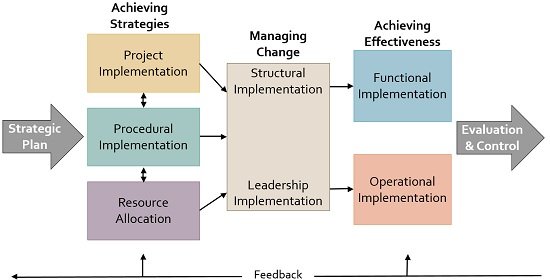
Planning is the foundation of management, as it sets the direction for achieving organizational goals and serves as the basis for all other managerial functions. The process of planning involves a systematic approach to identifying objectives, analyzing conditions, and determining the best course of action to reach those objectives. A well-structured planning process ensures that the organization moves toward its goals efficiently and effectively, while also being prepared to handle uncertainties and challenges.

The management planning process can be broken down into several key steps, which together provide a comprehensive framework for decision-making and goal-setting.

1. Establishing Objectives:

The first step in the planning process is to define the organization’s objectives. These objectives serve as the foundation upon which all planning activities are built. Objectives should be clear, specific, and measurable. They can be both short-term and long-term, depending on the scope of the plan. The objectives must align with the organization’s mission and vision, ensuring that every action taken contributes to the overall purpose of the organization.

Key Considerations for Setting Objectives:

  • Objectives should be SMART (Specific, Measurable, Achievable, Relevant, and Time-bound).
  • They should reflect the priorities of the organization and be realistic within the context of available resources.
  • The objectives should inspire and motivate employees, giving them a sense of direction and purpose.

2. Environmental Scanning and Situational Analysis:

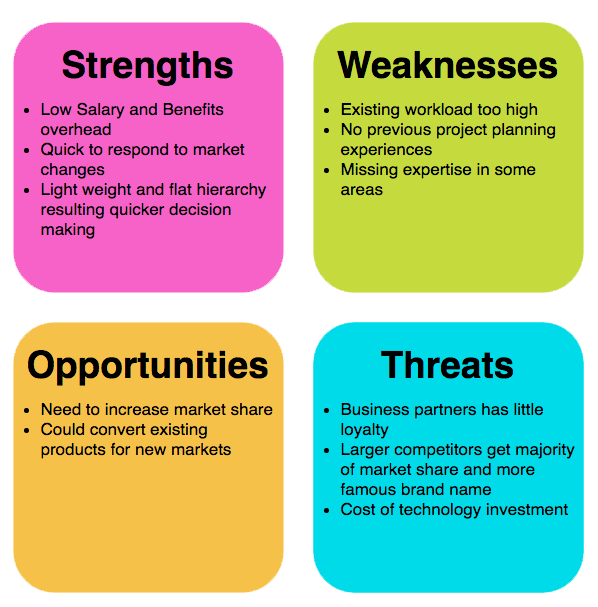
Once the objectives are set, the next step is to conduct an environmental scan to understand the internal and external factors that can influence the organization’s ability to achieve its goals. This involves assessing the organization’s strengths and weaknesses (internal environment) as well as identifying opportunities and threats (external environment). A SWOT analysis (Strengths, Weaknesses, Opportunities, and Threats) is a common tool used for this purpose.

Key Aspects of Environmental Scanning:

  • Internal Analysis: This involves evaluating the organization’s resources, capabilities, and processes to understand its strengths and areas for improvement.
  • External Analysis: This includes examining the competitive landscape, market trends, regulatory environment, and technological advancements that could impact the organization’s success.

By understanding the environment, managers can anticipate changes and prepare strategies to address challenges and capitalize on opportunities.

3. Identifying Alternatives:

After analyzing the environment, the next step is to identify possible alternatives or courses of action that the organization can take to achieve its objectives. In most cases, there is more than one way to reach a goal, and it’s important to explore all viable options. This step involves creative thinking and problem-solving to generate innovative and feasible solutions.

Factors to Consider When Identifying Alternatives:

  • The feasibility of each alternative, given the organization’s resources and capabilities.
  • The risks and benefits associated with each option.
  • The alignment of each alternative with the organization’s overall mission and values.

4. Evaluating Alternatives:

Once a list of alternatives has been identified, the next step is to evaluate each one based on various criteria, such as cost, time, resources, and potential outcomes. This evaluation process helps in determining which option is most suitable for achieving the organization’s goals. Managers must weigh the pros and cons of each alternative and consider factors such as risk tolerance, organizational constraints, and potential returns.

Methods for Evaluating Alternatives:

  • Cost-Benefit Analysis: This involves comparing the costs of each alternative against the expected benefits.
  • Risk Assessment: Managers should assess the risks associated with each option, considering both internal risks (e.g., resource limitations) and external risks (e.g., market volatility).
  • Feasibility Analysis: This involves determining whether the organization has the resources and capabilities to implement each alternative.

5. Selecting the Best Course of Action:

After evaluating the alternatives, the next step is to select the best course of action. This decision should be based on the analysis of the alternatives and their alignment with the organization’s objectives. The chosen course of action should provide the greatest chance of success while minimizing risks and maximizing benefits.

Criteria for Selecting the Best Alternative:

  • The alternative that offers the best balance between cost and benefit.
  • The option that aligns most closely with the organization’s long-term vision and short-term goals.
  • The alternative that is most feasible in terms of resources, timelines, and capabilities.

Once the best course of action is selected, it becomes the basis for the next steps in the planning process.

6. Developing Plans:

Once a course of action has been chosen, the next step is to develop detailed plans to implement the chosen alternative. This involves creating a roadmap that outlines the specific tasks, timelines, and resources required to achieve the objectives. The plan should include clear instructions for each department, team, or individual responsible for carrying out the tasks.

Components of a Plan:

  • Action Plan: This outlines the specific steps that need to be taken to execute the chosen course of action.
  • Resource Plan: This details the resources (e.g., personnel, budget, equipment) required to implement the plan.
  • Timeline: This provides a schedule for completing each step of the plan, including deadlines and milestones.
  • Contingency Plan: This outlines alternative actions that can be taken if the initial plan encounters unexpected challenges.

The development of detailed plans ensures that the organization can move forward in a coordinated and efficient manner.

7. Implementing the Plan:

The implementation stage involves putting the plan into action. This requires the coordination of resources, the assignment of tasks, and the execution of the steps outlined in the plan. Effective implementation is crucial for the success of the planning process.

Key Elements of Plan Implementation:

  • Communication: Clear communication of the plan to all stakeholders is essential to ensure that everyone understands their roles and responsibilities.
  • Resource Allocation: Ensuring that the necessary resources are available and properly allocated is critical for the smooth execution of the plan.
  • Monitoring Progress: Managers should regularly monitor progress to ensure that the plan is being executed as expected and that any issues are addressed promptly.

8. Monitoring and Controlling:

The final step in the planning process is monitoring and controlling. This involves tracking the progress of the plan and comparing it with the set objectives. If there are any deviations from the plan, corrective actions must be taken to bring the process back on track. Monitoring helps to ensure that the organization is moving in the right direction and that the goals will be achieved within the set timeframe.

Key Components of Monitoring and Controlling:

  • Performance Measurement: This involves measuring progress through key performance indicators (KPIs) to determine whether the plan is on target.

  • Feedback Mechanisms: Regular feedback should be collected from all levels of the organization to assess the effectiveness of the plan.
  • Corrective Actions: If the plan is not progressing as expected, managers must take corrective actions, such as reallocating resources or adjusting timelines.

Effective planning in Management

In the day-to-day process of running a small business, it’s easy to get caught up in immediate and urgent concerns such as filling orders and repairing indispensable equipment. However, it’s important to regularly set aside the time to step back and take a fresh look at long-term goals to evaluate whether you’re headed in the right direction or whether the direction itself needs to be redirected.

Set Short-Term and Long-Term Goals

Effective planning starts with knowing where you want to go. Start your planning process by considering where you want your business to be after the longest time frame you can reasonably imagine. If you’re figuring out your business model more or less as you go along, think about where you want to be in a year or two. If you plan to build an enduring company that operates in multiple cities, think 10 or 25 years into the future.

Once you’ve established long-term goals, think about what you hope to achieve in a more current time frame, such as six months or a year. Align your shorter term goals with your longer term vision. Define the steps you must take to start moving your company in the bigger picture direction you’ve outlined.

Create Concrete Objectives

Once you’ve defined and clarified your long- and short-term goals, start thinking about the numbers. Look for ways to concretely measure whether you’re on the way to achieving the objectives you’ve outlined. Be as specific as possible, projecting desired sales figures in dollars or units sold. Set specific projections for where you want to be at different times in the future, from later in the year to later in the decade.

If one of your reasons for starting and building your company has been to achieve some degree of autonomy so you don’t have to work all the time, set goals for how much time each year you want to spend on vacation or doing other things you love.

Shift Gears If It’s Not Working

Just because you’ve set out specific goals, you don’t have to keep trying to achieve them if they turn out to be less relevant over time. There may be developments, such as demographic shifts, that call for changes in your company’s overall direction. Or you yourself may change, no longer wanting the things you wanted at the outset. Don’t be afraid to shift gears when necessary and, if you do, make new long- and short-term evaluations regarding where you are and where you want to go.

Management by Objective (MBO), Steps, Need, Limitations

Management by Objectives (MBO) is a strategic management approach where managers and employees collaborate to set specific, measurable goals for a defined period. Each individual’s objectives align with the organization’s broader goals, ensuring that all efforts contribute to overall success. MBO emphasizes results and accountability, with regular progress reviews and adjustments as needed. By focusing on clear targets, employees gain a sense of purpose, while managers can effectively monitor performance. MBO fosters communication, enhances motivation, and improves coordination across departments, ultimately promoting organizational efficiency and goal achievement. It was popularized by Peter Drucker in the 1950s.

Steps for Management by Objectives (MBO):

  1. Define Organizational Objectives

The first step in MBO is to establish the overall objectives of the organization. These goals are usually set by top management and provide a clear direction for the company. Organizational objectives should be specific, measurable, achievable, relevant, and time-bound (SMART). These overarching goals serve as the foundation for setting departmental and individual goals.

  1. Cascade Objectives to Departments

Once the organizational goals are defined, the next step is to break them down into smaller, more specific objectives for each department or team. This cascading process ensures that every department’s goals are aligned with the broader organizational objectives. Departmental managers take responsibility for translating these goals into actionable targets that their teams can achieve.

  1. Set Individual Objectives

After departmental objectives are set, managers work with individual employees to establish personal goals that contribute to the department’s objectives. In this step, employees are actively involved in the goal-setting process, which helps them understand their role in the organization’s success. These objectives are also SMART, ensuring that they are clear and achievable.

  1. Develop Action Plans

To achieve the set objectives, action plans are created. These plans outline the specific steps, resources, and timelines needed to accomplish each goal. Action plans provide a roadmap for both employees and managers, detailing how objectives will be reached. This step ensures that there is a clear path from planning to execution.

  1. Monitor and Measure Progress

Regular monitoring and measuring of progress are essential in the MBO process. Managers and employees periodically review progress toward achieving the objectives. These reviews help identify any obstacles or deviations from the plan, allowing for corrective actions to be taken. Monitoring also provides an opportunity for managers to provide feedback and guidance.

  1. Evaluate Performance

At the end of the performance period, managers evaluate the achievements of employees against the objectives that were set. This step involves a formal review process where performance is assessed based on the results achieved. It helps managers understand how well employees performed and provides a basis for rewarding or recognizing high achievers.

  1. Provide Feedback

Providing feedback is a critical part of MBO. After the evaluation, managers discuss the results with employees, offering constructive feedback on their performance. Feedback sessions are not just about assessing past performance but also about identifying areas for improvement and setting new objectives for the next cycle.

  1. Reward Achievement

MBO encourages a reward system based on the achievement of objectives. Employees who meet or exceed their goals are often recognized with rewards, promotions, bonuses, or other forms of appreciation. This recognition serves as motivation for employees to continue performing well in future cycles.

  1. Set New Objectives

The final step in MBO is to set new objectives for the next performance cycle. Based on the feedback and evaluation from the previous period, new goals are established, taking into account any changes in the organization’s strategy or the individual’s role. This step ensures continuous improvement and alignment with the organization’s evolving needs.

Need of Management by Objectives (MBO):

  1. Goal Clarity and Focus

One of the primary needs for MBO is to ensure clarity and focus in goal setting. MBO establishes clear, specific objectives that provide direction to employees. By setting measurable goals, employees and managers understand exactly what is expected, which reduces confusion and aligns individual efforts with the company’s strategic objectives.

  1. Improved Communication

MBO fosters better communication between managers and employees. The collaborative nature of setting objectives in MBO encourages dialogue, allowing employees to share their views and gain feedback from managers. This open communication ensures that everyone is on the same page and helps identify any challenges or needs early in the process.

  1. Enhanced Employee Motivation

MBO enhances employee motivation by involving them in the goal-setting process. When employees participate in setting their own objectives, they feel a sense of ownership and responsibility. This increased engagement leads to higher motivation and commitment to achieving the defined goals.

  1. Performance Measurement

A key need for MBO is its ability to measure performance accurately. By setting specific and measurable objectives, managers can objectively assess the performance of employees. MBO provides a structured framework for performance appraisals, which is essential for identifying areas of improvement, rewarding success, and making informed decisions about promotions or development needs.

  1. Alignment with Organizational Goals

MBO ensures that individual goals are aligned with the broader objectives of the organization. This alignment is crucial for organizational success, as it ensures that all employees work towards common goals. MBO creates a sense of unity by linking personal objectives to corporate strategies, ensuring that each employee’s contribution supports the overall direction of the organization.

  1. Accountability and Responsibility

MBO promotes accountability by clearly defining the roles and responsibilities of employees. With specific goals in place, individuals are held responsible for their own performance. This encourages accountability and reduces the chances of blame-shifting or ambiguity about job roles.

  1. Increased Productivity

By setting clear objectives, MBO leads to improved productivity. Employees are more focused and driven to meet their targets, leading to better time management and resource allocation. The clarity of expectations and structured performance reviews foster a results-oriented work environment.

  1. Adaptability to Change

MBO is dynamic and adaptable to changing circumstances. It allows for regular reviews and adjustments of objectives as needed. This flexibility ensures that organizations can respond to market changes or internal shifts without losing focus on their overall goals.

Limitations of Management by objectives:

  1. Time-Consuming Process

MBO requires a considerable amount of time and effort in its initial stages. The process of setting objectives, conducting reviews, and holding meetings between managers and employees is time-intensive. This can detract from the day-to-day operations and might be difficult for organizations with tight schedules or limited resources.

  1. Emphasis on Quantitative Goals

One of the key criticisms of MBO is its heavy focus on measurable and quantitative goals. This emphasis may lead managers and employees to prioritize tasks that are easily quantifiable, while overlooking qualitative aspects such as employee satisfaction, creativity, or organizational culture, which are harder to measure but equally important.

  1. Overemphasis on Short-Term Goals

MBO often focuses on achieving short-term objectives within a specific timeframe, which can lead to the neglect of long-term strategic planning. This short-term focus may cause organizations to make decisions that generate immediate results, but undermine long-term sustainability and growth.

  1. Lack of Flexibility

Once objectives are set, the rigidity of the MBO process can make it difficult to adjust goals in response to changing market conditions or internal shifts. The formalized structure of MBO may limit the ability to be agile and responsive, which is critical in today’s fast-paced business environment.

  1. Pressure to Meet Targets

The emphasis on achieving pre-determined objectives can create excessive pressure on employees and managers alike. This may lead to stress, burnout, and in some cases, unethical behavior, as individuals may resort to manipulating results or cutting corners to meet their targets.

  1. Neglect of Interpersonal Relationships

MBO focuses primarily on the achievement of objectives, sometimes at the cost of interpersonal relationships and collaboration within the organization. Employees may become overly focused on their individual goals, leading to a lack of cooperation and teamwork, which can negatively impact organizational culture and performance.

  1. Difficulty in Setting Realistic Goals

Setting realistic and achievable goals is a challenge in the MBO process. Overly ambitious goals may demotivate employees if they perceive them as unattainable, while conservative goals might fail to push employees to their full potential. Striking the right balance is difficult and requires careful consideration.

  1. Potential for Misalignment of Goals

Even though MBO aims to align individual goals with organizational objectives, there can be a disconnect between the two. Employees might focus on their specific goals without fully understanding or supporting the broader organizational strategy, which could result in inefficiencies or conflict.

  1. Focus on Individual Performance over Teamwork

MBO tends to emphasize individual performance and achievement of personal goals, which can sometimes undermine teamwork. In environments where collaboration and group efforts are essential, MBO’s focus on individual objectives can cause divisions or reduce collective productivity.

Management Decision-making Process

The decision-making process in management is crucial as it guides managers in selecting the best course of action to achieve organizational objectives. Decisions in management often have significant impacts on the organization, its resources, and its overall direction. An effective decision-making process ensures that these decisions are rational, informed, and aligned with the organization’s goals. The management decision-making process typically involves several steps, each of which plays a vital role in reaching the best decision. 

1. Identifying the Problem or Opportunity

The first step in the decision-making process is recognizing and defining the problem or opportunity that requires a decision. This step involves gathering information, analyzing the current situation, and understanding the challenges or opportunities at hand. Often, the problem is not immediately clear, and managers may need to conduct further analysis to understand the root cause of the issue. Identifying the problem accurately is essential, as it sets the stage for the rest of the decision-making process.

2. Gathering Information

Once the problem or opportunity is identified, the next step is to gather relevant information. This includes collecting data on the internal and external factors that could influence the decision. Managers may need to review past reports, conduct surveys, interview stakeholders, or analyze market trends. The quality and quantity of the information collected will significantly affect the quality of the decision. The goal of this step is to ensure that the decision is based on facts and insights rather than assumptions.

3. Identifying Alternatives

In the third step, managers generate possible alternatives or solutions to address the problem or capitalize on the opportunity. Brainstorming is a common technique used at this stage to come up with a variety of options. It is important to develop a range of alternatives so that managers have several options to consider. Each alternative should be carefully evaluated in terms of its feasibility, costs, benefits, risks, and alignment with organizational goals.

4. Evaluating Alternatives

Once the alternatives have been identified, they need to be evaluated. This involves assessing each option against various criteria, such as its potential impact on the organization, resource requirements, costs, risks, and long-term benefits. Managers may use tools such as cost-benefit analysis, SWOT analysis, or decision matrices to compare the alternatives objectively. The goal is to select the option that provides the most value while minimizing potential risks and costs.

5. Choosing the Best Alternative

After evaluating the alternatives, managers select the best course of action. This decision may be based on a combination of quantitative and qualitative factors, with the chosen alternative being the one that offers the most favorable balance between benefits and risks. In some cases, a decision may involve selecting a combination of alternatives. The decision should align with the organization’s strategic objectives, values, and long-term goals.

6. Implementing the Decision

After choosing the best alternative, the next step is to implement the decision. This involves translating the decision into specific actions and ensuring that all necessary resources are allocated. Managers must communicate the decision to relevant stakeholders, assign responsibilities, set timelines, and ensure that the implementation plan is executed smoothly. This step may require coordination across different departments and teams to ensure that the decision is effectively carried out.

7. Monitoring and Evaluating the Results

The final step in the decision-making process is to monitor the results of the decision and evaluate its effectiveness. Managers track the progress of the implementation, comparing actual outcomes with expected results. If the desired results are not achieved, managers may need to take corrective actions, reassess the decision, or modify the approach. Continuous monitoring allows managers to stay informed about the decision’s impact and make adjustments as necessary.

8. Learning from the Process

An often overlooked aspect of the decision-making process is the reflection and learning that should occur after the decision has been implemented. By analyzing what worked and what didn’t, managers can improve future decision-making. This feedback loop is essential for improving the organization’s ability to make informed decisions in the future, adapting to changes, and refining management practices.

Techniques of Decision making

Decision-Making: Technique 1. Marginal Analysis

This technique is used in decision-making to figure out how much extra output will result if one more variable (e.g. raw material, machine, and worker) is added. In his book, ‘Economics’, Paul Samuelson defines marginal analysis as the extra output that will result by adding one extra unit of any input variable, other factors being held constant.

Marginal analysis is particularly useful for evaluating alternatives in the decision-making process.

Decision-Making: Technique 2. Financial Analysis

This decision-making tool is used to estimate the profitability of an investment, to calculate the payback period (the period taken for the cash benefits to account for the original cost of an investment), and to analyze cash inflows and cash outflows.

Investment alternatives can be evaluated by discounting the cash inflows and cash outflows (discounting is the process of determining the present value of a future amount, assuming that the decision-maker has an opportunity to earn a certain return on his money).

Decision-Making: Technique 3. Break-Even Analysis

This tool enables a decision-maker to evaluate the available alternatives based on price, fixed cost and variable cost per unit. Break-even analysis is a measure by which the level of sales necessary to cover all fixed costs can be determined.

Using this technique, the decision-maker can determine the break-even point for the company as a whole, or for any of its products. At the break-even point, total revenue equals total cost and the profit is nil.

Decision-Making: Technique 4. Ratio Analysis

It is an accounting tool for interpreting accounting information. Ratios define the relationship between two variables. The basic financial ratios compare costs and revenue for a particular period. The purpose of conducting a ratio analysis is to interpret financial statements to determine the strengths and weaknesses of a firm, as well as its historical performance and current financial condition.

Decision-Making: Technique 5. Operations Research Techniques

One of the most significant sets of tools available for decision-makers is operations research. An operation research (OR) involves the practical application of quantitative methods in the process of decision-making. When using these techniques, the decision-maker makes use of scientific, logical or mathematical means to achieve realistic solutions to problems. Several OR techniques have been developed over the years.

Decision-Making: Technique 6. Linear Programming

Linear programming is a quantitative technique used in decision-making. It involves making an optimum allocation of scarce or limited resources of an organization to achieve a particular objective. The word ‘linear’ implies that the relationship among different variables is proportionate.

The term ‘programming’ implies developing a specific mathematical model to optimize outputs when the resources are scarce. In order to apply this technique, the situation must involve two or more activities competing for limited resources and all relationships in the situation must be linear.

Decision-Making: Technique 7. Waiting-line Method

This is an operations research method that uses a mathematical technique for balancing services provided and waiting lines. Waiting lines (or queuing) occur whenever the demand for the service exceeds the service facilities.

Since a perfect balance between demand and supply cannot be achieved, either customers will have to wait for the service (excess demand) or there may be no customers for the organization to serve (excess supply).

When the queue is long and the customers have to wait for a long duration, they may get frustrated. This may cost the firm its customers. On the other hand, it may not be feasible for the firm to maintain facilities to provide quick service all the time since the cost of idle service facilities have to be borne by the company.

The firm, therefore, has to strike a balance between the two. The queuing technique helps to optimize customer service on the basis of quantitative criteria. However, it only provides vital information for decision-making and does not by itself solve the problem. Developing queuing models often requires advanced mathematical and statistical knowledge.

Decision-Making: Technique 8. Game Theory

This is a systematic and sophisticated technique that enables competitors to select rational strategies for attainment of goals. Game theory provides many useful insights into situations involving competition. This decision-making technique involves selecting the best strategy, taking into consideration one’s own actions and those of one’s competitors.

The primary aim of game theory is to develop rational criteria for selecting a strategy. It is based on the assumption that every player (a competitor) in the game (decision situation) is perfectly rational and seeks to win the game.

In other words, the theory assumes that the opponent will carefully consider what the decision­-maker may do before he selects his own strategy. Minimizing the maximum loss (minimax) and maximizing the minimum gain (maximin) are the two concepts used in game theory.

Decision-Making: Technique 9. Simulation

This technique involves building a model that represents a real or an existing system. Simulation is useful for solving complex problems that cannot be readily solved by other techniques. In recent years, computers have been used extensively for simulation. The different variables and their inter­relationships are put into the model.

When the model is programmed through the computer, a set of outputs is obtained. Simulation techniques are useful in evaluating various alternatives and selecting the best one. Simulation can be used to develop price strategies, distribution strategies, determining resource allocation, logistics, etc.

Decision-Making: Technique 10. Decision Tree

This is an interesting technique used for analysis of a decision. A decision tree is a sophisticated mathematical tool that enables a decision-maker to consider various alternative courses of action and select the best alternative. A decision tree is a graphical representation of alternative courses of action and the possible outcomes and risks associated with each action.

error: Content is protected !!