Third Sector

Third sector organizations’ is a term used to describe the range of organizations that are neither public sector nor private sector. It includes voluntary and community organizations (both registered charities and other organizations such as associations, self-help groups and community groups), social enterprises, mutuals and co-operatives.

Third sector organizations (TSOs) generally:

  • Are independent of government. This is also an important part of the history and culture of the sector;
  • Are ‘value-driven’. This means they are motivated by the desire to achieve social goals (for example, improving public welfare, the environment or economic well-being) rather than the desire to distribute profit; and
  • Reinvest any surpluses generated in the pursuit of their goals. For this reason TSOs are sometimes called ‘not-for-profit organizations’. A better term is ‘not-for-personal-profit’. In many cases, TSOs need to make surpluses (or ‘profits’) to be financially sustainable.

TSOs can take a number of legal forms. Many are simple associations of people with shared values and objectives. Many have company status but with a not-for-personal-profit approach. Very many have charitable status or are community interest companies, industrial and provident societies or co-operatives.

In October 2010, the Government published its strategy to support charities, voluntary groups and social enterprise. It is committed to ensuring that charities, social enterprises and cooperatives have a much greater role in the runninng of public services.

Benefits that third sector organizations can give commissioners

Public services can gain a lot from working with third sector organizations. The benefits vary across policy and geographical areas. But some of the common themes are TSOs’:

  • Understanding of the needs of service users and communities that the public sector needs to address;
  • Closeness to the people that the public sector wants to reach;
  • Ability to deliver outcomes that the public sector finds it hard to deliver on its own;
  • Innovation in developing solutions; and
  • Performance in delivering services.

TSOs also speak out for people and their needs to the public sector and to wider society. Such activity may be based on a local, drop-in advice service for people with unmanageable debt, right through to a charity’s national communications campaign (on child cruelty, for example).  Such work dovetails with TSOs’ services to the public.

Corporate Social Responsibility (CSR), Components, Importance, Stakeholders

Corporate Social Responsibility (CSR) refers to the ethical obligation of companies to contribute positively to society beyond their financial interests. It is a business model in which companies integrate social, environmental, and ethical concerns into their operations, decision-making processes, and interactions with stakeholders, such as employees, customers, investors, and communities. CSR is based on the idea that businesses should not only focus on generating profits but also consider their impact on society and the environment.

The concept of CSR has evolved from a simple philanthropic activity to a comprehensive approach where businesses strive to be responsible corporate citizens. Today, CSR encompasses a wide range of activities aimed at enhancing the well-being of communities, reducing environmental harm, promoting fair labor practices, and ensuring ethical business practices.

Components of CSR

  • Environmental Responsibility:

A significant component of CSR is the responsibility of companies to reduce their environmental footprint. This includes efforts to reduce pollution, conserve natural resources, manage waste, promote sustainable practices, and minimize the ecological impact of their operations. Many companies implement practices such as reducing carbon emissions, using renewable energy, recycling materials, and adopting sustainable sourcing practices to contribute positively to environmental protection.

  • Social Responsibility:

CSR also involves a company’s commitment to society and its people. Social responsibility focuses on improving the quality of life of employees, customers, and communities. This could include providing fair wages, promoting diversity and inclusion, supporting local community projects, and ensuring access to education and healthcare. Social responsibility is about companies engaging in ethical practices that benefit society at large.

  • Economic Responsibility:

CSR extends to ethical business practices, such as ensuring fair trade, avoiding corruption, and providing fair wages to employees. Economic responsibility also involves transparency in financial reporting, paying taxes, and fostering economic development through innovation and job creation. Companies are expected to generate profit in a manner that is ethical, fair, and sustainable for all stakeholders.

  • Ethical Responsibility:

Ethical responsibility in CSR involves conducting business in an honest, transparent, and fair manner. This includes ensuring that products and services are safe, treating employees and customers with respect, and adhering to legal and moral standards. It is also about ensuring that the company’s practices do not harm individuals or communities and that they operate with integrity.

  • Philanthropy:

Many companies engage in philanthropic activities such as charitable donations, volunteering, and sponsoring community development initiatives. While this is just one aspect of CSR, it plays a key role in improving the social and economic well-being of the communities where businesses operate.

  • Stakeholder Engagement:

A key element of CSR is maintaining good relationships with all stakeholders, including employees, customers, suppliers, investors, and local communities. By engaging stakeholders and addressing their concerns, companies can better understand societal expectations and improve their CSR strategies.

Importance of CSR:

  • Building Brand Reputation and Trust:

Companies that actively engage in CSR build a strong reputation as responsible corporate citizens. This enhances their brand image and fosters trust among consumers, investors, and other stakeholders. A positive reputation can lead to increased customer loyalty, improved employee morale, and better relationships with government and regulatory bodies.

  • Attracting and Retaining Talent:

Today’s workforce is increasingly attracted to companies that align with their values. Companies with strong CSR practices are more likely to attract top talent who want to work for organizations that are committed to making a positive impact. Employees who feel that their employer is socially responsible are also more likely to stay with the company long-term, leading to lower turnover rates.

  • Customer Loyalty:

Consumers are becoming more socially conscious and prefer to purchase from companies that share their values and demonstrate a commitment to social and environmental responsibility. CSR initiatives such as ethical sourcing, fair trade, and environmental sustainability can lead to greater customer loyalty and support for a company’s products and services.

  • Financial Performance:

Contrary to the belief that CSR is a financial burden, many studies have shown that companies that invest in CSR programs can achieve better financial performance over time. Engaging in ethical and socially responsible practices can lead to cost savings (e.g., through energy efficiency and waste reduction), enhanced brand value, and increased consumer demand.

  • Risk Management:

CSR can help companies mitigate risks related to their operations. By addressing social and environmental concerns, companies can avoid negative publicity, fines, and legal challenges. Proactively managing CSR helps businesses avoid potential controversies that could damage their reputation and harm their financial stability.

  • Sustainable Development:

CSR plays a crucial role in promoting sustainable development. By taking a long-term view of their impact on society and the environment, companies can contribute to sustainable economic development. CSR initiatives such as promoting renewable energy, reducing waste, and improving labor standards all support the global goal of sustainability.

CSR and Its Stakeholders:

  • Employees:

A company’s commitment to CSR enhances employee morale and job satisfaction. Employees tend to feel proud to work for an organization that is socially responsible and committed to ethical practices. CSR programs can also offer employees opportunities for personal involvement, such as volunteer work or engagement in community initiatives.

  • Customers:

Customers are increasingly seeking products and services that are produced ethically and sustainably. Companies that prioritize CSR are likely to attract socially conscious consumers who care about the origins and environmental impact of the products they purchase. CSR initiatives enhance customer loyalty and retention.

  • Shareholders and Investors:

Investors are placing greater emphasis on companies that adopt CSR practices. Many institutional investors look for businesses that not only promise financial returns but also adhere to environmental, social, and governance (ESG) principles. A strong CSR program can make a company more attractive to investors, leading to increased funding and support.

  • Communities:

CSR helps to improve the social and economic conditions of the communities where a company operates. Whether through donations, community development programs, or local environmental initiatives, businesses can directly contribute to improving the standard of living and well-being in the regions they serve.

  • Government and Regulatory Bodies:

Governments are increasingly requiring businesses to adhere to CSR-related regulations, especially in areas like environmental protection, labor rights, and corporate governance. Companies that proactively adopt CSR policies can reduce their exposure to regulatory risks and improve their relationship with government bodies.

Applicability of CSR as per Section 135 of Companies Act 2013:

Section 135 of the Companies Act, 2013 mandates Corporate Social Responsibility (CSR) for companies meeting specific financial thresholds. The provision applies to every company, including its holding or subsidiary and foreign companies having a branch office or project office in India, that satisfies any one of the following criteria in the immediately preceding financial year:

Applicability Criteria (Any one of the following):

  1. Net worth of ₹500 crore or more,

  2. Turnover of ₹1,000 crore or more, or

  3. Net profit of ₹5 crore or more.

Requirements for Applicable Companies

  1. CSR Committee:
    Companies to whom CSR is applicable must constitute a CSR Committee of the Board with:

    • At least 3 directors (including 1 independent director),

    • (Private companies need only 2 directors; unlisted/public companies with no independent director are exempt from appointing one).

  2. CSR Policy:
    The CSR Committee shall:

    • Formulate and recommend a CSR Policy to the Board,

    • Recommend the amount of expenditure,

    • Monitor the CSR policy implementation.

  3. Minimum CSR Expenditure:
    The Board must ensure that the company spends at least 2% of the average net profits (before tax) made during the three immediately preceding financial years on CSR activities.

  4. Disclosure:

CSR policy and initiatives must be disclosed in the Board’s report and on the company website, if any.

CSR Activities (Schedule VII)

CSR initiatives must fall under activities specified in Schedule VII, such as:

  • Eradicating hunger and poverty,

  • Promoting education and gender equality,

  • Environmental sustainability,

  • Protection of national heritage,

  • Support to armed forces veterans,

  • PM’s National Relief Fund, etc.

Penalty for Non-Compliance (Post Amendment):

As per the Companies (Amendment) Act, 2019:

  • If the required amount is not spent, the company must transfer the unspent amount to a specified fund (like PM CARES) within a stipulated time.

  • Non-compliance attracts penalty:

    • Company: Twice the unspent amount or ₹1 crore (whichever is less),

    • Officers in default: 1/10th of the unspent amount or ₹2 lakh (whichever is less).

Corporate social responsibility (CSR) in India

India is the first country in the world to make corporate social responsibility (CSR) mandatory, following an amendment to The Company Act, 2013 in April 2014. Businesses can invest their profits in areas such as education, poverty, gender equality, and hunger. Company having:

  • Minimum net worth of rupees 500 Crore.
  • Turnover up to “1000 Crore”
  • Having a net profit of at least ‘5crore’

During any financial year, are covered by this provision.

The Company should constitute a Corporate Social Responsibility Committee as follows:

  • The Committee shall consist of minimum 3 including 1 Independent Director, however in case of Private Company or the Company, which is not required to appoint Independent Director on board, or Foreign Company committee can be formulated with 2 directors.
  • The CSR Policy shall be formulated in accordance with Schedule VII and the CSR Committee will be responsible for framing the policy, finalizing the amount to be spent on CSR, monitoring & implementation of the Scheme.
  • If Company ceases to fulfill the eligibility criteria for three consecutive years, then the company is not required to comply until the company will meet the eligibility criteria once again.

Current CSR Practices of the Firms in India

Brief on CSR Activities as prescribed under Schedule VII of Companies Act, 2013

  • Objective to efface the daily life segments including poverty, malnutrition and hunger while enhancing the standard of living and promoting the facets of better health care and sanitation.
  • Introducing varied projects for Rural Development.
  • Initiative to promote the different segments of education including special education and programs to enhance the vocation skills for all ages like children, women, elderly and conducting other livelihood enhancement projects.
  • Aim to bring the uniformity in respect of different sections of the society to promote gender equality and other facilities for senior citizens and developing hostels for women and orphans and taking initiative for empowering women and lowering inequalities faced by socially and economically backward groups.
  • Elevate the segment of flora and fauna to bring the ecological balance and environmental sustainability in respect of animal welfare, conservation of natural resources and ago forestry while maintaining the quality of air, water and soil.
  • Enhancement of Craftsmanship while protecting art and culture and measures to restore sites of historical importance and national heritage and promoting the works of art and setting up of public libraries.
  • Steps to bring worthy to the part of war windows, armed force veterans and their departments.
  • Sports programs and training sessions to enhance the level of rural sports, nationally recognized sports, Paralympic sports and Olympics sports.
  • Favoring to Prime Minister’s National Relief Fund and contribution to other fund set up by the central government to promote socio-economic development and welfare of the schedule castes and Schedule Tribes and for supporting backward classes, minorities and women.
  • To uplift the technology of incubator that’s comes under academic institutions and which are approved by the Central Government.

Example

  1. Tata Group

The Tata Group conglomerate in India carries out various CSR projects, most of which are community improvement and poverty alleviation programs. Through self-help groups, it is engaged in women empowerment activities, income generation, rural community development, and other social welfare programs. In the field of education, the Tata Group provides scholarships and endowments for numerous institutions.

  1. Ultratech Cement

Ultratech Cement, India’s biggest cement company is involved in social work across 407 villages in the country aiming to create sustainability and self-reliance. Its CSR activities focus on healthcare and family welfare programs, education, infrastructure, environment, social welfare, and sustainable livelihood. The company has organized medical camps, immunization programs, sanitization programs, school enrollment, plantation drives, water conservation programs, industrial training, and organic farming programs.

  1. Mahindra & Mahindra

Indian automobile manufacturer Mahindra & Mahindra (M&M) established the K. C. Mahindra Education Trust in 1954, followed by Mahindra Foundation in 1969 with the purpose of promoting education. The company primarily focuses on education programs to assist economically and socially disadvantaged communities. CSR programs invest in scholarships and grants, livelihood training, healthcare for remote areas, water conservation, and disaster relief programs. M&M runs programs such as Nanhi Kali focusing on girl education, Mahindra Pride Schools for industrial training, and Lifeline Express for healthcare services in remote areas.

CSR Impact Evaluation

With Corporate Social Responsibility (CSR) Rules moving into their third year of operation, the outlook of companies towards social problems is seeing a change.

In the first and second year of the rules taking effect, most companies were focused on compliance rather than on the impact of their initiatives. Now, it is mostly about course correction and expansion.

Many companies are conducting impact assessment studies of their CSR activities to ensure long-lasting impact and optimal use of funds.

The CSR Rules 2014 state that companies with a net worth of ₹ 500 crore, a revenue of ₹ 1,000 crore or a net profit of ₹ 5 crore are required to spend 2% of their average profit in the last three years on social development-related activities such as education, healthcare and sanitation.

According to Ramraj Pai, president of Crisil Foundation, the philanthropic arm of financial analytics firm Crisil Ltd, “Resolving social problems requires the same rigour and discipline as business operations and firms are realizing that.”

The ratings firm started its CSR activities on scale only after the 2014 rules and spent over ₹ 4 crore (1.42% of its net profit) in FY15 on increasing the financial capabilities of rural women and environmental conservation.

Pai believes the baseline assessment conducted by a third party at Crisil Foundation’s behest, helped it approach financial inclusion in a holistic manner. “Impact assessment is essential and needs to be a continuum, not just a survey at the completion of activities. You can only know the impact if you can compare the before and after of an initiative with specific metrics,” he explained.

A key point to remember is that impact assessment cannot be an end in itself. It needs to be built into the design of the project starting with baseline evaluation, mid-term review and then final assessment. Citing Crisil Foundation’s work on financial inclusion in Assam, Pai said that while the project was aimed at creating financial literacy, the baseline survey helped the company understand that to make a real difference, it would need to work on building trust.

“Even before we could start working with women to teach them how to open an account, use an ATM, etc., we learnt that we needed to build a relationship with the community elders, who in turn, could influence and assure the women to work with us,” Pai added.

The firm conducted the baseline survey in 2014 and is looking to conduct a mid-term review in early 2017.

Social development issues show wide variations based on region and community. This also makes a strong case for impact assessment as each geography and community has specific needs, limitations, etc., and cannot be addressed in a one-size-fits-all approach.

“Impact assessment helps in course correction and gives direction to a company to scale up/replicate its successful initiatives and at the same time, remodel or shut down the initiatives which have not been able to create impact,” said Adarsh Kataruka, director at CSR consultancy firm SoulAce Ltd, which works with more than 60 CSR clients across 250-plus locations.

Fast-moving consumer goods company ITC Ltd started six impact assessment studies in 2015-16 across its CSR initiatives, which are currently being implemented in 17 states.

The company has been involved in community-based initiatives in sectors such as sustainable agricultural practices, social forestry, etc., long before the CSR Rules came into force.

  1. Sivakumar, group head of agriculture and information technology businesses at ITC, said such appraisals have helped the company take stock of projects on the ground and tweak them. “Besides, the studies also present recommendations and highlight areas of improvement which enable us to take appropriate action in the project. The studies are also be used to substantiate and validate a point of view for advocacy purposes,” he added.

The Piramal Group has been implementing CSR initiatives through its philanthropic arm Piramal Foundation since 2008. The foundation also periodically conducts impact assessments.

Paresh Parasnis, CEO of Piramal Foundation, cited the example of the foundation’s work in education, where it conducts assessments at the beginning as well at the end of the academic year in 1,200 government schools in Rajasthan, Gujarat and Maharashtra in order to gauge how much the students have actually learnt. The group spent a total of ₹ 56.65 crore in FY15-16 on CSR initiatives across sectors like education, healthcare and drinking water.

“We have realized unless we start with assessing needs of the community, designing projects that address these needs and then measure whether those needs have been sufficiently addressed, we will end up only spending money without positive outcomes or making a difference to people’s lives,” said Parasnis.

He added that social return on investment is best measured by independent assessors.

However, these assessments across firms are largely used for internal purposes and are not in the public domain. For instance, car maker Maruti Suzuki Ltd conducted one such survey for internal use in 2016 as, according to Ranjit Singh, its CSR head, there is merit in conducting an assessment.

Perhaps one reason why firms do not want such information out in the public domain is because they believe that declaring such findings in the public domain could foster a negative perception, especially if the evaluation of a project leans in favour of course correction.

Urging firms to plan and execute proper impact assessment studies as well as share the information, Sidharth Dutta, senior manager of development advisory services at EY India, emphasizes that this information “can help in improving the overall effectiveness of a social initiatives. It contributes towards knowledge development beca-use it helps in establishing good practices for achieving higher success in projects and reduces individual procedural burden.”

Also, firms and the public must bear in mind that shortcomings may not entirely be the fault of the companies as many have only started CSR initiatives after the rules came into force.

Dutta of EY explained, “For proper impact assessment to understand what change has taken place on the ground—a substantial number of years of the project being in operation are needed.” He said that a proper impact assessment is possible only after two-four years of a project being implemented.

Again, an impact assessment for the sake of conducting one is not the answer. “Many companies do not measure the real impact of their CSR spend. They do it in terms of how many children were given school uniforms or how many mothers were given protein powder, etc. Very few of them have set up mechanisms to measure the real, long-term impact on the community,” said Sunil Chavan, honorary director at Dr. M.L. Dhawle Trust, a philanthropic organization working on issues of health, livelihood and sustainable agriculture.

According to him, the focus of the impact assessment should be on the change in beneficiaries’ socio-economic situation (or any specific component for which the initiative was planned) rather than the number of people impacted.

Citing the example of numerous firms undertaking sanitation CSR projects, following Prime Minister Narendra Modi’s call for a Clean India by 2019, Dutta highlighted that currently, assessments generally focus only on outputs like the number of toilets built. “But to understand the actual impact on the ground, firms need to move from external factors of only counting the number of toilets to analysing qualitative variables in the lives of beneficiaries such as actual usage figures, evaluating status of health indicators along with extent of improvement in sociocultural variables of community life,” he said.

Need for Governance is Not for Profit Sector

Most commonly, people tend to connect the idea of governance with for-profit corporations. Governance has existed for decades, although there wasn’t much focus on it until the financial crisis hit in 2008. The reality is that practicing good governance principles is as important for nonprofit corporations as it is for for-profit corporations.

The financial debacles on Wall Street brought governance issues to the forefront. Much of the discussions centered around holding boards of directors more accountable for their actions, decision-making and oversight. While nonprofit boards hadn’t been considered in the same regard, the seriousness of the financial troubles in the corporate world cast a new light on the responsibilities of nonprofit boards as well.

Poor corporate governance results in wastefulness, poor management and corruption. These issues are no less tolerated in nonprofit governance than they are in governance for corporate businesses. Good governance places emphasis on the quality of policies and processes that help organizations to achieve their goals and to serve the best interests of their stakeholders.

Good corporate governance helps corporations succeed and ultimately sustains and strengthens democracies.

Benefits of Good Governance

Organizations and corporations that practice good principles of corporate governance get rewarded with a payoff in many areas of their business. Good governance forces organizations to develop sound organizational plans and strategies. In addition, good governance requires organizations to review their operations and delivery processes for effectiveness and efficiency. Stakeholders of nonprofit organizations have appreciated the effect of increased regulatory measures on for-profit corporations because they’re placing emphasis on ethics and accountability for nonprofit organizations as well.

The focus on governance provides nonprofit organizations with new opportunities to enhance engagement and communication with their stakeholders.

A Nonprofit’s Purpose Plays a Role in Good Governance

Nonprofits serve their members and the community. In general, nonprofits put a lot of time and thought into forming meaningful and long-lasting statements for their mission, vision and values. Board members of nonprofits may also have a vision for the culture of the organization. Culture plays out over time as board directors and other leaders communicate the tone of the culture from the top.

A nonprofit’s purpose plays a role in good governance, as it holds nonprofits accountable for honesty and ethical dealings. Good governance entails communicating the organization’s mission, vision, values and culture to their stakeholders, so the stakeholders can hold them accountable.

Governance Is for the Sake of All

Principles of good corporate governance follow the rule of law, which means that the law rules over all groups and individual actors, even those with great power. The rule of law requires organizations to observe basic human rights in the course of their operations. The rule of law requires nonprofits to manage their affairs justly and to offer equal treatment for all groups and individuals in our society.

Good Governance Applies to Nonprofit Leaders

Good governance principles apply to board directors, officers, managers, employees, volunteers and anyone else who works with or for nonprofits. Nonprofits must balance the needs of everyone that works for and with them. It’s not an easy task because it requires everyone involved to be conscious about making sound judgments and being on their best behavior.

When everyone practices principles of good governance, it creates an honest and open environment that holds everyone accountable and keeps them all on track.

Board Composition Greatly Influences Good Governance

While public companies must obey certain regulations regarding board composition, it’s one area in which nonprofits have some flexibility. At the same time, nonprofit boards have recently been influenced by many of the same principles behind what makes for a well-qualified and well-composed board. Recent governance standards require almost the same degree of accountability for nonprofit boards as businesses, so it makes sense for nonprofit boards to be diverse and to take their responsibilities just as seriously. It’s vitally important for all nonprofit board directors to be fully committed and to actively engage in board discussions.

All boards have much leverage in choosing members for their boards. Good governance requires boards to have as much diversity as possible. Nonprofit boards usually try to form diverse boards by taking into consideration age, gender, race, ethnicity, religion, background, skills and experience, just as corporate boards do.

Nonprofit boards can support good governance by adding clear descriptions and expectations for board directors, officers, managers and their standing committees to their bylaws. Not all corporate boards participate in succession planning, but they should, and so should nonprofits.

Public boards must evaluate themselves. Some public boards take it a step further and evaluate individual board directors’ performances either regularly or periodically to ensure that they’re performing as well as they can. This is another area in which nonprofit boards can mirror their counterparts and shine in the area of governance.

Board Management Software as a Tool to Ensure Excellence in Nonprofit Governance

Good governance isn’t something that nonprofit boards can take for granted. Nonprofit boards are more likely than corporate boards to have board directors who have less experience, and they must discharge their duties and responsibilities with equal diligence.

Board management software is an instrumental tool for nonprofit boards to help ensure good corporate governance. It’s ultra-important for nonprofit boards to operate as efficiently and as effectively as possible. A board portal is an essential tool to help the board fulfill its duties responsibly.

A board portal offers strong security for developing the board’s agenda and recording board meeting minutes. The portal affords boards the ability to communicate and collaborate on their board business during meetings as well as using mobile devices. Using BoardEffect board management software, nonprofit boards can do their annual self-evaluations right online and get the results quickly. Board portal software assists nonprofit boards in their development cycle, so they can continually build a qualified, competent board of directors from recruitment through succession planning. Board portal software also helps boards stay current with all of their compliance and regulatory requirements and track cycles for donations and events.

Governance encompasses the various rights and responsibilities of people, processes and structures to make the best decisions for tending to nonprofit duties responsibly. A board portal is a centralized platform that brings all components of governance under one electronic roof to manage every aspect of nonprofit board business for every size nonprofit board.

Ethics in Social Marketing

Business ethics are essential component of any business strategy. Particularly, if we discuss the outbound communications like marketing and PR; ethics stand as even more vital element to be taken care of. The modern corporate code of conduct is depiction of professional ethics that an organization promises to follow and expects its staffers to abide by. Any violation of those promised values is considered an unacceptable professional behavior and might lead to server corporate ramifications for individuals as well as organization.

Intimate Data

Let’s start by looking at the nature of the data that we use to select our target market. One of the reasons that social media marketing has become so effective is that brands now have access to specific, intimate data about consumers. Based on data gathered largely on social networking sites, marketers and brands can know nearly everything there is to know about a person – they can know things like relationship status, dining habits, likes, political opinions, religious beliefs, hobbies, and shopping history.

While many people feel conflicted about the collection of this data, using specific, personal parameters for marketing isn’t inherently negative. Some might say that it’s positive overall that brands are able to find and interact with people who actually want to see their ads and engage with their brand. You can find people who are looking for your product, thus increasing customers.

Obtaining the Data

Most social media sites have parameters built in that you can select when placing an ad. Placing an ad on Facebook or Instagram, for example, asks you to select an audience based on the information they already have about their users. They’re helping guide you to your target audience based on their user information.

However, sometimes businesses may want to increase their email list to do direct inbox marketing. There are some companies that sell lists of email addresses of potential customers to brands and businesses. Purchasing email lists may seem like a good idea and a good way to get your name directly in front of more people, but it treads into some murky ethical waters. The problem with this practice is that by purchasing email lists, you’re contacting someone without consent. They didn’t agree to interact with you. While it is technically legal to directly contact someone without their consent one time, it’s generally frowned upon and most consumers find uninvited emails invasive. And while purchasing emails will inflate your email list temporarily, it’s unlikely that that growth is sustainable. It’s better to grow your email list organically from customers who want to hear from you. Not only is this more ethical, but it’s also better for your bottom line.

Addictive Behaviors

Another aspect of social media to ethically examine is how the consumer is interacting with the platform itself – and to see if psychological marketing techniques affect a person’s social media use. If it does, who is responsible – the consumer, the marketers, or the platforms themselves? Perhaps the answer is a little bit of all three.

There is much debate over addiction to technology, particularly in regard to social media. The American Marketing Association’s website has a fantastic article that examines the intersection of technology, addiction, and habit – and how social media marketing plays into that. It seems that the current consensus is that a little bit of responsibility lies in the consumer, the marketers, and the platforms themselves. While people are responsible for their own individual actions, brands and companies need to make sure they are considering the well-being of the consumer. As social media marketers, we can get into the habit of asking ourselves what impact our ad has on our customers.

As marketers using social media to promote a brand, we want to make our customers and communities happy. In general, marketing has become more interactive and personal than ever before. And, in general, consumers seem to be enjoying this trend towards the personal and connected. However, just as it’s important to respond to our audiences’ desire for more, it’s also important to critically examine our methods to ensure that our methods of communicating and interacting with our consumers are ethical.

Emotional Exploitation

It’s important to consumers that brands and companies are socially conscious. This sometimes means that you’ll have an idea for an ad that’s political and takes a stand on a particular side of an issue. This can be a great way to increase brand awareness and connect with your audience over current, relevant topics. However, make sure you’re taking a stand in a way that’s not rude or insensitive. If you’re taking a stand on a hot-button issue, make sure your ad doesn’t exploit the side you’re standing for. People who care about the issue may perceive your ad as hijacking their issue to sell a product and it may backfire.

When Pepsi used model and celebrity Kendall Jenner in an ad featuring street protesters, the ad received intense backlash on the Internet. Various young people among them is Jenner are shown leaving their lives to join the protests. The climax of the ad is Jenner handing a Pepsi to a police officer, who then drinks it.

The backlash on the Internet was swift. Many felt that the well-meaning ad failed to reflect the brevity of real protests that have been on the rise. In subsequent statements, Pepsi and Jenner expressed regret over the ad. The ad was pulled shortly after it aired.

While Pepsi intended to make an inspiring ad that used a current, relevant, and divisive issue, many believe that their decision to use a serious issue that has resulted in multiple deaths on both sides in order to sell their product was in poor taste. When deciding if and when to get political or choosing a stance to take, it’s important to do your research and ensure that this issue or stance is one that you want your brand to be aligned with .

You don’t want to create more enemies than you need to in controversial situations. If you want to run a marketing campaign that takes a stance, this would be a good time to put extra effort into your social listening strategy. If the issue centers around a particular group of oppressed people, make sure you’re consulting with members of the affected community to make sure your ad amplifies the cause and doesn’t exploit it. Get input on the ads before you place them from a diverse group of people. Make sure you and your team has a good grasp on the issue and know exactly what you want your ad to communicate.

Similarly, be wary of capitalizing on subjects that evoke strong feelings on a societal level especially if the subjects or events you’re referencing involves tragedy. While marketing is designed to evoke emotions from core audiences, it’s not ethical to use tragedies to sell your product. Even if your intent is good – say, to honor victims of a natural disaster – be careful in how you portray the event and the victims. You don’t want to exploit someone’s tragedy to push your business.

Marketing Health

Health marketing is an approach to public health promotion that applies traditional marketing principles and theories alongside science-based strategies to protect and promote the health of diverse populations. It involves creating, communicating, and delivering messages for the public on prevention, health promotion and health protection. Health marketing is one of the ways advancements in medicine and in health-protecting services, such as insurance, are made widely known.

The marketing strategy would follow the traditional “4Ps” of marketing, namely:

  • The “product” in question in this case the surgical procedure.
  • The “place” which refers to the access to this procedure.
  • “Promotion” refers to creating awareness and hence demand.
  • “Price” refers to the cost of the procedure e.g. money, time, reputation etc.

“Health marketing” is a term rarely used in public healthcare and related disciplines. “Social marketing” or “integrated marketing communication” are more commonly used in public health and other disciplines to refer to marketing-based planning frameworks for public health communication.

Medical marketing in the private sector

Health marketing or Medical Marketing is a specialized branch of marketing. Medical marketing was born from the necessity for private health professionals to attract new patients, the characteristics of the health market makes it a unique kind of marketing. Medical marketing is usually a business to consumer (B2C) services. The primary customers for these medical marketing companies are Generation Z. About 85% of Gen Zers said they are open to alternative healthcare options like telemedicine, dispatch services and membership-based services. Marketers and medobal healthcare provides offline/online medical services for healthcare seekers. Healthcare professionals using this type of marketing usually offer beauty related services, such as aesthetic medicine, plastic surgery, dental surgery or dermatology and much more.

The Six Fundamental Elements of Marketing Health

  1. Professional Referral Marketing

A reliable and continuing stream of inbound patient referrals from other medical, dental or other professional sources is the lifeblood of many specialty providers. And whether it’s a primary or secondary channel, professional referral sources can’t be taken for granted. Doctor referrals do not happen by magic or simply because you are a good provider. Success requires a written plan and an unfailing system to preserve and grow the flow of professional referrals.

  1. Internet Marketing

From websites and social media tools, to patient portals and mobile apps, online marketing is a mainstream channel for marketing, advertising and public relations. Exactly how you use the muscle of the digital freeway can be highly effective and profitable, or a huge waste of time and money.

  1. Branding

This is all about standing out from the crowd in a positive way, and it includes virtually everything you do. A powerful, differentiating brand for your healthcare business is part of your reputation. Meaningful and effective branding does not occur without a deliberate effort to shape and express the right message at the right time.

  1. Internal Marketing

This heading includes all the ways and means that you communicate with people who already know you, primarily present and previous patients. Depending on the nature of your practice or situation, this influential audience can be a rich resource for referrals, additional services, testimonials and/or word-of-mouth advertising.

  1. External Marketing

These are the media that reach prospective patients that don’t know you. Advertising in newspapers, radio, television, billboards and the like target an audience that needs to know that you provide an answer for their healthcare need. There’s little margin for error in an external media budget that is expected to produce a measurable return-on-investment.

  1. Public Relations

This heading includes, among other things, planning and generating healthcare publicity and free press exposure, such as newspaper articles or broadcast interviews. The end results look easy, and it can be a positive and powerful influence. But “free press” typically results from careful planning, good timing, a clear message and a deliberate effort.

Marketing Education

Marketing education is a program designed to prepare secondary and postsecondary students to conduct the critical business functions associated with directing the flow of products and services from the producer to the consumer. A fundamental understanding of the marketing concept and basic marketing skills are essential not only to students entering the field of marketing but for everyone entering the workforce. Marketing education courses provide students with knowledge and skills that are highly transferable and will last a lifetime.

The discipline of marketing is built upon three areas of interdisciplinary content. These foundations of economics, human resource skills and marketing concepts are necessary to understand and apply the nine functions of marketing. Students study and apply the marketing functions that include:

  • Distribution
  • Financing
  • Marketing-information management
  • Product planning
  • Promotion
  • Purchasing
  • Risk management
  • Selling

Course work in the marketing education curriculum is expanded to include application and integration of technology, higher-order thinking skills, problem solving and core academic competencies.

Students also have opportunities to develop leadership, social, civic, and career skills in marketing through their participation in DECA, an association of marketing students. DECA provides well-planned activities that can be integrated into the curriculum and projects that promote occupational competence.

Levels of Education in Marketing

Most of the students currently being served by marketing education are at the secondary level. While some states and local school districts do operate courses/classes at the middle school level, most of the students are being served at high school level. It is estimated that between 5,000-6,000 marketing programs are in place at the secondary level of instruction.

Marketing programs are also in place at the postsecondary level. They may be called mid-management, marketing and management, or just marketing. These programs are in place at many of the community colleges and two-year institutions around the United States.

Marketing programs at the college and university level most often are taught through colleges of business. Some, however, are offered through colleges of education and actually prepare people to become marketing education teachers.

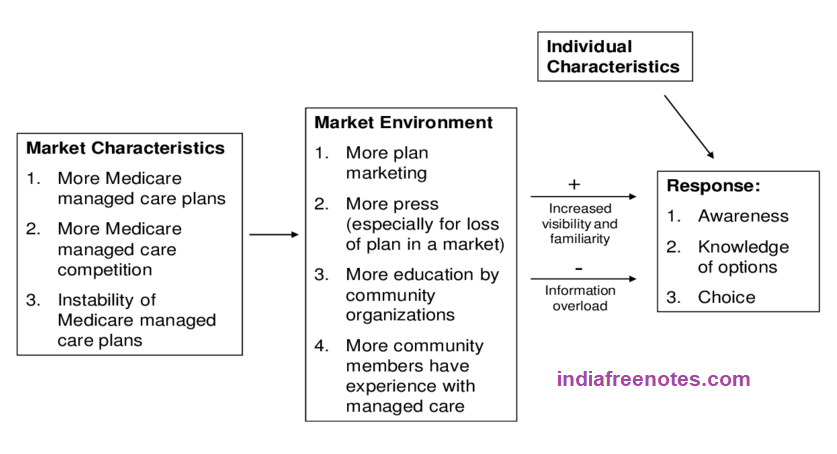
Marketing Medicare

Medicare influences most of the healthcare decisions of patients 65 and up. Unfortunately, original Medicare can have gaps in coverage that steer people away from making the right decisions for their health.

It is not surprising that many seniors look for human assistance to enroll in a health plan during Medicare’s Annual Election Period (AEP), usually with a sales or phone rep. However, what is surprising is the growing number of agents/brokers used, and their increasingly significant role in the decision-making process. In fact, according to Deft Research, nearly 20% of Medicare seniors worked with an agent in 2018, with switchers being 6x more likely to do so than non-switchers. Agents can help with many activities such as comparing benefits and prices of Medicare Advantage (MA) plans, checking if primary care providers or preferred hospital systems are in-network or if certain prescription drugs are covered. Overall, Deft found that nearly half (46%) of all MA members who received help from agent/broker cited the agent/broker as the guiding influence in their plan selection.

In addition to agents/brokers, there are other influencers Medicare marketers should consider engaging and empowering – providers, financial planners, elder lawyers and CPAs. These are professionals that are regularly asked by their Medicare-eligible clients to provide guidance and recommendations about their healthcare coverage options.

Implementing an influencer strategy requires relationship building – you can’t simply arm influencers with marketing materials and hope for the best. A relationship needs to be established and cultivated to understand the needs of the influencers; where they may have knowledge gaps, how they want to position their role in the decision-making process, etc. Then solutions must be developed that fit their individual, unique needs.

For each type of influencer, there are different deliverables and tactics to consider.

For brokers and agents

  • Collateral that can be used to educate agents/brokers, but also used by agents/brokers to sell
  • Customizable marketing materials
  • Content distribution platform where agents/brokers can request and customize materials

For providers

  • Marketing materials designed to take advantage of waiting room real estate (note: Centers for Medicare and Medicaid Services (CMS) has specific rules about provider marketing)
  • Provider-branded direct mail targeting provider patients

For financial planners, elder lawyers and CPAs

  • Collateral that can be used to educate influencers, but also used by influencers to educate their book of business
  • Co-present a Medicare education seminar or workshop inviting the influencer’s book of business

Don’t forget health plan employees; arm them with tools to make them a referring channel:

  • Develop an education and incentive program for employees
  • Arm all employees with ambassador cards business card-sized collateral pieces with a phone number and URL where those interested can get more information. (Note: CMS does not permit employees to sell who are not licensed, however, these cards are just referring the health plan to the consumer.)
  • Reward participating employees on a monthly basis to maintain program momentum

With human assistance being a major enrollment channel, it is important to consider how healthcare marketers can properly inform key influencers and help them facilitate the decision-making process.

Marketing Sanitation

Sanitation marketing is an emerging field that applies social and commercial marketing approaches to scale up the supply and demand for improved sanitation facilities. While formative research is the foundation of any sanitation marketing program, essential to understanding what products the target population desires and what price they’re willing to pay for them, components such as the marketing mix, communications campaign, and implementation are also critical to the design and implementation of effective program.

Creating sanitation demand is usually done by a combination of public and private sector actors. In Vietnam, promotion was through cooperation of the village health workers, the local leader of the Vietnam’s Women Union, and the village head, and local masons trained by the programme. In Peru it was the local entrepreneur, the local health worker and the schools. Cambodia uses local sales agents to market a sanitary toilet.

Studies in Vietnam and Kenya also showed that low-income users also want attractive models and materials that meet their aspiration of higher status product. An example are the coloured plastic latrine platforms in Kenya.

A study of 21 cases of sanitation promotion in two case study collections showed that mostly an outside agency contacts a community and offers a package. However, project staff do not always cooperate with community members. Furthermore hygiene behaviour change is seen as separate from sanitation practices in most programmes. It is also pointed out that social marketing and social mobilization are more effective methods of changing behaviour than the promise of health benefits.

A sustainability case study in Vietnam showed that three years after the pilot had ended, raising and meeting demand had still gone on without external support. Challenges were to meet the more specific technical and financing services of the poor, monitor sanitation access poor-specific and over time, and include key hygiene behaviour changes in monitoring.

Background information and materials referred to in the article:

  • A definition of sanitation marketing is the use of business principles and unsubsidized markets to make it possible that local providers meet the demands of non-poor and poor local households. (Sijbesma et al, 2010)
  • The WELL project of WEDC developed a factsheet on the principles of marketing goods and services with a development benefit, such as toilets.
  • In Peru the local entrepreneur, the local health worker and the schools created sanitation demands.
  • Cambodia uses local sales agents to market a sanitary toilet (video below).
  • Studies in Vietnam and Kenya also showed that low-income users also want attractive models and materials that meet their aspiration of higher status product.
  • A study of 21 cases of sanitation promotion in two case study collections showed that mostly an outside agency contacts a community and offers a package but that project staff is not always assisted by community members.
  • A sustainability case study in Vietnam showed that three years after the pilot had ended, raising and meeting demand had still gone on without external support.
error: Content is protected !!