Social Class and Consumer Behaviour, Nature of Social Class, Symbols of Status, Social Class categories

Social class plays a significant role in shaping consumer behaviour, as it influences people’s lifestyles, values, purchasing power, and preferences. It refers to divisions in society based on income, education, occupation, and wealth, which determine access to resources and opportunities. Social class not only reflects economic position but also carries cultural meanings, affecting how consumers perceive themselves and how they wish to be perceived by others. Higher social classes often emphasize prestige, exclusivity, and luxury brands, while middle and lower classes focus more on value for money, functionality, and necessity. Marketers study social class structures to segment markets, target consumers effectively, and design positioning strategies that appeal to specific class-driven needs. Products and services often carry symbolic meanings, allowing consumers to express their identity and social aspirations. For instance, owning premium cars, designer clothing, or branded gadgets may signal higher status. Conversely, affordable but reliable goods cater to practical needs of lower-income groups. Social class thus creates both differences and similarities in buying patterns, making it one of the most crucial environmental determinants of consumer behaviour. Understanding its impact helps marketers anticipate consumer expectations and build stronger brand-consumer relationships.

Nature of Social Class

  • Hierarchical Structure

Social class is inherently hierarchical, dividing society into higher, middle, and lower groups. Each level carries specific privileges, opportunities, and consumption patterns. The hierarchy is not rigid, allowing movement upward or downward depending on education, occupation, and income. Consumers in higher classes enjoy greater access to luxury, cultural capital, and exclusive services, while lower classes focus on necessity-based consumption. This layered nature of class reflects inequality, aspirations, and distinct behavioral differences among consumers in the marketplace.

  • Relative and Comparative

The nature of social class is relative, meaning it is understood in comparison to others. A person’s status is judged not in isolation, but against peers, neighbors, and society at large. For example, owning a car may symbolize higher class in one community, but merely average in another. This relativity shapes consumer choices, as individuals constantly compare themselves with reference groups. Marketers often exploit this by positioning products to appeal to aspirational desires and social comparisons across different classes.

  • Cultural and Social Influence

Social class is influenced by cultural values, traditions, and social norms. It reflects lifestyle, beliefs, and practices beyond just wealth. For example, etiquette, fashion sense, language, and even leisure activities are markers of class identity. Class determines what is considered “acceptable” or “prestigious” in a given society, shaping consumption accordingly. Individuals within a class share similar tastes, preferences, and consumption habits, reinforcing cultural cohesion. Thus, social class is not only economic but deeply cultural, affecting consumer behavior and purchase decisions significantly.

  • Dynamic in Nature

Social class is dynamic, meaning it changes with time, economic development, and personal achievements. Upward mobility occurs when individuals improve their education, income, or occupation, leading to new consumption patterns. Conversely, economic crises or unemployment may cause downward mobility. Globalization and digitalization have also blurred class distinctions by providing wider access to products and information. Thus, social class is not fixed but continually evolving, influencing how consumers adapt their choices, aspirations, and lifestyles in response to changing circumstances.

  • Multidimensional Concept

The nature of social class is multidimensional, determined by several factors like income, education, occupation, lifestyle, and even family background. A wealthy person without cultural refinement may not enjoy the same status as an educated professional with cultural capital. Similarly, occupation and social influence can sometimes outweigh income in class identification. This multidimensional aspect makes social class complex, as it cannot be defined by a single factor. It reflects a combination of economic, cultural, and social dimensions that shape consumer identity.

Symbols of Status:

Symbols of status are material and non-material indicators that reflect an individual’s social standing and serve as tools for social recognition. In consumer behaviour, such symbols influence how people project their identity and how others perceive them. These symbols can include luxury cars, designer clothing, premium smartphones, branded jewelry, or even experiences like luxury travel and membership in elite clubs. Status symbols allow individuals to signal wealth, success, and cultural sophistication, even beyond their basic functional value. For instance, an expensive watch not only tells time but also conveys prestige and achievement. Non-material symbols such as education, professional titles, or belonging to elite organizations also serve as strong indicators of status. Marketers leverage these aspirations by associating products with exclusivity, sophistication, and social prestige. For example, advertising campaigns for luxury brands often highlight scarcity, celebrity endorsements, and heritage value to strengthen symbolic meaning. Status symbols vary across cultures—what is prestigious in one society may not hold the same value in another. Importantly, as consumers strive to climb the social ladder, their purchasing decisions are often guided by a desire to own products that reflect higher-class lifestyles. Thus, symbols of status strongly shape consumer motivation and brand preference.

  • Wealth as a Status Symbol

Wealth remains one of the strongest indicators of social status. Ownership of luxury houses, high-end cars, jewelry, and designer fashion reflects financial power and prestige. The ability to spend lavishly on vacations, memberships in elite clubs, and philanthropy also symbolizes wealth. Consumers use such displays to differentiate themselves from lower classes and reinforce social identity. Marketers leverage this by positioning products as luxury or premium. The symbolic value often outweighs functional utility, as people purchase these items not just for use, but to showcase their financial strength, social standing, and elite lifestyle in the eyes of society.

  • Education as a Status Symbol

Educational qualifications serve as a vital symbol of social class and mobility. Higher education, especially from prestigious institutions, represents knowledge, refinement, and superior social standing. Degrees and professional credentials act as gateways to elite professions and higher incomes, indirectly reflecting success and achievement. Consumers with advanced education often seek products and services that align with intellectual sophistication, global exposure, and cultural awareness. For many, sending children to expensive schools or international universities becomes a display of social position. Education symbolizes not only intelligence but also the social prestige and lifestyle opportunities it affords in modern consumer societies.

  • Occupation as a Status Symbol

Occupation is a direct indicator of one’s role, prestige, and contribution to society. Professions such as doctors, lawyers, engineers, and CEOs are regarded with high respect, symbolizing authority, knowledge, and influence. The nature of one’s job often dictates income, lifestyle, and consumption patterns. For example, corporate executives may use luxury brands, business-class travel, and elite memberships to reinforce their occupational prestige. Similarly, uniforms, titles, and professional designations act as visible markers of status. Consumers often align their buying behavior with occupations that emphasize prestige, responsibility, and authority, making occupational identity a strong determinant of perceived social class.

  • Lifestyle as a Status Symbol

Lifestyle choices, such as where people live, how they spend their leisure time, and the hobbies they pursue, symbolize their social position. Living in affluent neighborhoods, traveling internationally, engaging in fine dining, fitness clubs, or cultural events reflects an elevated status. People use lifestyle consumption to differentiate themselves and communicate sophistication, modernity, or exclusivity. Even subtle choices, like owning eco-friendly vehicles or adopting luxury wellness practices, signal values tied to class. Marketers target this by promoting products as part of a desirable lifestyle rather than just functional goods. Lifestyle serves as a dynamic and evolving marker of social status.

  • Consumption of Luxury Brands as Status Symbols

Luxury brands play a significant role in signifying social class and prestige. Products like Rolex watches, Gucci apparel, Mercedes-Benz cars, or Apple gadgets act as visible markers of wealth and exclusivity. Such goods carry symbolic value far beyond their functional utility, providing consumers with recognition and respect in society. People buy luxury brands to signal belonging to higher social classes or aspirations for upward mobility. Exclusive branding strategies like limited editions and celebrity endorsements reinforce their desirability. Thus, luxury consumption is not merely about personal satisfaction but about creating an image of success, influence, and elevated social status.

Social Class Categories:

Social class categories are typically divided into groups based on income, education, occupation, and lifestyle, each demonstrating distinct consumer behaviours. A common classification includes the upper class, middle class, and lower class, with further subdivisions for accuracy. The upper-upper class consists of inherited wealth families, often consuming exclusive luxury goods and emphasizing heritage. The lower-upper class includes newly wealthy individuals who display status through visible consumption such as luxury cars and designer brands. The upper-middle class comprises professionals, managers, and entrepreneurs who value education, quality, and upward mobility, often purchasing premium but practical goods. The lower-middle class focuses on security and respectability, preferring branded but affordable products. The working class typically emphasizes durability, price sensitivity, and functional goods. The lower class often faces financial constraints, limiting choices to basic necessities. These categories not only represent purchasing power but also cultural values, aspirations, and lifestyles. For marketers, understanding these segments allows for targeted campaigns—luxury branding for higher classes, aspirational advertising for middle classes, and value-oriented strategies for lower classes. Social class categories thus provide a framework for predicting consumer decisions, highlighting how economic and cultural factors jointly influence patterns of consumption.

  • Upper Class

The upper class consists of wealthy individuals and families with high income, inherited wealth, or ownership of major businesses and assets. They have strong purchasing power, often favor luxury brands, exclusive products, and services that symbolize status and prestige. Their consumer behavior reflects a preference for high-quality, innovative, and rare items, as well as early adoption of premium technology. They also influence fashion, lifestyle, and brand trends as opinion leaders. Marketers often target this class through exclusivity, luxury branding, and personalized experiences. Their consumption choices are guided by prestige, social recognition, and maintaining a distinct elite identity.

  • Upper Middle Class

The upper middle class includes professionals, business executives, entrepreneurs, and people with high educational backgrounds. They have comfortable disposable incomes and focus on quality, brand reputation, and lifestyle enhancement in consumption. Their purchasing behavior often reflects aspirations for upward mobility and social recognition. They prefer branded clothing, luxury cars, fine dining, and advanced technology. Unlike the upper class, their spending is more rational and linked to professional success and lifestyle needs. They value products that signify achievement and sophistication. Marketers target them by highlighting quality, convenience, and prestige while appealing to their desire for both practicality and social status.

  • Lower Middle Class

The lower middle class comprises office workers, teachers, small business owners, and service employees. Their income is moderate, and consumption focuses on value-for-money, durability, and affordability. They are conscious of their social image and often aspire to emulate the lifestyle of higher classes. They purchase branded goods occasionally, focusing on affordable variants or discounted offers. Their consumer behavior includes saving-oriented choices and reliance on credit for big purchases. Marketers target this group by offering budget-friendly branded products, installment purchase options, and promotions. Their buying decisions balance between practicality, affordability, and the desire to climb the social ladder.

  • Working Class

The working class includes factory workers, clerks, and individuals with lower incomes and less financial security. Their consumer behavior is largely guided by necessity, price sensitivity, and basic functionality. They prioritize essential goods like food, clothing, housing, and transportation over luxury or discretionary items. However, they also spend on affordable entertainment, mass-market products, and budget services. Brand loyalty is common if the products provide consistent quality at a reasonable price. Marketers target this class with discounts, value packs, and affordable alternatives. Their consumption patterns highlight practicality, survival, and gradual aspirations for upward mobility through small lifestyle improvements.

  • Lower Class

The lower class consists of individuals and families with very limited income, often living below the poverty line. Their consumer behavior is focused on fulfilling basic needs like food, shelter, clothing, and healthcare. They are highly price-conscious and rely on low-cost, subsidized, or second-hand goods. Discretionary spending is minimal, and brand preference is often non-existent unless affordability allows. Their consumption choices are constrained by financial limitations, making them dependent on government schemes, NGOs, or low-priced local markets. Marketers rarely target this group directly, but affordable product innovations, microfinance, and rural marketing strategies are tailored to address their basic consumption needs.

Innovation and Diffusion of Innovation, Types of Innovation, Product features that affect the adoption

Innovation refers to the process of creating and implementing new ideas, products, services, or processes that add value to consumers and businesses. In the context of consumer behaviour, innovation plays a crucial role in shaping preferences, influencing purchase decisions, and driving market trends. It can be technological, such as introducing a new gadget, or conceptual, like developing a unique service model. Innovations attract consumers by offering novelty, convenience, or improved functionality, often creating a competitive advantage for companies. Consumer acceptance of innovation depends on perceived benefits, ease of use, social influence, and risk considerations. Ultimately, innovation drives change in consumer behaviour by encouraging experimentation, brand switching, and the adoption of new consumption patterns.

Diffusion of Innovation Model:

  • Innovators (2.5%):

Innovators are the first group to try a new product or idea. They are adventurous, risk-takers, and willing to experiment even when the innovation is unproven. Often financially stable and highly informed, they seek novelty and enjoy being ahead of trends. Innovators play a critical role in the diffusion process by providing initial feedback and helping refine products. They are less influenced by social pressure and more by curiosity and technical interest. Their adoption encourages early adopters to follow, acting as the starting point for broader market acceptance of innovations.

  • Early Adopters (13.5%):

Early adopters are opinion leaders and trendsetters who adopt innovations soon after innovators. They are socially respected, well-connected, and often serve as role models within their networks. Their adoption signals credibility, encouraging others to consider the innovation. Early adopters are more cautious than innovators but still willing to take calculated risks. They value the practical benefits and long-term advantages of innovations and often provide feedback to improve products. Marketers target this group to accelerate diffusion because their positive experiences and recommendations strongly influence the early and late majority.

  • Early Majority (34%):

The early majority adopts an innovation after careful consideration, once its usefulness and reliability are proven. They are deliberate, avoid risks, and rely heavily on recommendations from innovators and early adopters. This group is socially connected but not leaders; they prefer tested solutions over novelty. Adoption by the early majority signals that the innovation has reached mainstream acceptance. Marketing strategies targeting this segment focus on demonstrating value, ease of use, and trustworthiness. Their collective adoption significantly drives market growth, bridging the gap between trendsetters and the majority of consumers, making the product widely accepted and established.

  • Late Majority (34%):

The late majority is skeptical and cautious, adopting innovations only after most of society has embraced them. They tend to have limited resources, lower social influence, and are influenced by peer pressure rather than novelty. Risk aversion is high, and they often require strong assurance of value, affordability, and simplicity. Marketers often appeal to this group through social proof, discounts, and guarantees. Adoption by the late majority is essential for achieving mass-market penetration and maximizing sales. Their acceptance marks the peak of the diffusion curve, solidifying the innovation as a standard or mainstream product.

  • Laggards (16%):

Laggards are the last group to adopt an innovation, often resistant to change due to tradition, skepticism, or limited resources. They prefer familiar products and are influenced minimally by social or marketing pressures. Laggards may adopt only when the innovation becomes unavoidable or when older alternatives are unavailable. Their adoption is usually slow, and they often require extensive persuasion, strong evidence of benefits, or generational influence. Although small in number, laggards complete the diffusion process, ensuring that the innovation reaches all consumer segments. Understanding their behavior helps marketers plan long-term strategies and phase out older products effectively.

Diffusion Process:

  • Knowledge Stage:

In this stage, consumers become aware of a new product, idea, or innovation. They gain information through advertisements, media, word-of-mouth, or personal observation. At this point, consumers understand the innovation’s existence but lack detailed knowledge about its features or benefits. Effective communication and marketing strategies are crucial to create awareness and spark interest. Without adequate knowledge, the diffusion process cannot start, as consumers cannot adopt what they do not know exists.

  • Persuasion Stage:

During the persuasion stage, consumers form attitudes toward the innovation based on perceived advantages, social influence, and personal evaluation. They seek more information, compare alternatives, and consider the benefits and risks. Positive opinions and recommendations from early adopters and opinion leaders strongly influence this stage. The goal is to convince consumers that the innovation is valuable, practical, and compatible with their needs, encouraging them to move toward adoption rather than rejecting it.

  • Decision Stage:

In the decision stage, consumers make a choice to adopt or reject the innovation. This involves weighing the advantages, risks, costs, and compatibility with their lifestyle. Trial usage, demonstrations, or sampling often help reduce uncertainty. Marketing efforts focus on facilitating the purchase decision through promotions, guarantees, or easy access. The decision stage is critical because a positive choice initiates the adoption process, while rejection may require re-marketing strategies or social influence to reconsider later.

  • Implementation Stage:

The implementation stage occurs when consumers start using the innovation. They integrate it into daily life, experience its functionality, and evaluate its practical benefits. This stage may involve learning how to use the product effectively, overcoming usage challenges, and adapting behavior to accommodate the innovation. Positive experiences reinforce adoption, while difficulties or dissatisfaction may lead to discontinuation. Companies provide user support, instructions, and customer service to ensure smooth implementation and enhance consumer satisfaction.

  • Confirmation Stage:

In the confirmation stage, consumers seek validation for their adoption decision. They look for reinforcement from personal experience, peers, or social networks to confirm that adopting the innovation was the right choice. Positive feedback strengthens loyalty and continued usage, while negative feedback may lead to discontinuance or switching to alternatives. Marketers encourage confirmation through testimonials, follow-up services, and community engagement. This stage ensures long-term adoption, repeat usage, and advocacy, completing the diffusion process and helping the innovation achieve market stability.

Types of Innovation:

  • Product Innovation:

Product innovation involves creating or improving a product to offer new features, better quality, or enhanced functionality. It can be a completely new product or an upgraded version of an existing one. This type of innovation attracts consumers by meeting unmet needs, solving problems, or providing greater convenience. Product innovation often drives brand differentiation and competitive advantage. Companies invest in research and development, design, and testing to ensure that innovations are practical, appealing, and valuable. Successful product innovations can lead to increased sales, customer loyalty, and long-term market leadership.

  • Process Innovation:

Process innovation focuses on improving the methods, techniques, or systems used to produce or deliver products and services. It aims to increase efficiency, reduce costs, enhance quality, or shorten production time. Examples include automation, lean manufacturing, and digital workflows. Process innovations do not always change the product itself but improve the value chain, benefiting both companies and consumers through faster delivery, lower prices, or higher consistency. Such innovations can strengthen competitive advantage, streamline operations, and improve customer satisfaction by ensuring products and services are delivered more efficiently and reliably.

  • Marketing Innovation:

Marketing innovation involves developing new strategies to promote, distribute, or sell products and services. It includes novel advertising campaigns, pricing models, branding approaches, or distribution channels. The goal is to enhance customer engagement, expand market reach, and differentiate the brand in competitive markets. Marketing innovation leverages consumer insights, technology, and creative messaging to influence purchase behavior and build loyalty. For example, digital campaigns, influencer marketing, and experiential promotions are modern forms. This type of innovation helps firms connect with target audiences more effectively, communicate product value, and stimulate demand in ways that traditional marketing may not achieve.

  • Organizational Innovation:

Organizational innovation refers to changes in a company’s structure, management practices, or business models to improve efficiency, flexibility, or competitiveness. This includes new workflows, team structures, leadership approaches, or collaborative systems. It enhances decision-making, resource utilization, and employee engagement, ultimately supporting innovation in products or services. Organizational innovation is crucial for adapting to market changes, fostering creativity, and sustaining long-term growth. Companies adopting innovative organizational practices can respond faster to consumer needs, implement strategies effectively, and maintain a competitive edge. It complements other types of innovation by providing a supportive internal environment for success.

Product features that affect the adoption:

  • Relative Advantage:

Relative advantage refers to the degree to which a product is perceived as better than existing alternatives. Consumers are more likely to adopt innovations that offer clear benefits, such as improved performance, convenience, cost savings, or enhanced status. The greater the perceived advantage, the faster the adoption rate. Marketers highlight unique selling points and practical benefits to emphasize relative advantage. Products that significantly improve efficiency or solve problems effectively are adopted more readily. If consumers cannot perceive a meaningful improvement, even innovative products may face resistance in the market.

  • Compatibility:

Compatibility measures how well a new product aligns with existing values, experiences, and needs of consumers. Innovations that fit seamlessly into current lifestyles, habits, or social norms are adopted more easily. A product incompatible with consumer expectations or routines may face hesitation or rejection. For example, technology requiring significant behavioral changes may experience slower adoption. Marketers must understand target audiences and design products that integrate with their preferences, culture, and usage patterns. Higher compatibility reduces perceived risk, increases comfort, and encourages quicker acceptance, ensuring smoother diffusion of the innovation in the market.

  • Complexity:

Complexity refers to the perceived difficulty in understanding or using a product. Products that are simple, intuitive, and easy to learn are adopted faster, while those perceived as complicated may discourage potential users. High complexity increases the learning curve, frustration, and perceived risk, slowing diffusion. Companies often provide tutorials, demonstrations, and user-friendly designs to reduce complexity. Innovations that appear accessible and convenient encourage experimentation and trial usage. Reducing complexity not only enhances adoption but also boosts customer satisfaction, loyalty, and word-of-mouth promotion, accelerating the overall diffusion process in the target market.

  • Trialability:

Trialability is the extent to which consumers can experiment with a product before making a full commitment. Products that allow sampling, demonstrations, or trial periods reduce perceived risk and uncertainty, making adoption easier. Trial experiences help consumers evaluate benefits, usability, and compatibility with their needs. High trialability fosters confidence, encourages word-of-mouth promotion, and often accelerates the diffusion process. Companies frequently use free trials, pilot programs, or temporary usage options to increase trialability. When consumers can experience a product firsthand, they are more likely to adopt it permanently and recommend it to others.

  • Observability:

Observability refers to how visible the results and benefits of a product are to others. Innovations whose advantages are easily seen or demonstrated encourage adoption through social influence and peer validation. Consumers are more likely to try products that others use successfully, as it reduces uncertainty and builds trust. Observability can be enhanced through testimonials, social media sharing, or public demonstrations. Products with high observability benefit from positive word-of-mouth, imitation, and faster market penetration. The more tangible and noticeable the outcomes of using an innovation, the higher the likelihood that potential adopters will follow suit.

Determinants of an Effective Control System

Control System in management refers to the processes and mechanisms used by managers to ensure that an organization’s activities align with its goals and objectives. It involves setting performance standards, measuring actual performance, comparing it with established standards, and taking corrective actions when necessary. Control systems help monitor efficiency, ensure quality, and address deviations from plans. They can be applied across various areas, such as finance, production, and human resources, to maintain consistency and achieve organizational targets. A well-designed control system contributes to improved decision-making, accountability, and continuous improvement within the organization.

Prerequisites of Effective Control System

  • Accuracy

Effective controls generate accurate data and information. Accurate information is essential for effective managerial decisions. Inaccurate controls would divert management efforts and energies on problems that do not exist or have a low priority and would fail to alert managers to serious problems that do require attention.

  • 2. Timeliness

There are many problems that require immediate attention. If information about such problems does not reach management in a timely manner, then such information may become useless and damage may occur. Accordingly controls must ensure that information reaches the decision makers when they need it so that a meaningful response can follow.

  • Flexibility

The business and economic environment is highly dynamic in nature. Technological changes occur very fast. A rigid control system would not be suitable for a changing environment. These changes highlight the need for flexibility in planning as well as in control.

Strategic planning must allow for adjustments for unanticipated threats and opportunities. Similarly, managers must make modifications in controlling methods, techniques and systems as they become necessary. An effective control system is one that can be updated quickly as the need arises.

  • Acceptability

Controls should be such that all people who are affected by it are able to understand them fully and accept them. A control system that is difficult to understand can cause unnecessary mistakes and frustration and may be resented by workers.

Accordingly, employees must agree that such controls are necessary and appropriate and will not have any negative effects on their efforts to achieve their personal as well as organizational goals.

  • Integration

When the controls are consistent with corporate values and culture, they work in harmony with organizational policies and hence are easier to enforce. These controls become an integrated part of the organizational environment and thus become effective.

  • Economic feasibility

The cost of a control system must be balanced against its benefits. The system must be economically feasible and reasonable to operate. For example, a high security system to safeguard nuclear secrets may be justified but the same system to safeguard office supplies in a store would not be economically justified. Accordingly the benefits received must outweigh the cost of implementing a control system.

  • Strategic placement

Effective controls should be placed and emphasized at such critical and strategic control points where failures cannot be tolerated and where time and money costs of failures are greatest.

The objective is to apply controls to the essential aspect of a business where a deviation from the expected standards will do the greatest harm. These control areas include production, sales, finance and customer service.

  • Corrective action

An effective control system not only checks for and identifies deviation but also is programmed to suggest solutions to correct such a deviation. For example, a computer keeping a record of inventories can be programmed to establish “if-then” guidelines. For example, if inventory of a particular item drops below five percent of maximum inventory at hand, then the computer will signal for replenishment for such items.

  • Emphasis on exception

A good system of control should work on the exception principle, so that only important deviations are brought to the attention of management, In other words, management does not have to bother with activities that are running smoothly. This will ensure that managerial attention is directed towards error and not towards conformity. This would eliminate unnecessary and uneconomic supervision, marginally beneficial reporting and a waste of managerial time.

Line and Staff Relationships

In organizational management, the concepts of line and staff relationships are fundamental to understanding how authority, responsibility, and roles are structured. These relationships define the interaction between individuals or departments with direct operational responsibility (line) and those providing support and specialized expertise (staff).

Line Relationships

Line relationships refer to the direct chain of command within an organization. They are based on the principle of scalar chain, which establishes authority and responsibility in a vertical hierarchy. Individuals in line positions have the authority to make decisions and ensure the execution of core business activities.

Characteristics of Line Relationships:

  1. Direct Authority: Line managers have direct authority over their subordinates, enabling them to supervise and control operations effectively.
  2. Decision-Making Power: They are responsible for making decisions that directly affect organizational goals and objectives.
  3. Focus on Objectives: Line managers concentrate on achieving the primary goals of the organization, such as production, sales, or service delivery.
  4. Accountability: They are accountable for the outcomes of the decisions they make and the performance of their teams.

Staff Relationships

Staff relationships, on the other hand, involve advisory and supportive roles. Staff members do not have direct authority over operational activities but provide specialized expertise, guidance, and resources to assist line managers in achieving objectives.

Characteristics of Staff Relationships:

  1. Advisory Role: Staff members offer advice and expertise in areas like finance, human resources, legal compliance, and research.
  2. Supportive Function: They assist line managers by providing the necessary tools, data, and services required for decision-making.
  3. No Direct Authority: Staff positions lack direct control over line employees, focusing instead on influencing through recommendations.
  4. Focus on Efficiency: Staff members aim to enhance organizational efficiency by introducing best practices and innovative solutions.

Types of Staff

  1. Personal Staff: Assist specific line managers in their duties (e.g., executive assistants).
  2. Specialized Staff: Provide expertise in specific areas such as legal, IT, or marketing.
  3. General Staff: Offer advice across multiple areas and functions.

Line and Staff Coordination

Coordination between line and staff roles is essential for organizational success. The line executes plans, while the staff ensures that those plans are well-informed and optimized. Effective collaboration ensures that both operational and advisory roles contribute to the organization’s goals.

Advantages of Line and Staff Relationships

  1. Expertise Utilization: Staff members bring specialized knowledge and skills, enhancing decision-making.
  2. Focused Operations: Line managers concentrate on achieving operational targets, supported by staff resources.
  3. Improved Efficiency: The division of roles ensures that managers are not overburdened, leading to better performance.
  4. Innovation: Staff roles encourage the adoption of new techniques and practices, fostering organizational growth.

Challenges in Line and Staff Relationships

  1. Conflict of Authority: Disputes may arise if staff members try to exert influence beyond their advisory roles.
  2. Communication Gaps: Misunderstandings between line and staff can lead to inefficiencies and errors.
  3. Resistance to Advice: Line managers may resist recommendations from staff, especially if they perceive it as interference.
  4. Role Ambiguity: Overlapping responsibilities can create confusion and hinder collaboration.

Ways to Improve Line and Staff Relationships

  1. Clear Role Definition: Clearly defining the roles and authority of line and staff positions minimizes conflicts and confusion.
  2. Effective Communication: Regular communication ensures that both line and staff understand each other’s perspectives and work collaboratively.
  3. Mutual Respect: Encouraging mutual respect between line and staff fosters a positive working relationship.
  4. Training and Development: Providing training for both line and staff helps them understand their interdependent roles.
  5. Integration of Functions: Encouraging joint planning and decision-making processes improves coordination and alignment.

Examples of Line and Staff Roles

  • Line Roles: Production managers, sales managers, and operations supervisors who directly contribute to the organization’s core activities.
  • Staff Roles: Human resources advisors, legal consultants, and financial analysts who support the line roles with expertise and advisory services.

Johari Window, Model, Features

Johari Window is a psychological model that represents self-awareness and interpersonal relationships. It consists of four quadrants that depict aspects of oneself: Open Area (known to self and others), Blind Spot (unknown to self but known to others), Hidden Area (known to self but hidden from others), and Unknown Area (unknown to both self and others). The model illustrates how communication, feedback, and disclosure can expand the Open Area, enhancing self-understanding and relationships. Through mutual sharing and feedback, individuals can reduce the Hidden and Blind Spot areas, fostering personal growth, trust, and effective collaboration in both personal and professional settings.

Johari Window Model Description:

The Johari Window is a framework used to enhance understanding of interpersonal communication and relationships. Developed by psychologists Joseph Luft and Harrington Ingham in 1955, it visualizes the aspects of oneself that are known or unknown to oneself and others.

topic 7.png

The model consists of four quadrants:

  • Open Area:

Known to both oneself and others, including traits, feelings, and behaviors openly shared.

  • Blind Spot:

Known to others but unknown to oneself, highlighting aspects where feedback and self-awareness can reduce misunderstanding.

  • Hidden Area:

Known to oneself but not shared openly with others, representing personal feelings, fears, or experiences kept private.

  • Unknown Area:

Neither known to oneself nor to others, holding unrealized potential, talents, or aspects awaiting discovery.

Johari Window Model Functions:

  • Self-awareness:

It promotes introspection and awareness of one’s own behaviors, feelings, and motivations by highlighting blind spots and hidden aspects.

  • Feedback:

Facilitates giving and receiving constructive feedback, helping individuals understand how others perceive them and reducing blind spots.

  • Relationship Building:

Enhances communication and trust by expanding the open area through mutual disclosure and sharing.

  • Conflict Resolution:

Provides a framework for resolving misunderstandings and conflicts by increasing awareness of differing perspectives and motivations.

  • Personal Growth:

Encourages personal growth and development by expanding the known areas and integrating feedback to improve self-understanding.

  • Team Development:

Used in organizational settings to foster teamwork, collaboration, and effective communication among team members.

Effects of Perceptual Error in Managerial Decision Making at Work Place

Perceptual errors occur when individuals misinterpret information, people, or situations due to biases, limited information, or faulty judgment. In organizations, such errors can affect decision-making, teamwork, and evaluations. Common perceptual errors include stereotyping (judging someone based on group characteristics), halo effect (forming an overall impression from one trait), selective perception (focusing only on information that supports existing views), projection (attributing one’s own feelings to others), and contrast effect (evaluating someone in comparison with others rather than on merit). These errors can lead to unfair appraisals, poor communication, and conflicts in the workplace. Managers must be aware of perceptual biases to make objective decisions, promote fairness, and build stronger organizational relationships.

Types of Perceptual Errors:

  • Stereotyping

Stereotyping occurs when individuals judge others based on their membership in a particular group rather than personal characteristics. For example, assuming older employees resist technology or that young employees lack maturity. Such generalizations ignore individuality and lead to biased judgments. In organizations, stereotyping can negatively influence recruitment, promotions, and performance evaluations, resulting in discrimination and reduced morale. While it simplifies information processing, it distorts reality and creates unfair treatment. Managers must avoid relying on stereotypes and instead assess employees on actual performance and capabilities. Promoting diversity awareness and unbiased evaluation helps reduce stereotyping in the workplace.

  • Halo Effect

The halo effect happens when one positive trait of a person influences the overall perception of them. For example, if an employee is punctual, a manager might assume they are also hardworking, reliable, and productive, even without evidence. This bias often leads to inaccurate appraisals and overlooks weaknesses. Similarly, the reverse—called the “horn effect”—occurs when one negative trait dominates judgment. The halo effect affects promotions, rewards, and recognition by exaggerating certain qualities. In organizations, it reduces objectivity in evaluations. Managers must use structured performance criteria to ensure fairness and minimize the influence of single traits on overall judgment.

  • Selective Perception

Selective perception occurs when individuals interpret information based on their existing beliefs, values, or attitudes, ignoring information that contradicts them. For example, a manager who believes a specific employee is lazy may notice only mistakes while overlooking achievements. This error leads to biased decision-making and unfair evaluations. In organizations, selective perception can create misunderstandings, reinforce stereotypes, and prevent innovation. It causes individuals to see what they expect rather than what actually exists. Managers should encourage open communication, objective evidence-based decisions, and multiple perspectives to reduce selective perception and ensure fair treatment of employees and situations.

  • Projection

Projection refers to attributing one’s own feelings, motives, or attitudes to others. For example, a manager who values ambition may assume all employees are equally driven, or an insecure leader may think others doubt their capabilities. This error distorts reality and results in misjudgments about others’ behaviour and intentions. In organizations, projection can create unrealistic expectations, miscommunication, and conflicts. Employees may feel misunderstood or pressured to meet assumptions they do not hold. To overcome projection, managers must recognize personal biases, practice empathy, and evaluate employees based on actual behaviour rather than projecting their own thoughts and feelings.

  • Contrast Effect

The contrast effect occurs when individuals are evaluated by comparison with others rather than on their own merits. For example, a moderately performing employee may seem outstanding if compared to poor performers, but below average if compared to exceptional ones. This error skews performance evaluations, recruitment decisions, and promotions. It unfairly rewards or penalizes employees based on context instead of actual ability. In organizations, the contrast effect leads to inconsistency and dissatisfaction among employees. To minimize it, managers should use absolute standards and clear criteria for evaluation rather than relying on comparisons between individuals.

Effects of Perceptual Error in Managerial Decision Making at Work Place:

  • Biased Recruitment and Selection

Perceptual errors often lead to biased hiring decisions. For example, stereotyping may cause managers to prefer candidates from certain backgrounds, while the halo effect may result in overvaluing one positive trait, such as communication skills, over overall competency. Such errors can result in overlooking more qualified applicants, reducing workforce diversity, and lowering organizational efficiency. Poor hiring choices increase training costs, turnover, and dissatisfaction. To avoid this, managers must use structured interviews, standardized assessment tools, and multiple evaluators to ensure fairness and objectivity during recruitment and selection processes.

  • Inaccurate Performance Appraisal

Perceptual errors strongly affect performance evaluations. Managers may rely on selective perception, noticing only behaviours that confirm their beliefs, or the contrast effect, judging employees against one another rather than actual standards. This leads to unfair ratings, where hardworking employees may be undervalued while others are overrated. Such biased appraisals reduce employee motivation, trust, and morale, causing dissatisfaction and disengagement. In the long run, they undermine organizational justice and performance. Managers must rely on measurable performance indicators, consistent criteria, and multi-source feedback (such as 360-degree appraisals) to reduce errors and maintain fairness in evaluation processes.

  • Poor Communication and Misunderstanding

Perceptual errors can distort workplace communication. For instance, projection may cause managers to assume employees share the same goals or motivations, leading to unrealistic expectations. Similarly, selective perception may result in ignoring valuable employee input that contradicts managerial views. These distortions cause misunderstandings, misinterpretation of instructions, and reduced collaboration. Employees may feel unheard or misjudged, lowering trust and openness in communication. Such errors hinder teamwork and effective decision-making, reducing organizational performance. Managers can avoid this by practicing active listening, clarifying assumptions, and encouraging feedback to ensure messages are interpreted correctly and all perspectives are considered.

  • Conflict and Employee Dissatisfaction

Perceptual errors contribute to workplace conflict and dissatisfaction. For example, stereotyping may foster discrimination, while the halo or horn effect may lead to perceptions of favoritism in appraisals or promotions. These errors create resentment, reduce morale, and weaken trust in management. Employees who feel unfairly treated may disengage, resist cooperation, or even leave the organization. Conflicts arising from misjudgments also consume managerial time and resources. To minimize these effects, managers must ensure transparency, adopt fair evaluation systems, and implement diversity and inclusion initiatives. This builds trust, reduces conflict, and fosters a healthier work environment.

Skewness

Skewness, in statistics, is the degree of distortion from the symmetrical bell curve, or normal distribution, in a set of data. Skewness can be negative, positive, zero or undefined. A normal distribution has a skew of zero, while a lognormal distribution, for example, would exhibit some degree of right-skew.

The three probability distributions depicted below depict increasing levels of right (or positive) skewness. Distributions can also be left (negative) skewed. Skewness is used along with kurtosis to better judge the likelihood of events falling in the tails of a probability distribution.

Right skewness

  • Skewness, in statistics, is the degree of distortion from the symmetrical bell curve in a probability distribution.
  • Distributions can exhibit right (positive) skewness or left (negative) skewness to varying degree.
  • Investors note skewness when judging a return distribution because it, like kurtosis, considers the extremes of the data set rather than focusing solely on the average.

Broadly speaking, there are two types of skewness: They are

(1) Positive skewness

(2) Negative skewnes.

Positive skewness

A series is said to have positive skewness when the following characteristics are noticed:

  • Mean > Median > Mode.
  • The right tail of the curve is longer than its left tail, when the data are plotted through a histogram, or a frequency polygon.
  • The formula of Skewness and its coefficient give positive figures.

Negative Skewness

A series is said to have negative skewness when the following characteristics are noticed:

  • Mode> Median > Mode.
  • The left tail of the curve is longer than the right tail, when the data are plotted through a histogram, or a frequency polygon.
  • The formula of skewness and its coefficient give negative figures.

Thus, a statistical distribution may be three types viz.

  • Symmetric
  • Positively skewed
  • Negatively skewed

Skewness Co-efficient

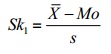
  1. Pearson’s Coefficient of Skewness #1 uses the mode. The formula is:

    pearson skewness

    Where xbar = the mean, Mo = the mode and s = the standard deviation for the sample.
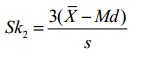
  2. Pearson’s Coefficient of Skewness #2 uses the median. The formula is:

    Pearson's Coefficient of Skewness

    Where xbar = the mean, Mo = the mode and s = the standard deviation for the sample.

    It is generally used when you don’t know the mode.

Communication Meaning, Importance, Process, Model

Communication is the process of exchanging information, ideas, emotions, and messages between individuals or groups through various channels. It involves a sender transmitting a message, a medium to deliver it, and a receiver who interprets and responds to it. Effective communication can occur verbally, non-verbally, or through written and digital means. It is essential for fostering understanding, building relationships, and facilitating decision-making in personal and professional settings. Communication ensures clarity, coordination, and collaboration, making it a cornerstone of organizational success and human interaction. Feedback, an integral part of communication, ensures the message is understood as intended.

Importance of Communication:

  • Facilitates Exchange of Information

Communication enables the transfer of ideas, knowledge, and instructions within an organization or among individuals. Clear and effective communication ensures that everyone involved is well-informed, which is essential for decision-making and problem-solving.

  • Builds and Maintains Relationships

Strong communication is the foundation of healthy relationships, whether personal or professional. It fosters understanding, trust, and mutual respect. Open and honest communication helps resolve conflicts, strengthen bonds, and enhance collaboration among individuals or teams.

  • Supports Decision-Making

Informed decisions rely on the availability and accuracy of information. Communication ensures that relevant data, opinions, and insights are shared and understood, enabling managers and teams to make sound decisions. This reduces errors and aligns efforts with organizational objectives.

  • Enhances Employee Motivation and Morale

Effective communication between managers and employees fosters a positive work environment. Providing feedback, recognizing achievements, and addressing concerns motivate employees. This leads to improved performance, higher morale, and a sense of belonging within the organization.

  • Ensures Coordination and Teamwork

In organizations, communication is crucial for coordinating efforts across departments and teams. It aligns individual goals with organizational objectives and ensures that everyone works collaboratively. Clear communication minimizes misunderstandings and promotes synergy.

  • Drives Organizational Growth

Communication plays a critical role in implementing strategies, introducing changes, and achieving targets. Through effective communication, organizations can respond to market demands, customer needs, and competitive challenges, driving sustainable growth and success.

  • Facilitates Conflict Resolution

Misunderstandings and disagreements are inevitable, but effective communication helps resolve them amicably. Open dialogue allows parties to express their views, understand each other’s perspectives, and reach mutually beneficial solutions.

  • Promotes Innovation and Creativity

Effective communication encourages the sharing of ideas and perspectives, fostering innovation and creativity. Employees feel empowered to contribute new solutions and approaches, which drive organizational improvement and competitiveness.

Process of Communication:

Communication process involves several steps through which information is transferred from the sender to the receiver, ensuring the message is conveyed accurately and effectively. It is a dynamic, continuous process that facilitates understanding, decision-making, and relationship-building.

  • Sender/Source

The communication process begins with the sender, who is the individual or entity that has a message to convey. The sender identifies the information to be shared and determines how to communicate it to the receiver.

  • Encoding

Encoding is the process of converting the message into a format that can be understood by the receiver. This could involve using words, symbols, images, or body language. The sender decides on the appropriate method, such as verbal, written, or non-verbal communication, based on the nature of the message and the audience.

  • Message

Message is the actual information or content being communicated. It can be a fact, idea, opinion, or instruction. The clarity and relevance of the message are crucial for ensuring it is understood as intended by the receiver.

  • Channel

Channel is the medium through which the message is transmitted. Communication channels can be verbal (face-to-face conversations, phone calls), non-verbal (gestures, body language), or written (emails, reports). The choice of channel depends on the context, urgency, and nature of the message.

  • Receiver

Receiver is the person or group who receives the message. They interpret and decode the information based on their knowledge, experience, and perceptions. The receiver plays a critical role in understanding and responding to the message.

  • Decoding

Decoding is the process by which the receiver interprets or makes sense of the message. The receiver translates the sender’s message into a form that can be understood. This step is influenced by the receiver’s cultural background, language skills, and personal experiences.

  • Feedback

Feedback is the response given by the receiver to the sender. It can be verbal, non-verbal, or written and helps the sender assess whether the message has been understood accurately. Feedback is a vital part of the communication process, as it enables clarification and correction if necessary.

  • Noise

Noise refers to any external or internal interference that disrupts the communication process. It could be physical (such as background noise), psychological (such as preconceived notions), or semantic (such as language barriers). Noise can distort the message, leading to misunderstandings or misinterpretations.

Model of Communication:

Model of Communication is a conceptual framework that explains how information is transmitted between individuals or entities. It illustrates the process of communication, highlighting key components and the flow of messages. There are several models of communication, but one of the most widely recognized is the Shannon-Weaver Model.

1. Shannon-Weaver Model of Communication (1949)

Often called the “Linear Model,” the Shannon-Weaver model focuses on the transmission of a message from a sender to a receiver. It includes the following components:

  • Sender: The originator of the message or information.
  • Encoder: The process of converting the message into a format suitable for transmission (e.g., speech, text, etc.).
  • Message: The information being communicated.
  • Channel: The medium used to transmit the message (e.g., voice, email, social media).
  • Receiver: The individual or group that receives the message.
  • Decoder: The process of interpreting the received message.
  • Noise: Any external or internal factors that interfere with the transmission or understanding of the message (e.g., technical issues, language barriers).

The Shannon-Weaver model emphasizes the linear and one-way nature of communication, though it is often criticized for its lack of feedback in real-time interactions.

2. Berlo’s SMCR Model (1960)

Berlo’s SMCR (Source-Message-Channel-Receiver) model is an extension of the Shannon-Weaver model, adding more detail to each stage:

  • Source: The originator of the message, which involves their communication skills, attitudes, and knowledge.
  • Message: The actual content or subject being communicated, which includes the message’s clarity, structure, and complexity.
  • Channel: The medium used to transmit the message, which may include visual, auditory, or tactile channels.
  • Receiver: The person receiving the message, whose background, experiences, and ability to decode affect how the message is received.

3. Transactional Model of Communication

Transactional Model views communication as a dynamic, two-way process. In this model:

  • Sender and Receiver: Both roles are interchangeable, as both parties simultaneously send and receive messages.
  • Feedback: This model emphasizes the importance of feedback, where the receiver becomes the sender, providing responses to the original sender.
  • Context: The physical, social, and cultural environment in which the communication occurs is crucial in shaping the interaction.
  • Noise: This model also acknowledges the presence of noise, which can affect the quality of communication.

4. Interactive Model of Communication

Interactive Model builds upon the transactional model by incorporating time as a factor. It views communication as a process influenced by the sender’s and receiver’s experiences, attitudes, and societal context. In this model:

  • Encoding and Decoding: These processes involve the sender and receiver, respectively, using their cognitive and emotional resources.
  • Context: The model also includes the broader context of communication, including physical, emotional, and cultural environments.
  • Feedback and Noise: Feedback is ongoing, and noise affects communication during each stage.

5. Helix Model of Communication

Helix Model, introduced by Barnlund, focuses on the continuous nature of communication. Communication is seen as a spiral process, with each interaction building on previous ones. The helix metaphor suggests that communication is ever-evolving and dynamic, where meaning is built over time, based on previous experiences and exchanges.

Foundation of Human Skills University of Mumbai BMS 1st Sem Notes

Unit 1 {Book}

Individual Behavior: Concept of a Man

VIEW

Individual Differences and Factors affecting Individual differences

VIEW

Influence of Environment

VIEW

Personality: Determinants of Personality

VIEW

Personality Traits Theory

VIEW

Type A and Type B Personalities

VIEW

Johari Window

VIEW

Attitude Meaning, Nature and Components

VIEW

Functions of Attitudes

VIEW

Way of Changing Attitude

VIEW

Emotions

VIEW

Thinking Skills

VIEW

Thinking Styles

VIEW

Thinking Hat

VIEW

Managerial Skills and Development

VIEW

Learning Meaning and Characteristics

VIEW

Theories of Learning

VIEW

Intelligence Meaning and Types

VIEW

Perception Meaning and Features

VIEW

Factor Influencing Individual Perception

VIEW

Effects of Perceptual Error in Managerial Decision Making at Work Place

VIEW

Unit 2 {Book}

Group Behavior

VIEW

Group Dynamics Meaning, Nature and Types

VIEW

Group Behavior Model (Roles, Norms, Status, Process and Structures)

VIEW

Team Effectiveness Meaning and Nature

VIEW

Types of Team

VIEW

Way of Forming an Effective Team

VIEW

Setting Goals

VIEW

Power and Politics Nature

VIEW

Bases of power in an Organization

VIEW

Politics Nature and Types

VIEW

Causes of Organizational Politics

VIEW

Political Games

VIEW

Conflict Meaning and Features

VIEW

Types of Conflict

VIEW

Causes Leading to Organizational Conflicts

VIEW

Levels of Conflict

VIEW

Ways to Resolve Conflict through Five Conflict Resolution Strategies with Outcomes

VIEW

Unit 3 {Book}

Organizational Culture Meaning and Characteristics

VIEW

Organizational Culture Types and Functions

VIEW

Barriers of Organizational Culture

VIEW

Way of Creating and Maintaining Effective Organization Culture

VIEW

Motivation Meaning, Nature, Types and Importance

VIEW

Maslow Need Hierarchy

VIEW

F. Hertzberg Dual Factor

VIEW

Mc. Gregor theory X and Theory Y

VIEW

Ways of Motivating Through Carrot (Positive Reinforcement) and Stick (Negative Reinforcement) at Workplace

VIEW

Unit 4 {Book}

Organizational Changes Meaning, Causes, Response and Process

VIEW

Factors Influencing Organizational Change

VIEW

Kurt Lewins Model of Organizational Change and Development

VIEW

Creativity and Qualities of a Creative Person

VIEW

Ways of Enhancing Creativity for Effective Decision Making

VIEW

Creative Problem Solving

VIEW

Organizational Development

VIEW

Organizational Development Techniques

VIEW

Stress Meaning and Types

VIEW

Causes and Consequences of Job Stress

VIEW

Ways for Coping up with Job Stress

VIEW

Role of Values in Management

Values in Management are the guiding principles and beliefs that influence the behavior, decisions, and actions of managers and employees within an organization. These values shape the organizational culture, create a sense of purpose, and ensure that the organization operates with integrity and ethical standards. The role of values in management is crucial for fostering a positive work environment, building trust with stakeholders, and achieving long-term success.

1. Integrity

Integrity is the foundation of trust in any organization. It refers to being honest, transparent, and ethical in decision-making and interactions with others. Managers who uphold integrity set a standard for their teams, promoting accountability and ethical behavior. Integrity ensures that leaders and employees act in the best interests of the organization while maintaining a high level of trust and respect with stakeholders, customers, and employees.

2. Respect

Respect in management means treating individuals with fairness, dignity, and consideration. A culture of respect encourages open communication, active listening, and appreciation for diverse perspectives. Managers who value respect create an inclusive work environment where employees feel valued and empowered, leading to higher job satisfaction, lower turnover, and increased productivity. Respect fosters collaboration and teamwork, which are essential for achieving organizational goals.

3. Responsibility

Responsibility refers to managers and employees taking ownership of their actions, decisions, and their outcomes. It encourages accountability at all levels of the organization. Managers who demonstrate responsibility set an example for their teams, ensuring that tasks are completed with care and commitment. It also includes being accountable for the consequences of decisions, whether positive or negative, and making amends when necessary. This value fosters a sense of duty and encourages employees to perform their best.

4. Fairness

Fairness is the ability to make decisions impartially, without favoritism or bias. It involves treating all employees and stakeholders equally, providing equal opportunities, and ensuring that rewards and recognition are based on merit. In management, fairness ensures that employees trust their leaders and feel motivated to perform well. Fairness also contributes to a positive work culture, reduces conflicts, and helps in maintaining a stable and productive environment.

5. Transparency

Transparency in management refers to open communication, sharing information, and being clear about decisions and processes within the organization. When managers operate transparently, they build trust and eliminate confusion. Employees and stakeholders feel more confident when they understand the reasons behind decisions, the company’s goals, and their roles in achieving those goals. Transparency also contributes to a culture of honesty and openness, which is essential for problem-solving and innovation.

6. Empathy

Empathy is the ability to understand and share the feelings of others. In management, empathy is crucial for building strong relationships with employees, clients, and stakeholders. Managers who are empathetic can understand the challenges their employees face, offer support, and create a nurturing environment. Empathy enhances communication and emotional intelligence, allowing managers to resolve conflicts effectively and motivate employees by addressing their needs and concerns.

7. Excellence

Excellence in management involves striving for the highest standards of performance, quality, and continuous improvement. Managers who value excellence encourage employees to give their best and foster a culture of innovation and high achievement. By emphasizing excellence, managers drive organizational growth, create competitive advantages, and ensure that products and services meet or exceed customer expectations.

8. Collaboration

Collaboration emphasizes teamwork and cooperation among employees, departments, and external stakeholders. Managers who promote collaboration encourage the sharing of knowledge, skills, and resources to achieve common goals. A collaborative culture helps break down silos, fosters innovation, and creates a sense of unity and shared responsibility. Collaboration also contributes to better decision-making, as diverse perspectives lead to more well-rounded solutions.

9. Sustainability

Sustainability in management refers to making decisions that ensure the long-term success of the organization while considering the impact on the environment, society, and the economy. Sustainable management practices involve balancing business goals with social responsibility and environmental stewardship. Managers who prioritize sustainability help organizations build a positive reputation, reduce risks, and ensure that their practices contribute to the well-being of future generations.

10. Innovation

Innovation is the drive to continuously improve and find new solutions to problems. In management, valuing innovation encourages creative thinking, problem-solving, and the pursuit of new opportunities. Managers who foster an innovative culture motivate employees to think outside the box, adapt to changes, and contribute to the organization’s growth and competitiveness. Innovation is crucial for staying relevant in an ever-changing business environment.

error: Content is protected !!