Environmental Threat and Opportunity Profile (ETOP), Preparation, Dimension, Challenges

Environmental Threat and Opportunity Profile (ETOP) is a strategic management tool used to analyze the external environment of an organization. It involves identifying and assessing the key threats and opportunities that exist in the external environment, including factors such as market trends, regulatory changes, competitive dynamics, technological advancements, and socio-economic factors. ETOP helps organizations understand the forces shaping their industry and anticipate potential challenges and opportunities. By systematically evaluating external factors, organizations can develop strategies to capitalize on opportunities and mitigate threats, thereby enhancing their competitive advantage and long-term sustainability in the market. ETOP analysis is an essential component of strategic planning and decision-making processes for organizations seeking to adapt to changing external conditions.

ETOP Preparation:

  1. Identify External Factors:

Begin by identifying all relevant external factors that could potentially impact the organization’s performance and competitiveness. These factors may include market trends, technological advancements, regulatory changes, economic conditions, social and cultural trends, competitive dynamics, and environmental factors.

  1. Gather Information:

Collect data and information on each external factor identified. This may involve conducting market research, gathering industry reports, monitoring news and publications, analyzing competitor activities, and consulting with experts in the field.

  1. Assess Impact and Significance:

Evaluate the impact and significance of each external factor on the organization. Determine whether each factor represents a threat, an opportunity, or both, and assess the magnitude of its potential impact.

  1. Prioritize Factors:

Prioritize the external factors based on their level of importance and relevance to the organization. Focus on those factors that are most critical and have the greatest potential to affect the organization’s performance and strategic objectives.

  1. Develop Profiles:

Develop separate profiles for threats and opportunities. For each profile, summarize the key external factors, their impact on the organization, and any implications for strategic decision-making.

  1. Strategic Implications:

Analyze the strategic implications of the identified threats and opportunities. Determine how the organization can capitalize on opportunities to gain a competitive advantage and how it can mitigate threats to minimize risks and vulnerabilities.

  1. Integration with Strategy:

Integrate the ETOP findings into the organization’s strategic planning process. Use the insights gained from the analysis to inform the development of strategies and action plans that align with the organization’s goals and objectives.

  1. Regular Review and Update:

Periodically review and update the ETOP to reflect changes in the external environment. Environmental conditions are dynamic, so it’s essential to stay informed and adapt strategies accordingly.

ETOP Dimensions:

  1. Market Trends:

This dimension focuses on trends in the market, such as changes in consumer preferences, demand patterns, industry growth rates, and emerging market segments.

  1. Technological Factors:

This dimension includes advancements in technology that could impact the organization’s operations, products, services, and competitive position. It involves assessing technological trends, innovation cycles, and the adoption of new technologies.

  1. Regulatory and Legal Environment:

This dimension involves analyzing regulatory changes, government policies, laws, and compliance requirements that could affect the organization’s operations, industry standards, and market entry barriers.

  1. Economic Factors:

This dimension encompasses economic conditions such as GDP growth, inflation rates, interest rates, exchange rates, and unemployment levels. It assesses how macroeconomic trends could influence consumer spending, investment decisions, and overall business performance.

  1. Social and Cultural Factors:

This dimension considers societal trends, cultural norms, demographic shifts, lifestyle changes, and societal values that could impact consumer behavior, market demand, and business opportunities.

  1. Competitive Dynamics:

This dimension involves analyzing the competitive landscape, including the actions of competitors, market share dynamics, pricing strategies, product differentiation, and barriers to entry.

  1. Environmental Factors:

This dimension includes environmental trends, sustainability concerns, climate change impacts, and regulations related to environmental protection. It assesses how environmental factors could affect operations, supply chains, and reputational risks.

  1. Global Factors:

This dimension focuses on global trends, international trade policies, geopolitical developments, and economic interdependencies that could influence the organization’s global operations, supply chains, and market opportunities.

ETOP Challenges:

  1. Data Collection and Analysis:

Gathering relevant data on external factors can be challenging, especially when dealing with complex and dynamic environments. Ensuring the accuracy, reliability, and completeness of the data requires thorough research and analysis.

  1. Interconnectedness of Factors:

External factors are often interconnected and can have ripple effects across multiple dimensions. Analyzing the interrelationships between different factors and understanding their combined impact on the organization can be complex.

  1. Subjectivity and Bias:

ETOP analysis involves subjective judgments and interpretations, which can be influenced by the biases and perspectives of individuals conducting the analysis. Ensuring objectivity and minimizing bias is essential for generating reliable insights.

  1. Environmental Uncertainty:

External environment is characterized by uncertainty, volatility, and unpredictability. Factors such as technological advancements, regulatory changes, and market disruptions can create uncertainty and make it challenging to anticipate future developments accurately.

  1. Time and Resource Constraints:

Conducting a comprehensive ETOP analysis requires time, resources, and expertise. Organizations may face constraints in terms of available resources, making it difficult to conduct thorough and timely analyses.

  1. Complexity of External Environment:

External environment is multifaceted and constantly evolving, making it difficult to capture all relevant factors comprehensively. Identifying emerging trends, disruptive technologies, and regulatory changes requires ongoing monitoring and adaptation.

  1. Integration with Strategy:

Translating ETOP findings into actionable strategies and initiatives can be challenging. Aligning the analysis with the organization’s strategic goals and objectives and integrating it into the strategic planning process requires careful consideration and collaboration across departments.

  1. Resistance to Change:

ETOP analysis may reveal threats and challenges that require organizational change and adaptation. Resistance to change from internal stakeholders, such as employees and management, can hinder the implementation of necessary strategic initiatives.
Monetary, Fiscal and Exim Policies

Monetary policy and fiscal policy refer to the two most widely recognized tools used to influence a nation’s economic activity. Monetary policy is primarily concerned with the management of interest rates and the total supply of money in circulation and is generally carried out by central banks such as the U.S. Federal Reserve. Fiscal policy is the collective term for the taxing and spending actions of governments. In the United States, the national fiscal policy is determined by the executive and legislative branches of the government.

Monetary policy

Central banks have typically used monetary policy to either stimulate an economy or to check its growth. The theory is that, by incentivizing individuals and businesses to borrow and spend, monetary policy can spur economic activity. Conversely, by restricting spending and incentivizing savings, monetary policy can act as a brake on inflation and other issues associated with an overheated economy.

The Federal Reserve, also known as the “Fed,” has frequently used three different policy tools to influence the economy: opening market operations, changing reserve requirements for banks and setting the discount rate. Open market operations are carried out on a daily basis where the Fed buys and sells U.S. government bonds to either inject money into the economy or pull money out of circulation. By setting the reserve ratio, or the percentage of deposits that banks are required to keep in reserve, the Fed directly influences the amount of money created when banks make loans. The Fed can also target changes in the discount rate (the interest rate it charges on loans it makes to financial institutions), which is intended to impact short-term interest rates across the entire economy.

Fiscal policy

Generally speaking, the aim of most government fiscal policies is to target the total level of spending, the total composition of spending, or both in an economy. The two most widely used means of affecting fiscal policy are changes in government spending policies or in government tax policies.

If a government believes there is not enough business activity in an economy, it can increase the amount of money it spends, often referred to as “stimulus” spending. If there are not enough tax receipts to pay for the spending increases, governments borrow money by issuing debt securities such as government bonds and, in the process, accumulate debt; this is referred to as deficit spending.

By increasing taxes, governments pull money out of the economy and slow business activity. But typically, fiscal policy is used when the government seeks to stimulate the economy. It might lower taxes or offer tax rebates, in an effort to encourage economic growth. Influencing economic outcomes via fiscal policy is one of the core tenets of Keynesian economics.

When a government spends money or changes tax policy, it must choose where to spend or what to tax. In doing so, government fiscal policy can target specific communities, industries, investments, or commodities to either favor or discourage production and sometimes, its actions based on considerations that are not entirely economic. For this reason, the numerous fiscal policy tools are often hotly debated among economists and political observers.

Which is More Effective: Monetary or Fiscal Policy?

In terms of improving the real economy, expansionary fiscal policy is more effective. In terms of the financial economy, expansionary monetary policy is the better choice. Both types work through different channels and impact individuals and corporations in different ways.

Fiscal policy affects consumers positively for the most part, as it leads to increased employment and income. Essentially, it is targeting aggregate demand. Companies also benefit as they see increased revenues.

However, if the economy is near full capacity, expansionary fiscal policy risks sparking inflation. This inflation eats away at the margins of certain corporations in competitive industries that may not be able to easily pass on costs to customers; it also eats away at the funds of people on a fixed income. Fiscal policy can also have the effect of creating asset bubbles if the market and incentives become too distorted.

Monetary policy has less impact on the real economy. Case in point: the Great Depression, during which the Federal Reserve was particularly aggressive on a historical scale. Its actions prevented deflation and economic collapse but did not generate significant economic growth to reverse the lost output and jobs.

Expansionary monetary policy can have limited effects on growth by increasing asset prices and lowering the costs of borrowing, making companies more profitable. In addition, it has the psychological benefits of taking worse-case economic scenarios off the table. As with fiscal policy, extended periods of low borrowing costs can create asset bubbles that are only apparent in hindsight.

Another crucial difference between the two is that fiscal policy can be targeted, while monetary policy is more of a blunt tool in terms of expanding and contracting the money supply to influence inflation and growth.

Indian Trade Policy (EXIM Policy)

The Export-Import Policy (EXIM Policy), announced under the Foreign Trade (Development and Regulation Act), 1992, would reflect the extent of regulations or liberalization of foreign trade and indicate the measures for export promotion. Although the EXIM Policy is announced for a five- year period, announcing a Policy on March 31st of every year, within the broad frame of the Five Year Policy, for the ensuring year.

A very important feature of the EXIM policy since 1992 is freedom. Licensing, quantitative restrictions and other regulatory and discretionary controls have been substantially eliminated.

The Union Commerce Ministry, Government of India announces the integrated Foreign Trade Policy FTP in every five year. This is also called EXIM policy. This policy is updated every year with some modifications and new schemes. New schemes come into effect on the first day of financial year, i.e., April 1, every year. The Foreign Trade Policy which was announced on August 28, 2009 is an integrated policy for the period 2009-14.

Export-Import (EXIM) Policy frames rules and regulations for exports and imports of a country. This policy is also known as Foreign Trade Policy. It provides policy and strategy of the government to be followed for promoting exports and regulating imports. This policy is periodically reviewed to incorporate necessary changes as per changing domestic and international environment. In this policy, approach of government towards various types of exports and imports is conveyed to different exporters and importers.

Export refers to selling goods and services to other countries, while import means buying goods and services from other countries. Now in the era of globalization, no economy in the world can remain cut-off from rest of the world. Export and import play a significant role in the economic development of all the developed and developing economies. With the growth of international organisations like WTO, UNCTAD, ASEAN, etc., world trade is growing at a very fast rate.

Objectives of EXIM Policy

  1. To facilitate sustained growth in exports to attain a share of atleast 1 % of global merchandise trade.
  2. To stimulate sustained economic growth by providing access to essential raw materials, intermediates, components, consumables and capital goods required for augmenting production and providing services.
  3. To enhance the technological strength and efficiency of Indian agriculture, industry and services, thereby improving their competitive strength while generating new employment opportunities, and to encourage the attainment of internationally accepted standards of quality.
  4. To provide consumers with good quality goods and services at internationally competitive prices while at the same time creating a level playing field for the domestic produce.

Budget Roles and Functions Affecting the Business Environment

A budget is a financial plan for the future concerning the revenues and costs of a business. However, a budget is about much more than just financial numbers.

Budgetary control is the process by which financial control is exercised within an organization.

Budgets for income/revenue and expenditure are prepared in advance and then compared with actual performance to establish any variances.

Managers are responsible for controllable costs within their budgets and are required to take remedial action if the adverse variances arise and they are considered excessive.

There are many management uses for budgets. For example, budgets are used to:

  • Control income and expenditure (the traditional use)
  • Establish priorities and set targets in numerical terms
  • Provide direction and co-ordination, so that business objectives can be turned into practical reality
  • Assign responsibilities to budget holders (managers) and allocate resources
  • Communicate targets from management to employees
  • Motivate staff
  • Improve efficiency
  • Monitor performance

Whilst there are many uses of budgets, there are a set of guiding principles for good budgetary control in a business.

In an effective budget system:

  • Managerial responsibilities are clearly defined – in particular the responsibility to adhere to their budgets
  • Individual budgets lay down a plan of action
  • Performance is monitored against the budget
  • Corrective action is taken if results differ significantly from the budget
  • Departures from budgets are permitted only after approval from senior management
  • Unaccounted for variances are investigated

Functions of Budget Affecting the Business Environment

The budget is a critical planning tool for an organization. When developing a budget, it is important to be as concrete and specific as possible about future income and expenditure. The budget must consider direct and indirect costs and enable the organization to allocate and plan for the coming year. Budgets are prepared before the start of the fiscal year, so unknown factors need to be predicted. Budget analysts review historical trends as well as make assumptions about upcoming expenses to try and accurately predict the organization’s financial situation for the year ahead.

  1. Revenue

Budget predictions are impacted when actual revenue received is not as much as originally anticipated. External factors negatively affecting assumed revenue might include an economic downturn, unexpected competition causing lowered sales or an inability to sustain the level of growth needed. Internal factors such as inadequate collections and poor accounts receivable practices could also impact revenue. Aggressive projections that assume a high rate of growth or increased revenue have a much greater potential for inaccuracy than conservative estimates based on data from previous years.

  1. Expenditure

Expenditure may be one of the most difficult areas of the budget to predict. Increases to health insurance, turnover levels and collective bargaining in unionized organizations can all change salary and benefits by a significant margin. In many industries, salary and benefits is more than 50 percent of the organization’s total expenses. Any variance to employee compensation will have a noticeable impact on budget predictions. Other unanticipated expenditures may include rent increases, a previously unforeseen need for overtime and financial audit fees and fines.

  1. Market Conditions

The economy and current market conditions can impact the financial forecast in several ways. Changes to the inflation rate and stock market conditions directly affect the organization’s net worth and its ability to generate funds or loans. If the company relies heavily on investments as a funding vehicle, then poor stock market performance will have a direct, negative effect on budget predictions. Likewise, if the rate of return on investments outperforms the prediction, then the budget will have a surplus.

  1. Legislative Changes

Certain legislative changes have a direct impact on budget projections. In most cases, businesses will be aware of pending legislation before it takes effect and can plan accordingly. Sometimes, just the introduction of future legislation, even if it has not taken effect, will disrupt current budget projections. An example of this was the introduction of Governmental Accounting Standards Board (GASB) legislation related to retirement and other postemployment benefits. Although the legislation did not take effect immediately, the impact of the future legislation was clear. It immediately revealed that local governments would have millions of dollars of unfunded liability under some of the proposed rules. Consequently, the organizations’ bond ratings started to take into account the potential liability and some were downgraded as a result, hampering ability to borrow money and directly impacting cash flow. Another example of an immediate legislative change that impacts budget forecasts is a change to taxation.

Various Types of Economic Systems being followed in the World

Economic System

Any system that involves the mechanism for production, distribution, and exchange of goods apart from consumption of the goods and services within the different entities can be classified as an Economic System. The various kinds of economic systems and their classifications broadly follow the methods by which means of ownership are established. Thus, the mode of ownership of capital leads to the different kinds of economic systems in vogue.

Types of Economic systems

The different kinds of economic systems are Market Economy, Planned Economy, Centrally Planned Economy, Socialist, and Communist Economies. All these are characterized by the ownership of the economics resources and the allocation of the same.

For instance, in a Capitalist Economy, the capital is privately owned and distributed with governmental oversight and regulation. On the other hand, in a Communist Economy, the state itself takes on the task of allocation of resources according to the needs of the different sectors. In a mixed economy, the state looks after some sectors whereas it frees up the other sectors for private participation.

Apart from this, the extent of governmental or state intervention determines the kinds of economic systems that are classified accordingly. In many ways, each of these systems has their own pros and cons when it comes to the welfare of the citizens.

  1. Capitalist System

This is the predominant economic system in the world today. In this system, the capital is privately owned and distributed. The distribution mechanism is left to the market to allocate the resources with the emphasis being on efficient allocation of capital. Going by the “Invisible Hand” of Adam Smith that guides the allocation of resources, it is deemed that the market does a good job of determining which sectors receive the capital and how much.

Thus, perfect knowledge and perfect competition are assumed to be given and the market mechanism is taken to determine the beneficiaries and the recipients. In the modern context, this kind of system has come to be associated with the laissez faire mode of capitalism where the state has minimal responsibility and is seen as a “hands off” player rather than being interventionist.

Of course, the state is expected to have regulatory mechanisms in place and ensure that the market corrections are supervised and the state steps in whenever there is a crisis of liquidity or other market failures.

As we are currently witnessing the different kinds of state interventions arising out of the credit crunch, it becomes apparent that this kind of economic system may not be the ideal one as was being propounded over the last few decades.

In this economic system, the four kinds of land, labor, capital, and entrepreneurship are the types of production that make up the mechanism for production and distribution of resources.

The capitalist system of production and distribution has proved to be highly successful in western countries and it has spawned several clones in the east as well.

  1. Communist System

In this kind of economic system, the state takes upon itself the allocation and production functions as well as distribution of the goods and services. In this system, capital cannot be privately held and there is communal ownership or what is known as “Communism”. The workers are paid uniform wages and what Marx called the “participation of the workers in the collective bargaining” is a feature of the system.

This model was pursued in the erstwhile USSR before it broke up and has been considered a failure though there is debate whether it was an ideological failure or an implementation failure. Like capitalism, communism also had several takers in the newly independent economies of the east. Thus, the Cold war was fought as much between two blocs as between two competing ideologies.

  1. Socialist and Mixed Economic Systems

In these forms of economic systems, the state has control over some areas which it deems to be of primary importance as regards national security and importance to the welfare of the citizens. Thus, the state does not allow private participation in sectors such as defense and essential goods and services whereas the entrepreneurs are provided incentives to contribute in other sectors that the state thinks fit.

This kind of economic system was followed in countries like India till the 1990’s when the economies were liberalized and full private sector participation allowed. This parallels the demise of the centrally planned economy where the command and control of the economy is top down rather than bottom up. This has often led to several imbalances in the distribution and allocation of resources.

Benefits to Society and Individuals in Economic Systems

An economic system, in whatever form is necessary for the society to prosper and function as a cohesive unit. From the primitive societies of barter and the hunter gatherers to the new technocratic ages, there always has been some form of economic systems. The economic systems make up the whole system that comprised the political system, the legal system, and the like.

Some of the benefits are self-evident in the sense that the individuals in a society get paid for their work and in return can buy and exchange goods and services. In other ways, the material well being of the individuals is guaranteed with promise of wages and other inducements. On the other hand, the individuals contribute to the collective pool of wealth by paying taxes that in turn make up a portion of the social security nets.

As can be seen from the prosperity of the western world, the economic systems contribute in a major way towards the sense of well being and security of the citizens. The state guarantees the rights of the citizens and in turn expects duties from them. There are instances of breakdown of economic systems in Sub-Saharan Africa that has resulted in chaos and civil war.

Need for a Social Contract

Thus, one of the pre-requisites of the economic systems is that of a “social contract” between the individual and the state along with the legal and other forms of enforceable contracts. As can be seen, an effective economic and social system not only takes care of the constituents but also enforces the mode of behavior through a set of laws and regulations to be followed. Thus this is a kind of win-win situation for all the players concerned.

In communist societies, the state had an additional responsibility to ensure that the material well being of the citizens is taken care under the auspices of the state. Thus, one of the conditions for communal ownership was the co-ordination of the services and the goods.

The society as a whole gains from the distribution of wealth and its effects on the economy are as real as the whole structure of production and distribution of services are concerned. Society participates by providing services and gets paid in return. On the other hand the political economy enforces the contracts of the participants and the players concerned. Overall, society stands to gain from the methods of production and distribution of goods and services.

Individuals perform duties as per the market rules for participation and are guaranteed their share of the profits according to the norms of the wages prescribed.

Current trends

With the advent of the Internet and the rise of the “dot com” companies, a new kind of Economic system based on the “virtual” exchange of goods and services is arising that leads to dramatic shifts of wealth around the world.

However, there is also a need to refine the current market economies for them to have proper regulation and oversight. Unfettered capitalism is as risky as an absence of economic system. The whole edifice of an economic system can come down if not properly regulated and enforced.

As far as the current market crises are concerned, it is imperative that some kind of “paradigm shifts” occur within the systems and these are taken care by the regulatory authorities.

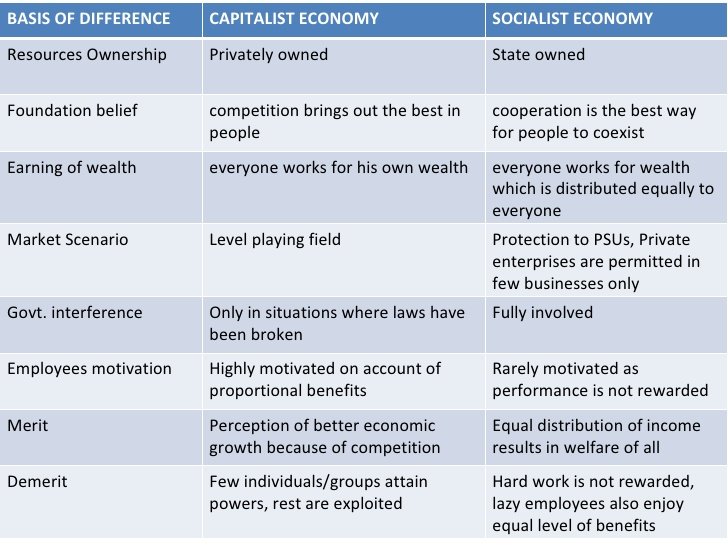
Comparison between the Capitalist and Socialist Economies

TCapitalism and socialism are two different political, economic, and social systems blended together by countries around the world. Sweden is often considered a strong example of a socialist society, while the United States is usually considered a prime example of a capitalist country. In practice, however, Sweden is not strictly socialist, and the United States is not strictly capitalist. Most countries have mixed economies with economic elements of both capitalism and socialism.

Capitalism

Capitalism is an economic system where the means of production are owned by private individuals. “Means of production” refers to resources including money and other forms of capital. Under a capitalist economy, the economy runs through individuals who own and operate private companies. Decisions over the use of resources are made by the individual or individuals who own the company.

In a theoretical capitalist society, companies that incorporate are treated by the same laws as individuals. Corporations can sue and be sued; they can buy and sell property, and perform many of the same actions as individuals.

Under capitalism, companies live by the motivation for profit. They exist to make money. All companies have owners and managers. In small businesses, the owners and managers are generally the same people, but as the business gets larger, the owners may hire managers who may or may not have any ownership stake in the firm. In this case, the managers are called the owner’s agents.

The job of the management is more complex than just making a profit. In a capitalist society, the goal of the corporation is maximizing shareholder wealth.

Under capitalism, it’s the government’s job to enforce laws and regulations to make sure there is a level playing field for privately-run companies. The amount of governing laws and regulations in a particular industry generally depends on the potential for abuse in that industry.

Socialism

Socialism is an economic system where the means of production, such as money and other forms of capital, are owned to some degree by the public (via the state.). Under a socialist system, everyone works for wealth that is in turn distributed to everyone. A socialist economic system operates on the premise that what is good for one is good for all, and vise versa. Everyone works for their own good and for the good of everyone else. The government decides how wealth is distributed among public institutions.

In a theoretical socialist economy, there is a more limited free market than in an archetypal capitalist economy, and thus the taxes are usually higher than in a capitalist system. There are government-run health care and educational systems for tax payers. Socialist systems emphasize more equal distribution of wealth among the people.

Comparison between the Capitalist and Socialist Economies

The main difference between capitalism and socialism is the extent of government intervention in the economy.

A capitalist economic system is characterized by private ownership of assets and business. A capitalist economy relies on free-markets to determine, price, incomes, wealth and distribution of goods.

A socialist economic system is characterized by greater government intervention to re-allocate resources in a more egalitarian way.

There are also different aims of the economic systems.

Equality

  • Capitalism is unconcerned about equity. It is argued that inequality is essential to encourage innovation and economic development.
  • Socialism is concerned with redistributing resources from the rich to the poor. This is to ensure everyone has both equal opportunities and in some forms of socialism – equal outcomes.

Ownership

  • Capitalism: Private businesses will be owned by private individuals/companies
  • Socialism: The state will own and control the main means of production. In some models of socialism, ownership would not be by the government but worker co-operatives.

Efficiency

  • Capitalism: It is argued that the profit incentive encourages firms to be more efficient, cut costs and innovate new products that people want. If firms fail to keep up, they will go out of business. But, this business failure allows resources to flow to new more efficient areas of the economy. Something known as ‘creative destruction’
  • Socialism: It is argued that state ownership often leads to inefficiency because workers and managers lack any real incentive to cut costs. One joke under Soviet Communism was ‘They pretend to pay us. We pretend to work.’

Unemployment

  • In capitalist economic systems, the state doesn’t directly provide jobs. Therefore in times of recession, unemployment in capitalist economic systems can rise to very high levels, e.g. 20% + in Great Depression
  • Employment is often directed by the state. Therefore, the state can provide full employment even if workers are not doing anything particularly essential. Socialism is sometimes associated with Keynesian demand-management attempts to stimulate the economy in times of slump. Keynes himself was not a socialist.

Price controls

Prices are determined by market forces. Firms with monopoly power may be able to exploit their position and charge much higher prices.

In a state-managed economy, prices are usually set by the government this can lead to shortages and surpluses.

Evaluation

There are many different forms of ‘socialism’ from totalitarian ‘Communist regimes’ To democratic socialist parties in Western Europe, who pursue a pragmatic form of redistribution aiming for equality of opportunity rather than equality of outcome.

Pragmatic socialism

Some forms of socialism, adopt a more pragmatic approach. Many industries are left in private hands a recognition free-markets are more efficient in producing goods. However, the socialist society attempts to use progressive taxation and social spending to provide a minimum safety net. Important public services are run directly by the government.

Responsible capitalism

Many ‘advanced capitalist societies’ have considerable government intervention. The government may provide unemployment benefits and public spending on infrastructure, healthcare and education.

The Industrial Policy 1951 and 1991

Industrial Policy Act 1951

After Independence, the Government of India adopted an approach to develop Industrial sector of India. India adopted several Industrial Policy resolution to develop the Industrial sector.

The Industries (Development and Regulation) Act, (IDRA), came into force from 8th May 1952 under a notification of the Central Government published in the Gazette of India.

The Act extends to whole of India including the state of Jammu & Kashmir with a view to being under Central and regulation of a number of important industries, the activities of which affect the country as a whole and the development of which must be governed by economic factors of all India importance.

Objectives of the Act

The Important objectives are,

  1. To Implement the Industrial Policy

The Act provides the necessary means to the Central Government in order to implement its industrial policy.

  1. Regulation and Development of Important Industries

The Act brings under the control of the Central Government the development and regulation of a number of important industries listed m the first schedule attached to the Act as the activities of such industries will affect the country as a w о e and, therefore, the development of such important industries must be governed by the economic factors of all India importance.

  1. Planning and Future Development of New Undertakings

A system of licensing is introduced under the Act to regulate planning and future development of new undertaking on sound and balance lines and may be deemed expedient in the opinion of the Central Government.

The Act confers on the Central Government power to make rules for the registration of existing undertakings for regulating he production and development of the industries specified in the schedule attached to the Act The Ac a so provided for the constitution of the Central Advisory Council and Development Council.

Scope of the Act

This Act applies to the whole of India including the State of Jammu & Kashmir, The provision of the Act apply to industrial undertaking, manufacturing any of the articles mentioned in the first schedule. An industrial undertaking (also called a factory) for the purpose of the Act is the one where manufacturing process is being carried on:

(a) With the aid of power provided that fifty or more workers are working or were working on any day of the preceding twelve months; or

(b) Without the aid of power provided that one hundred or more workers are working or were working on any day of the preceding twelve months.

(c) The Act applies only on industrial undertakings. Trading houses and financial institutions are outside the purview of the Act.

Industrial Policy Act 1991

The New Industrial Policy of 1991 comes at the center of economic reforms that launched during the early 1990s. All the later reform measures were derived out of the new industrial policy. The Policy has brought comprehensive changes in economic regulation in the country. As the name suggests, these reform measures were made in different areas related to the industrial sector.

As part of the policy, the role of public sector has been redefined. A dedicated reform policy for the public sector including the disinvestment programme were launched under the NIP 1991. Private sector has given welcome in major industries that were previously reserved for the public sector.

Similarly, foreign investment has given welcome under the policy. But the most important reform measure of the new industrial policy was that it ended the practice of industrial licensing in India. Industrial licensing represented red tapism.

Because of the large scale changes, the Industrial Policy of 1991 or the new industrial policy represents a major change from the early policy of 1956.

The new policy contained policy directions for reforms and thus for LPG (Liberalization, Privatization and Globalization). It enlarged the scope of private sector participation to almost all industrial sectors except three (modified). Simultaneously, the policy has given welcome to foreign investment and foreign technology. Since 1991, the country’s policy on foreign investment is gradually evolving through the introduction of liberalization measures in a phasewise manner.

Perhaps, the most welcome change under the new industrial policy was the abolition of the practice of industrial licensing. The1991 policy has limited industrial licensing to less than fifteen sectors. It means that to start an industry, one has to go for license and waiting only in the case of these few selected industries. This has ended the era of license raj or red tapism in the country. The 1991 industrial policy contained the root of the liberalization, privatization and globalization drive made in the country in the later period.

The policy has brought changes in the following aspects of industrial regulation:

  1. Industrial delicensing policy or the end of red tapism

The most important part of the new industrial policy of 1991 was the end of the industrial licensing or the license raj or red tapism. Under the industrial licensing policies, private sector firms have to secure licenses to start an industry. This has created long delays in the start up of industries. The industrial policy of 1991 has almost abandoned the industrial licensing system. It has reduced industrial licensing to fifteen sectors. Now only 13 sector need license for starting an industrial operation.

  1. Dereservation of the industrial sector

Previously, the public sector has given reservation especially in the capital goods and key industries. Under industrial deregulation, most of the industrial sectors was opened to the private sector as well. Previously, most of the industrial sectors were reserved to the public sector. Under the new industrial policy, only three sectors- atomic energy, mining and railways will continue as reserved for public sector. All other sectors have been opened for private sector participation.

  1. Reforms related to the Public sector enterprises

Reforms in the public sector were aimed at enhancing efficiency and competitiveness of the sector. The government identified strategic and priority areas for the public sector to concentrate. Similarly, loss making PSUs were sold to the private sector. The government has adopted disinvestment policy for the restructuring of the public sector in the country. at the same time autonomy has been given to PSU boards for efficient functioning.

  1. Foreign investment policy

Another major feature of the economic reform measure was it has given welcome to foreign investment and foreign technology. This measure has enhanced the industrial competition and improved business environment in the country. Foreign investment including FDI and FPI were allowed. Similarly, loan capital has also introduced in the country to attract foreign capital.

  1. Abolition of MRTP Act

The New Industrial Policy of 1991 has abolished the Monopoly and Restricted Trade Practice Act. In 2010, the Competition Commission has emerged as the watchdog in monitoring competitive practices in the economy.

The industrial policy of 1991 is the big reform introduced in Indian economy since independence. The policy caused big changes including emergence of a strong and competitive private sector and a sizable number of foreign companies in India.

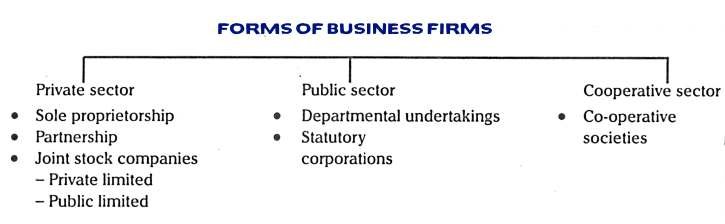
Public, Private, Co-operative Sectors Meaning, Role and Importance

Public Sectors

Public sector refers to government-owned or government-controlled organizations and entities that provide goods and services to the general public. These include government agencies, departments, and enterprises responsible for delivering essential services such as healthcare, education, transportation, and public safety. The public sector operates with the goal of serving the public interest and promoting the welfare of society.

Role of Public Sectors:

  • Service Provision:

Public sectors provide essential services such as healthcare, education, transportation, and utilities to ensure universal access and meet societal needs.

  • Infrastructure Development:

Public sectors invest in and maintain infrastructure such as roads, bridges, airports, and utilities to support economic growth and social development.

  • Regulation and Oversight:

Public sectors regulate industries and enforce laws to ensure fair competition, consumer protection, and environmental sustainability.

  • Employment Opportunities:

Public sectors create jobs and offer stable employment opportunities, contributing to economic stability and reducing unemployment rates.

  • Social Welfare:

Public sectors implement welfare programs, social security systems, and poverty alleviation initiatives to support vulnerable populations and promote social equity.

  • Investment in Research and Innovation:

Public sectors fund research and development initiatives, support innovation, and promote technological advancement to drive economic growth and improve quality of life.

  • Strategic Investments:

Public sectors make strategic investments in key sectors such as healthcare, education, and technology to foster long-term economic competitiveness and prosperity.

  • Public Goods Provision:

Public sectors supply public goods such as national defense, law enforcement, and disaster relief that benefit society as a whole and are not provided adequately by the private sector.

Importance of Public Sectors:

  • Service Provision:

Public sectors ensure the delivery of essential services such as healthcare, education, transportation, and utilities to all members of society, regardless of their ability to pay.

  • Social Equity:

Public sectors promote social equity by providing access to basic services and support to disadvantaged and marginalized populations, reducing inequalities and improving social welfare.

  • Economic Stability:

Public sectors play a vital role in stabilizing the economy through strategic investments, employment generation, and regulation of key industries, contributing to economic growth and resilience.

  • Infrastructure Development:

Public sectors invest in and maintain infrastructure that forms the backbone of economic activity, including roads, bridges, airports, and utilities, supporting productivity and connectivity.

  • Regulation and Oversight:

Public sectors regulate industries, enforce laws, and provide oversight to ensure fair competition, consumer protection, environmental sustainability, and public safety.

  • Innovation and Research:

Public sectors fund research and innovation initiatives, support scientific advancements, and promote technological progress, driving economic development and improving quality of life.

  • National Security:

Public sectors are responsible for ensuring national security through defense, law enforcement, and emergency response services, safeguarding the well-being and sovereignty of the nation.

  • Public Goods Provision:

Public sectors supply public goods such as defense, public safety, and environmental protection that benefit society as a whole and are not adequately provided by the private sector.

Private Sectors

Private Sector comprises privately-owned businesses and enterprises that operate for profit and are not under direct government control. It encompasses a wide range of industries and sectors, including manufacturing, retail, finance, technology, and services. Private sector businesses are driven by market forces and aim to maximize profits and shareholder value. They play a significant role in driving economic growth, creating employment opportunities, and fostering innovation and competition within the economy.

Role of Private Sectors:

  • Economic Growth:

Private sectors drive economic growth by investing capital, creating jobs, and fostering innovation, entrepreneurship, and productivity enhancements.

  • Employment Generation:

Private sectors are major sources of employment, offering job opportunities across various industries and sectors, contributing to poverty reduction and economic stability.

  • Innovation and Technology:

Private sectors spur innovation and technological advancement through research and development, leading to the creation of new products, processes, and services that drive progress and competitiveness.

  • Efficiency and Competition:

Private sectors promote efficiency and competition by operating in a market-driven environment, incentivizing businesses to improve quality, reduce costs, and innovate to meet consumer demands.

  • Wealth Creation:

Private sectors generate wealth by generating profits and returns on investments, stimulating economic activity, and contributing to the accumulation of capital for future growth and development.

  • Corporate Social Responsibility (CSR):

Private sectors engage in CSR initiatives, including philanthropy, environmental sustainability, and community development projects, demonstrating their commitment to social responsibility and contributing to the well-being of society.

Importance of Private Sectors:

  • Economic Growth:

Private sectors are primary drivers of economic growth through investments, entrepreneurship, and productivity improvements, leading to increased GDP and overall prosperity.

  • Job Creation:

Private sectors generate employment opportunities across various industries and sectors, reducing unemployment rates and providing livelihoods for millions of people worldwide.

  • Innovation and Technology:

Private sectors spur innovation and technological advancement by investing in research and development, leading to the creation of new products, services, and processes that drive progress and competitiveness.

  • Efficiency and Competition:

Private sectors operate in a competitive market environment, driving efficiency, quality improvement, and cost reduction to meet consumer demands and stay competitive.

  • Wealth Creation:

Private sectors generate wealth through profit generation, investment returns, and capital accumulation, fueling economic activity and creating opportunities for wealth creation and distribution.

  • Diversification and Specialization:

Private sectors promote diversification and specialization within the economy, leading to the development of niche markets, specialized skills, and competitive advantages that enhance overall economic resilience and competitiveness.

  • Global Trade and Investment:

Private sectors facilitate global trade and investment by expanding market access, fostering international business relationships, and driving cross-border economic integration, contributing to global economic interconnectedness and prosperity.

  • Inclusive Growth:

Private sectors play a vital role in promoting inclusive growth by providing opportunities for entrepreneurship, skills development, and social mobility, contributing to poverty reduction, social cohesion, and shared prosperity.

Co-operative Sector

Co-operative sector consists of enterprises owned and operated by their members, who pool resources and share ownership to meet common needs and objectives. These organizations operate on democratic principles, with members having equal voting rights regardless of their financial contributions. Cooperatives exist in various sectors, including agriculture, finance, retail, housing, and healthcare, and aim to promote economic participation, social cohesion, and community development through collective action and mutual support.

Role of Co-operative Sector:

  • Community Development:

Cooperatives empower communities by providing collective ownership and democratic control over essential services such as agriculture, finance, housing, and healthcare, leading to local economic development and social cohesion.

  • Economic Participation:

Cooperatives promote economic participation by allowing members to pool resources, share risks, and benefit collectively from their cooperative endeavors, fostering financial inclusion and self-reliance.

  • Job Creation:

Cooperatives generate employment opportunities by creating cooperative enterprises and supporting cooperative businesses, particularly in rural and marginalized areas where traditional employment opportunities may be limited.

  • Access to Services:

Cooperatives provide access to essential services such as banking, credit, insurance, healthcare, education, and utilities to underserved populations, improving their quality of life and enhancing social welfare.

  • Empowerment and Capacity Building:

Cooperatives empower members by promoting democratic decision-making, leadership development, and skills training, enabling individuals to actively participate in their economic and social development.

  • Sustainable Development:

Cooperatives promote sustainable development by adopting environmentally friendly practices, promoting resource conservation, and supporting sustainable agriculture, energy, and production methods.

  • Market Access and Fair Trade:

Cooperatives enable small-scale producers and marginalized groups to access markets, negotiate fair prices, and participate in fair trade practices, ensuring equitable distribution of benefits and reducing market vulnerabilities.

  • Social Responsibility:

Cooperatives embody principles of social responsibility and solidarity by prioritizing the well-being of their members, supporting community development initiatives, and contributing to social and environmental sustainability.

Importance of Co-operative Sector:

  • Community Empowerment:

Cooperatives empower communities by providing collective ownership, democratic control, and equitable distribution of benefits, fostering social cohesion, and promoting inclusive development.

  • Economic Participation:

Cooperatives enable members to actively participate in economic activities, pooling resources, sharing risks, and benefiting collectively from their cooperative endeavors, leading to financial inclusion and self-reliance.

  • Job Creation:

Cooperatives create employment opportunities, particularly in rural and marginalized areas, by establishing cooperative enterprises and supporting cooperative businesses, contributing to poverty reduction and economic stability.

  • Access to Essential Services:

Cooperatives provide access to essential services such as banking, credit, insurance, healthcare, education, and utilities to underserved populations, improving their quality of life and enhancing social welfare.

  • Promotion of Sustainable Development:

Cooperatives promote sustainable development by adopting environmentally friendly practices, supporting sustainable agriculture, energy, and production methods, and prioritizing social and environmental responsibility.

  • Market Access for Small Producers:

Cooperatives enable small-scale producers and marginalized groups to access markets, negotiate fair prices, and participate in fair trade practices, ensuring equitable distribution of benefits and reducing market vulnerabilities.

  • Social Responsibility:

Cooperatives embody principles of social responsibility and solidarity by prioritizing the well-being of their members, supporting community development initiatives, and contributing to social and environmental sustainability.

  • Resilience and Stability:

Cooperatives provide a resilient and stable economic model that is less prone to economic shocks and market fluctuations, fostering long-term sustainability and resilience in communities and economies.

Application of computer

Computers play a role in every field of life. They are used in homes, business, educational institutions, research organizations, medical field, government offices, entertainment, etc.

Home

Computers are used at homes for several purposes like online bill payment, watching movies or shows at home, home tutoring, social media access, playing games, internet access, etc. They provide communication through electronic mail. They help to avail work from home facility for corporate employees. Computers help the student community to avail online educational support.

Medical Field

Computers are used in hospitals to maintain a database of patients’ history, diagnosis, X-rays, live monitoring of patients, etc. Surgeons nowadays use robotic surgical devices to perform delicate operations, and conduct surgeries remotely. Virtual reality technologies are also used for training purposes. It also helps to monitor the fetus inside the mother’s womb.

Entertainment

Computers help to watch movies online, play games online; act as a virtual entertainer in playing games, listening to music, etc. MIDI instruments greatly help people in the entertainment industry in recording music with artificial instruments. Videos can be fed from computers to full screen televisions. Photo editors are available with fabulous features.

Industry

Computers are used to perform several tasks in industries like managing inventory, designing purpose, creating virtual sample products, interior designing, video conferencing, etc. Online marketing has seen a great revolution in its ability to sell various products to inaccessible corners like interior or rural areas. Stock markets have seen phenomenal participation from different levels of people through the use of computers.

Education

Computers are used in education sector through online classes, online examinations, referring e-books, online tutoring, etc. They help in increased use of audio-visual aids in the education field.

Government

In government sectors, computers are used in data processing, maintaining a database of citizens and supporting a paperless environment. The country’s defense organizations have greatly benefitted from computers in their use for missile development, satellites, rocket launches, etc.

Banking

In the banking sector, computers are used to store details of customers and conduct transactions, such as withdrawal and deposit of money through ATMs. Banks have reduced manual errors and expenses to a great extent through extensive use of computers.

Business

Nowadays, computers are totally integrated into business. The main objective of business is transaction processing, which involves transactions with suppliers, employees or customers. Computers can make these transactions easy and accurate. People can analyze investments, sales, expenses, markets and other aspects of business using computers.

Training

Many organizations use computer-based training to train their employees, to save money and improve performance. Video conferencing through computers allows saving of time and travelling costs by being able to connect people in various locations.

Arts

Computers are extensively used in dance, photography, arts and culture. The fluid movement of dance can be shown live via animation. Photos can be digitized using computers.

Science and Engineering

Computers with high performance are used to stimulate dynamic process in Science and Engineering. Supercomputers have numerous applications in area of Research and Development (R&D). Topographic images can be created through computers. Scientists use computers to plot and analyze data to have a better understanding of earthquakes.

Basis of Computer and their evaluation

Computer is an electronic device designed to process data and perform tasks according to instructions provided by a user or a program. It operates using hardware (physical components) and software (programs and instructions). Computers have revolutionized how we work, communicate, and perform daily tasks by enabling fast and accurate data processing.

Components of a Computer:

  1. Hardware: Includes input devices (keyboard, mouse), output devices (monitor, printer), storage devices (hard drive, SSD), and central processing unit (CPU), which is the brain of the computer.
  2. Software: Divided into system software (e.g., operating systems like Windows, macOS) and application software (e.g., Microsoft Office, web browsers).

Types of Computers: Computers range from personal computers (PCs) to supercomputers, serving diverse needs like personal use, business operations, and scientific research.

Functions of a Computer:

  1. Input: Accepting data via input devices.
  2. Processing: CPU processes data based on instructions.
  3. Storage: Data is stored in memory for future use.
  4. Output: Results are displayed via output devices.

Evaluation of Computer:

The evaluation of computers refers to their development and progression over time, transforming from basic calculating devices into highly sophisticated systems that have revolutionized modern life. This evolution can be broadly categorized into five generations:

First Generation (1940-1956): Vacuum Tubes

  • Used vacuum tubes for circuitry and magnetic drums for memory.
  • These computers were large, consumed a lot of power, and generated significant heat.
  • Examples: ENIAC, UNIVAC.

Second Generation (1956-1963): Transistors

  • Replaced vacuum tubes with transistors, making computers smaller, faster, and more reliable.
  • Emergence of high-level programming languages like COBOL and FORTRAN.
  • Example: IBM 7094.

Third Generation (1964-1971): Integrated Circuits (ICs)

  • Used ICs, which combined multiple transistors on a single chip, significantly improving processing power and efficiency.
  • Introduction of operating systems and user-friendly interfaces.
  • Example: IBM System/360.

Fourth Generation (1971-Present): Microprocessors

  • Development of microprocessors (entire CPU on a single chip) led to the advent of personal computers (PCs).
  • Introduction of graphical user interfaces (GUIs), networking, and internet connectivity.
  • Examples: Apple Macintosh, IBM PC.

Fifth Generation (Present and Beyond): Artificial Intelligence

  • Focused on artificial intelligence (AI) and machine learning (ML) to create intelligent systems capable of decision-making and natural language processing.
  • Examples include supercomputers like IBM Watson and AI-based technologies like self-driving cars.

Significance of Computers

Computers have evolved from simple calculators to advanced systems that influence nearly every aspect of human life. They are indispensable in fields like healthcare, education, research, and business. This evolution has been driven by the need for greater speed, efficiency, and user-friendliness.

Characteristics of Computer

Computers are essential tools in modern life due to their remarkable characteristics that enable them to perform complex tasks with speed, precision, and reliability.

1. Speed

Computers can process data and execute instructions at incredible speeds, measured in microseconds, nanoseconds, or even picoseconds. Tasks that would take hours or days for humans can be completed by computers in seconds. For instance, supercomputers perform trillions of calculations per second.

2. Accuracy

One of the most significant advantages of computers is their accuracy. They perform tasks without errors as long as the input data and instructions are correct. This precision is invaluable in critical applications such as scientific research, financial analysis, and medical diagnostics.

3. Automation

Computers can automatically perform tasks without requiring manual intervention once programmed. Automation reduces human effort and increases efficiency. For example, computers automate repetitive tasks like payroll processing or data entry.

4. Versatility

Computers are versatile and can perform a wide range of tasks. From word processing to complex simulations, they are used in diverse fields like healthcare, education, entertainment, and engineering. A single device can be used for multiple purposes, such as browsing, gaming, and data analysis.

5. Storage

Computers have immense storage capacity, enabling them to store vast amounts of data in a small physical space. With advancements in technology, storage devices like hard drives, SSDs, and cloud storage offer secure, scalable, and reliable solutions for data management.

6. Connectivity

Modern computers enable seamless connectivity through networks, including the internet. This characteristic facilitates communication, collaboration, and access to information globally. Applications like email, video conferencing, and file sharing depend on this connectivity.

7. Diligence

Unlike humans, computers do not suffer from fatigue, boredom, or distractions. They can perform tasks continuously without a drop in performance or accuracy. This makes them ideal for repetitive and time-consuming tasks.

8. Multitasking

Computers can perform multiple tasks simultaneously without compromising performance. For instance, users can run multiple applications, such as browsing the web, editing documents, and listening to music, all at the same time.

9. Scalability

Computers are highly scalable, both in terms of hardware and software. Users can upgrade components like memory, storage, and processing power or enhance functionality by installing new software to meet growing demands.

10. Communication

Computers enable communication through various technologies like emails, social media, and instant messaging. They facilitate real-time interaction and sharing of information, making them indispensable in personal and professional settings.

error: Content is protected !!