Restructure Strategy

Companies occasionally encounter financial and operational difficulties that could lead to their demise. One way corporations avoid a total shutdown is through a restructuring, which reduces the level and severity of financial losses. A restructuring involves negotiating the different positions taken by investors and owners who hold the equity and lenders and creditors who control the debt. The final result generally provides a peaceful resolution to a stressed condition.

A restructuring involves radically changing a company’s organizational, financial and operating structure to permanently and swiftly address serious financial and operational issues that could lead to a corporation’s shutdown or liquidation.

With a restructuring, companies change contractual relationships with debt holders and creditors, shareholders, employees and other stakeholders. Restructuring essentially acts as an in-depth reorganization conducted for the primary purpose of returning a corporation to profitability and productivity. As Stuart Gilson from the Harvard Business School points out, companies restructuring because of financial distress may have more financing options made available to them.

Financial Restructuring: Debt Swap

When corporations use a financial restructuring strategy, they change the company’s capital structure. They may replace debt with equity. When a company swaps out its debt, it eliminates existing shareholders. In lieu of a liquidation or bankruptcy, the debt holders take over the company’s assets and obtain a claim on future earnings in the form of newly issued shares. Debt holders often accept this arrangement when the elimination of the interest and principal payments significantly strengthens the company’s financial position. Shareholders typically receive nothing.

Financial Restructuring: Debt Loading

Alternatively, a corporation may load the balance sheet with debt to finance the buyout of existing shareholders. This debt loading strategy often is referred to as a leveraged buyout. Companies use the debt loading strategy to enable one founder to buy out the shares of his co-founders. The corporation repurchases and retires the shares and then uses its cash flow to pay down the debt. Of course, incurring additional debt has other consequences. As noted in a Brookings article, the more debt a company has, the higher the cost of additional debt will be.

Organizational Restructuring

An organizational restructuring strategy involves redesigning operations and management reporting structures to address and correct the operational issues that led to a company’s distressed position. A restructuring organization uses downsizing to eliminate costly overhead and enable a company to return to profitability. Layoffs of nonessential personnel, process redesign, location closures and renegotiation of existing contracts all result from this strategy. To further reduce costs, corporations may restructure compensation and benefit packages for employees who remain.

Portfolio Restructuring

A divestiture strategy is a type of portfolio restructuring strategy. Companies sell, shut down or spin off unprofitable, money-losing divisions and subsidiaries or those that no longer fit its strategy. Portfolio restructuring allows a corporation to refocus on its core activities and raise much needed capital. It can use the proceeds of these transactions to strengthen its core business or acquire other businesses that closely fit its strategy and contribute to a profitable bottom line.

The 7 principles of a successful restructure

Chances are, you’ve had to make some changes to your company’s internal structure in response to the economic downturn (and in preparation for the slow recovery). As with everything in business, restructures can be done well and they can be done poorly. Here are seven principles to help you avoid unnecessary complications.

Even as the economic outlook appears to brighten, the fact remains that many organizations can no longer operate as they had been. A key feature of this changing landscape is the need for organizations to restructure.

Here are seven broad restructuring principles to help make any restructure a successful one.

  1. Align structure to strategy

All restructures must align to strategy. This may seem self-evident, yet a significant number of organisations fail to do so. For example, if local conditions are a predominant factor, then stress local sales and marketing functions rather than a centralised behemoth that then tries to matrix with local elements.

  1. Reduce complexity

Simply put, complexity costs. Whether it is a complex organisational structure, a complex product offering or complex transactional processes, the added cost of complexity can be a drag on performance.

To mitigate complexity, there are three considerations that help with organisational design:

  • Design structure for strategy before you design for specific personnel. Organisational redesigns which are a compromise between strategic intent and line management preferences inevitably add complexity. So, while internal political intrigue is unavoidable, at least start with a clean and clear design that matches to strategy.
  • Avoid making leadership roles too complex (see principle #5).
  • Minimise the use of matrices. They introduce measurement overhead and a lack of clear direction to the staff.
  1. Focus on core activity

Remove noise (inefficiency in processes) and enhance core before restructuring roles. This means that you will need to know what people are doing today by obtaining a detailed understanding of tasks by role. This ensures that no value-added activities are thrown out when removing a role. Similarly, duplication and redundant activity can be removed at the time of the restructure.

  1. Create feasible roles

Don’t overload roles restructures generally leave an organisation with fewer people to do the same amount of work. When restructuring to reduce headcount, make sure you understand the current workload of employees.

This will help to ensure you design roles that are neither too heavily laden nor indeed too light. Furthermore, role design must take into account realistic groupings of skills. Packing a role with too many distinct skill-sets reduces the pool of durable candidates.

  1. Balance ‘own work’ and ‘supervisory load’ of managers

The case of leadership or “management loading” can be particularly troublesome in restructures. Often, the inability of managers to focus on leadership tasks due to increased output requirements can create significant problems for an organisation. For example, time spent mentoring and coaching staff drops off, staff become disengaged, more issues arise due to staff errors and managers end up spending more time resolving them. To ensure management are appropriately loaded, it’s critical to balance three elements:

  • The number of staff directly managed or supervised.
  • Staff ability to perform work without supervision.
  • The amount of ‘own work’ managers have to do on top of their leadership activity.
  1. Implement with clarity

Often there is confusion in the first weeks and months after an initial restructure. After all, who is supposed to be responsible for what? The answer is to clarify roles and responsibilities from the beginning, identify all functions (activities, tasks and decisions) that have to be accomplished for effective operation, clarify who should be involved and be specific about accountability.

  1. Maintain flexibility

Finally, it is important not to cut your resources too fine. If the organisational change is material, you will need resource flexibility in the first few months. So even as you strive to operate more efficiently, be sure to give yourself some wriggle room in your staffing. Flexibility applies not only to staff members, but to staff capability.

Leave yourself and your leadership team some room to respond to capability gaps in the new structure.

Common ways to do this include: a staged transition so there are fewer capability gaps to manage at a point in time, and a temporary use of contract resources until in-house staff become familiar with their roles.

Competitive Analysis, Characteristics, Steps, Challenges

Competitive Analysis is the process of identifying and evaluating the strengths, weaknesses, strategies, and market positions of current and potential competitors within an industry. It helps businesses understand the competitive landscape, anticipate rival moves, and identify opportunities for differentiation and growth. The analysis typically includes studying competitors’ products, pricing, marketing, distribution, financial performance, and customer base. Tools like SWOT analysis, Porter’s Five Forces, and benchmarking are commonly used. By gaining insights into competitors’ capabilities and strategies, organizations can make informed strategic decisions, enhance their value proposition, and sustain a competitive advantage in the marketplace.

Characteristics of Competitive Analysis:

  • Strategic Focus

Competitive analysis is primarily strategic in nature. It provides critical insights that help a business identify its position relative to competitors and design strategies to gain or maintain a competitive advantage. It informs long-term decisions such as market entry, pricing strategies, innovation paths, and customer engagement. By understanding competitors’ strengths, weaknesses, and likely moves, a company can proactively plan countermeasures. This strategic focus makes competitive analysis a cornerstone of business planning, ensuring that decisions are made with full awareness of the external environment and industry dynamics.

  • Continuous Process

Competitive analysis is not a one-time activity but a continuous process. Markets, customer preferences, technologies, and competitor strategies change over time. A company that performs competitive analysis regularly can detect shifts early and adapt quickly. This continuous monitoring involves tracking industry trends, new entrants, customer reviews, regulatory changes, and economic indicators. Staying updated ensures that strategic decisions remain relevant and competitive responses are timely. Businesses that view competitive analysis as an ongoing task, rather than a periodic report, are better positioned to maintain agility and resilience.

  • Data-Driven

A key characteristic of competitive analysis is its reliance on data. This includes both qualitative and quantitative information such as market share, pricing models, customer satisfaction, advertising campaigns, financial reports, and product features. The accuracy and depth of competitive analysis depend heavily on the quality of the data gathered. Analytical tools like SWOT, PESTEL, and Porter’s Five Forces are commonly used to interpret data systematically. A robust data-driven approach allows businesses to avoid assumptions and base decisions on factual, objective insights, thereby improving the effectiveness of their competitive strategies.

  • Multi-Dimensional Perspective

Competitive analysis considers multiple dimensions of a competitor’s business, not just one aspect like pricing or market share. It evaluates product quality, innovation capacity, supply chain efficiency, brand reputation, customer service, marketing effectiveness, and technological advancements. This holistic view ensures that businesses understand competitors’ comprehensive capabilities and risks. Focusing on multiple dimensions helps avoid underestimating rivals and encourages the development of balanced strategies. It also reveals interdependencies that might affect competitiveness, such as how product quality influences brand loyalty or how logistics impact pricing flexibility.

  • Future-Oriented

Although based on current and past data, competitive analysis is ultimately future-oriented. It aims to predict how competitors will act, how markets will evolve, and where new opportunities or threats may arise. This characteristic supports strategic foresight by helping organizations anticipate shifts and plan accordingly. Techniques like scenario analysis and trend forecasting are often used. Being forward-looking enables businesses to innovate, prepare contingency plans, and position themselves advantageously in fast-changing markets. A company that uses competitive analysis to anticipate rather than react is more likely to outperform competitors.

  • Decision-Supportive

Competitive analysis provides essential support for decision-making at various organizational levels. From launching a new product to expanding into new markets or adjusting marketing strategies, competitive insights help reduce uncertainty and guide choices. It empowers managers with relevant information to make informed, rational decisions rather than relying on instinct or guesswork. This characteristic enhances confidence in strategy formulation and helps align business actions with external realities. Ultimately, it improves the quality of decisions and increases the likelihood of achieving desired outcomes in a competitive environment.

Steps of Competitive Analysis:

1. Identify Competitors

Begin by identifying all relevant competitors. These include:

  • Direct competitors: Offer similar products/services to the same customer base.

  • Indirect competitors: Offer alternative solutions or serve the same need differently.

  • Potential competitors: New entrants or emerging companies that could enter the market.

🔹 Tip: Use market research, customer feedback, and industry reports to build a comprehensive competitor list.

2. Gather Information on Competitors

Collect detailed data on each competitor. Focus on:

  • Products/services

  • Pricing strategy

  • Market share

  • Target customers

  • Marketing tactics

  • Sales strategies

  • Distribution channels

  • Financial performance

🔹 Sources: Company websites, press releases, customer reviews, social media, financial statements, trade journals, and third-party research tools.

3. Analyze Competitor Strengths and Weaknesses

Use SWOT Analysis to evaluate:

  • Strengths: What competitors do well (e.g., strong brand, innovation, customer loyalty).

  • Weaknesses: Areas where they lack (e.g., poor service, outdated technology).

🔹 Goal: Identify where your company can outperform or differentiate itself.

4. Examine Competitors’ Strategies

Understand their strategic approach, including:

  • Business model

  • Growth strategy (e.g., market penetration, diversification)

  • Marketing campaigns

  • Innovation efforts

  • Customer service standards

🔹 Question: What value proposition are they offering, and how are they positioning themselves in the market?

5. Benchmark Performance Metrics

Compare your company’s key performance indicators (KPIs) against competitors:

  • Revenue

  • Profit margins

  • Customer acquisition costs

  • Market growth rate

  • Customer retention rates

🔹 Benefit: Pinpoints performance gaps and opportunities for improvement.

6. Assess Market Positioning

Evaluate how each competitor is perceived by customers. Consider:

  • Brand image

  • Product/service quality

  • Customer loyalty

  • Unique Selling Proposition (USP)

🔹 Tool: Use perceptual maps to visualize market positioning.

7. Monitor Future Moves

Predict potential future actions of competitors such as:

  • New product launches

  • Mergers and acquisitions

  • Expansion into new markets

  • Shifts in pricing or promotional strategies

🔹 Method: Track news, industry events, patents filed, and hiring trends.

8. Draw Strategic Insights

Translate all the collected and analyzed data into actionable insights. Ask:

  • What threats do competitors pose?

  • Where are the opportunities for differentiation?

  • How can we improve our value proposition?

🔹 Outcome: Formulate or adjust your strategy based on insights gained.

9. Update Regularly

Competitive environments are dynamic. Make your analysis:

  • Continuous: Update it periodically (monthly, quarterly, annually).

  • Responsive: Adapt quickly to any market or competitive shifts.

🔹 Why: Staying current ensures relevance and agility in your strategic planning.

10. Integrate Findings into Strategy

Finally, use the findings to:

  • Refine your marketing approach

  • Innovate your offerings

  • Improve operations

  • Set realistic goals and performance benchmarks

🔹 Result: A proactive, data-informed business strategy aligned with real-time market conditions.

Challenges of Competitive Analysis:

  • Incomplete or Inaccurate Information

One major challenge in competitive analysis is acquiring reliable and complete data. Since competitors rarely disclose detailed strategic plans or performance metrics, businesses must often rely on secondary sources like market reports, customer feedback, or online content. These sources may be outdated, biased, or incomplete, leading to misinterpretation of a competitor’s true strengths and strategies. Relying on such data can cause businesses to form flawed assumptions, resulting in poor strategic decisions. Accurate competitive intelligence requires constant monitoring and verification, which is time-consuming and resource-intensive.

  • Rapid Market Changes

The business environment is increasingly dynamic, with market trends, customer preferences, and technologies evolving rapidly. A competitor’s strategy today might change significantly in a short period due to innovation, mergers, new regulations, or shifts in consumer behavior. Competitive analysis can become obsolete quickly if it doesn’t account for these changes in real time. This challenge highlights the need for businesses to adopt agile, continuous assessment methods rather than relying on static or annual competitor reviews. Without frequent updates, companies risk making decisions based on outdated or irrelevant insights.

  • Overemphasis on Direct Competitors

Many companies focus too narrowly on direct competitors while neglecting potential or indirect competitors. For example, a taxi company may only track other taxi services while ignoring emerging threats from ride-sharing platforms like Uber. Similarly, businesses may underestimate substitutes or new entrants that can disrupt the industry. This tunnel vision limits strategic foresight and may result in failure to adapt to broader market dynamics. Comprehensive competitive analysis should include the full spectrum of competition, including disruptive technologies and unconventional players that could reshape the competitive landscape.

  • Misinterpretation of Competitor Strategies

Analyzing a competitor’s moves without full context can lead to misinterpretation. A price drop might be perceived as a market penetration strategy when it could actually be due to inventory clearance or cost savings. Competitor actions are often complex and influenced by internal considerations unknown to outsiders. Without understanding the rationale behind those actions, companies may respond incorrectly—such as initiating a price war or overhauling a successful strategy. This challenge stresses the need for nuanced interpretation and critical thinking when drawing conclusions from observed competitor behavior.

  • Bias and Subjectivity

Competitive analysis can be influenced by cognitive biases or organizational politics. Analysts may unconsciously downplay competitor strengths or exaggerate their weaknesses to align with internal narratives or executive expectations. Confirmation bias may lead teams to only seek information that supports their pre-existing beliefs. This subjective approach can result in overconfidence or strategic complacency. To overcome this challenge, businesses must promote objective, evidence-based analysis, use standardized evaluation frameworks, and encourage diverse perspectives to counteract internal biases and build a realistic picture of the competitive environment.

  • High Resource Requirement

Conducting in-depth competitive analysis requires significant time, expertise, and financial investment. From collecting data to analyzing patterns and drawing actionable insights, the process is resource-heavy—especially for small and medium enterprises with limited capacity. Hiring skilled analysts, investing in market research tools, and subscribing to databases can be costly. Additionally, ongoing monitoring adds to the workload. As a result, some companies may conduct superficial analyses that fail to deliver meaningful value. Striking the right balance between depth, accuracy, and cost is essential for effective and sustainable competitive analysis.

Operational Controls

The planning and carrying out of operations and activities should be in such a way that they are conducted under specified operating conditions. Operational controls may be documented through the use of work instructions, operational procedures or manual codes.

Examples of operational controls for handling, storage & disposal of Hazardous waste.

Procedure for establishing Operational Control

  • The list of Significant Impacts / Risks becomes the major input for the setting of operational control procedures. All significant impacts / Risks are considered for conducting a study on the establishment of objectives and operational control procedures. CFT members carry out this study.
  • For all those activities calling for an operational control procedure, the respective operational team members ensure that the operational control procedures are prepared and followed at the area of the significant impact/risk.
  • Operational control procedures are also made for activities significantly interacting with the environment/safety eg: G sets, Hazardous waste handling & disposal, etc.
  • These procedures include instructions for controlling Environmental Aspects / OH&S Hazards relating to the operations carried out at XXX.
  • These procedures are also applicable to sub-contractors/suppliers at XXX where their absence could lead to deviation from EHS objectives and targets.
  • These operational control procedures are prepared to carry out the operations associated with the Significant Impact/ Risk in a controlled manner.
  • The Dept HODs approves operational controls. The details of operation Control Instructions / Work Instructions are available with respective departments. A Master List of Operation Control procedure is available with EHS MR.
  • Operational controls are also established wherever hazards & risks associated with changes.
  • Controls related to purchased goods, types of equipment & services including contractors & visitors related to the workplace. Environmental aspects & OH&S Hazards will be identified by CFT for the purchase of goods & services. For significant, control methods will be established and the same will be communicated to concerned suppliers. At security Information on EOH&S system will be given for the visitors and the supplier visiting XXX for the compliance with EHS management system.

Communication of Operational Controls to Employees

The respective Implementation team members shall identify the employees who undertake the activities and operations associated with the operational controls and ensure that the requirements and operating criteria are communicated to and understood by them. For employees, this may be undertaken by including the operational controls in the training needs analysis or communication programs.

Communication of Operational Controls to Suppliers

The respective team members shall identify the contractors, suppliers, members of the regulated community, and other members of the public who undertake activities associated with the operational controls.  Requirements for these suppliers shall be communicated. For suppliers who are members of the regulated community, requirements may be communicated through letters / verbal mode wherever required.

Factors Affecting Control

Strategic control can be affected by external factors and external data. Operational control is concerned with internal operating factors. The environment and the market have a lot more to do with strategic control, whereas operating control deals with everyday issues that may arise, such as personnel problems or technological meltdowns.

  1. Time Frame

The time frame element in the two types of control is very different. Strategic control deals with a process over time, looking at the different steps to evaluate how effective they are and where changes could be made. The process could take weeks or months to finish, yet strategic control lasts longer than that. Once the process is completed, the evaluation continues. Operational control takes place on a day-to-day basis, examining everyday problems that arise and working on improving them on the spot.

  1. Corrections

Correcting mistakes or taking action to fix problems is more effective in operational control because it happens right away. With strategic control a problem may be found, but with evaluation and analysis having to be done regarding what brought on the problem in the first place, it takes a lot more time. With operational control, problems are addressed immediately to ensure the organization can continue running effectively.

  1. Reporting Intervals

Much like corrective actions, reporting intervals in strategic control take time over a period of months, whereas operational control has reports compiled daily and weekly. Strategic control looks at bigger organizational issues, such as a new market to break into, so it takes longer to collect research and make reports. Operational control looks at production numbers, sales figures and daily operations. These numbers present themselves much more easily and therefore can be reported quickly and more efficiently.

Strategy Evaluation and Strategy Control

Strategy Evaluation is a crucial phase in the strategic management process where the effectiveness of a strategic plan is assessed. This involves systematically analyzing the performance of implemented strategies to determine their success in achieving organizational goals. The evaluation process includes monitoring ongoing performance, comparing actual outcomes against predefined objectives, and identifying deviations. It also entails assessing the relevance of the current strategy in the face of evolving external and internal conditions. Strategy evaluation helps organizations to understand whether strategic choices are delivering the desired results, and it provides the basis for necessary adjustments. Effective strategy evaluation ensures that an organization remains aligned with its objectives and can adapt to changing circumstances, thereby maintaining competitiveness and sustainability.

Nature of Strategy evaluation:

  • Continuous Process:

Strategy evaluation is not a one-time activity but a continuous process that occurs throughout the implementation of a strategy. It requires regular monitoring and assessment to ensure that strategies are responsive to changes in the internal and external environment.

  • Multidimensional:

The evaluation involves assessing multiple dimensions of performance, including financial results, market share, customer satisfaction, and internal operational efficiency. This comprehensive approach helps in understanding the overall impact of the strategy.

  • Objective and Systematic:

Effective strategy evaluation must be objective, relying on measurable data to assess performance. It should be systematically integrated into the strategic management process, with clear criteria and methodologies for assessment to avoid biases and ensure consistency.

  • Forward-Looking:

While it often reviews past and current performance, strategy evaluation is also forward-looking. It involves forecasting and scenario planning to anticipate future challenges and opportunities, allowing organizations to proactively adjust their strategies.

  • Adaptive:

Strategy evaluation must be adaptive, offering the flexibility to modify strategies as needed. This adaptiveness is crucial in today’s fast-paced business environments where internal and external factors can change rapidly.

  • Integrated with Decision-Making:

The insights gained from strategy evaluation should directly influence decision-making processes. This integration ensures that strategic adjustments are informed by concrete evaluation data, leading to better-aligned and more effective strategic moves.

Importance of Strategy evaluation:

  • Performance Assessment:

Strategy evaluation allows organizations to assess whether strategic initiatives are meeting their intended goals. It provides metrics and feedback on the effectiveness of strategies in real time, helping managers understand where they are succeeding and where improvements are needed.

  • Adaptability:

In today’s fast-changing business environment, the ability to adapt strategies based on performance and changing conditions is crucial. Strategy evaluation provides the data necessary to make informed decisions that can pivot or redirect resources as needed.

  • Resource Allocation:

Effective strategy evaluation helps ensure that resources are being used efficiently. By regularly assessing the outcomes of strategy implementation, organizations can optimize the use of their resources, reallocating them from underperforming areas to those with greater potential.

  • Risk Management:

It helps in identifying risk factors in strategies and their implementation. Early detection of potential risks allows organizations to take corrective actions proactively, thereby mitigating losses and leveraging opportunities more effectively.

  • Alignment with Objectives:

Regular evaluation helps maintain alignment between the strategy and the organization’s long-term objectives. It ensures that all strategic activities contribute towards the overarching goals, and adjustments can be made to keep efforts on track.

  • Feedback Loop:

Strategy evaluation establishes a critical feedback loop for continuous improvement. Feedback from the evaluation phase is essential for refining strategies, enhancing processes, and improving outcomes over time.

  • Organizational Learning:

It facilitates organizational learning by documenting successes and failures. This learning contributes to better strategic planning in the future as insights are gathered on what works and what doesn’t.

  • Stakeholder Confidence:

Regular and transparent evaluation processes improve credibility and stakeholder confidence. Investors, management, and other stakeholders are more likely to support an organization that actively evaluates and adapts its strategies based on solid data.

Strategy Control

Strategy Control is the systematic process used by organizations to monitor and regulate the implementation of their strategies to ensure that strategic objectives are being met effectively and efficiently. It involves the ongoing assessment of performance against established goals and the external environment to identify any deviations or operational setbacks. Strategy control allows for corrective actions to be taken when performance does not align with expectations. This control process is essential for adapting strategies in response to changes in market conditions, competitive dynamics, or internal organizational shifts. By providing a mechanism for continuous feedback and adjustment, strategy control ensures that an organization remains on track towards achieving its strategic goals, thus enhancing overall strategic management and organizational resilience.

Nature of Strategy Control:

  • Integrative:

Strategy control integrates with all levels of strategic planning and implementation. It connects long-term objectives with operational activities and aligns them to ensure that every action contributes toward achieving strategic goals.

  • Dynamic:

It is dynamic and adapts to changes in the internal and external environments. As market conditions, competitive landscapes, and organizational capacities evolve, strategy control mechanisms help managers adjust their strategies in real-time to stay relevant and effective.

  • Continuous Process:

Strategy control is not episodic; it is a continuous process that happens throughout the lifecycle of a strategy. It involves regular monitoring and revising of strategies to ensure that they are effective under current circumstances.

  • Preventive and Corrective:

It serves both preventive and corrective functions. Preventive controls are designed to anticipate and mitigate potential deviations before they occur, while corrective controls are implemented to adjust strategies after deviations have been identified.

  • Feedback-Oriented:

Central to strategy control is the use of feedback. This feedback, derived from various performance metrics, allows organizations to evaluate their progress against set benchmarks and make necessary adjustments.

  • Decision Supportive:

Strategy control provides essential information that supports strategic decision-making. By assessing performance and identifying trends and anomalies, it guides leaders in making informed decisions about future strategic directions or necessary adjustments to current strategies.

Importance of Strategy Control:

  • Ensures Alignment with Objectives:

Strategy control is crucial for ensuring that all actions and initiatives within the organization remain aligned with the strategic objectives. It helps in monitoring whether the activities at different levels of the organization contribute towards the overall goals.

  • Adaptability to Environmental Changes:

The business environment is dynamic, with frequent changes in market conditions, competition, regulations, and technology. Strategy control allows organizations to respond to these changes promptly by adjusting strategies in a timely manner to maintain competitiveness and relevance.

  • Optimizes Resource Utilization:

Effective strategy control helps in ensuring that resources are not wasted on non-productive or less effective activities. It aids in optimizing the allocation and use of resources (financial, human, and operational) to enhance efficiency and effectiveness.

  • Mitigates Risks:

By continuously monitoring progress and performance, strategy control helps identify potential risks and issues before they become significant problems. This proactive approach allows organizations to implement corrective measures early, thereby reducing potential losses and taking advantage of emerging opportunities.

  • Facilitates Decision Making:

Strategy control provides management with critical feedback based on performance data. This feedback is integral for making informed decisions regarding the continuation, modification, or termination of strategies based on their effectiveness and efficiency.

  • Improves Organizational Learning and Development:

Through continuous monitoring and evaluation, strategy control contributes to organizational learning by highlighting what is working well and what is not. This process encourages a culture of continuous improvement and helps build a knowledge base that can influence future strategies.

Key differences between Strategy evaluation and Strategy Control

Aspect Strategy Evaluation Strategy Control
Purpose Assess effectiveness Ensure alignment
Focus Outcome analysis Process monitoring
Timing Periodic Continuous
Orientation Retrospective Proactive and corrective
Primary Role Judgment Adjustment
Scope Broader assessment Specific performance checks
Feedback Type Strategic insights Operational feedback
Outcome Decision-making support Performance alignment
Decision Influence Strategic redirection Tactical adjustments
Typical Tools SWOT, KPI analysis Dashboards, real-time alerts
Information Flow Often top-down Both top-down and bottom-up
Implementation Analytical and reflective Dynamic and directive

Competitive Advantage

There is no one answer about what is competitive advantage or one way to measure it, and for the right reason. Nearly everything can be considered as competitive edge, e.g. higher profit margin, greater return on assets, valuable resource such as brand reputation or unique competence in producing jet engines. Every company must have at least one advantage to successfully compete in the market. If a company can’t identify one or just doesn’t possess it, competitors soon outperform it and force the business to leave the market.

There are many ways to achieve the advantage but only two basic types of it: cost or differentiation advantage. A company that is able to achieve superiority in cost or differentiation is able to offer consumers the products at lower costs or with higher degree of differentiation and most importantly, is able to compete with its rivals.

In business, a competitive advantage is the attribute that allows an organization to outperform its competitors. A competitive advantage may include access to natural resources, such as high-grade ores or a low-cost power source, highly skilled labor, geographic location, high entry barriers, and access to new technology.

The following diagram illustrates the basic competitive advantage model-

  1. External Changes

(i) Changes in PEST factors

PEST stands for political, economic, socio-cultural and technological factors that affect firm’s external environment. When these factors change many opportunities arise that can be exploited by an organization to achieve superiority over its rivals. For example, new superior machinery, which is manufactured and sold only in South Korea, would result in lower production costs for Korean companies and they would gain cost advantage against competitors in a global environment. Changes in consumer demand, such as trend for eating more healthy food, can be used to gain at least temporary differentiation advantage if a company would opt to sell mainly healthy food products while competitors wouldn’t. For example, Subway and KFC.

If opportunities appear due to changes in external environment why not all companies are able to profit from that? It’s simple, companies have different resources, competences and capabilities and are differently affected by industry or macro environment changes.

(ii) Company’s ability to respond fast to changes

The advantage can also be gained when a company is the first one to exploit the external change. Otherwise, if a company is slow to respond to changes it may never benefit from the arising opportunities.

  1. Internal Environment

(i) VRIO resources

A company that possesses VRIO (valuable, rare, hard to imitate and organized) resources has an edge over its competitors due to superiority of such resources. If one company has gained VRIO resource, no other company can acquire it (at least temporarily). The following resources have VRIO attributes:

  • Intellectual property (patents, copyrights, trademarks)
  • Brand equity
  • Culture
  • Know-how
  • Reputation

(ii) Unique competences

Competence is an ability to perform tasks successfully and is a cluster of related skills, knowledge, capabilities and processes. A company that has developed a competence in producing miniaturized electronics would get at least temporary advantage as other companies would find it very hard to replicate the processes, skills, knowledge and capabilities needed for that competence.

(iii) Innovative capabilities

Most often, a company gains superiority through innovation. Innovative products, processes or new business models provide strong competitive edge due to the first mover advantage. For example, Apple’s introduction of tablets or its business model combining mp3 device and iTunes online music store.

Types of Competitive Advantage

  1. Porter has identified 2 basic types of competitive advantage: cost and differentiation advantage.

1. Cost advantage

Porter argued that a company could achieve superior performance by producing similar quality products or services but at lower costs. In this case, company sells products at the same price as competitors but reaps higher profit margins because of lower production costs. The company that tries to achieve cost advantage (like Amazon.com) is pursuing cost leadership strategy. Higher profit margins lead to further price reductions, more investments in process innovation and ultimately greater value for customers.

  1. Differentiation advantage

Differentiation advantage is achieved by offering unique products and services and charging premium price for that. Differentiation strategy is used in this situation and company positions itself more on branding, advertising, design, quality and new product development (like Apple Inc. or even Starbucks) rather than efficiency, outsourcing or process innovation. Customers are willing to pay higher price only for unique features and the best quality.

The cost leadership and differentiation strategies are not the only strategies used to gain competitive advantage. Innovation strategy is used to develop new or better products, processes or business models that grant competitive edge over competitors.

Environmental forces

The company is not alone in its business environment. It is surrounded by and operates in a larger context. This context is called the Macro Environment. It consists of all the forces that shape opportunities, but also pose threats to the company.

The Macro Environment consists of 6 different forces. These are: Demographic, Economic, Political, Ecological, Socio-Cultural, and Technological forces. This can easily be remembered: the DESTEP model, also called DEPEST model, helps to consider the different factors of the Macro Environment.

Demographic Forces in the Macro Environment

Demographic forces relate to people. The name refers to the term Demography. The latter refers to the study of human populations. This includes size, density, age, gender, occupation and other statistics. Why are people important? Because, on the whole, their needs is the reason for businesses to exist. In other words, people are the driving force for the development of markets. The large and diverse demographics both offer opportunities but also challenges for businesses. Especially in times of rapid world population growth, and overall demographic changes, the study of people is crucial for marketers. The reason is that changing demographics mean changing markets. Further, changing markets mean a need for adjusted marketing strategies.

Therefore, marketers should keep a close eye on demographics. This may include all kinds of characteristics of the population, such as size, growth, density, age- and gender structure, and so on. Some of the most important demographic trends that affect markets are:

  • World population growth: The world population is growing at an explosive rate. Already in 2011, it reached 7 billion, while being expected to reach 8 billion by the year 2030. By the end of the century, it is likely to double. However, the strongest growth occurs where wealth and stability is mostly absent. More than 70% of the expected world population growth in the next 40 years is expected to take place outside of the 20 richest nations on earth. This changes requirements for effective marketing strategies and should be kept in mind.
  • Changing age structure: The changing age structure of world population is another critical factor influencing marketing. In the future, there will be countries with far more favourable age structures than others. For example, India has one of the youngest populations on earth and is expected to keep that status. By 2020, the median age in India will be 28 years. In contrast, the countries of the European Union and the USA have to face an aging population already today. This may lead to harmful reductions in dynamism and challenges regarding the supply of young workers who, at the same time, have to support a growing population of elderly people.
  • Changing family structures: Also, families are changing which means that the marketing strategies aimed at them must undergo an adjustment. For example, new household formats start emerging in many countries. While in traditional western countries a typical household consisted of husband, wife and children, nowadays there are more married couples without children, as well as single parent and single households. Another factor comes from the growing number of women working full time, particularly in European nations. Together with further forces, changing family structures require the marketing strategy to be changed.

Geographical

One and the most important element of geographic shifts is migration. By 2050, global migration is expected to double. This has a major impact on both the location and the nature of demand for products and services. The reason is that the place people can be reached has changed, as have their needs because of the new situations. Other important factors are the ethnic diversity that provides new opportunities, as well as urbanisation.

Economic forces

The Economic forces relate to factors that affect consumer purchasing power and spending patterns. For instance, a company should never start exporting to a country before having examined how much people will be able to spend. Important criteria are: GDP, GDP real growth rate, GNI, Import Duty rate and sales tax/ VAT, Unemployment, Inflation, Disposable personal income, and Spending patterns.

Socio-Cultural forces in the Macro Environment

The Socio-Cultural forces link to factors that affect society’s basic values, preferences and behavior. The basis for these factors is formed by the fact that people are part of a society and cultural group that shape their beliefs and values. Many cultural blunders occur due to the failure of businesses in understanding foreign cultures. For instance, symbols may carry a negative meaning in another culture. To understand these forces, Hofstede’s cultural dimensions can be used: Power Distance, Individualism versus Collectivism, Masculinity versus Femininity, Uncertainty Avoidance etc.

Technological forces

Technological forces form a crucial influence in the Macro Environment. They relate to factors that create new technologies and thereby create new product and market opportunities.

A technological force everybody can think of nowadays is the development of wireless communication techniques, smartphones, tablets and so further. This may mean the emerge of opportunities for a business, but watch out: every new technology replaces an older one. Thus, marketers must watch the technological environment closely and adapt in order to keep up. Otherwise, the products will soon be outdated, and the company will miss new product and market opportunities.

Ecological forces

Ecological, or natural forces in the Macro Environment are important since they are about the natural resources which are needed as inputs by marketers or which are affected by their marketing activities. Also, environmental concerns have grown strongly in recent years, which makes the ecological force a crucial factor to consider. For instance, world, air and water pollution are headlines every marketer should be aware of. In other words, you should keep track of the trends in the ecological environment.

Important trends in the ecological environment are the growing shortage of raw materials and the care for renewable resources. In addition, increased pollution, but also increased intervention of government in natural resource management is an issue.

Because of all these concerns and the increased involvement of society in ecological issues, companies more than ever before need to consider and implement environmental sustainability. This means that they should contribute to supporting the environment, for instance by using renewable energy sources. Thereby, businesses do not only support the maintenance of a green planet, but also respond to consumer demands for environmentally friendly and responsible products.

Political forces

Every business is limited by the political environment. This involves laws, government agencies and pressure groups. These influence and restrict organisations and individuals in a society. Therefore, marketing decisions are strongly influenced and affected by developments in the political environment.

Before entering a new market in a foreign country, the company should know everything about the legal and political environment. How will the legislation affect the business? What rules does it need to obey? What laws may limit the company’s ability to be successful? For example, laws covering issues such as environmental protection, product safety regulations, competition, pricing etc. might require the firm to adapt certain aspects and strategies to the new market.

As we have seen, the company is surrounded by a complex environment. The Macro Environment consists of a large variety of different forces. All of these may shape opportunities for the company, but could also pose threats. Therefore, it is of critical importance that marketers understand and have an eye on development in the Macro Environment, to make their business grow in the long term.

The Company and its Environment

Company may be visualized as an institution in society surrounded by environment i.e., various external forces influencing its functioning. It is said that business is a product of environment OR Business is the creation of its environment.

  1. The nature of business,
  2. Location of a business enterprise,
  3. The product to be manufactured or service to be rendered by the business unit,
  4. Size and volume of operations of the firm
  5. Price to be fixed for the product, etc., are determined by the environment within which the business operates.

The business firm consists of a set of internal factors and is confronted with a set of external factors (i.e., environment). This is the relation between a firm and its environment. The internal factors are regarded as controllable factors, as the firm has got control over these factors.

The firm can alter or modify internal factors to its advantage. The examples of internal factors are nature and number of personnel, physical facilities, organisation and functional means, such as marketing mix, to suit the environment.

The external or environmental factors are beyond the control of the business firm and the success of the firm will depend to a very large extent on its adaptability to the environment (factors) i.e., its ability to properly design and adjust the internal factors/variables to take advantage of the opportunities and to combat the threats of the environment.

The environment, if poses threats to a firm, it offers immense opportunities also for exploitation. Both these situations depend upon the environmental factors influencing the firm.

Relationship between an Organization and its Environment

The environment of a business has a great impact on the functioning of the firm. It offers opportunities and threats along with limitations and pressures influencing the structure and functioning of the business.

Exchanging Information

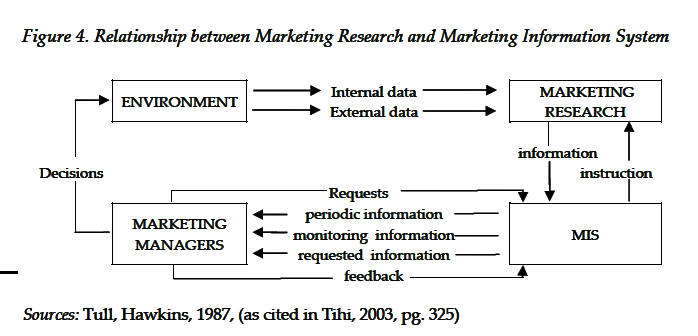
An organization and its environment exchange information between themselves. Organizations need information about the external environment for planning, decision-making and control purposes. Hence, they analyze the environment’s variables along with studying their behavior and changes.

Further, the information generated by this analysis helps the organization handle the problems of uncertainty and complexity of the business environment. Therefore, firms try to gather information pertaining to market conditions, economic activity, technological developments, demographic factors, socio-political changes, competition activities, etc.

Also, the organization also transmits information to external agencies. It does so, either voluntarily or inadvertently. Therefore, the exchange of information is an important interaction between an organization and its environment forming the basis of their relationship.

  1. Exchanging Resources

Apart from exchanging information, an organization and its environment also exchange resources. A firm needs inputs like finance, manpower, equipment, etc. from its environment. Typically, the resources required by an organization are categorized into 5 M’s:

  • Men or Manpower
  • Money
  • Method
  • Machine
  • Material

An organization uses these inputs to produce goods or services or both. Acquisition of these inputs usually requires an interaction between the firm and the markets. This interaction can be in the form of competition or collaboration. Nevertheless, the purpose is to ensure a constant supply of inputs.

On the other hand, the organization depends on its environment for the sale of its goods and services. This process also requires interaction between the firm and its environment. Further, the firm must

Perceive the needs of the environment and develop products or services to meet those needs.

Satisfy the demands and expectations of the clientele groups. These groups are:

  • Consumers
  • Employees
  • Shareholders
  • Creditors
  • Suppliers
  • Local Community
  • The general public, etc.
  1. Exchanging Influence and Power

The third important interaction between an organization and its environment is the exchange of influence and power. By now, we understand that the external environment holds considerable power over a firm due to the following reasons:

  • The business environment is inclusive
  • It has a command over the resources, information, etc. which the firm requires
  • It offers opportunities for growth on one hand and threats and constraints on the other

Hence, the environment can impose its will on the organization. On the other hand, there are times and scenarios when an organization holds a position wherein it can wield considerable power and influence over some aspects of the external environment. This usually happens when the firm has command over resources and information.

An organization with a higher degree of power over its environment has more autonomy and freedom of action. Also, the firm can dictate terms to its environment and mold them to its will.

An Organization’s Response to its Environment

In order for an organization to respond well to its environment, it must be able to monitor and make sense of its environment and have an internal capacity to develop effective responses. An organization’s response to its environment can be of the following three types:

  • Administrative: These are either proactive or reactive responses to specific environments leading to forming or redefining the organization’s purpose and key tasks.
  • Competitive: A change in the competitive environment can force an organization to respond with actions that can help it gain a competitive advantage over its rivals.
  • Collective: Many organizations cope with environmental dependence problems through strategic collective responses including methods like co-opting, bargaining, alliances, etc.

Environmental Appraisal, Characteristics, Components

Environmental Appraisal is the process of evaluating both the internal and external environments of an organization to identify factors that influence its performance, opportunities, and threats. It helps managers understand the dynamics of the business environment, enabling informed strategic decisions. Internal appraisal focuses on strengths and weaknesses such as resources, capabilities, and organizational culture. External appraisal includes analysis of political, economic, social, technological, environmental, and legal (PESTEL) factors, as well as competitors and market trends. The goal is to align strategies with the environmental context to gain competitive advantage and ensure long-term sustainability. It is a critical step in the strategic management process.

Characteristics of Environmental Appraisal:

  • Comprehensive in Nature

Environmental appraisal is a comprehensive process as it takes into account a wide range of internal and external factors that affect an organization. Internally, it examines aspects like resources, strengths, weaknesses, culture, and capabilities. Externally, it assesses factors such as economic trends, competitors, customer preferences, government policies, and technological advancements. This broad scope ensures that strategic decisions are not made in isolation but are based on a full understanding of the environment in which the organization operates. A holistic view increases the effectiveness and relevance of the strategies developed.

  • Continuous and Dynamic Process

The business environment is constantly changing due to shifts in market trends, regulations, technologies, and consumer behavior. Hence, environmental appraisal is not a one-time activity but a continuous and dynamic process. Organizations must regularly monitor environmental changes and update their analysis to remain competitive and adaptive. This ongoing approach allows companies to anticipate challenges, identify new opportunities, and stay aligned with evolving conditions. A dynamic appraisal process enables proactive strategy formulation rather than reactive problem-solving, contributing to the long-term sustainability and growth of the business.

  • Future-Oriented

Environmental appraisal is inherently future-oriented as it aims to forecast possible environmental conditions and trends that may affect the organization. Rather than focusing solely on current or past events, it emphasizes anticipating future developments in areas such as market demand, competitor moves, technological innovation, and regulatory frameworks. This forward-looking perspective helps decision-makers prepare strategic responses in advance, reducing risk and enhancing competitiveness. By understanding what might happen in the future, organizations can better position themselves to seize opportunities and avoid potential threats.

  • Decision-Support Tool

One of the key characteristics of environmental appraisal is its role as a decision-support tool in strategic management. It provides valuable data, insights, and interpretations that guide top management in setting objectives, choosing strategies, and allocating resources. By reducing uncertainty and highlighting critical issues, environmental appraisal improves the quality of decision-making. It helps ensure that strategic choices are realistic, feasible, and aligned with the external environment and internal capabilities. This leads to more informed, confident, and effective strategic decisions at every level of the organization.

  • Involves Use of Analytical Tools

Environmental appraisal makes extensive use of analytical tools and techniques to structure and simplify complex data. Commonly used tools include SWOT analysis, PESTEL analysis, Porter’s Five Forces, ETOP (Environmental Threat and Opportunity Profile), and value chain analysis. These tools help in identifying patterns, relationships, and critical success factors within the environment. They also help in prioritizing issues based on their potential impact on the organization. The use of structured analytical methods enhances the objectivity and depth of the appraisal, making it more actionable and insightful.

  • Context-Specific and Customized

Environmental appraisal is not a one-size-fits-all process—it must be tailored to the specific context of the organization. Factors such as industry type, size of the business, geographic location, customer base, and strategic goals influence how the environment should be appraised. A customized approach ensures that the appraisal reflects the unique challenges and opportunities facing a particular organization. For example, a tech startup may focus more on innovation and technological trends, while a manufacturing firm might prioritize supply chain and regulatory issues. Contextual relevance makes the appraisal more practical and meaningful.

Components of Environmental Appraisal:

1. External Environment

The external environment includes all factors outside the organization that can impact its performance but are generally beyond its direct control.

a. Micro Environment

These are close environmental forces that directly affect an organization’s ability to serve its customers.

  • Customers – Changing preferences and expectations.

  • Competitors – Rival firms, their strategies, and market positioning.

  • Suppliers – Availability and cost of inputs.

  • Intermediaries – Distributors, agents, and retailers.

  • Public – Media, local communities, and pressure groups.

b. Macro Environment

These are broader societal forces that impact the entire industry.

  • Political Factors – Government policies, stability, taxation.

  • Economic Factors – Inflation, exchange rates, economic growth.

  • Social Factors – Demographics, culture, education, lifestyle trends.

  • Technological Factors – Innovations, R&D, tech disruptions.

  • Environmental Factors – Climate change, sustainability norms.

  • Legal Factors – Laws, regulations, compliance requirements.

🔹 2. Internal Environment

These are elements within the organization that affect its operations and strategic capabilities.

a. Organizational Resources

  • Human Resources – Skills, motivation, leadership, culture.

  • Financial Resources – Capital availability, budgeting, investment strength.

  • Physical Resources – Infrastructure, machinery, technology in use.

  • Information Resources – Data systems, knowledge management, intellectual property.

b. Functional Capabilities

  • Marketing Capability – Branding, promotion, market reach.

  • Operational Efficiency – Production quality, process innovation.

  • Research & Development – Innovation pipeline, patents.

  • Strategic Leadership – Vision, decision-making, adaptability.

  • Corporate Culture – Values, ethics, communication flow.

🔹 3. Industry Environment

Focused specifically on the competitive dynamics within an industry.

  • Industry Structure – Size, maturity, barriers to entry.

  • Porter’s Five Forces – Rivalry, buyer power, supplier power, threat of substitutes, threat of new entrants.

  • Strategic Group Analysis – Classification of competitors with similar strategies.

🔹 4. Global Environment

For businesses operating internationally, global factors are also crucial.

  • Global Economic Trends – Recession, recovery, interest rates.

  • Geopolitical Factors – Wars, alliances, trade restrictions.

  • Global Technological Development – Worldwide innovation shifts.

  • International Trade Policies – Tariffs, WTO rules, free trade agreements.

Strategic Decision Making

Strategic decision-making is the process of charting a course based on long-term goals and a longer term vision. By clarifying your company’s big picture aims, you’ll have the opportunity to align your shorter term plans with this deeper, broader mission giving your operations clarity and consistency.

Strategic decision making involves the following 3 things:

  • The long term way forward for the company
  • Selection of proper markets for the company
  • The products and tactics needed to succeed in the targeted market.

Features of Strategic Decision Making

  1. Strategy is at many times at tangent with Marketing Decisions

Where marketing decisions are short term, strategic decision making might consider a long term initiative, such as launching a very new and innovative product, or changing the existing product lines radically. Technology or innovation is at the crux of strategic decision making.

The reason that marketing decisions and strategy decisions are difference is because marketing is focused on retaining the existing customer base with the existing technologies. But the customer base is sure to get tired soon of the existing products and the innovators and adopters will keep searching for new products in the market. And hence, through strategic decisions, the firm has to stay in a place of continuous development.

  1. There is immense risk involved while taking strategic decisions

Naturally, when you are implementing plans which will show positive or negative results only after 4-5 years, the risk in strategic decision making is huge. Think about the time and energy, not to say natural resources wasted to implement a plan which failed after 4-5 years.

Yet, even after the risk involved, companies have to implement risky strategic decisions from time to time just because the directors thought a unique product had demand in the market, or that another product is required in the market. Strategic decisions involve necessary risk and success is not guaranteed.

  1. Strategic decisions involve a lot of Ifs and Buts

Think of a mind map and the number of branches and nodes that can form the complete mind map. When a brain starts thinking, the central thought might have further branches, and these branches will have even more nodes (or sub branches if you want to call them)

Similar to the mind map, a business can face many problems in the course of its run. A competitor can crop up, the market can become penetrative, the external environment can change, and many other unforeseen situations can happen. The strategic decision making has to consider all these alternatives, whether positive or negative. And the plan has to also include the action that the firm will take, if any of the above business problems or factors come into play.

  1. Strategy implementation timelines

Whenever we make a schedule in our personal lives, we always start things when we have enough time in our hand. For example you will plan a holiday, when office work is not hectic. You will not plan it when there is a product launch nearby. Similarly, when in business, timelines are very important.

If a product is to be launched, the launch date is decided at least a year back, the sales phase has to be implemented at least 2 months before the actual launch so that you have sellers in place when the product is launch. Moreover, the service network is also to be planned before the launch, so that service issues are sorted out when there are problems after the product launch. If these concepts are not implemented, the marketing strategy and hence the product can fail miserably.

  1. Preparing for the competition’s response

Whenever you change the market equilibrium, the competitors, whose businesses you have directly challenged, are sure to respond. When they respond, the market changes and you have to change your strategy accordingly.

In general there are 2 ways that a company directly affects the competition and the market.

  • The company creates a completely new operating norm in the market itself.
  • It raises customer expectations and thereby changes the market equilibrium.

Most strategic decisions will call for radical changes in the way the company operates in the existing market. Accordingly, the perception of competitors and customers will change for the company. The company has to in turn be prepared for the response of competitors in such a case.

Implementation of strategic decisions While implementing strategic decisions, you need to have eyes at the front as well as the back of your head. You need to look at what was decided at the start, as due to short term pressure, it is very much possible to deviate from the path which was already set.

Need of Strategic Management

Strategic management, especially when done well, is important for a business’ long-term success. When we say that a business is carrying out strategic management, what is meant is that “strategic management” defines a strategy for its business activities, with clear, well-defined goals. The business will then create clear, well-defined plans that it will then put in action to achieve its goals and to align its business activities, so that the business will be in harmony with those goals. It also will allocate all of the necessary resources to achieve those goals.

A good strategic management plan goes beyond the improving a business’ bottom line. A good plan also gives the company a valid social license for operations. In today’s environment, this is becoming an ever-more important aspect for each business, because businesses have multiple internal and external stakeholders. For example, consumers are seeing an increase in their awareness of their products being sold by companies. They’re also becoming increasingly more interested, not only in the products a business produces, but also in the way that a company conducts its business activities. This includes operations from an environmental standpoint as well as from an ethical one. All of these aspects should be considered in strategic management and should be included in the business’ plans, which should ensure that the business will survive in the long run.

Need of Strategic Management for an Organization

  1. Increasing Rate of Changes

The environment in which the business operates’ is fast, changing.

A business concern which does not keep its policies up-to-date, cannot survive for a long time in the market. In turn, the effective strategy optimises profits over a long run.

  1. Higher Motivation of Employees

The employees (human resources) are assigned clear cut duties by the top management viz. what is to be done, who is to do it, how to do it and when to do it. ? When strategic management is followed in any organisation, employees become loyal, sincere and goal oriented and their efficiency is also increased.

They also get rewards and promotions resulting in higher motivation for the employees. A strategy must respect human values and duly consider the aspirations of individual members.

  1. Strategic Decision-Making

Under strategic planning, the first step is to set the goals or objectives of a business concern. Strategic decisions taken under strategic management help the smooth sailing of an enterprise. Strategic planning is the overall planning of operations for effective implementation of policies.

  1. Optimization of Profits

An effective strategy should develop from policies of a concern. It takes into account actions of competitors. It considers future operations in respect of market area and opportunity, executive competence, available resources and limitations imposed by the Government. An effective strategy should optimise profits over the long run.

  1. Miscellaneous

Mr. H.N Broom in his book on ‘Business Policy and Strategic Action’ has mentioned that a strategy has a primary concern with the following:

(a) Marketing opportunity: Products, prices, sales potential and sales promotion.

(b) Available distribution channel and costs

(c) The scale of company operations.

(d) The manufacturing process required to implement their scale of operations (with an optimal production cost)

(e) The research and innovation programme.

(f) The type of organisation.

(g) The amounts and proportions of equity and credit capital available to the firm and their combined adequacy.

(h) The planned rate of growth

Thus, strategy is important because it makes possible the implementation of policies and long range plans for attaining company goals, creation of effective business strategy requires a basic knowledge of economic theory, management principles, accounting, statistics, finance and administrative practice.

Skills Required for Strategic Management

Strategic management is a multi-faceted operation that requires lots of different skills in business and in leadership. For example, strategic management requires the manager be highly analytical and to have refined analytical skills.

Leaders who develop the strategies that drive a business are also required to have a bird’s eye view of the company, as well as an intimate understanding of how everything in the business is interconnected. They need to understand such things as the expectations of the stakeholders, the needs of the customers, the competitive landscape, the global trends, the environment within which the business operates and so on.

For strategic management to be successful, it needs to start with an understanding of the internal factors as well as the external factors that determine the success of the company, whether short term or long term. That understanding needs to be both honest and clear.

The relevance of strategic management is all about strategy, and so it will require strategy. The manager must have the ability to be abstract in the theoretical world of business analysis and also to be practical in business strategy. Business managers should be able to look at the business analysis, so that can identify the opportunities that the analysis reveals. They should then be able to choose the opportunities that they will follow, so that they can then develop a unique strategy, which defines how the business will leverage the opportunities, so that he will become successful.

Also, strategic management is all about leadership and, as such, it will require leadership skills of the strategic manager. The manager should be a strong enough leader to be able to implement the business strategy that’s been set out in the strategic-management arm of the business. These managers need to engage with the stakeholders of the company, both internally and externally, and be aware of the challenges that face strategic implementation. Additionally, they should be skilled enough leaders to overcome those challenges.

Training Required for Strategic Management

In theory, at least, it is possible to master all of the skills that strategic management requires, simply by gaining experience on the job. However, this is impractical and slow, at best. It is important to develop a training program for strategic management so that it is faster to attain the abilities that strategic management requires. This training should also be conducted under the guidance of a strategic management expert.

There are many institutions out there that offer courses in business development and management. When picking a college to go to, look for a course that is practical and takes you along the tricky path from business analysis to business strategy. That said, there are quite a few advantages to a good strategic management training program:

(i) Understanding

When you take a good strategic management course, you gain an intimate understanding of the way the business environment today is both interconnected and global.

(ii) Development

When you take a good strategic management course, you get the opportunity to develop your strategic thinking skills, especially in relation to the way your business operates within its immediate and greater environment.

(iii) Identification

Good training in strategic management will give you the ability to quickly and easily identify opportunities for your company in its immediate as well as greater business environment.

(iv) Creation

A good strategic management course will teach you how to create strategies that are both effective and efficient in the leveraging of the opportunities which you identify for your business.

(v) Management

As would be expected, good training in strategic management will give you the ability to manage both your team and the organization as a whole, as it moves forward to achieve the goals of your strategic plan.

The best kind of training in strategic management will give you the ability to work directly on the issues that affect your business. You will analyze the challenges faced by your business and provide support for your business as you develop a strategy for it. Good training will also provide you with the necessary leadership skills that will help you execute your business strategies.

error: Content is protected !!