Process of Management Planning

Planning is the foundation of management, as it sets the direction for achieving organizational goals and serves as the basis for all other managerial functions. The process of planning involves a systematic approach to identifying objectives, analyzing conditions, and determining the best course of action to reach those objectives. A well-structured planning process ensures that the organization moves toward its goals efficiently and effectively, while also being prepared to handle uncertainties and challenges.

The management planning process can be broken down into several key steps, which together provide a comprehensive framework for decision-making and goal-setting.

1. Establishing Objectives:

The first step in the planning process is to define the organization’s objectives. These objectives serve as the foundation upon which all planning activities are built. Objectives should be clear, specific, and measurable. They can be both short-term and long-term, depending on the scope of the plan. The objectives must align with the organization’s mission and vision, ensuring that every action taken contributes to the overall purpose of the organization.

Key Considerations for Setting Objectives:

  • Objectives should be SMART (Specific, Measurable, Achievable, Relevant, and Time-bound).
  • They should reflect the priorities of the organization and be realistic within the context of available resources.
  • The objectives should inspire and motivate employees, giving them a sense of direction and purpose.

2. Environmental Scanning and Situational Analysis:

Once the objectives are set, the next step is to conduct an environmental scan to understand the internal and external factors that can influence the organization’s ability to achieve its goals. This involves assessing the organization’s strengths and weaknesses (internal environment) as well as identifying opportunities and threats (external environment). A SWOT analysis (Strengths, Weaknesses, Opportunities, and Threats) is a common tool used for this purpose.

Key Aspects of Environmental Scanning:

  • Internal Analysis: This involves evaluating the organization’s resources, capabilities, and processes to understand its strengths and areas for improvement.
  • External Analysis: This includes examining the competitive landscape, market trends, regulatory environment, and technological advancements that could impact the organization’s success.

By understanding the environment, managers can anticipate changes and prepare strategies to address challenges and capitalize on opportunities.

3. Identifying Alternatives:

After analyzing the environment, the next step is to identify possible alternatives or courses of action that the organization can take to achieve its objectives. In most cases, there is more than one way to reach a goal, and it’s important to explore all viable options. This step involves creative thinking and problem-solving to generate innovative and feasible solutions.

Factors to Consider When Identifying Alternatives:

  • The feasibility of each alternative, given the organization’s resources and capabilities.
  • The risks and benefits associated with each option.
  • The alignment of each alternative with the organization’s overall mission and values.

4. Evaluating Alternatives:

Once a list of alternatives has been identified, the next step is to evaluate each one based on various criteria, such as cost, time, resources, and potential outcomes. This evaluation process helps in determining which option is most suitable for achieving the organization’s goals. Managers must weigh the pros and cons of each alternative and consider factors such as risk tolerance, organizational constraints, and potential returns.

Methods for Evaluating Alternatives:

  • Cost-Benefit Analysis: This involves comparing the costs of each alternative against the expected benefits.
  • Risk Assessment: Managers should assess the risks associated with each option, considering both internal risks (e.g., resource limitations) and external risks (e.g., market volatility).
  • Feasibility Analysis: This involves determining whether the organization has the resources and capabilities to implement each alternative.

5. Selecting the Best Course of Action:

After evaluating the alternatives, the next step is to select the best course of action. This decision should be based on the analysis of the alternatives and their alignment with the organization’s objectives. The chosen course of action should provide the greatest chance of success while minimizing risks and maximizing benefits.

Criteria for Selecting the Best Alternative:

  • The alternative that offers the best balance between cost and benefit.
  • The option that aligns most closely with the organization’s long-term vision and short-term goals.
  • The alternative that is most feasible in terms of resources, timelines, and capabilities.

Once the best course of action is selected, it becomes the basis for the next steps in the planning process.

6. Developing Plans:

Once a course of action has been chosen, the next step is to develop detailed plans to implement the chosen alternative. This involves creating a roadmap that outlines the specific tasks, timelines, and resources required to achieve the objectives. The plan should include clear instructions for each department, team, or individual responsible for carrying out the tasks.

Components of a Plan:

  • Action Plan: This outlines the specific steps that need to be taken to execute the chosen course of action.
  • Resource Plan: This details the resources (e.g., personnel, budget, equipment) required to implement the plan.
  • Timeline: This provides a schedule for completing each step of the plan, including deadlines and milestones.
  • Contingency Plan: This outlines alternative actions that can be taken if the initial plan encounters unexpected challenges.

The development of detailed plans ensures that the organization can move forward in a coordinated and efficient manner.

7. Implementing the Plan:

The implementation stage involves putting the plan into action. This requires the coordination of resources, the assignment of tasks, and the execution of the steps outlined in the plan. Effective implementation is crucial for the success of the planning process.

Key Elements of Plan Implementation:

  • Communication: Clear communication of the plan to all stakeholders is essential to ensure that everyone understands their roles and responsibilities.
  • Resource Allocation: Ensuring that the necessary resources are available and properly allocated is critical for the smooth execution of the plan.
  • Monitoring Progress: Managers should regularly monitor progress to ensure that the plan is being executed as expected and that any issues are addressed promptly.

8. Monitoring and Controlling:

The final step in the planning process is monitoring and controlling. This involves tracking the progress of the plan and comparing it with the set objectives. If there are any deviations from the plan, corrective actions must be taken to bring the process back on track. Monitoring helps to ensure that the organization is moving in the right direction and that the goals will be achieved within the set timeframe.

Key Components of Monitoring and Controlling:

  • Performance Measurement: This involves measuring progress through key performance indicators (KPIs) to determine whether the plan is on target.

  • Feedback Mechanisms: Regular feedback should be collected from all levels of the organization to assess the effectiveness of the plan.
  • Corrective Actions: If the plan is not progressing as expected, managers must take corrective actions, such as reallocating resources or adjusting timelines.

Management by Objective (MBO), Steps, Need, Limitations

Management by Objectives (MBO) is a strategic management approach where managers and employees collaborate to set specific, measurable goals for a defined period. Each individual’s objectives align with the organization’s broader goals, ensuring that all efforts contribute to overall success. MBO emphasizes results and accountability, with regular progress reviews and adjustments as needed. By focusing on clear targets, employees gain a sense of purpose, while managers can effectively monitor performance. MBO fosters communication, enhances motivation, and improves coordination across departments, ultimately promoting organizational efficiency and goal achievement. It was popularized by Peter Drucker in the 1950s.

Steps for Management by Objectives (MBO):

  1. Define Organizational Objectives

The first step in MBO is to establish the overall objectives of the organization. These goals are usually set by top management and provide a clear direction for the company. Organizational objectives should be specific, measurable, achievable, relevant, and time-bound (SMART). These overarching goals serve as the foundation for setting departmental and individual goals.

  1. Cascade Objectives to Departments

Once the organizational goals are defined, the next step is to break them down into smaller, more specific objectives for each department or team. This cascading process ensures that every department’s goals are aligned with the broader organizational objectives. Departmental managers take responsibility for translating these goals into actionable targets that their teams can achieve.

  1. Set Individual Objectives

After departmental objectives are set, managers work with individual employees to establish personal goals that contribute to the department’s objectives. In this step, employees are actively involved in the goal-setting process, which helps them understand their role in the organization’s success. These objectives are also SMART, ensuring that they are clear and achievable.

  1. Develop Action Plans

To achieve the set objectives, action plans are created. These plans outline the specific steps, resources, and timelines needed to accomplish each goal. Action plans provide a roadmap for both employees and managers, detailing how objectives will be reached. This step ensures that there is a clear path from planning to execution.

  1. Monitor and Measure Progress

Regular monitoring and measuring of progress are essential in the MBO process. Managers and employees periodically review progress toward achieving the objectives. These reviews help identify any obstacles or deviations from the plan, allowing for corrective actions to be taken. Monitoring also provides an opportunity for managers to provide feedback and guidance.

  1. Evaluate Performance

At the end of the performance period, managers evaluate the achievements of employees against the objectives that were set. This step involves a formal review process where performance is assessed based on the results achieved. It helps managers understand how well employees performed and provides a basis for rewarding or recognizing high achievers.

  1. Provide Feedback

Providing feedback is a critical part of MBO. After the evaluation, managers discuss the results with employees, offering constructive feedback on their performance. Feedback sessions are not just about assessing past performance but also about identifying areas for improvement and setting new objectives for the next cycle.

  1. Reward Achievement

MBO encourages a reward system based on the achievement of objectives. Employees who meet or exceed their goals are often recognized with rewards, promotions, bonuses, or other forms of appreciation. This recognition serves as motivation for employees to continue performing well in future cycles.

  1. Set New Objectives

The final step in MBO is to set new objectives for the next performance cycle. Based on the feedback and evaluation from the previous period, new goals are established, taking into account any changes in the organization’s strategy or the individual’s role. This step ensures continuous improvement and alignment with the organization’s evolving needs.

Need of Management by Objectives (MBO):

  1. Goal Clarity and Focus

One of the primary needs for MBO is to ensure clarity and focus in goal setting. MBO establishes clear, specific objectives that provide direction to employees. By setting measurable goals, employees and managers understand exactly what is expected, which reduces confusion and aligns individual efforts with the company’s strategic objectives.

  1. Improved Communication

MBO fosters better communication between managers and employees. The collaborative nature of setting objectives in MBO encourages dialogue, allowing employees to share their views and gain feedback from managers. This open communication ensures that everyone is on the same page and helps identify any challenges or needs early in the process.

  1. Enhanced Employee Motivation

MBO enhances employee motivation by involving them in the goal-setting process. When employees participate in setting their own objectives, they feel a sense of ownership and responsibility. This increased engagement leads to higher motivation and commitment to achieving the defined goals.

  1. Performance Measurement

A key need for MBO is its ability to measure performance accurately. By setting specific and measurable objectives, managers can objectively assess the performance of employees. MBO provides a structured framework for performance appraisals, which is essential for identifying areas of improvement, rewarding success, and making informed decisions about promotions or development needs.

  1. Alignment with Organizational Goals

MBO ensures that individual goals are aligned with the broader objectives of the organization. This alignment is crucial for organizational success, as it ensures that all employees work towards common goals. MBO creates a sense of unity by linking personal objectives to corporate strategies, ensuring that each employee’s contribution supports the overall direction of the organization.

  1. Accountability and Responsibility

MBO promotes accountability by clearly defining the roles and responsibilities of employees. With specific goals in place, individuals are held responsible for their own performance. This encourages accountability and reduces the chances of blame-shifting or ambiguity about job roles.

  1. Increased Productivity

By setting clear objectives, MBO leads to improved productivity. Employees are more focused and driven to meet their targets, leading to better time management and resource allocation. The clarity of expectations and structured performance reviews foster a results-oriented work environment.

  1. Adaptability to Change

MBO is dynamic and adaptable to changing circumstances. It allows for regular reviews and adjustments of objectives as needed. This flexibility ensures that organizations can respond to market changes or internal shifts without losing focus on their overall goals.

Limitations of Management by objectives:

  1. Time-Consuming Process

MBO requires a considerable amount of time and effort in its initial stages. The process of setting objectives, conducting reviews, and holding meetings between managers and employees is time-intensive. This can detract from the day-to-day operations and might be difficult for organizations with tight schedules or limited resources.

  1. Emphasis on Quantitative Goals

One of the key criticisms of MBO is its heavy focus on measurable and quantitative goals. This emphasis may lead managers and employees to prioritize tasks that are easily quantifiable, while overlooking qualitative aspects such as employee satisfaction, creativity, or organizational culture, which are harder to measure but equally important.

  1. Overemphasis on Short-Term Goals

MBO often focuses on achieving short-term objectives within a specific timeframe, which can lead to the neglect of long-term strategic planning. This short-term focus may cause organizations to make decisions that generate immediate results, but undermine long-term sustainability and growth.

  1. Lack of Flexibility

Once objectives are set, the rigidity of the MBO process can make it difficult to adjust goals in response to changing market conditions or internal shifts. The formalized structure of MBO may limit the ability to be agile and responsive, which is critical in today’s fast-paced business environment.

  1. Pressure to Meet Targets

The emphasis on achieving pre-determined objectives can create excessive pressure on employees and managers alike. This may lead to stress, burnout, and in some cases, unethical behavior, as individuals may resort to manipulating results or cutting corners to meet their targets.

  1. Neglect of Interpersonal Relationships

MBO focuses primarily on the achievement of objectives, sometimes at the cost of interpersonal relationships and collaboration within the organization. Employees may become overly focused on their individual goals, leading to a lack of cooperation and teamwork, which can negatively impact organizational culture and performance.

  1. Difficulty in Setting Realistic Goals

Setting realistic and achievable goals is a challenge in the MBO process. Overly ambitious goals may demotivate employees if they perceive them as unattainable, while conservative goals might fail to push employees to their full potential. Striking the right balance is difficult and requires careful consideration.

  1. Potential for Misalignment of Goals

Even though MBO aims to align individual goals with organizational objectives, there can be a disconnect between the two. Employees might focus on their specific goals without fully understanding or supporting the broader organizational strategy, which could result in inefficiencies or conflict.

  1. Focus on Individual Performance over Teamwork

MBO tends to emphasize individual performance and achievement of personal goals, which can sometimes undermine teamwork. In environments where collaboration and group efforts are essential, MBO’s focus on individual objectives can cause divisions or reduce collective productivity.

Management Decision-making Process

The decision-making process in management is crucial as it guides managers in selecting the best course of action to achieve organizational objectives. Decisions in management often have significant impacts on the organization, its resources, and its overall direction. An effective decision-making process ensures that these decisions are rational, informed, and aligned with the organization’s goals. The management decision-making process typically involves several steps, each of which plays a vital role in reaching the best decision. 

1. Identifying the Problem or Opportunity

The first step in the decision-making process is recognizing and defining the problem or opportunity that requires a decision. This step involves gathering information, analyzing the current situation, and understanding the challenges or opportunities at hand. Often, the problem is not immediately clear, and managers may need to conduct further analysis to understand the root cause of the issue. Identifying the problem accurately is essential, as it sets the stage for the rest of the decision-making process.

2. Gathering Information

Once the problem or opportunity is identified, the next step is to gather relevant information. This includes collecting data on the internal and external factors that could influence the decision. Managers may need to review past reports, conduct surveys, interview stakeholders, or analyze market trends. The quality and quantity of the information collected will significantly affect the quality of the decision. The goal of this step is to ensure that the decision is based on facts and insights rather than assumptions.

3. Identifying Alternatives

In the third step, managers generate possible alternatives or solutions to address the problem or capitalize on the opportunity. Brainstorming is a common technique used at this stage to come up with a variety of options. It is important to develop a range of alternatives so that managers have several options to consider. Each alternative should be carefully evaluated in terms of its feasibility, costs, benefits, risks, and alignment with organizational goals.

4. Evaluating Alternatives

Once the alternatives have been identified, they need to be evaluated. This involves assessing each option against various criteria, such as its potential impact on the organization, resource requirements, costs, risks, and long-term benefits. Managers may use tools such as cost-benefit analysis, SWOT analysis, or decision matrices to compare the alternatives objectively. The goal is to select the option that provides the most value while minimizing potential risks and costs.

5. Choosing the Best Alternative

After evaluating the alternatives, managers select the best course of action. This decision may be based on a combination of quantitative and qualitative factors, with the chosen alternative being the one that offers the most favorable balance between benefits and risks. In some cases, a decision may involve selecting a combination of alternatives. The decision should align with the organization’s strategic objectives, values, and long-term goals.

6. Implementing the Decision

After choosing the best alternative, the next step is to implement the decision. This involves translating the decision into specific actions and ensuring that all necessary resources are allocated. Managers must communicate the decision to relevant stakeholders, assign responsibilities, set timelines, and ensure that the implementation plan is executed smoothly. This step may require coordination across different departments and teams to ensure that the decision is effectively carried out.

7. Monitoring and Evaluating the Results

The final step in the decision-making process is to monitor the results of the decision and evaluate its effectiveness. Managers track the progress of the implementation, comparing actual outcomes with expected results. If the desired results are not achieved, managers may need to take corrective actions, reassess the decision, or modify the approach. Continuous monitoring allows managers to stay informed about the decision’s impact and make adjustments as necessary.

8. Learning from the Process

An often overlooked aspect of the decision-making process is the reflection and learning that should occur after the decision has been implemented. By analyzing what worked and what didn’t, managers can improve future decision-making. This feedback loop is essential for improving the organization’s ability to make informed decisions in the future, adapting to changes, and refining management practices.

Forfeiture of equity Share

Forfeiture of equity shares refers to the process by which a company cancels or terminates the ownership rights of a shareholder who has failed to pay the full amount of the share capital or has breached other terms and conditions of the share agreement. This means that the shareholder loses both the shares and any money that was paid toward the share value. Forfeiture is typically implemented when a shareholder fails to pay the calls for unpaid amounts on shares, and it serves as a means for the company to reclaim the shares.

Reasons for Forfeiture of Shares:

Forfeiture typically occurs due to the following reasons:

  • Non-payment of Calls:

The most common reason for the forfeiture of shares is when a shareholder fails to pay the calls (amounts due) on the shares within the specified period. A company may issue calls for unpaid amounts on the shares, and if the shareholder does not pay within the stipulated time frame, the company can decide to forfeit the shares.

  • Failure to Pay Share Application or Allotment Money:

Shareholder may be unable or unwilling to pay the application money or allotment money when it is due, leading to the forfeiture of the shares.

  • Breach of Terms and Conditions:

If the shareholder violates the terms of the share agreement, the company may decide to forfeit their shares.

  • Non-compliance with Company Rules:

If a shareholder fails to adhere to certain rules laid down by the company (such as violating shareholder agreements), the company may initiate forfeiture.

Procedure for Forfeiture of Shares:

  • Issuance of Call for Payment:

Before forfeiture occurs, the company usually issues a call notice to the shareholders to pay the amount due on the shares. The call notice specifies the amount payable and the deadline by which the payment must be made.

  • Failure to Pay:

If the shareholder fails to make the payment by the specified due date, the company sends a second notice requesting the payment. This notice usually informs the shareholder that, if the payment is not made, the shares may be forfeited.

  • Board Resolution:

If the shareholder does not make the payment even after the second notice, the company’s board of directors may pass a resolution to forfeit the shares. This decision is made during a board meeting and is documented in the minutes of the meeting.

  • Announcement of Forfeiture:

After passing the resolution, the company announces the forfeiture of the shares. This is typically recorded in the company’s records, and the shareholder is informed of the decision. The shareholder loses their rights and ownership in the shares, and the amount paid toward the shares up until that point is forfeited.

  • Return of Shares to the Company:

Once the shares are forfeited, they are returned to the company, and the shareholder no longer has any claim over the shares.

Effect of Forfeiture

  • Cancellation of Shares:

Once shares are forfeited, they are canceled by the company, and the shareholder loses all rights associated with them. The forfeited shares cannot be sold or transferred to another person, as they are no longer valid.

  • No Refund of Paid Amount:

The amount already paid by the shareholder is forfeited, and the shareholder is not entitled to a refund, even though they have lost their ownership in the shares.

  • Company Gains the Right to Reissue:

After forfeiture, the company has the right to reissue the forfeited shares. These shares can be sold to other investors to raise capital for the company. The company may reissue the shares at a discount or at the nominal value, depending on the circumstances.

  • Loss of Voting Rights:

Once the shares are forfeited, the shareholder loses the right to vote at general meetings, as well as any other rights tied to share ownership, such as receiving dividends or participating in company decisions.

Accounting Treatment of Forfeited Shares:

  • Amount Received from the Shareholder:

When a shareholder’s shares are forfeited, the amount received for those shares is transferred to a separate Forfeited Shares Account. The balance in this account represents the amounts paid by the shareholder up until the forfeiture.

  • Adjusting Share Capital:

The amount received from the forfeited shares is transferred from the Share Capital Account to the Forfeited Shares Account. This reduces the total share capital of the company.

  • Reissue of Forfeited Shares:

If the company reissues the forfeited shares, the amount received from the reissue is credited to the Forfeited Shares Account, and the difference between the original amount paid and the amount received on reissue is adjusted accordingly.

  • Profit or Loss on Forfeiture:

If the amount paid on the reissued shares is more than the original amount paid by the shareholder, the company records a gain. If the amount is less, a loss is recognized.

Legal and Regulatory Framework:

Under the Companies Act of 2013 in India, the forfeiture of shares is governed by Section 50. It specifies that a company must follow a proper process, including giving notice to the shareholder before forfeiting the shares. Forfeiture can only occur after a resolution is passed by the company’s board of directors.

Similarly, in other jurisdictions like the UK and the US, there are provisions in place that guide how and when shares can be forfeited. While the process is similar across countries, it is important to refer to the specific regulations in the relevant jurisdiction for compliance.

Quality Circle, Meaning, Concepts, Examples, Objectives, Features, Characteristics, Structure, Process, Techniques & Tools, Advantages and Limitations

Quality Circle is a small group of employees who meet regularly to identify, analyze, and solve work-related problems, aiming to enhance productivity and quality. Typically composed of workers from the same department, these circles encourage participation and collaboration, promoting a culture of continuous improvement. Members share insights and suggestions, which are presented to management for consideration. Quality Circles empower employees, foster teamwork, and enhance communication, leading to improved processes, reduced waste, and greater job satisfaction, ultimately contributing to the organization’s overall performance and competitiveness.

Examples of Successful Quality Circles

  • Toyota: Used quality circles extensively in the 1970s to improve production efficiency and product quality.

  • Sony: Implemented QCs to reduce defects and enhance employee involvement.

  • General Electric: Encouraged quality circles to solve operational issues and improve customer satisfaction.

  • Indian Industries: Many organizations like Tata Steel and BHEL successfully use QCs for process improvement.

Objectives of Quality Circle

  • Enhance Quality of Products and Services

One of the primary objectives of Quality Circles is to improve the quality of products and services offered by the organization. Members work collaboratively to identify quality-related issues, analyze root causes, and propose solutions. By focusing on quality enhancement, organizations can increase customer satisfaction and loyalty.

  • Foster Employee Involvement and Empowerment

Quality Circles aim to empower employees by involving them in the decision-making process. By allowing team members to contribute their ideas and insights, organizations promote a sense of ownership and responsibility among employees. This involvement leads to higher morale and engagement, ultimately creating a more motivated workforce.

  • Encourage Teamwork and Collaboration

Quality Circles are designed to promote teamwork and collaboration among employees. By working together to solve problems, team members develop strong relationships and improve their communication skills. This collaborative environment fosters a culture of cooperation, which can lead to more innovative solutions and improved organizational effectiveness.

  • Identify and Solve Problems Proactively

Quality Circles encourage employees to take a proactive approach to problem-solving. Rather than waiting for issues to arise, team members are trained to identify potential problems before they escalate. This proactive mindset not only helps in addressing current challenges but also mitigates future risks, ensuring smoother operations.

  • Facilitate Continuous Improvement

Continuous improvement is a core objective of Quality Circles. Members are encouraged to constantly assess and refine processes, systems, and workflows. By adopting methodologies such as the Plan-Do-Check-Act (PDCA) cycle, teams can implement incremental changes that lead to significant long-term improvements in efficiency and effectiveness.

  • Improve Communication Across the Organization

Quality Circles facilitate open communication among employees and management. By creating a platform for dialogue, these circles enable members to voice their concerns, share ideas, and provide feedback. Improved communication leads to better understanding and alignment on organizational goals, fostering a collaborative culture.

  • Reduce Costs and Increase Efficiency

By identifying inefficiencies and implementing improvements, Quality Circles aim to reduce operational costs. Members analyze processes to find ways to eliminate waste and streamline operations. The focus on efficiency not only lowers costs but also enhances productivity, allowing organizations to allocate resources more effectively.

Features of Quality Circle

  • Employee Involvement

Quality Circles are formed by employees from the same work area or department, encouraging their active involvement in problem-solving. This feature empowers workers by giving them a voice in the decision-making process. Employees feel valued and engaged when they participate in identifying issues and proposing solutions, leading to a more motivated workforce.

  • Voluntary Participation

Participation in Quality Circles is typically voluntary, allowing employees to choose whether to join. This voluntary nature fosters a genuine interest among members, as they are motivated by a desire to improve their work environment and processes. When employees are passionate about their contributions, they are more likely to be engaged and committed to the circle’s objectives.

  • Focus on Continuous Improvement

Quality Circles aim to foster a culture of continuous improvement within the organization. Members regularly identify problems, analyze processes, and propose innovative solutions to enhance quality and efficiency. This ongoing commitment to improvement helps organizations adapt to changing circumstances and maintain a competitive edge in their industry.

  • Structured Meetings

Quality Circles operate through structured meetings, where members discuss issues, share ideas, and develop action plans. These meetings often follow a systematic approach, such as the Plan-Do-Check-Act (PDCA) cycle, to ensure effective problem-solving. The structured format allows for organized discussions, ensuring that all voices are heard and that action items are clearly defined.

  • Emphasis on Teamwork

Quality Circles promote teamwork and collaboration among employees. Members work together to identify challenges, brainstorm solutions, and implement improvements. This collaborative approach fosters a sense of camaraderie and strengthens relationships among team members. By working together, employees leverage diverse perspectives and skills, leading to more innovative solutions and better outcomes.

  • Management Support

For Quality Circles to be effective, they require support from management. This support includes providing resources, facilitating training, and encouraging a culture of open communication. When management actively participates and shows commitment to the process, it enhances the credibility of Quality Circles and encourages more employees to engage.

  • Results-Oriented Approach

Quality Circles are focused on achieving tangible results. The success of these groups is measured by the improvements they implement, such as increased productivity, reduced waste, and enhanced quality. By concentrating on measurable outcomes, Quality Circles demonstrate their value to the organization and motivate members to continue striving for excellence.

Characteristics of Quality Circles

  • Voluntary Participation

Quality circles are formed on a voluntary basis, meaning employees choose to participate willingly. Participation is not mandatory, and members contribute because they are interested in improving processes and quality. Voluntary involvement ensures commitment, enthusiasm, and proactive problem-solving, as employees feel ownership of the initiatives they undertake. This characteristic fosters a sense of responsibility and encourages active participation without compulsion, enhancing the effectiveness of quality circles.

  • Small Group Size

Typically, a quality circle consists of 6 to 12 members. A small group ensures effective communication, active participation, and better coordination. Smaller teams make it easier to discuss problems in detail, brainstorm solutions, and reach consensus efficiently. This size also allows each member to contribute meaningfully, ensuring that all perspectives are considered in problem-solving, which enhances the quality of solutions proposed.

  • Focus on Work-Related Problems

Quality circles focus exclusively on problems related to work processes, production, or quality. Members analyze issues affecting efficiency, cost, and quality, rather than personal or unrelated matters. This characteristic ensures that efforts are directed toward practical improvements that benefit the organization. By concentrating on work-related challenges, quality circles maintain relevance and generate tangible results in operational performance and process optimization.

  • Regular Meetings

Quality circles meet at scheduled intervals, often weekly or bi-weekly. Regular meetings create a structured environment for discussing problems, analyzing causes, and proposing solutions. Consistent engagement ensures continuity in improvement initiatives, allows follow-up on previous actions, and maintains momentum in problem-solving efforts. This regularity is essential for sustaining motivation and achieving measurable improvements over time.

  • Use of Quality Tools and Techniques

Members of quality circles utilize quality management tools such as cause-and-effect diagrams, Pareto charts, histograms, and control charts. These tools enable systematic problem analysis, root cause identification, and effective solution implementation. The use of such techniques ensures data-driven decision-making, reduces subjectivity, and enhances the precision and reliability of proposed improvements, contributing to better operational outcomes.

  • Employee Empowerment

Quality circles empower employees to take initiative and actively participate in problem-solving. Members are encouraged to identify issues, suggest improvements, and implement solutions with management support. This empowerment increases job satisfaction, enhances motivation, and develops leadership and decision-making skills. Employees feel a sense of ownership over processes, fostering a culture of responsibility and accountability in the workplace.

  • Support from Management

Effective quality circles require active support from supervisors and management. Management provides guidance, allocates resources, and ensures implementation of approved solutions. Without management backing, suggestions from quality circles may remain unexecuted, reducing their effectiveness. Support also signals to employees that their contributions are valued, enhancing participation and trust between employees and management.

  • Training and Skill Development

Members receive training in problem-solving, teamwork, and quality management techniques. This equips employees with the knowledge and skills necessary to analyze issues effectively and develop practical solutions. Training also fosters confidence, ensures consistent application of quality tools, and improves the overall effectiveness of the circle. Continuous skill development is a key characteristic that sustains the long-term success of quality circles.

  • Teamwork and Collaboration

Quality circles emphasize teamwork and collaborative problem-solving. Members work together to identify problems, share ideas, and implement solutions. This collaborative environment promotes mutual respect, knowledge sharing, and effective communication, resulting in better problem-solving outcomes. Teamwork also strengthens interpersonal relationships, creating a positive work culture and collective ownership of quality initiatives.

  • Continuous Improvement Orientation

Quality circles are inherently focused on continuous improvement (Kaizen). They encourage regular evaluation of processes, identification of inefficiencies, and implementation of incremental improvements. This characteristic ensures that organizations continuously evolve, adapt to changing market conditions, and maintain high standards of quality, productivity, and customer satisfaction over time.

Structure of Quality Circles

Quality Circles (QCs) are small, voluntary groups of employees who come together to identify, analyze, and solve work-related problems. To function effectively, a defined structure with clear roles and responsibilities is essential. The structure ensures organized meetings, systematic problem-solving, and successful implementation of solutions.

1. Leader / Facilitator

The leader or facilitator plays a central role in guiding the quality circle.

  • Schedules meetings and ensures participation.

  • Facilitates discussions and keeps the group focused on work-related problems.

  • Trains members in quality tools and problem-solving techniques.

  • Acts as a liaison between the circle and management for approvals and support.

The leader does not make decisions but guides the team toward consensus and actionable solutions.

2. Members

Members are the core of the quality circle and carry out most of the work:

  • Identify and analyze problems within their work area.

  • Suggest possible solutions and improvements.

  • Participate in brainstorming, data collection, and implementation planning.

  • Collaborate with other members to ensure effective teamwork.

Members are usually 6–12 employees, ensuring that all participants can contribute actively.

3. Management Representative / Supervisor

Management representative acts as a link between the circle and higher management:

  • Provides guidance and resources needed to implement solutions.

  • Reviews and approves proposals made by the circle.

  • Ensures that solutions are aligned with organizational objectives.

  • Offers encouragement and recognition to motivate the circle members.

This role ensures that the circle’s suggestions are practical, feasible, and supported by the organization.

4. Trainer / Coordinator

The trainer or coordinator provides technical support and skill development to the circle members:

  • Conducts training in quality tools, techniques, and problem-solving methods.

  • Educates members on data collection, analysis, and process improvement methods.

  • Ensures that members apply systematic approaches to identify root causes and develop solutions.

The trainer’s role is essential for building competence and confidence within the group.

5. Optional Roles

Depending on the organization, additional roles may include:

  • Secretary: Maintains records of meetings, decisions, and follow-ups.

  • Observer: Monitors the progress of implementations and provides feedback.

  • Resource Person: Offers specialized technical knowledge for problem-solving.

These roles enhance organization, documentation, and accountability in the QC process.

Process of Quality Circles

Quality Circle (QC) is a small, voluntary group of employees who work together to identify, analyze, and solve work-related problems. For effective functioning, QCs follow a systematic and structured process. This process ensures that problems are addressed efficiently, solutions are feasible, and improvements are implemented successfully.

1. Selection of Members

The first step in the QC process is the selection of members:

  • Typically, 6–12 employees from a specific work area join the circle voluntarily.

  • Members should have relevant experience, interest in problem-solving, and willingness to participate.

  • Diversity in skills and knowledge enhances the group’s ability to analyze problems comprehensively.

Voluntary participation ensures commitment, motivation, and active contribution to problem-solving.

2. Formation of the Circle

Once members are selected, the circle is formally formed:

  • A leader or facilitator is appointed to coordinate activities and guide discussions.

  • Roles such as secretary, coordinator, or trainer may also be designated.

  • Meeting schedules, objectives, and guidelines for operations are established.

A structured formation ensures clarity, organization, and accountability in the QC process.

3. Identification of Problems

Members identify work-related problems that affect quality, efficiency, or productivity:

  • Problems may include defects, process delays, safety issues, or cost inefficiencies.

  • Employees use their first-hand knowledge of operations to detect issues that may not be visible to management.

  • A priority system is often used to focus on problems with the greatest impact.

Problem identification is crucial for effective problem-solving and ensures that efforts are directed toward meaningful improvements.

4. Analysis of Problems

Once problems are identified, the circle analyzes them systematically:

  • Tools such as cause-and-effect diagrams (Ishikawa), Pareto charts, flowcharts, and check sheets are used.

  • Root causes of the problem are determined rather than just addressing symptoms.

  • The analysis stage often involves data collection, measurement, and evaluation of existing processes.

Effective analysis ensures that solutions are targeted, practical, and sustainable.

5. Development of Solutions

After analyzing the problem, the circle develops potential solutions:

  • Brainstorming sessions encourage all members to contribute ideas freely.

  • Proposed solutions are evaluated based on feasibility, cost-effectiveness, and impact.

  • The best solution(s) are selected for implementation with management approval.

This step emphasizes creativity, collaboration, and practical application in problem-solving.

6. Presentation to Management

Selected solutions are presented to the management representative or supervisor:

  • Presentation includes a problem description, root cause analysis, proposed solution, and expected outcomes.

  • Management reviews the proposal for alignment with organizational objectives, resource availability, and feasibility.

  • Approval is granted, modified, or additional guidance is provided.

This stage ensures management support and facilitates smooth implementation.

7. Implementation of Solutions

Once approved, the solution is implemented in the workplace:

  • Members often participate actively in execution, ensuring correct application.

  • Necessary resources, training, or process adjustments are provided.

  • Implementation should be monitored closely to ensure effectiveness and prevent errors.

Successful implementation is critical to achieving measurable improvements.

8. Follow-Up and Evaluation

After implementation, the circle monitors and evaluates results:

  • Performance is compared with the initial objectives and expected outcomes.

  • Adjustments are made if the solution does not fully resolve the problem.

  • Results are documented for future reference and learning.

This step ensures continuous improvement and knowledge retention.

9. Recognition and Reward

Acknowledging the contributions of the circle members is essential:

  • Recognition can be verbal appreciation, certificates, awards, or promotions.

  • Rewards motivate members to continue participating actively and encourage other employees to join QCs.

Recognition strengthens employee morale, commitment, and the culture of continuous improvement.

10. Standardization

Finally, successful solutions are standardized and incorporated into regular work procedures:

  • Standard Operating Procedures (SOPs) are updated.

  • The improvement becomes part of the organizational process, preventing recurrence of the problem.

  • Standardization ensures sustainability and long-term benefits of the quality circle’s efforts.

Techniques and Tools Used in Quality Circles

Quality Circles (QCs) are small groups of employees who meet voluntarily to identify, analyze, and solve work-related problems. To function effectively, quality circles rely on various techniques and tools that help in problem analysis, decision-making, and continuous improvement. These tools are simple yet powerful, enabling systematic evaluation and practical solutions.

1. Brainstorming

Brainstorming is a key technique used in quality circles:

  • Members generate ideas freely without criticism or evaluation initially.

  • Encourages creativity, participation, and diverse thinking.

  • Helps in identifying potential solutions to a problem quickly.

  • Once ideas are listed, they are evaluated and prioritized for implementation.

Brainstorming is effective for solving complex or recurring problems in processes and operations.

2. Cause-and-Effect Diagram (Fishbone / Ishikawa Diagram)

The cause-and-effect diagram, also known as the Ishikawa or fishbone diagram, is used to identify root causes of problems:

  • Problems are placed at the “head” of the diagram, while major categories of causes (e.g., manpower, methods, machines, materials, environment) form the “bones.”

  • Members analyze each category to determine potential factors contributing to the problem.

  • This technique ensures that solutions address the root cause, not just the symptoms.

3. Pareto Analysis

Pareto Analysis, based on the 80/20 rule, helps identify the most significant problems:

  • 80% of problems are often caused by 20% of the causes.

  • Members rank issues based on frequency or impact to focus efforts on high-priority problems.

  • Enables efficient allocation of resources and maximizes improvement impact.

4. Flowcharts

Flowcharts are visual representations of processes:

  • They map out the steps in a process to identify bottlenecks, redundancies, or inefficiencies.

  • Help members understand process flow and interdependencies.

  • Useful in analyzing production processes, service workflows, or administrative procedures.

5. Check Sheets

Check Sheets are simple tools for collecting and recording data about defects, errors, or process variations:

  • Data is collected systematically over time.

  • Helps identify patterns, frequencies, and trends in problems.

  • Provides quantitative evidence to support analysis and decision-making.

6. Histograms

Histograms are bar graphs representing the distribution of data:

  • Show variations in quality characteristics such as dimensions, defects, or process outputs.

  • Allow members to visualize trends, frequency, and patterns of problems.

  • Useful for monitoring process consistency and identifying areas for improvement.

7. Control Charts

Control Charts, used in Statistical Process Control (SPC), monitor process performance over time:

  • Plot measurements of a process variable with upper and lower control limits.

  • Help detect variations that are beyond acceptable limits.

  • Enable early detection of issues, allowing corrective action before defects occur.

8. Scatter Diagrams

Scatter Diagrams display the relationship between two variables:

  • Used to identify correlations or patterns that may indicate the cause of a problem.

  • Helps in analyzing the effect of one factor on another in the production process.

  • Supports data-driven decision-making in process improvement.

9. 5 Whys Analysis

The 5 Whys Technique involves asking “why” repeatedly to determine the root cause of a problem:

  • Each “why” digs deeper into the cause of a defect or inefficiency.

  • Encourages members to move beyond surface-level symptoms.

  • Simple yet effective for identifying actionable solutions.

10. Histogram and Pie Charts for Data Analysis

  • Histograms: Represent frequency distribution of process variables.

  • Pie Charts: Show proportions of different causes or problem categories.

  • These tools simplify data visualization, making it easier for members to understand and communicate findings.

11. Affinity Diagrams

Affinity Diagrams group a large number of ideas or problems into meaningful categories:

  • Helps organize brainstorming results.

  • Identifies common themes or patterns.

  • Makes complex problems easier to analyze and prioritize.

12. Nominal Group Technique

The Nominal Group Technique (NGT) helps prioritize problems and solutions:

  • Members independently rank issues before discussion.

  • Voting and ranking help identify the most important problems to address.

  • Reduces bias and ensures equitable participation.

Advantages of Quality Circles

  • Improved Product Quality

Quality circles help identify and solve problems affecting product quality. By involving employees in analyzing processes and detecting defects, organizations can ensure consistent output and meet customer expectations. The active participation of workers leads to innovative solutions, fewer errors, and higher reliability, resulting in improved customer satisfaction and enhanced organizational reputation.

  • Increased Productivity

By analyzing workflows and eliminating inefficiencies, quality circles contribute to higher productivity. Streamlined processes, reduced downtime, and optimized resource use ensure that employees work effectively. Continuous improvement initiatives also encourage time-saving practices, which enhance overall operational efficiency and output without necessarily increasing costs or resources.

  • Employee Involvement and Motivation

Quality circles empower employees to participate actively in problem-solving, which increases motivation and job satisfaction. Members feel a sense of ownership over their work and contribute ideas for improvement. This engagement fosters commitment, creativity, and a proactive approach to workplace challenges, creating a more satisfied and motivated workforce.

  • Cost Reduction

By addressing defects, wastage, and inefficiencies, quality circles help reduce operational and production costs. Solutions proposed by employees often optimize resource utilization and prevent rework, leading to significant savings. Cost-effective problem-solving contributes to financial stability and profitability while maintaining high standards of quality.

  • Development of Teamwork

Quality circles encourage collaboration and knowledge sharing among employees. Working together to solve problems fosters a team-oriented culture, strengthens interpersonal relationships, and improves communication. Teamwork within circles also promotes mutual support, collective decision-making, and organizational cohesion.

  • Continuous Improvement Culture

Quality circles promote the principle of Kaizen (continuous improvement). Regular meetings, systematic problem-solving, and evaluation of outcomes ensure that processes are continuously refined. This culture of improvement leads to better quality, higher efficiency, and adaptability to changing market conditions.

  • Skill Development

Participation in quality circles enhances problem-solving, analytical, and communication skills. Employees learn to use quality tools, analyze processes, and develop practical solutions. Training provided as part of the circle fosters professional growth, competence, and confidence, which benefit both the individual and the organization.

  • Improved Employee-Management Relations

Quality circles strengthen relations between employees and management. By giving workers a voice in operational decisions, organizations build trust, transparency, and mutual respect. Improved relations enhance organizational commitment, reduce conflicts, and create a harmonious work environment conducive to productivity and quality improvement.

Limitations of Quality Circles

  • Resistance to Change

Employees or supervisors may resist participating in quality circles due to fear of criticism, extra work, or skepticism about results. Resistance can hinder implementation and reduce the effectiveness of QCs, making it challenging to achieve desired improvements without proper communication and motivation.

  • Dependence on Management Support

Quality circles require active support from management for resources, guidance, and implementation of solutions. Lack of management commitment can result in unexecuted recommendations, low morale, and reduced participation, limiting the potential benefits of the circle.

  • Limited Decision-Making Authority

Members often do not have the authority to implement solutions independently. Proposals must be approved by supervisors or management, which can delay action or lead to rejection, potentially frustrating employees and reducing motivation to participate.

  • Time Constraints

Employees must dedicate time to quality circle activities in addition to their regular duties. Time pressures and workload can limit participation, reduce effectiveness, and make it difficult to maintain regular meetings and follow-up, especially in high-pressure production environments.

  • Skill and Knowledge Gaps

Successful quality circles depend on trained members familiar with problem-solving tools and techniques. A lack of knowledge or analytical skills can hinder problem identification, analysis, and solution development, reducing the overall effectiveness of the circle.

  • Short-Term Focus

Sometimes quality circles focus on immediate, small-scale problems rather than strategic or long-term improvements. While this may yield quick results, it can limit organizational impact and fail to address larger systemic issues affecting quality and efficiency.

  • Limited Scope

Quality circles are generally small groups addressing specific departmental problems, which can restrict their influence on organization-wide processes. Larger systemic issues may require broader management initiatives beyond the circle’s capacity.

  • Dependence on Employee Motivation

The success of quality circles heavily depends on employee enthusiasm and voluntary participation. Lack of interest, engagement, or recognition can lead to poor participation, ineffective problem-solving, and diminished outcomes, making motivation a critical factor in QC effectiveness.

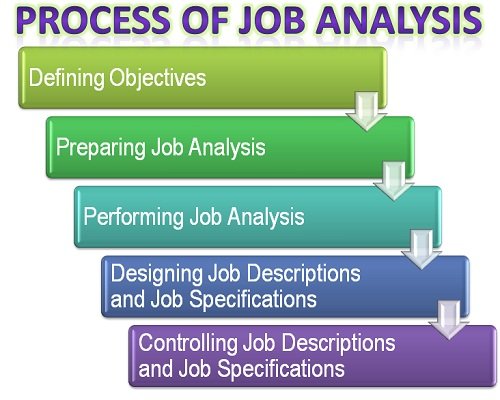
Process of Job Analysis and Design

An effective and right process of analyzing a particular job is a great relief for them. It helps them maintain the right quality of employees, measure their performance on realistic standards, assess their training and development needs and increase their productivity. Let’s discuss the job analysis process and find out how it serves the purpose.

Job Analysis Process

Identification of Job Analysis Purpose: Well any process is futile until its purpose is not identified and defined. Therefore, the first step in the process is to determine its need and desired output. Spending human efforts, energy as well as money is useless until HR managers don’t know why data is to be collected and what is to be done with it.
Who Will Conduct Job Analysis: The second most important step in the process of job analysis is to decide who will conduct it. Some companies prefer getting it done by their own HR department while some hire job analysis consultants. Job analysis consultants may prove to be extremely helpful as they offer unbiased advice, guidelines and methods. They don’t have any personal likes and dislikes when it comes to analyze a job.
How to Conduct the Process: Deciding the way in which job analysis process needs to be conducted is surely the next step. A planned approach about how to carry the whole process is required in order to investigate a specific job.
Strategic Decision Making: Now is the time to make strategic decision. It’s about deciding the extent of employee involvement in the process, the level of details to be collected and recorded, sources from where data is to be collected, data collection methods, the processing of information and segregation of collected data.
Training of Job Analyst: Next is to train the job analyst about how to conduct the process and use the selected methods for collection and recoding of job data.
Preparation of Job Analysis Process: Communicating it within the organization is the next step. HR managers need to communicate the whole thing properly so that employees offer their full support to the job analyst. The stage also involves preparation of documents, questionnaires, interviews and feedback forms.
Data Collection: Next is to collect job-related data including educational qualifications of employees, skills and abilities required to perform the job, working conditions, job activities, reporting hierarchy, required human traits, job activities, duties and responsibilities involved and employee behaviour.
Documentation, Verification and Review: Proper documentation is done to verify the authenticity of collected data and then review it. This is the final information that is used to describe a specific job.
Developing Job Description and Job Specification: Now is the time to segregate the collected data in to useful information. Job Description describes the roles, activities, duties and responsibilities of the job while job specification is a statement of educational qualification, experience, personal traits and skills required to perform the job.
Thus, the process of job analysis helps in identifying the worth of specific job, utilizing the human talent in the best possible manner, eliminating unneeded jobs and setting realistic performance measurement standards.

Process of Job Design

Job design is the process of creating identical jobs with sufficient information regarding work activities to be carried out including the skills, experience and qualification required to conduct the job more efficiently and effectively. It designs the sufficient intrinsic and extrinsic reward system associated with the job. A typical job design process consists of following parts:

1. Specification of individual tasks:
At beginning, all the tasks to be conducted are identified. On the basis of nature, special skills or abilities required  to perform the tasks, relation and interdependency with other tasks, complexities etc. of tasks need to be classified. In this step, individual tasks are simplified as far as possible.

2. Combination of task into jobs:
Job is the group of similar tasks in terms of nature and responsibilities as well as skills combined together to form different jobs. Jobs need to be simple in the sense that they need to be scientific systematic. In this step, jobs are prepared and assigned to the concerned department and employees.

3. Specification of methods:
After designing jobs, specific methods to conduct these are identified. Specification of methods not only provides the basic guidelines to perform the job but also helps to get the similar jobs done uniformly. This can be changed with the change in technology as well as advancement in the methods.

Benefits or Objectives of Job Design in HRM:
Job design is the basis of motivation to employees. Scientifically designed job increase the productivity of the organization. This is the very first condition to perform the organizational activities in an effective and efficient way to attain the organizational goals. Following major benefits can be attained because of job design:

1. Organizational structure:
Job design collects the similar activities into a package i.e. job. This helps to prepare the logical relation between different job responsibilities. Job design designs different position in the organization. This ultimately helps to prepare the organizational structure. Job design provides the basic information for designing the organizational structure.

2. Help in HR Planning:
Human resource planning requires some fundamental information regarding the job. Job design not only prepares the jobs but it estimates the minimum skills qualification and experience required to different jobs. It determines the number of jobs available in an organization. This helps to plan regarding the human resource acquisition, development, utilization and maintenance.

3. Human resource acquisition and selection:
Getting right man at the right job is another important purpose of job design. It prepares the information regarding skills, qualification, experience and the expertise required to accomplish the job in best possible way. This determines the things to be done as well as its specification. This helps to search and select right man at the right job. Perfect job design reduces the risk of selecting wrong employees to the job.

4. Employee motivation and commitment:
Job design helps to allocate job responsibilities according to interest, skills, and expertise of employees. This limits the job responsibilities upto skills and expertise. Job design makes the job more interesting and challenging. It provides the avenue of personal growth. All these things provide the motivation to employees and increase the level of satisfaction too. Motivated employees commit for best performance. Productivity and efficiency of such motivated and committed employees remains the maximum level.

5. Good industrial relation:
Industrial relation is being vital in modern business age. Success or failure of organization largely depends upon the relation between management, employees and government. Properly designed job increases the job satisfaction in employees. There will be no conflict in responsibilities and goals in between jobs if they are designed scientifically. Such job decreases the employees grievances, indisciplinary actions, employees and management. This ensures the success of organization.

6. Better quality of life:
Quality of work life indicates the state of working condition. This is one of the most important indicators to increase the job satisfaction. Quality of work life is the relationship between employees and working environment. Better quality work life increases the job satisfaction and helps to create harmonious relationship between employees and management. Properly designed job increases the quality of work life. It provides the interrelationship between different jobs, makes the area of responsibility clear, provides clear schedule of work, creates group of employee right for the appropriate job. All these things help to improve the quality of work life. Positive changes in job design also help to change the attitude and belief of employees to make them favorable for organizational benefits.

7. Easy supervision:
Properly designed jobs become scientific for responsibility distribution, skills requirement and inter job relationship. Job design helps to select right man at right job. Employee job satisfaction and commitment in such case become high. Self motivated and directed employees need less supervision. This helps to reduce supervision cost.

8. Environment adaptation:
Business environment is ever changing. With the change in technology, market segment customer’s expectations, organizational objectives etc. jobs need to be changed. To grab the business opportunities from the competitive market, organizations must change their products, technology, way of doing things, etc. So, job once created may not be effective forever. They need to be improved and empowered. Such activities in job are done through job design and hence organization creates goods and products with greater customer expectation. So, job design helps to adopt the changing environment.

9. Organizational goal attainment:
Job designed scientifically will motivate employees for job commitment. Such jobs reduce the absenteeism, turnover, grievance, frustration and lower productivity. Committed employees pay their total effort for organizational betterment. These things help to attain organizational goal as per planning.

Methods of Job Analysis

Methods of collecting job analysis information include direct observation, work method analysis, critical incident technique, interview and questionnaire method.

These are given below

  1. Direct Observation Method

Direct Observation is a method of job analysis to observe and record behaviour / events / activities / tasks / duties when the worker or group engaged in doing the job. Observation method can be effective only when the job analyst is skilled enough to know what is to be observed, how to analyze, and what is being observed.

  1. Work Method Analysis

Work methods analysis is used to describe manual and repetitive production jobs, such as factory or assembly-line jobs. Work methods analysis includes time and motion study and micro-motion analysis.

  1. Critical Incident Technique

Critical incident technique is a method of job analysis used to identify work behaviours that classify in good and poor performance. Under this method, jobholders are asked to describe critical incidents concerning the job and the incidents so collected are analyzed and classified according to the job areas they describe.

  1. Interview Method

Interview method is a useful tool of job analysis to ask questions to both incumbents and supervisors in either an individual or a group setting. Interview includes structured interviews, unstructured interview, and open-ended questions.

  1. Questionnaire Method

It includes 6 techniques, which are as follows:

(a) Position Analysis Questionnaire (PAQ Model)

PAQ model is a questionnaire technique of job analysis. It developed by Mc Cormick, Jeanneret, and Mecham (1972), is a structured instrument of job analysis to measure job characteristics and relate them to human characteristics. It consists of 195 job elements that describe generic human work behaviours.

(b) Functional Job Analysis (FJA Model)

FJA model is a technique of job analysis that was developed by the Employment and Training Administration of the United States Department of Labour. It includes 7 scales (numbers) that measure- 3 worker-function scales- measure percentage of time spent with: data, people, things; 1 worker-instruction scale; 3 scales that measure reasoning, mathematics, and language.

(c) Work Profiling System (WPS Model)

WPS model is a questionnaire technique of job analysis, is a computer-administered system for job analysis, developed by Saville & Holds worth, Ltd.

(d) MOSAIC Model

MOSAIC model is a questionnaire technique of job analysis used to collect information from incumbents and supervisors. It contains 151 job tasks rated in terms of importance for effective job performance and 22 competencies rated in terms of importance, and needed proficiency at entry.

(e) Common Metric Questionnaire (CMQ Model)

CMQ model is a technique of job analysis that was developed by Harvey as a “worker-oriented” job analysis instrument designed to have applicability to a broad range of exempt and nonexempt jobs. It includes 41 general questions of background section, 62 questions of contacts with people, 80 items of decision making, 53 items of physical and mechanical activities, 47 items of work setting.

(f) Fleishman Job Analysis System (FJAS Model)

FJAS model is a technique of job analysis that describes jobs from the point of view of the necessary capacities. It includes 52 cognitive, physical, psycho-motor, and sensory ability; each of the categories consists of two parts – an operational and differential definition and a grading scale.

Outcomes of Job analysis: Job description and Job Specification

There are two outcomes of job analysis: Job description and Job specification

Job description

A job description is a list that a person might use for general tasks, or functions, and responsibilities of a position. It may often include to whom the position reports, specifications such as the qualifications or skills needed by the person in the job, or a salary range. Job descriptions are usually narrative, but some may instead comprise a simple list of competencies; for instance, strategic human resource planning methodologies may be used to develop competency architecture for an organization, from which job descriptions are built as a shortlist of competencies. A job description concentrates on the job. It explains what the job is and what the duties, responsibilities, and general working conditions are.

A job description may include relationships with other people in the organisation: Supervisory level, managerial requirements, and relationships with other colleagues.

A job description need not be limited to explaining the current situation, or work that is currently expected; it may also set out goals for what might be achieved in future.

Job specification

Job specification concentrates on the characteristics needed to perform the job. It describes the qualifications the incumbent must possess to perform the job.

Job specification is a statement which tells us minimum acceptable human qualities which helps to perform a job. Job specification translates the job description into human qualifications so that a job can be performed in a better manner. Job specification helps in hiring an appropriate person for an appropriate position. The contents are:

  • Job title and designation
  • Educational qualifications for that title
  • Physical and other related attributes
  • Physique and mental health
  • Special attributes and abilities
  • Maturity and dependability
  • Relationship of that job with other jobs in a concern

Job Design, Approaches and Techniques of Job Design

Job design refers to the process of structuring tasks, responsibilities, and work environments to enhance employee performance, motivation, and satisfaction. It involves defining job roles, workflows, and interactions to align with organizational goals while ensuring efficiency and employee well-being. Effective job design incorporates elements like job rotation, job enlargement, job enrichment, and autonomous work teams to improve engagement and productivity. By considering factors such as skill variety, task identity, and job autonomy, organizations can create roles that enhance employee motivation, reduce stress, and promote work-life balance, ultimately leading to improved organizational performance and employee retention.

Approaches of Job Design:

  • Job Rotation

Job rotation involves periodically shifting employees between different roles or tasks within an organization. This approach helps employees develop diverse skills, reduces job monotony, and enhances adaptability. For example, in a manufacturing unit, employees may be rotated across different production processes to improve their knowledge of the entire system. Job rotation increases engagement, prevents burnout, and prepares employees for multiple roles, enhancing workforce flexibility.

  • Job Enlargement

Job enlargement expands the scope of a job by adding more tasks at the same level of complexity. Instead of performing a limited set of repetitive tasks, employees handle a variety of duties, making their work more interesting. For instance, a data entry operator may also be given report generation responsibilities. This approach reduces boredom, increases task significance, and improves job satisfaction by providing a broader sense of contribution to the organization.

  • Job Enrichment

Job enrichment focuses on increasing job depth by providing employees with more responsibility, decision-making authority, and opportunities for personal growth. It enhances motivation by allowing employees to have greater control over their work. For example, in customer service, employees may be empowered to resolve customer issues without managerial intervention. This approach fosters skill development, job satisfaction, and a sense of ownership, leading to improved performance and reduced turnover.

  • Task Significance Approach

This approach emphasizes the impact of an employee’s work on the organization and society. Employees are more motivated when they see how their contributions make a difference. For example, a healthcare worker finds motivation in knowing their job directly impacts patient well-being. Organizations enhance job significance by providing employees with feedback, customer interaction, and recognizing their contributions to business success.

  • Socio-Technical Approach

The socio-technical approach integrates both social and technical aspects of work to optimize performance. It focuses on balancing technology, work processes, and human interactions to improve efficiency and job satisfaction. For example, in IT firms, software developers collaborate with project managers and UX designers to create user-friendly applications. This approach ensures that technological advancements align with employee needs, fostering a collaborative and productive work environment.

  • Behavioral Approach

This approach considers psychological and behavioral aspects of job design, ensuring tasks align with employee skills, motivation, and personality traits. Techniques such as providing autonomy, meaningful feedback, and opportunities for career growth help employees feel valued and engaged. Organizations that focus on behavioral factors create jobs that enhance motivation, job satisfaction, and employee well-being, leading to higher retention rates and performance.

Techniques of Job Design:

Job design techniques are used to structure work in a way that enhances employee satisfaction, efficiency, and organizational effectiveness. These techniques help in making jobs more engaging, reducing monotony, and improving overall productivity.

  • Job Rotation

Job rotation involves shifting employees between different roles or departments to provide them with varied experiences and prevent job monotony. For example, in a bank, an employee may be rotated between customer service, loan processing, and accounts management. This technique improves skill diversity, reduces burnout, and prepares employees for multiple roles, making the workforce more adaptable and efficient.

  • Job Enlargement

Job enlargement increases the number of tasks assigned to an employee at the same level of responsibility. Instead of performing a narrow set of repetitive tasks, employees handle a broader range of activities. For example, a cashier in a retail store may also be responsible for inventory checking. This technique makes jobs more interesting, enhances employee engagement, and reduces workplace boredom.

  • Job Enrichment

Job enrichment focuses on increasing the depth of a job by adding responsibilities, decision-making authority, and opportunities for personal growth. Employees are given more autonomy to plan, execute, and control their tasks. For example, a sales executive may be allowed to create their own marketing strategies instead of just following assigned tasks. This technique enhances motivation, fosters skill development, and leads to greater job satisfaction.

  • Task Identity and Task Significance

Task identity involves designing jobs so that employees can complete an entire process or task from start to finish rather than just a small portion of it. Task significance refers to how meaningful the job is in contributing to the organization or society. For example, a nurse feels more satisfied knowing their job directly impacts patient health. These techniques improve motivation and provide employees with a sense of accomplishment.

  • Work Autonomy

Providing employees with greater control over how they perform their tasks improves job satisfaction and creativity. Employees who can set their own schedules, choose work methods, or make independent decisions feel more empowered. For example, a software developer given the freedom to choose their coding approach is likely to be more innovative. This technique increases accountability, productivity, and workplace morale.

  • Flexibility in Work Design

Flexible work arrangements, such as remote work, hybrid models, and flexible hours, enhance employee well-being and productivity. Employees can balance their professional and personal responsibilities more effectively, reducing stress and increasing engagement. Many companies now implement flexible work policies to accommodate diverse workforce needs.

Employee Transfers, Reasons, Types, Disadvantages

An employee transfer refers to the lateral movement of an employee from one job, department, or location to another within the same organization, without a significant change in their rank, responsibility, or salary grade. Unlike a promotion, it does not involve upward mobility or an increase in compensation. Transfers are typically initiated to meet organizational needs such as filling vacancies, optimizing workforce utilization, or resolving conflicts. They can also serve employee interests by providing new challenges, addressing personal requests, or facilitating skill development. When managed effectively, transfers enhance operational flexibility, prevent stagnation, and contribute to employee growth and satisfaction.

Reasons of Employee Transfers:

  • To Meet Organizational Needs

Transfers are often initiated to fulfill urgent operational requirements. This includes filling vacancies created by resignations, retirements, or medical leaves in critical roles where specific skills are needed. It allows management to quickly deploy existing talent where it is most urgently required, ensuring business continuity without the delay and cost of external recruitment. This flexibility helps maintain productivity and efficiency across departments, especially during periods of restructuring, expansion, or unexpected workload shifts.

  • To Utilize Employee Skills Better

An employee might be transferred to a role or department where their specific skills, knowledge, and experience can be better utilized. This occurs when their current position underutilizes their capabilities or when another team has a greater need for their expertise. The goal is to optimize human resource allocation, increase overall organizational effectiveness, and ensure that employees are in positions where they can make their most valuable contribution, which also enhances their own job satisfaction and engagement.

  • To Resolve Conflicts or Issues

Transfers can serve as a strategic solution to resolve interpersonal conflicts, personality clashes, or poor supervisor-subordinate relationships within a team. Rather than losing a valuable employee, moving one party to a different department can alleviate tension, restore a positive work environment, and protect overall team morale and productivity. It provides a fresh start for the employee while removing a disruptive element, allowing both the individual and the original team to function more effectively.

  • To Provide Relief and Prevent Monotony

Long tenure in the same role can lead to boredom, stagnation, and a decline in motivation and performance. A transfer offers a change of scenery, new challenges, and opportunities to learn different aspects of the business. This helps prevent burnout, rejuvenates the employee’s interest and enthusiasm, and can rediscover hidden talents. It is a tool for job enrichment that benefits both the employee, who gains new experiences, and the organization, which retains a skilled and re-engaged worker.

  • To Accommodate Employee Requests

Employees may personally request a transfer for various legitimate reasons. These can include personal circumstances such as health issues, family responsibilities, or the desire to relocate to a different city or branch. Accommodating such requests, when feasible, demonstrates organizational empathy and support for work-life balance. This practice boosts employee loyalty, reduces stress, and helps retain valuable talent that might otherwise be lost if their personal needs were not addressed, fostering a supportive and compassionate workplace culture.

  • To Facilitate Training and Development

Transfers are used as a deliberate strategy for employee development and succession planning. By moving high-potential employees through different roles and departments, they gain a broader understanding of the entire organization. This cross-functional exposure builds a versatile skill set, prepares them for future leadership positions, and helps create a pipeline of well-rounded talent capable of stepping into critical roles. It is an investment in building organizational capability from within.

Types of Employee Transfers:

  • Production Transfer

This type of transfer is initiated to address workload imbalances within the organization. Employees are moved from a department with a surplus of workforce or reduced activity to another department that is understaffed or has a high workload. The primary goal is to stabilize production and ensure optimal utilization of human resources across all units, preventing layoffs in slow sections and overtime in busy ones. It helps maintain operational efficiency without hiring externally.

  • Replacement Transfer

This involves moving a long-service employee from a critical role to a less critical one, often to replace a junior employee who is then terminated. The purpose is typically to retain experienced workers during times of workforce reduction, protecting seniority and institutional knowledge while allowing the organization to downsize by releasing newer, often less expensive, employees. It is a strategy used to manage redundancies while minimizing the loss of valuable experience.

  • Versatility Transfer

Also known as a rotation transfer, this type is used to develop a flexible and multi-skilled workforce. Employees are moved between different roles or departments not out of necessity, but to broaden their experience and skill set. This helps the organization create a pool of employees who understand various functions and can be deployed wherever needed. It also prevents monotony and prepares employees for future leadership roles through diverse exposure.

  • Remedial Transfer

This transfer is undertaken to rectify a placement error. If an employee is struggling in their current role due to a mismatch of skills, temperament, or interests, they are moved to a different position that better suits their capabilities. The goal is remedial: to salvage a potentially valuable employee by placing them in an environment where they can succeed, rather than terminating them for poor performance in an unsuitable role.

  • Shift Transfer

In organizations operating across multiple shifts, employees may be transferred from one shift to another. This can be done to accommodate employee preferences (e.g., moving from a night shift to a day shift for personal reasons) or to meet operational requirements, such as balancing experience across shifts. The aim is to align workforce availability with production needs while also considering employee well-being and work-life balance.

  • Penal Transfer

This is a punitive measure, where an employee is transferred to a less desirable role, location, or shift as a form of discipline for unsatisfactory performance or misconduct. The undesirable new posting acts as a demotion or a warning, intended to penalize the employee and signal the seriousness of the issue. However, this type of transfer can negatively impact morale and is often seen as a counterproductive HR practice.

Disadvantages of Employee Transfers:

  • Adjustment Challenges

Employee transfers often require individuals to adjust to new work environments, team dynamics, and reporting structures. This transition can be stressful and affect their morale and productivity initially. Employees may feel unsettled due to unfamiliar processes, expectations, or colleagues. The lack of comfort in the new workplace can lead to anxiety, dissatisfaction, or reduced efficiency. If the adjustment phase is not properly supported, employees may struggle to perform, impacting both individual and organizational performance negatively.

  • Family and Personal Disruption

Transfers, especially involving relocation, disrupt employees’ personal and family lives. Moving to a new city or region may cause challenges in children’s education, spouse’s employment, or overall family adjustment. Employees may face difficulties in managing housing, healthcare, or lifestyle changes. Such disruptions can create stress and resistance toward the transfer. In many cases, personal challenges outweigh professional opportunities, leading to dissatisfaction. For organizations, this can increase attrition rates as employees might resign instead of relocating.

  • High Relocation Costs

Employee transfers, particularly geographical ones, involve significant financial costs for both the employee and the employer. The company may need to cover expenses like travel, temporary accommodation, relocation allowances, or settlement support. Employees may also incur out-of-pocket expenses for moving households or adapting to a costlier city. These expenses can strain organizational budgets if transfers are frequent. For employees, the burden of additional costs may reduce their satisfaction, especially if not compensated adequately by the organization.

  • Loss of Productivity

Transferred employees usually take time to adapt to their new roles, colleagues, and systems. During this adjustment phase, their productivity tends to decline, and it may take weeks or months before they regain peak efficiency. This temporary dip affects overall organizational performance. Moreover, the previous department may also suffer as it loses an experienced employee, leading to gaps in workflow. Therefore, transfers often result in dual productivity loss — in the old and new workplace.

  • Resistance and Demotivation

Not all employees welcome transfers positively. Some may view them as unnecessary or even punitive, especially if they were not consulted beforehand. Forced transfers can demotivate employees, creating feelings of resentment toward the management. Such employees may lose trust in the organization, show reduced commitment, or even quit their jobs. This resistance can also spread negativity among peers, lowering morale across departments. Thus, poorly managed transfers can damage employee relations and organizational culture significantly.

  • Cultural and Social Barriers

When employees are transferred to new regions or branches, they may encounter cultural, linguistic, or social differences that create barriers in work and personal life. Adapting to a different local culture may cause feelings of isolation and discomfort. This can reduce their effectiveness in communicating with colleagues, customers, or local stakeholders. In the long run, such barriers may lead to disengagement and dissatisfaction. For organizations, this reduces employee retention and hampers smooth integration into new roles.

  • Skill Mismatch

Sometimes, transfers result in employees being placed in roles where their skills, experience, or interests do not align perfectly with job requirements. This mismatch reduces efficiency and job satisfaction. Employees may feel underutilized or overwhelmed in the new position, which leads to frustration and underperformance. For organizations, it results in wasted potential and inefficiency, requiring additional training or support. Such mismatches highlight poor workforce planning and can negatively impact both career growth and organizational objectives.

Placement, Importance, Principles, Features, Limitations

Placement refers to the process of assigning a selected candidate to a specific job role within an organization. It is the final step of the recruitment and selection process, where the candidate is formally introduced to the work environment and their responsibilities. Effective placement ensures that the individual’s skills, qualifications, and career goals align with the job requirements, thereby promoting job satisfaction and performance. A successful placement process contributes to the overall success of the organization by enhancing employee productivity, reducing turnover, and ensuring a good fit between the employee and the company culture.

Importance of Placement:

  • Maximizes Employee Productivity

Effective placement ensures that employees are assigned to roles that match their skills and qualifications. When employees are placed in positions that align with their abilities, they are more likely to perform at their best. Proper placement helps employees feel competent and confident in their roles, resulting in higher productivity and job satisfaction.

  • Enhances Job Satisfaction and Retention

Employees who are well-placed within an organization are more likely to experience job satisfaction. When employees are assigned to positions they are qualified for and enjoy, they are more likely to feel fulfilled and engaged with their work. This sense of satisfaction leads to lower turnover rates, reducing the time and cost associated with recruitment and training new employees.

  • Ensures Effective Utilization of Talent

Proper placement allows organizations to make the most of their human resources. By assigning individuals to roles that suit their strengths, the company ensures that it is utilizing its workforce to the fullest extent. This also fosters a culture of growth, where employees can develop their skills in roles that match their aspirations and competencies.

  • Contributes to Organizational Efficiency

When employees are placed in roles that match their skills and interests, they can perform tasks more efficiently. This helps streamline workflows, reduce errors, and achieve higher quality outputs. The right placement enhances overall organizational efficiency and contributes to achieving business objectives more effectively.

  • Supports Employee Development and Growth

Placement is not just about filling positions; it also supports career development. By placing employees in roles that align with their professional goals, they have the opportunity to grow and progress within the organization. It sets the foundation for training, skill development, and future promotions, contributing to long-term employee development.

  • Enhances Organizational Culture and Fit

When employees are placed in roles that match their values and personality, they are more likely to align with the organization’s culture. This enhances teamwork, collaboration, and overall organizational harmony. A good cultural fit promotes a positive work environment, helping the organization retain talent and maintain a productive, harmonious workplace.

Principles of Placement:

  • Right Person for the Right Job

One of the fundamental principles of placement is ensuring that the right person is assigned to the right job. The skills, qualifications, experience, and personal attributes of the candidate should match the requirements of the job. This alignment leads to higher job satisfaction, better performance, and reduced turnover. Thorough job analysis and understanding of both the job and the candidate’s capabilities are key to successful placement.

  • Clear Communication of Job Role

Effective placement requires clear communication of job responsibilities and expectations to the employee. The individual should have a clear understanding of what is expected in their new role, including tasks, performance standards, and career development opportunities. Clarity in communication helps avoid role ambiguity, reduces stress, and enables employees to settle into their new positions more easily.

  • Employee Motivation and Satisfaction

Placement decisions should consider the personal interests and career aspirations of the employees. If employees are placed in roles that align with their interests, they are more likely to be motivated, engaged, and productive. Understanding the employee’s goals and matching them with the job helps increase job satisfaction, which in turn leads to better retention and performance.

  • Proper Orientation and Training

Once employees are placed in their respective roles, it is important to provide them with the necessary orientation and training to help them adjust to the work environment. A structured onboarding process helps employees understand the company culture, operational processes, and their specific responsibilities. Proper training ensures that employees can perform their job efficiently and confidently from the start.

  • Consideration of Organizational Needs

While the personal aspirations of the employee are important, placement must also take into account the needs and goals of the organization. The placement process should align with organizational priorities, such as ensuring that employees are assigned to roles where they can contribute to the organization’s objectives. Effective placement ensures optimal utilization of human resources, which contributes to overall organizational success.

  • Flexibility and Adaptability

Placement should be flexible enough to accommodate both the organization’s changing needs and the employee’s evolving career goals. As job roles and organizational structures change, placement decisions may need to be revisited to ensure that employees continue to be well-suited for their positions. Flexibility also allows for career progression opportunities, ensuring that employees remain motivated and continue to contribute meaningfully.

  • Continuous Evaluation and Feedback

The placement process should include ongoing evaluation and feedback to ensure that the employee is thriving in their role. Regular performance reviews and feedback help identify any potential issues early on and provide an opportunity for adjustments if necessary. This process ensures that employees remain engaged and that any challenges are addressed before they lead to dissatisfaction or disengagement.

Features of Placement:

  • Role Matching and Alignment

One of the primary features of placement is ensuring that the candidate’s qualifications, skills, and abilities align with the job requirements. A well-structured placement process matches employees to roles where they can utilize their strengths and contribute meaningfully to the organization’s goals. It takes into consideration the employee’s previous experience, competencies, and preferences, ensuring the most effective fit.

  • Smooth Transition into the Organization

Placement involves introducing the employee to their new role in the organization and facilitating a smooth transition. This includes providing necessary orientation, familiarizing the employee with the job responsibilities, and ensuring they are equipped with the resources to succeed. A well-planned placement process helps employees feel comfortable and confident in their new environment, enhancing their initial experience with the company.

  • Job Role Clarity

In placement, it is essential to provide the employee with a clear understanding of their job responsibilities, performance expectations, and growth opportunities. Clear job role definitions minimize ambiguity and ensure that employees know what is expected of them, which fosters a sense of responsibility and accountability. Job clarity also aids in reducing role conflict, enhancing employee motivation and performance.

  • Skill Development and Growth Opportunities

Effective placement takes into account the professional aspirations and growth potential of the employee. It ensures that the assigned role offers opportunities for skill development, career advancement, and personal growth. By aligning placement with an employee’s career goals, organizations can retain talent and foster a productive workforce. This feature also supports continuous learning and development within the company.

  • Efficient Resource Allocation

Placement helps in optimizing human resources by ensuring that employees are positioned in roles where they can perform optimally. By placing employees in positions that suit their capabilities, organizations are able to utilize their human capital more effectively. This results in increased productivity, better utilization of talent, and reduced redundancy, leading to overall efficiency.

  • Retention and Job Satisfaction

Proper placement leads to higher levels of job satisfaction and employee retention. When employees are placed in roles that match their interests and competencies, they are more likely to feel engaged and satisfied with their work. This satisfaction often leads to greater job commitment and loyalty, reducing turnover rates and the associated costs of hiring and training new employees.

Limitations of Placement:

  • Inadequate Skill Assessment

Placement may not always match the candidate’s skill set with the job requirements accurately. If the skill assessment is not thorough or if the candidate overstates their abilities, they may be placed in a role where they struggle to perform. This can lead to dissatisfaction, frustration, and lower productivity, both for the employee and the organization.

  • Lack of Cultural Fit

A candidate may be well-qualified for the job but may not fit well with the organization’s culture. If the placement process does not take cultural compatibility into account, the employee might face challenges in adapting to the work environment, team dynamics, and the company’s values. Poor cultural fit can result in a lack of job satisfaction, disengagement, and even turnover.

  • Misalignment of Career Goals

Sometimes, employees may be placed in roles that don’t align with their long-term career aspirations. If a placement does not consider the candidate’s career growth plans, they may feel restricted or stagnant in their role. Over time, this can lead to a lack of motivation, performance decline, and higher attrition rates as employees may seek opportunities that align better with their professional development.

  • Overburdening Employees

In some cases, placement decisions may lead to employees being assigned roles that are too challenging or demanding based on their experience and capabilities. Overburdening employees with tasks they are not prepared for can result in stress, burnout, and reduced performance. This can also impact their overall well-being and lead to an increased likelihood of turnover.

  • Limited Flexibility

Placement processes in some organizations can be rigid, leaving little room for adjustments. Employees may be placed in roles that do not suit their changing needs or aspirations over time. This lack of flexibility can result in dissatisfaction and hinder the ability to adapt to new challenges or opportunities within the organization.

  • Short-Term Focus

Sometimes, placement decisions are made with a short-term focus, emphasizing immediate job requirements rather than considering long-term potential and career growth. This approach may lead to employees being placed in roles that provide immediate utility but lack future growth prospects. Over time, this can lead to employees becoming disengaged or seeking opportunities elsewhere that offer more career progression.

  • Inadequate Onboarding Support

Even if the placement decision is well-suited to the candidate’s skills and qualifications, a lack of proper onboarding can negatively affect the employee’s integration into the role. Insufficient training, unclear job expectations, and lack of support can lead to confusion and poor performance. Effective onboarding is crucial to ensuring that the placement process is successful and that employees can succeed in their new roles.

error: Content is protected !!