Workforce Diversity, Meaning, Features, Significance, Types, Challenges

Workforce diversity refers to the inclusion and equitable treatment of employees from a wide range of identities, backgrounds, and experiences. This encompasses visible traits like age, gender, ethnicity, and physical ability, as well as less visible aspects such as cultural values, education, sexual orientation, religion, and cognitive styles. Beyond mere representation, it emphasizes creating an environment where these differences are respected, valued, and leveraged to foster innovation, creativity, and organizational growth. A diverse workforce reflects the global marketplace, enhances problem-solving through varied perspectives, and promotes a culture of inclusivity where every individual can contribute to their fullest potential, driving both social and business outcomes.

Features of Workforce Diversity:

  • Multidimensional Inclusivity

Workforce diversity is not limited to a single aspect like gender or race; it encompasses a broad spectrum of human differences. This includes demographic factors (age, ethnicity), experiential elements (education, socioeconomic background), cognitive traits (thinking styles, problem-solving approaches), and cultural perspectives (values, beliefs). This multidimensionality ensures a rich tapestry of human experiences within the organization, recognizing that each individual brings a unique combination of attributes that collectively enhance the workplace environment and drive comprehensive innovation.

  • Voluntary and Strategic Integration

True diversity is not accidental but a deliberate, strategic organizational choice. It involves proactive policies and practices designed to attract, retain, and promote individuals from diverse backgrounds. This includes unbiased recruitment, inclusive leadership training, and mentorship programs. The strategic nature of diversity ensures it is embedded into the company’s core values and operational framework, moving beyond tokenism to create genuine, sustainable inclusion that aligns with long-term business goals and ethical commitments.

  • Enhances Creativity and Innovation

A fundamental feature of a diverse workforce is its capacity to foster creativity and drive innovation. When people with different perspectives, experiences, and knowledge collaborate, they challenge conventional thinking and generate more novel ideas and solutions. This diversity of thought prevents groupthink, encourages healthy debate, and leads to better decision-making and problem-solving. Organizations leverage this feature to adapt to market changes, understand diverse customer needs, and maintain a competitive edge in a globalized economy.

  • Promotes Equity and Fairness

Workforce diversity is inherently linked to principles of equity and fairness. It ensures that all employees, regardless of their background, have equal access to opportunities, resources, and career advancement. This involves eliminating systemic barriers and biases in processes like hiring, promotions, and compensation. By actively promoting fairness, diversity initiatives create a level playing field where talent and effort are recognized and rewarded, fostering a culture of justice and respect that benefits every individual in the organization.

  • Reflects Global and Market Realities

Modern businesses operate in an interconnected global marketplace with diverse customers, partners, and stakeholders. A diverse workforce mirrors this external environment, enabling the organization to better understand, relate to, and serve varied demographic segments. This feature enhances cultural competence, improves customer engagement, and strengthens the company’s brand reputation as socially aware and inclusive. It ensures the organization remains relevant and responsive to the evolving expectations of a global society.

  • Continuous Learning and Adaptation

Diversity is not a static achievement but a dynamic, ongoing process. It requires continuous learning, adaptation, and commitment from everyone in the organization. This feature involves regular training, open dialogue, feedback mechanisms, and policy updates to address emerging challenges and opportunities related to inclusion. It fosters a growth mindset where employees and leaders continually evolve their understanding and practices, ensuring the workplace remains adaptable, respectful, and forward-thinking in its approach to human differences.

Significance of Workforce Diversity:

  • Enhanced Creativity and Innovation

Workforce diversity brings together employees from different cultural, educational, and professional backgrounds. This variety of perspectives stimulates creativity and innovation, enabling organizations to develop unique solutions and products. Diverse teams challenge conventional thinking and encourage brainstorming from multiple viewpoints. By leveraging diverse ideas, companies can improve problem-solving, adapt to change, and gain a competitive edge in dynamic markets, fostering continuous growth and organizational resilience.

  • Better DecisionMaking

Diverse teams improve decision-making by incorporating multiple perspectives and experiences. When employees from varied backgrounds contribute ideas, biases are minimized, and critical thinking is enhanced. This leads to more thorough analysis, innovative solutions, and informed strategies. Organizations benefit from well-rounded decisions that consider social, cultural, and economic factors. By fostering inclusivity, companies reduce errors, increase accountability, and enhance outcomes in both daily operations and long-term strategic planning.

  • Improved Market Understanding

Workforce diversity helps organizations understand and serve diverse markets effectively. Employees with varied cultural, linguistic, and regional knowledge provide insights into customer needs, preferences, and behaviors. This enhances product development, marketing strategies, and customer service. Diverse teams can better anticipate global trends, tailor offerings, and expand into new markets. By reflecting the diversity of customers internally, organizations build stronger relationships, improve brand loyalty, and achieve higher customer satisfaction.

  • Employee Engagement and Retention

Valuing workforce diversity creates an inclusive and respectful workplace where employees feel recognized and appreciated. Inclusion promotes engagement, motivation, and loyalty, reducing turnover. Employees are more likely to contribute fully when their ideas and perspectives are valued. A diverse workplace enhances collaboration, teamwork, and communication among employees. By fostering equity and respect, organizations attract top talent, retain skilled employees, and strengthen overall productivity, creating a competitive and sustainable human resource advantage.

  • Social Responsibility and Reputation

Embracing workforce diversity demonstrates an organization’s commitment to social responsibility and ethical practices. Companies that value inclusivity enhance their reputation among customers, investors, and stakeholders. Diversity initiatives reflect fairness, equality, and respect for human rights. This improves public perception, brand image, and trust. Organizations that integrate diversity in policies, recruitment, and leadership create a positive organizational culture while contributing to broader societal goals, reinforcing long-term sustainability and corporate credibility.

Types of Workforce Diversity:

  • Cultural Diversity 🌍

Cultural diversity refers to the inclusion of employees from various ethnicities, nationalities, and cultural backgrounds. It brings a rich mix of traditions, languages, and perspectives that enhance creativity and global competitiveness. Teams benefit from broader problem-solving approaches and deeper market insights. However, it requires sensitivity to cultural norms and communication styles to avoid misunderstandings. Organizations must foster cultural awareness through training and inclusive policies. When embraced, cultural diversity strengthens collaboration, drives innovation, and builds a workplace that reflects the global nature of modern business.

  • Gender Diversity

Gender diversity involves fair representation of all genders across roles, departments, and leadership levels. It challenges stereotypes and promotes equality in hiring, compensation, and career growth. Diverse gender perspectives improve decision-making, team dynamics, and innovation. Companies with balanced gender representation often show stronger financial performance and employee satisfaction. However, unconscious bias and systemic barriers can hinder progress. Organizations must implement inclusive policies, mentorship programs, and flexible work arrangements. Supporting gender diversity is not only a moral imperative—it’s a strategic advantage in building resilient, forward-thinking workplaces.

  • Age Diversity 🧓👩‍💻

Age diversity includes employees from different generations—Baby Boomers, Gen X, Millennials, and Gen Z—each contributing unique experiences, skills, and values. Older workers offer deep institutional knowledge and mentorship, while younger employees bring tech fluency and fresh ideas. This generational mix fosters innovation and adaptability. However, age-related stereotypes and differing work expectations can cause friction. Organizations must encourage intergenerational collaboration, tailor communication styles, and promote mutual respect. Valuing age diversity helps create inclusive cultures that leverage the strengths of all age groups and prepare businesses for evolving workforce dynamics.

  • Educational Diversity 🎓

Educational diversity refers to the range of academic backgrounds, qualifications, and learning experiences among employees. It includes individuals with formal degrees, vocational training, and non-traditional education paths. This diversity enriches problem-solving by integrating theoretical knowledge with practical expertise. Teams benefit from varied approaches to tasks and decision-making. However, disparities in educational attainment can affect confidence and collaboration. Organizations should recognize diverse learning styles and provide continuous development opportunities. Embracing educational diversity ensures that talent is valued beyond credentials, fostering innovation and inclusivity in the workplace.

  • Disability Diversity

Disability diversity includes individuals with physical, sensory, cognitive, or mental health conditions. These employees bring unique perspectives, resilience, and problem-solving skills. Inclusive workplaces must ensure accessibility through assistive technologies, flexible policies, and infrastructure design. Despite legal protections, many face barriers in recruitment, advancement, and social inclusion. Organizations must promote awareness, provide accommodations, and foster a culture of respect. Supporting disability diversity not only fulfills ethical and legal responsibilities—it also enhances team performance and reflects a commitment to equity, empathy, and human dignity.

  • Religious Diversity 🕊️

Religious diversity involves the inclusion of employees from various faiths, beliefs, and spiritual practices. It encourages respect for different customs, holidays, and dietary needs. Acknowledging religious diversity fosters ethical awareness and a tolerant workplace culture. However, it may require adjustments in scheduling, attire policies, and workplace norms. Organizations should accommodate religious practices without bias and create spaces for open dialogue. Promoting religious diversity enhances employee morale, reduces discrimination, and reflects a commitment to pluralism and human rights—making the workplace more inclusive and socially responsible.

Challenges of Workforce Diversity:

  • Communication Barriers

Diverse teams often face communication challenges due to differences in language, cultural norms, and expression styles. Misunderstandings can arise from varying interpretations of tone, gestures, or feedback. These barriers may hinder collaboration, delay decision-making, and reduce overall efficiency. To overcome this, organizations must promote inclusive communication practices, provide language support, and encourage active listening. Building cultural awareness among employees is essential to ensure clarity and mutual respect in diverse work environments.

  • Cultural Misunderstandings

Workforce diversity brings together individuals with distinct cultural backgrounds, which can lead to clashes in values, traditions, or workplace etiquette. What is considered respectful or appropriate in one culture may be perceived differently in another. These misunderstandings can create tension, reduce trust, and impact team cohesion. Organizations must invest in cultural sensitivity training and foster open dialogue to bridge gaps. Encouraging empathy and curiosity about others’ perspectives helps create a more harmonious and respectful workplace.

  • Resistance to Change

Some employees may resist diversity initiatives due to unfamiliarity, fear of losing status, or discomfort with new perspectives. This resistance can manifest as passive disengagement or active opposition, undermining inclusion efforts. Long-standing biases and stereotypes may also influence attitudes toward diverse colleagues. Overcoming this challenge requires strong leadership, clear communication of diversity’s benefits, and consistent reinforcement of inclusive values. Change management strategies and employee involvement in diversity programs can ease transitions and build acceptance.

  • Integration and Inclusion Difficulties

While hiring diverse talent is a step forward, ensuring their full integration into the workplace is more complex. Diverse employees may feel isolated or excluded from informal networks and decision-making processes. Without intentional inclusion, diversity can remain superficial. Organizations must create equitable opportunities for participation, mentorship, and advancement. Inclusive policies, employee resource groups, and leadership support are vital to fostering a sense of belonging and ensuring that diversity translates into meaningful engagement.

  • Bias in DecisionMaking

Unconscious biases can influence hiring, promotions, and team assignments, even in diverse workplaces. These biases may favor certain groups and disadvantage others, perpetuating inequality. Bias in decision-making undermines meritocracy and can demotivate talented individuals. Addressing this requires structured evaluation criteria, diverse interview panels, and regular bias training. Transparency in processes and accountability mechanisms help ensure fair treatment. Organizations must actively monitor and correct biased practices to build trust and uphold diversity goals.

  • Conflict Among Team Members

Diverse perspectives can lead to creative solutions, but they may also spark disagreements. Differences in problem-solving approaches, values, or communication styles can cause friction. If not managed well, these conflicts can escalate and affect team morale. Leaders must be equipped to mediate disputes and foster respectful dialogue. Conflict resolution training and a culture of psychological safety are essential. When handled constructively, conflict can become a source of growth and innovation rather than division.
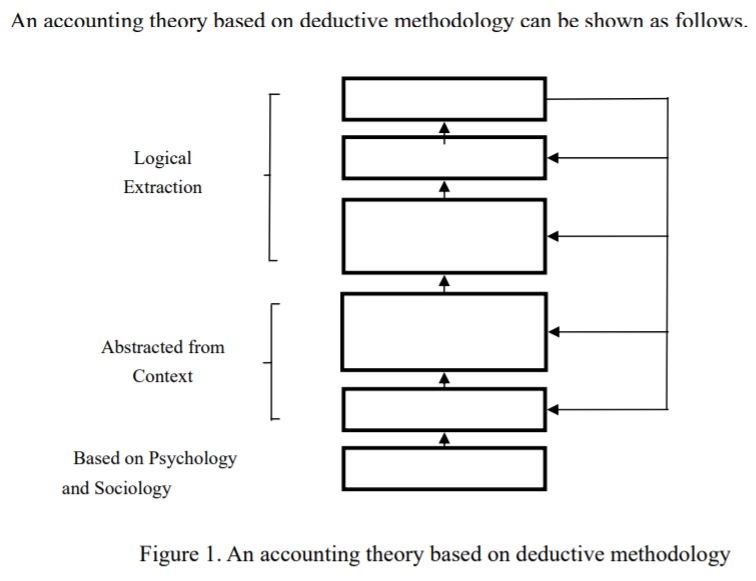
Deductive and inductive approach in theory formulation

Induction is a reasoning method by which a law or a general principle would be inferred via observing specific cases. The inductive approach emphasizes on observation and deriving conclusions through observation. It generally moves from specific to general, since the researcher generalizes his limited observations of specific circumstances to general conditions. In accounting, the inductive approach begins by observing the financial information of the companies and progresses towards constructing accounting generalizations and principles out of those observations and reoccurring relations.

In deductive approach, in order to achieve a consensus, the structure of logical reasoning needs to be quite formal. However, in inductive approach, the accounting practice can turn into accounting principles. Accounting standard setters, extracted the conceptual framework via the best practices which in turn have been identified based on the assumed objectives of financial reporting. At the same time, attention was paid to the conceptual integrity, because the framework has been developed descriptively, although the objective was to make an imperative framework for providing guidelines to set and interpret accounting standards.

Deductive Approach

This approach involves developing a theory from elementary proposals, premises and assumptions which results in accounting principles that are reasonable conclusions about the subject. The theory is verified by determining whether its results are acceptable in practice. Edwards and Bell are deductive theorists and historical cost accounting was also derived from a deductive approach.

The deductive approach constitutes developing of an assumption based on the existing theories and forming a research plan to test the assumption (Wilson, 2010). The deductive approach can be explained using the assumption driven from theory. In other words, the deductive approach includes deducing the results from the premises. When a deductive method is applied for a research project, the author formulates a set of hypotheses that need to be tested and next, using a relevant methodology, tests the hypothesis. Deductive reasoning has specific characteristics that needs be understood. If the premises of deductive reasoning are accepted, then, the conclusion must necessarily be accepted. In a deductive reasoning, the contents of the result are implicitly stated in the premises, making such argument a non-ampliative one. If new premises are added to the argument, then the conclusion must still follow. A deductive argument is either valid or invalid and there is no degree of validity. There is no choice or decision in applying such argument and no judgment is necessary for getting the result and conclusion.

Inductive Approach

For this approach we start with observed phenomena and move towards generalized conclusions. The approach requires experimental testing, i.e. the theory must be supported by sufficient illustrations/observations that support the derived conclusions. Fairly often the logical and inductive approaches are mixed as researchers use their knowledge of accounting practices. As Riahi-Belkaoui states: General propositions are formulated through an inductive process, but the principles and techniques are derived by a deductive approach. He also observes that when an inductive theorist, collaborates with a deductive theorist, a hybrid results showing compromise between the two approaches.

Inductive approach begins with specific observations and the conclusions are generalized. In inductive approach, after selecting a number of observations correctly, one can generalize the conclusion to all or groups of similar conditions and situations. These generalizations need to be tested, some of which might be verified and some rejected. Accordingly, all of the principles which are derived based on inductive reasoning are theoretically falsifiable. In the induction process, the researcher as an observer, should honestly, without any prejudgments and biases, and with an impartial mind, register what they observe. Then these observations form a basis on which theories and laws are constructed which make up the scientific knowledge. Inductive researchers also believe that one can logically generalize the observations into general and inclusive rules and the scientific assumptions get verified and ratified.

According to the inductive approach, at the end of research and as a result of observations, theories are constructed. The inductive approach includes looking for a pattern based on the observations and developing a theory for those patterns through hypotheses. In inductive research, no theory is applied at the beginning of the research and the researcher enjoys complete freedom in terms of determining the course of research. Particularly, there is no assumption at the early stages of research and the researcher is not sure about the kind and the nature of findings as research is not finished yet. In inductive reasoning the researcher uses the observations in order to construct an abstract or to describe the circumstances being.

The main advantage of the inductive method is that there is no necessity for any pre-fabricated framework or model. Obviously, while principles are generalized they should be verified through a logical method (deductive approach). The inductive approach towards science has been criticized concerning some aspects. The main issue of the inductive method can be the researchers’ being influenced by their limited knowledge of the relations and the data of the research. Some claim that induction as a principle is falsifiable because it is based on human observations.

Internal Control structure and Management philosophy

An effective internal control structure includes a company’s plan of organization and all the procedures and actions it takes to:

  • Ensure compliance with company policies and federal law.
  • Protect its assets against theft and waste.
  • Ensure accurate and reliable operating data and accounting reports.
  • Evaluate the performance of all personnel to promote efficient operations.

Companies protect their assets by:

Segregation of employee duties Segregation of duties requires that someone other than the employee responsible for safeguarding an asset must maintain the accounting records for that asset. Also, employees share responsibility for related transactions so that one employee’s work serves as a check on the work of other employees.

Assignment of specific duties to each employee When the responsibility for a particular work function is assigned to one employee, that employee is accountable for specific tasks. Should a problem occur, the company can quickly identify the responsible employee.

Rotation of employee job assignments Some companies rotate job assignments to discourage employees from engaging in long-term schemes to steal from them. Employees realize that if they steal from the company, the next employees assigned to their positions may discover the theft.

Use of mechanical devices Companies use several mechanical devices to help protect their assets. Check protectors (machines that perforate the check amount into the check), cash registers, and time clocks make it difficult for employees to alter certain company documents and records.

Record Keeping. Companies should maintain complete and accurate accounting records. One or more business documents support most accounting transactions. These source documents are an integral part of the internal control structure. For optimal control, source documents should be serially numbered.

Employees. Internal control policies are effective only when employees follow them. To ensure that they carry out its internal control policies, a company must hire competent and trustworthy employees. Thus, the execution of effective internal control begins with the time and effort a company expends in hiring employees. Once the company hires the employees, it must train those employees and clearly communicate to them company policies, such as obtaining proper authorization before making a cash disbursement. Frequently, written job descriptions establish the responsibilities and duties of employees. The initial training of employees should include a clear explanation of their duties and how to perform them.

Legal requirements. In publicly held corporations, the company’s internal control structure must satisfy the requirements of govt. law.

The components of internal control are:

Risk assessment. After the entity sets objectives, the risks (such as theft and waste of assets) from external and internal sources must be assessed. Examining the risks associated with each objective allows management to develop the means to control these risks.

Control environment. The control environment is the basis for all other elements of the internal control structure. The control environment includes many factors such as ethical values, management’s philosophy, the integrity of the employees of the corporation, and the guidance provided by management or the board of directors.

Control activities. To address the risks associated with each objective, management establishes control activities. These activities include procedures that employees must follow. Examples include procedures to protect the assets through segregation of employee duties and the other means we discussed earlier.

Monitoring. After the internal control structure is in place, the firm should monitor its effectiveness so that it can make changes before serious problems arise. In testing components of the internal control structure, companies base their thoroughness on the risk assigned to those components.

Information and communication. Information relevant to decision making must be collected and reported in a timely manner. The events that yield these data may come from internal or external sources. Communication throughout the entity is important to achieve management’s goals. Employees must understand what is expected of them and how their responsibilities relate to the work of others. Communication with external parties such as suppliers and shareholders are also important.

The internal control environment includes five factors.

Competence of the entity’s people: Competence is the knowledge and skills necessary for particular functions. So does an organization set up the tone of hiring only competent employees? First, management determines the knowledge and skills required for each position, then establishes the job descriptions for these positions. Furthermore, there is a well-designed hiring process and performance review process to ensure that new hires and employees are competent to perform their assigned tasks and assist the organization in achieving their objectives.

Integrity and ethical value: Many organizations seek a high level of integrity and ethical value. But how do organizations obtain them? Usually, those organizations have a clear Code of Conduct and/or Conflict of Interests policies. They periodically communicate these polices to employees to promote honesty and integrity. In addition, some organizations adopt business best practices and emphasize internal controls, which is also clear evidence that the organizations are striving to integrate the integrity and ethical value into the daily business operations.

Management’s Philosophy and Operating style: Management may not achieve its business objectives if it does not introduce and maintain a philosophy and operating style that supports the business objectives and strategies. Management’s philosophy and operating style include management’s attitudes towards the organization objectives, the approaches to minimize the business risks and attitude toward internal controls over financial reporting. For example, if management sets up an unrealistic financial goal and aggressively persuades employees to achieve the goal, what will happen? The chance of misstatement in financial statements becomes higher.

Direction provided by the board of directors: An effective Board of Directors and Audit Committee provide an important oversight function and, because of management’s ability to override controls, they play an important role in the control environment, helping to set a positive tone at the top. For private companies, often there is no Audit Committee. However, to have the Board of Directors is very important for private companies as well. It oversees the organization’s plans and performance, provides management directions with experiences, and oversees the organization’s internal control function.

Authority and Responsibility: The control environment is greatly influenced by the extent to which individuals recognize that they will be held accountable. Accountability plays a critical role in carrying out internal controls in an organization. Sections 302 and 404 of the Sarbanes-Oxley Act (SOX) hold management in an organization accountable for financial reporting to ensure financial reporting is accurate and timely. In the organization, management holds employees accountable for all activities and business practices to ensure the organization is in compliance with SOX. To have an accurate, effective and timely financial reporting system, management must ensure that adequate reporting relationships and authorization hierarchies are in place.

Key Performance Indicators (KPIs), Functions, Designing, Components, Challenges

Key Performance Indicators (KPIs) are measurable values that help organizations evaluate the effectiveness of their strategies, processes, or individual performance in achieving specific objectives. KPIs serve as benchmarks, providing quantitative or qualitative data to track progress over time. They help organizations focus on critical success factors, make informed decisions, and align individual or departmental efforts with strategic goals. Effective KPIs are specific, measurable, attainable, relevant, and time-bound (SMART), ensuring clarity and accountability. In employee performance management, KPIs assess productivity, quality, efficiency, customer satisfaction, or other role-specific outcomes. By monitoring KPIs, managers can identify strengths, performance gaps, and areas requiring improvement. Ultimately, KPIs transform abstract goals into actionable metrics, enabling performance evaluation, strategic planning, and continuous improvement.

Functions of Key Performance Indicators (KPIs):

  1. Performance Measurement

KPIs serve as tools to measure employee, team, and organizational performance against defined goals. They provide objective, quantifiable, or qualitative data to assess whether targets are being met. By monitoring progress, managers can identify strengths, weaknesses, and trends in performance. This function ensures accountability and enables evidence-based decision-making. Without KPIs, performance evaluation is often subjective and inconsistent. Regular measurement through KPIs allows organizations to track efficiency, productivity, and quality systematically, helping to ensure that individual and collective efforts contribute to achieving strategic objectives effectively and continuously.

  1. Goal Alignment

KPIs align individual, team, and departmental objectives with broader organizational goals. They translate strategic priorities into actionable, measurable outcomes, ensuring everyone works toward the same objectives. Clear KPIs help employees understand how their performance impacts organizational success. This function fosters coordination across departments, reduces redundant efforts, and ensures resources are focused on critical success factors. Alignment also motivates employees by providing purpose and context for their work. By connecting daily tasks to strategic goals, KPIs facilitate consistent progress, organizational coherence, and enhanced productivity, ensuring that performance management drives overall business success.

  1. Decision-Making Support

KPIs provide critical data to support informed managerial and strategic decisions. By highlighting trends, gaps, and areas of improvement, KPIs guide interventions such as training, resource allocation, or process changes. Managers can use KPI insights to prioritize initiatives, optimize workflows, and mitigate risks. This function transforms performance data into actionable intelligence, enabling proactive rather than reactive management. KPIs also assist in evaluating the effectiveness of policies, strategies, and employee contributions. Accurate and timely KPI data empowers leaders to make evidence-based decisions that improve operational efficiency, organizational performance, and long-term strategic outcomes.

  1. Motivation and Engagement

KPIs function as motivational tools by providing employees with clear expectations, performance benchmarks, and feedback on their progress. When employees understand measurable targets and see the impact of their work, engagement and accountability increase. Linking KPIs to rewards, recognition, or career growth further enhances motivation. This function encourages goal-oriented behavior, sustained effort, and self-improvement. By demonstrating that performance is valued and monitored fairly, KPIs foster a sense of achievement and purpose. Motivated employees are more productive, innovative, and committed, making KPI-driven engagement a vital function in improving overall organizational performance.

  1. Continuous Improvement

KPIs drive continuous improvement by identifying performance gaps, inefficiencies, and areas requiring enhancement. Regular monitoring allows organizations to implement corrective measures, process optimizations, or targeted training programs. Employees receive feedback that guides skill development and better decision-making. By tracking progress over time, KPIs help organizations assess the effectiveness of interventions and adjust strategies as needed. This function promotes a culture of learning, accountability, and adaptation. Continuous improvement through KPIs ensures that both individual and organizational performance evolves, fostering long-term growth, operational efficiency, and sustained competitiveness in a dynamic business environment.

  1. Resource Optimization

KPIs assist in optimizing the use of organizational resources, including time, manpower, and finances. By tracking performance metrics, managers can identify underutilized assets, overburdened staff, or inefficient processes. This function allows for better planning, allocation, and prioritization of resources to areas with the highest impact on organizational goals. KPI insights help reduce waste, improve productivity, and ensure cost-effective operations. By aligning resource deployment with performance outcomes, organizations can maximize returns on investment while maintaining employee satisfaction and operational efficiency, making resource optimization a crucial function of KPI-based performance management.

  1. Accountability and Transparency

KPIs establish accountability by clearly defining performance expectations and assigning responsibility for outcomes. Employees understand their roles, objectives, and contribution to organizational success. This function promotes transparency, as results are monitored objectively and communicated openly. Clear KPI frameworks reduce ambiguity, favoritism, or bias in evaluations. Managers can fairly assess performance, and employees can track their progress and take corrective action. Accountability and transparency foster trust, engagement, and fairness, ensuring that both individual and organizational performance are aligned, measurable, and consistently improved.

  1. Strategic Planning and Forecasting

KPIs provide data-driven insights that support strategic planning and future forecasting. By analyzing trends, performance patterns, and gaps, organizations can set realistic goals, anticipate challenges, and allocate resources effectively. This function enables scenario planning, risk assessment, and informed decision-making at both operational and strategic levels. KPIs help in evaluating the success of initiatives and adjusting strategies to meet evolving market or organizational conditions. By integrating KPI insights into planning processes, organizations ensure that strategies are evidence-based, achievable, and aligned with long-term objectives, enhancing adaptability, competitiveness, and sustainable growth.

Designing of Key Performance Indicators (KPIs):

  1. Define Organizational Goals

The first step in designing KPIs is to clearly define the organization’s strategic goals and objectives. KPIs must reflect what the organization aims to achieve in the short and long term. Without alignment to organizational goals, KPIs may measure irrelevant activities, leading to wasted resources and misdirected efforts. Managers must analyze priorities, critical success factors, and expected outcomes to ensure KPIs capture what truly matters. Clear goals provide a foundation for selecting meaningful, measurable, and actionable indicators, ensuring that employee performance contributes directly to the organization’s strategic vision and operational success.

  1. Identify Key Performance Areas (KPAs)

Designing KPIs requires identifying Key Performance Areas (KPAs) where performance has the most significant impact on organizational objectives. KPAs focus on critical aspects of work such as productivity, quality, customer satisfaction, or innovation. By isolating these areas, managers can develop KPIs that measure meaningful outcomes rather than peripheral activities. KPAs serve as a bridge between broad organizational goals and specific, actionable metrics. Selecting relevant KPAs ensures that performance management efforts target the areas that drive success, enabling employees to understand where to focus their efforts and how their performance contributes to achieving strategic objectives.

  1. Set SMART Indicators

KPIs must be designed using the SMART criteria: Specific, Measurable, Achievable, Relevant, and Time-bound. Specific KPIs define exactly what is being measured, measurable indicators allow objective tracking, achievable targets ensure realism, relevant metrics align with organizational goals, and time-bound criteria provide a clear evaluation period. Applying the SMART framework ensures clarity, accountability, and focus. Employees understand expectations, while managers can evaluate performance objectively. SMART KPIs reduce ambiguity, prevent misaligned efforts, and motivate employees by setting clear, attainable targets. This structured approach is essential for designing KPIs that drive performance improvement and strategic success.

  1. Determine Measurement Methods

An essential aspect of designing KPIs is deciding how performance will be measured. Organizations must define the data sources, collection techniques, frequency of measurement, and analytical tools required. Measurement methods can include quantitative metrics such as sales figures or production output, as well as qualitative assessments like customer feedback or peer reviews. Ensuring accuracy, reliability, and consistency in measurement is critical for credibility and fairness. The chosen methods should be feasible, cost-effective, and transparent. Proper measurement design allows managers to track progress effectively, identify performance gaps, and make informed decisions that improve both individual and organizational outcomes.

  1. Assign Accountability

Designing KPIs requires clearly assigning accountability to individuals, teams, or departments responsible for achieving the targets. Employees must understand their specific roles and how their performance impacts broader organizational goals. Accountability ensures that KPIs drive ownership, responsibility, and proactive performance management. Managers must communicate expectations, provide support, and monitor progress to maintain accountability. Without clear ownership, KPIs may fail to influence behavior or deliver results. Assigning accountability also facilitates fair evaluation, as outcomes can be linked directly to responsible parties. This component reinforces transparency, engagement, and commitment to achieving both individual and organizational objectives.

  1. Regular Review and Adjustment

KPIs should not remain static; they must be regularly reviewed and adjusted to remain relevant. Changing business conditions, market dynamics, or organizational priorities may require modifications to targets, metrics, or timeframes. Continuous review ensures that KPIs remain achievable, aligned with strategic objectives, and focused on critical success factors. Feedback from employees and managers during reviews provides insights for improvement and encourages engagement. Adjustments help prevent outdated or irrelevant KPIs from undermining performance management. Regular review and adaptation maintain the system’s effectiveness, ensuring that KPIs drive meaningful performance improvement, informed decision-making, and organizational growth.

  1. Communicate and Train

Effective KPI design involves communicating objectives, metrics, and expectations to employees and providing necessary training. Employees must understand what KPIs measure, why they matter, and how their performance contributes to organizational success. Training ensures employees have the skills, tools, and knowledge required to achieve targets. Clear communication reduces confusion, aligns individual efforts with strategic goals, and fosters engagement. Without proper awareness and preparation, KPIs may be misunderstood, misapplied, or ignored. By emphasizing communication and training, organizations create a supportive environment where employees are empowered to meet KPI expectations, improving performance and organizational outcomes.

  1. Integrate with Rewards and Development

KPIs should be linked to rewards, recognition, and employee development to motivate performance and encourage growth. When employees see a clear connection between achieving KPIs and tangible benefits, such as promotions, incentives, or skill development, they are more engaged and accountable. Integration ensures that KPIs are not just measurement tools but drivers of improvement and career advancement. Organizations can use KPI results to identify high performers, plan training programs, and provide targeted coaching. By connecting KPIs with rewards and development, organizations foster a culture of continuous improvement, motivation, and strategic alignment.

Components of Key Performance Indicators (KPIs):

  1. Specific Objectives

KPIs must be linked to specific objectives that clearly define what is being measured. Specificity ensures that employees understand the target and its relevance to organizational goals. Clear objectives reduce ambiguity and align individual efforts with strategic priorities. For example, instead of a vague goal like “improve sales,” a specific KPI would target “increase monthly sales by 10% in the North region.” Specific objectives provide focus, direction, and measurable outcomes, allowing managers to evaluate performance accurately and employees to know exactly what is expected of them. This component is fundamental for effective performance tracking.

  1. Measurable Metrics

KPIs rely on measurable metrics to quantify performance accurately. Metrics allow objective assessment, comparison over time, and benchmarking against targets or industry standards. Measurability ensures that progress can be tracked consistently and results are verifiable. Quantitative metrics, such as sales revenue or production output, and qualitative metrics, like customer satisfaction ratings, provide meaningful data. Without measurable metrics, performance evaluation becomes subjective, reducing reliability and credibility. Well-defined metrics transform organizational goals into actionable indicators, enabling informed decision-making, timely interventions, and continuous improvement in both individual and organizational performance.

  1. Achievable Targets

KPIs should set achievable targets that are realistic, attainable, and aligned with available resources, capabilities, and constraints. Unrealistic targets can demotivate employees, create stress, and encourage shortcuts or unethical practices. Achievable targets balance challenge with feasibility, motivating employees while fostering accountability. Managers must consider past performance, industry benchmarks, and organizational capacity when setting targets. Achievability ensures employees are empowered to succeed and understand the expected performance standards. By providing realistic yet challenging objectives, this component supports engagement, productivity, and continuous improvement, ensuring that KPIs effectively drive both individual and organizational performance.

  1. Relevant Indicators

KPIs must focus on relevant indicators that directly impact organizational goals. Relevance ensures that the metrics measured reflect critical success factors rather than trivial or unrelated activities. Irrelevant KPIs can misdirect effort, waste resources, and fail to improve overall performance. Relevance also aligns employee priorities with strategic objectives, enhancing focus and accountability. For example, tracking customer response time may be relevant for a support team but not for R&D. Selecting appropriate, meaningful indicators ensures that KPI data supports decision-making, performance improvement, and goal achievement, making the system effective and impactful.

  1. TimeBound Criteria

KPIs must have a clear timeframe for achievement, such as daily, monthly, quarterly, or annual targets. Time-bound criteria enable progress tracking, timely evaluation, and accountability. Deadlines create urgency, focus, and motivation while allowing managers to identify delays or performance gaps early. Without time constraints, KPIs may lack direction, making it difficult to measure success or assess improvement. Time-bound KPIs facilitate comparison over periods, trend analysis, and strategic planning. By establishing a clear timeline, this component ensures that performance is monitored systematically, objectives are achieved within expected periods, and organizational goals are met efficiently.

  1. Actionable Data

KPIs should generate actionable data that informs decision-making and guides performance improvement. Raw metrics are useful only when they lead to insights and interventions. Actionable data highlights trends, identifies gaps, and suggests corrective measures. It allows managers to provide targeted feedback, implement development initiatives, and optimize processes. Employees benefit from actionable insights by understanding areas requiring improvement and strategies to enhance performance. Without actionable data, KPIs become purely informational and fail to influence outcomes. Ensuring that KPIs produce meaningful, actionable information is crucial for continuous improvement and effective performance management.

  1. Balanced Measurement

KPIs should incorporate a balance between quantitative and qualitative measures to provide a holistic view of performance. Quantitative metrics track measurable outputs like sales, production, or revenue, while qualitative metrics assess aspects such as quality, teamwork, and customer satisfaction. Balanced measurement prevents overemphasis on numbers alone and ensures broader organizational objectives are addressed. By integrating multiple perspectives, KPIs capture overall performance, drive well-rounded development, and support informed decision-making. Balanced KPIs also enhance fairness, employee engagement, and motivation by recognizing diverse contributions beyond mere numerical targets, ensuring comprehensive performance evaluation.

  1. Continuous Review and Feedback

Effective KPIs include mechanisms for continuous review and feedback to track progress and make adjustments. Regular monitoring allows timely identification of performance gaps, resource needs, or changing circumstances. Feedback helps employees understand their performance, take corrective actions, and improve skills or productivity. Continuous review ensures KPIs remain relevant, aligned with evolving organizational goals, and achievable within existing constraints. It fosters a culture of accountability, learning, and development. By integrating review and feedback, this component ensures that KPIs are dynamic, actionable, and supportive of ongoing performance improvement rather than static benchmarks.

Challenges of Key Performance Indicators (KPIs):

  1. Selecting Relevant KPIs

Choosing the right KPIs is challenging because they must align with organizational goals and accurately reflect performance. Irrelevant or poorly defined KPIs can mislead managers, focus effort on non-critical activities, and fail to drive desired outcomes. Selecting KPIs that balance quantitative and qualitative aspects is also difficult. Employees may struggle to understand how KPIs relate to their roles if not clearly communicated. Organizations must carefully identify KPIs that measure meaningful performance indicators, ensuring clarity, relevance, and alignment with strategic objectives, otherwise the system may fail to provide actionable insights or improve productivity effectively.

  1. Overemphasis on Quantitative Metrics

KPIs often focus on measurable, numerical outcomes, which may overlook qualitative aspects like creativity, teamwork, or customer satisfaction. Overreliance on numbers can encourage short-term thinking, quantity over quality, or risk-averse behavior. Employees might prioritize meeting KPIs rather than achieving broader organizational objectives. This can reduce innovation, collaboration, and long-term performance. Balancing quantitative and qualitative metrics is essential but challenging. Failing to consider intangible contributions limits the effectiveness of KPIs as a performance management tool and may demotivate employees whose key contributions are not captured in measurable indicators.

  1. Data Collection Difficulties

Accurate KPI measurement relies on timely and reliable data, but gathering this data can be complex. Manual tracking is time-consuming, prone to errors, and inconsistent. Automated systems require investment in technology and training. Incomplete or inaccurate data can result in misleading KPI results, poor decision-making, and unfair performance evaluations. Ensuring data integrity, consistency, and accessibility across departments is critical but often challenging. Organizations must implement proper data collection processes, validation, and reporting mechanisms. Without reliable data, KPIs lose credibility, undermine trust, and fail to provide meaningful insights for improving performance.

  1. Setting Unrealistic Targets

Defining KPI targets that are too ambitious or unattainable can demotivate employees and create unnecessary stress. Conversely, setting low targets may reduce accountability and fail to drive performance improvement. Striking the right balance requires understanding capabilities, resources, and market conditions. Unrealistic targets may lead to unethical behavior, shortcuts, or gaming of the system. Continuous review and adjustment of KPIs are essential to maintain feasibility and relevance. Misaligned targets undermine the credibility of KPIs, reduce employee engagement, and impede the organization’s ability to achieve its strategic objectives effectively.

  1. Lack of Employee Understanding

Employees may not fully understand the KPIs, their purpose, or how they impact performance evaluation. This can lead to confusion, misaligned efforts, or disengagement. Without proper communication and training, employees may focus on irrelevant metrics or interpret KPIs incorrectly. Ensuring that KPIs are transparent, clearly defined, and linked to individual roles is essential. Lack of understanding diminishes the effectiveness of performance management, reduces motivation, and can foster resentment. Organizations must provide ongoing guidance, support, and feedback to ensure employees comprehend KPIs, their relevance, and how to achieve them, maximizing the value of the performance measurement system.

Types of Business Law

Tax Law

In terms of business law, taxation refers to taxes charged upon companies in the commercial sector. It is the obligation of all companies (except a few tax-exempted small-time companies) to pay their taxes on time, failure to follow through which will be a violation of corporate tax laws.

Securities Law

Securities refer to assets like shares in the stock market and other sources of capital growth and accumulation. Securities law prohibits businesspersons from conducting fraudulent activities from taking place in the securities market. This is the business law section which penalises securities fraud, such as insider trading. It is, thus, also called Capital Markets Law.

Intellectual property Tax

Intellectual property refers to the intangible products of the working of the human mind or intellect, which are under the sole ownership of a single entity, such as an individual or company. The validation of this ownership is provided by intellectual property law, which incorporates trademarks, patents, trade secrets and copyrights.

Contract Law

A contract is any document which creates a sort of legal obligation between the parties that sign it. Contracts refer to those employee contracts, sale of goods contracts, lease contracts, etc.

Companies Act,2013

With an unprecedented change in the domestic and international economic landscape, India’s Government decided to replace the Companies Act, 1956, with the new legislation. The Companies Act, 2013, endeavors to make the corporate regulations in India more contemporary. In this article, we will focus on the meaning and features of a Company.

The Companies Act, 2013, completely revolutionized India’s corporate laws by introducing several new concepts that did not exist previously. One such game-changer was the introduction of the One Person Company concept. This led to the recognition of an entirely new way of starting businesses that accorded flexibility which a company form of entity can offer, while also providing the protection of limited liability that sole proprietorship or partnerships lacked.

Thus, as we can see, commercial contracts are a very essential part of the business world. Any business during its operation needs to follow all these laws, whether willfully or not. Thus, a person with any venture needs very substantial legal assistance so that any clash in legal matters won’t harm your endeavors.

The Limited Liability Partnership Act, 2008

LLP stands for a Limited Liability Partnership. Limited liability partnership definition is an alternative corporate business form that offers the benefits of limited liability to the partners at low compliance costs. It also allows the partners to organize their internal structure like a traditional partnership. A limited liability partnership is a legal body liable for the full extent of its assets. The liability of the partners, however, is limited. Hence, LLP is a hybrid between a company and a partnership. It is not the same as a limited liability company LLC.

The Indian Partnership Act,1932

The Indian Partnership Act 1932 defines a partnership as a relation between two or more parties to agree to share a business’s profits, either all or only one or more persons acting for them all. A partnership is contractual in nature. As the definition states, a partnership is an association of two or more persons. So a partnership results from a contract or an agreement between two or more persons. A partnership does not arise from the operation of law. Neither can it be inherited. It has to be a voluntary agreement between partners. A partnership agreement can be written or oral. Sometimes such an arrangement is even implied by the continued actions and mutual understanding of the partners.

The Sale of Goods Act,1930

Contracts and agreements regarding the sale of goods and services are governed under the Sale of Goods ACT, 1930. The sale of commodities constitutes one of the essential types of contracts under the law in India. India is one of the largest economies and a great country where and thus has adequate checks and measures to ensure its business and commerce community’s safety and prosperity. Here we shall explain The Sale of Goods Act, 1930, which defines and states terms related to the sale of goods and exchange of commodities.

The Indian Contract Act, 1872

It is the most prominent business law to exist in our country. It came into effect on 1st September 1872 and applied to the whole of India, with the exception of Jammu and Kashmir. It constitutes 266 sections. The Indian Contracts Act,1872 defines the essentials through various judgments in the Indian judiciary. Specific points for valid contracts are Free consent, consideration, competency, eligibility, etc. A valid contract must include at least two parties, or it will be deemed as null and void.

Actors in Industrial Relation

Industrial Relations refer to the relationship between employers, employees, trade unions, and the government in regulating workplace conditions, labor laws, and dispute resolution. Various actors play a key role in shaping industrial relations.

  • Employers

Employers are business owners or managers responsible for hiring, managing, and compensating workers. They establish work policies, negotiate wages, and ensure productivity. Employers also play a crucial role in industrial relations by adhering to labor laws, maintaining workplace harmony, and engaging in collective bargaining with employees or trade unions.

  • Employees

Employees are the workforce that contributes to organizational productivity. They demand fair wages, job security, and safe working conditions. Employees participate in industrial relations through feedback, collective bargaining, and union membership. Their grievances and expectations influence labor policies and employer-employee relationships, shaping workplace harmony and dispute resolution mechanisms.

  • Trade Unions

Trade unions represent employees in negotiations with employers regarding wages, benefits, and working conditions. They advocate for workers’ rights, ensure fair treatment, and resolve labor disputes through collective bargaining. Unions also engage in strikes and protests if employers fail to meet labor demands, influencing industrial relations significantly.

  • Employers’ Associations

Employers’ associations are organizations formed by employers to represent their collective interests in industrial relations. They negotiate with trade unions, provide legal support, and influence labor laws. These associations help businesses set employment policies, resolve disputes, and maintain a stable industrial environment through collective bargaining and consultations with government bodies.

  • Government

The government regulates industrial relations through labor laws, policies, and dispute resolution mechanisms. It ensures fair treatment of workers, prevents labor exploitation, and balances employer-employee interests. Government agencies oversee minimum wages, working hours, occupational safety, and industrial dispute settlements, creating a structured and lawful work environment.

  • Labor Courts and Tribunals

Labor courts and tribunals resolve industrial disputes between employers and employees. They interpret labor laws, handle cases related to unfair labor practices, wage disputes, and wrongful termination. By providing a legal platform for dispute resolution, these courts ensure industrial harmony and the enforcement of fair labor practices.

  • International Labor Organizations (ILO)

The International Labour Organization (ILO) sets global labor standards, promotes fair wages, and ensures worker rights. It advises governments and industries on best labor practices, occupational health, and fair working conditions. ILO also mediates in industrial disputes and fosters international cooperation on labor policies.

  • Media

Media plays a vital role in industrial relations by reporting labor issues, strikes, and employer practices. It shapes public opinion, influences labor laws, and exposes unfair treatment of workers. Through investigative journalism and labor news coverage, media acts as a watchdog for workplace rights and employer accountability.

  • Legal Professionals and Consultants

Legal professionals and labor consultants assist employers and employees in understanding labor laws and rights. They provide legal advice, represent parties in labor disputes, and draft employment contracts. Their expertise ensures compliance with labor laws, preventing industrial conflicts and facilitating smoother employer-employee relationships.

  • Civil Society and NGOs

Non-governmental organizations (NGOs) and civil society groups advocate for labor rights, workplace safety, and social justice. They intervene in labor disputes, provide legal aid to workers, and push for labor law reforms. These organizations play a crucial role in ensuring ethical labor practices and worker empowerment.

Employee Promotion, Meaning, Definitions, Features, Objectives, Nature, Basis of Promotion

Promotion refers to the upward movement of an employee within an organization to a position with greater responsibilities, higher status, and better compensation. It serves as a recognition of the employee’s performance, skills, and potential to handle more complex tasks. Promotions are typically linked to improved job satisfaction, motivation, and retention, as they provide employees with a sense of achievement and career advancement. Organizations benefit from promotions by fostering loyalty, enhancing productivity, and ensuring leadership continuity. A well-structured promotion policy supports fair growth and skill development across the workforce.

Edwin B. Flippo, “A promotion involves a change from one job to another that is better in terms of status and responsibilities.”

Scott & Spriegal, “A promotion is the transfer of an employee to a job that pays more money or that enjoys some better status.”

Paul Pigors and Charles Myers, “Promotion is an advancement of an employee to a better job, better in terms of greater responsibilities, more prestige or status, greater skill and specially increased rate of pay or salary”.

Dr. L.D. White, “means an appointment from a given position to a more difficult type of work and greater responsibility accompanied by change of title and usually an increase in pay.” Real promotion means rising to a higher post carrying a higher grade.

Features of Promotion:

  • Advancement in Position

Promotion entails an upward movement in the organizational hierarchy. Employees are moved to higher-level positions, which usually come with increased responsibilities, decision-making authority, and job complexity. This advancement reflects an individual’s growth within the company.

  • Reward for Performance and Merit

Promotion often serves as a reward for consistent and exceptional performance. Organizations promote employees who have demonstrated their capability, loyalty, and commitment. It acknowledges their contributions and encourages others to improve their performance.

  • Increase in Responsibilities

With promotion comes increased responsibilities and accountability. Employees are required to take on more complex tasks, lead teams, and contribute to strategic goals. This expansion of duties helps develop managerial and leadership skills.

  • Higher Compensation and Benefits

Promotions typically result in better financial rewards, including higher salaries, bonuses, and additional benefits. These incentives serve as motivation for employees to strive for career advancement and improve their productivity.

  • Based on Merit, Seniority, or Both

Organizations may base promotions on merit, seniority, or a combination of both. Merit-based promotions focus on an employee’s skills, performance, and achievements, while seniority-based promotions consider the length of service. A balanced approach ensures fairness and transparency.

  • Career Growth Opportunity

Promotion provides employees with opportunities for personal and professional growth. By moving to higher-level positions, employees can enhance their skills, gain diverse experiences, and prepare for future leadership roles.

  • Enhances Employee Morale and Motivation

A well-implemented promotion policy boosts employee morale by recognizing their hard work and dedication. When employees see a clear path for advancement, they remain motivated, engaged, and committed to achieving organizational goals.

  • Alignment with Organizational Goals

Promotion policies are designed to align with the organization’s strategic objectives. By placing competent employees in key roles, organizations ensure efficient decision-making, better leadership, and overall growth.

Objectives of Promotion:

  • To create product and Brand Awareness:

Several sales promotion techniques are highly effective in exposing customers to products and brands for the first time and can serve as key promotional components in the early stages of new product and brand introduction. This awareness is the basis for all other future promotional activities. Promotional activities motivate the customers to try new products and brand and the dealers also to push the new products and brands.

  • To create Interest:

Sales promotions are very effective in creating interest in a product. In fact, creating interest is often considered the most important use of sales promotion. In the retail industry an appealing sales promotion can significantly create customer interest.

  • To provide information:

Promotional activities provide substantial information about the product to the customers. This goes a long way in converting interest into actual sales.

  • To stimulate Demand:

Effective promotional activities can stimulate demand for the product by convincing the customers to buy the products.

  • To reinforce the Brand:

Promotion can be used to reinforce or strengthen the brand in the minds of the customers. This will ensure repeat sales of the product in the long run.

  • To attract new Customers:

Sales promotion measures also play an important role in attracting new customers for an organization. Usually, new customers are those persons that are loyal to other brands. Samples, gifts, prizes, etc. are used to encourage consumers to try a new brand or shift their patronage to new dealers.

  • To induce existing Customers to buy more:

Promotion activities can increase the purchases made by the existing customers by making them consume more quantity or consume on more occasions.

  • To help the firm to remain Competitive:

Companies undertake sales promotion activities in order to remain competitive in the market. Therefore, in the modern competitive world no firm can escape sales promotion activities.

  • To increase sales in off-seasons:

Sales of the products naturally reduce during the off-season. Therefore, promotional activities can be implemented during the off-season to maintain or even increase the sales. Techniques such as off-season discounts, off-season offers can achieve this.

  • To add to the stock of the Dealers:

Dealers like wholesalers and retailers usually deal with a variety of goods. Their selling activity becomes easier when the manufacturer supplements their efforts by sales promotion measures. When a product or service is well supported by sales promotion, dealers are automatically induced to have more of such items.

  • To Keep Existing Customers:

A sales promotion can be geared toward keeping existing customers, especially if a new competitor is likely to enter the market.

  • To clear Inventory:

Promotional techniques can be effectively used to clear unsold inventory by giving effective offers.

Nature of Promotion:

  • Induces Action:

The ultimate goal of all marketing activities is to make a sale. An effective promotional strategy will grab the attention of the would-be consumers, create interest in their minds, provide enough information about the product to help them in taking the purchase decision and finally induce them to take action, i.e. purchase the product.

  • Creates Interest:

It is not enough to get the attention of the customer. The aim of promotion is to make the potential customers interested in knowing more about the product. Customers will be interested only in those products that they actually need, so the promotional messages should emphasise on how the featured product can fulfill their needs.

  • Creates Awareness:

Promotional activities expose an adequate number of target consumers to the messages and create awareness about the product. For this purpose, such promotion media is chosen which will reach adequate numbers of target consumers. Print, electronic, outside or online media can be used as per nature of the product and target audience.

  • Informative:

The target markets need to know about the functions and characteristics of the product so that they can relate their needs with it. Promotion is done to provide the necessary information and details to the prospective buyers of the product. The information given to the customers should also enable them to differentiate the product from those of competitors.

  • Attention Grabbing:

The promotional campaigns draw the potential customer’s attention towards the product. The customers are not aware about the new product and it is only through promotional activities that they can be informed about the product, its features and utility.

Basis of Promotion

1. Merit-Based Promotion

Merit-based promotion focuses on an employee’s performance, skills, and competencies. Employees who consistently exceed expectations, deliver outstanding results, and demonstrate leadership potential are rewarded with promotions. This approach ensures that talented and high-performing individuals rise within the organization, fostering a competitive and efficient work environment.

Advantages

  • Encourages hard work and high performance.
  • Helps retain talented employees.
  • Drives innovation and productivity.

Disadvantages

  • May lead to dissatisfaction among senior employees.
  • Can result in bias or favoritism if not managed properly.

2. Seniority-Based Promotion

In seniority-based promotion, employees are promoted based on their length of service in the organization. This approach values experience and loyalty, ensuring that long-serving employees are rewarded for their dedication.

Advantages

  • Reduces conflicts and competition among employees.
  • Provides a clear and predictable promotion path.
  • Encourages employee retention and long-term commitment.

Disadvantages

  • May lead to the promotion of less competent employees.
  • Can demotivate younger, high-performing employees.

3. Merit-Cum-Seniority Promotion

A balanced approach, merit-cum-seniority promotion considers both an employee’s performance and their tenure. This method ensures that promotions are fair, rewarding both competency and experience. Organizations often use this approach to avoid conflicts and maintain morale while promoting deserving employees.

Advantages

  • Combines the strengths of both merit and seniority-based promotion.
  • Ensures fairness while maintaining efficiency.
  • Balances organizational growth with employee satisfaction.

Disadvantages

  • Requires a robust performance evaluation system.
  • Can be complex to implement consistently.

4. Vacancy-Based Promotion

This type of promotion occurs when a vacancy arises in a higher position, and the best-suited employee is selected to fill it. It may follow merit, seniority, or a combination of both, depending on the organization’s policy. Vacancy-based promotion ensures that only necessary promotions are made, based on organizational needs.

Difference between HRM and IHRM

Management is the efficient operation of a business or organization towards the achievement of its goals and objectives. It involves the management of its financial, capital, and human resources which comprises its financial value.

It has several branches such as: financial, marketing, strategic, production, operations, service, information technology, human resource management, and in the case of organizations that hire expatriates, international human resource management.

Human Resource Management (HRM) is defined as a management function that deals with the recruitment, management, and development of employees in order to maximize their potential and roles in the company or organization.

Not only is it utilized in personnel management but also in manpower, organizational, and industrial management.

International Human Resource Management (IHRM), on the other hand, is defined as a management function which deals with the management of personnel who are stationed in other countries or who are citizens of other countries that are hired to work in the organization.

Like HRM, its functions also include recruitment, planning, training, performance appraisal, and compensation. Unlike it, however, IHRM functions involve cross-cultural training such as orienting employees with different cultural, ethical, and religious values.

It also involves global skills management. While HRM is affected only by internal factors, IHRM is affected by both internal and external factors because it involves the management of employees that come from several countries.

Human Resource Management (HRM) is defined as a management function that deals with the recruitment, management, and development of employees in order to maximize their potential and roles in the company or organization.

Not only is it utilized in personnel management but also in manpower, organizational, and industrial management. It is previously referred to as personnel management. Its functions include:

  • Job analysis and planning, determining the specific personnel needs of a certain job.
  • Personnel and workforce planning, choosing whether to hire contractors or independent employees.
  • Recruitment and selection, hiring the best candidate for the job.
  • Induction and orientation, making sure that the employees are aware of the organization’s goals and policies.
  • Wage and salary regulation, making sure that employees are properly compensated.
  • Training, development, and performance appraisal in order to enhance employees’ potential and utilize his expertise in the achievement of the organization’s goals.
  • Benefits administration, to make sure that employees get what are due to them.
  • Resolving labor disputes, making sure of good relations between the management and employees.
  • HRM strategies always pursue the achievement of the organization’s goals and objectives. It cooperates with senior management in developing corporate strategies and in the proper management of its personnel.

Human Resources Management Process

Human Resource Management (HRM) process involves a series of interrelated steps designed to maximize the effectiveness of an organization’s human capital. It encompasses the planning, recruitment, development, and retention of employees, all while ensuring that the organizational objectives align with the needs of the workforce. HRM process is dynamic, evolving with changing organizational goals and external environments, ensuring that the workforce remains motivated, competent, and productive.

1. Human Resource Planning (HRP)

The HRM process begins with Human Resource Planning (HRP), which involves forecasting the future human resource needs of the organization. HRP ensures that the right number of employees with the required skills are available to meet organizational goals. The process includes analyzing current manpower, predicting future workforce requirements, and identifying skill gaps. It involves two key activities: workforce forecasting and job analysis. Workforce forecasting predicts the demand and supply of human resources, while job analysis defines the specific roles, responsibilities, and qualifications required for each position.

2. Recruitment and Selection

Once HRP identifies staffing needs, the next step is recruitment and selection. Recruitment is the process of attracting a pool of qualified candidates, while selection involves choosing the best-fit candidates for the organization. HR professionals design job advertisements, screen applicants, conduct interviews, and assess candidates through various methods, including skill tests and background checks. The recruitment and selection process aims to bring in employees who not only possess the necessary skills but also align with the organization’s culture and values.

3. Training and Development

After hiring, the HRM process focuses on training and development. This phase is crucial for enhancing employees’ skills and ensuring they are equipped to perform their roles effectively. Training programs address current job requirements, while development initiatives focus on future career growth and leadership training. HR departments design induction programs for new employees and continuous learning opportunities for existing staff. Development programs help prepare employees for higher responsibilities, ensuring organizational sustainability and growth.

4. Performance Management

Effective performance management is essential for organizational success. This process involves setting performance standards, monitoring employee performance, providing feedback, and taking corrective actions when necessary. HR managers conduct performance appraisals, which are used to evaluate an employee’s contribution to organizational goals. The process includes providing constructive feedback, setting performance goals, and discussing development needs. A good performance management system motivates employees, improves productivity, and aligns individual performance with organizational objectives.

5. Compensation and Benefits

One of the critical components of the HRM process is the development of an appropriate compensation and benefits strategy. This includes designing salary structures, offering performance-based incentives, and providing benefits such as health insurance, retirement plans, and bonuses. The compensation system must be competitive to attract and retain talent while ensuring internal equity. It should motivate employees to perform at their best and remain committed to the organization.

6. Employee Relations and Engagement

Employee relations involves maintaining positive relationships between management and employees. HR professionals work to resolve conflicts, handle grievances, and ensure fair treatment of employees. Engaging employees through communication, recognition, and involvement in decision-making is critical to fostering a positive work environment. High employee engagement leads to increased job satisfaction, loyalty, and improved performance.

7. Health, Safety, and Welfare

The HRM process also emphasizes health, safety, and welfare programs. HR professionals are responsible for ensuring that the workplace adheres to safety regulations, minimizing risks, and promoting employee well-being. Initiatives such as wellness programs, safety training, and ensuring safe working conditions help reduce workplace accidents and absenteeism, improving overall productivity.

8. Separation

The final phase of the HRM process involves separation—the formal process when an employee leaves the organization. This can happen through resignation, retirement, or termination. HR managers ensure that the separation process is smooth, conducting exit interviews to gather feedback on organizational improvement and ensuring compliance with legal requirements.

Recent Trends in Human Resources Management

Recent trends in Human Resources Management (HRM) reflect the evolving work environment driven by technology, employee expectations, and global competition. Key trends include remote and hybrid work models, where HR focuses on managing virtual teams and maintaining engagement. Employee experience (EX) has become crucial, along with diversity, equity, and inclusion (DEI) initiatives to create inclusive workplaces. The use of HR analytics for data-driven decisions, continuous learning and upskilling, and AI-driven automation are transforming HR processes. Additionally, wellness programs, agile HR practices, employer branding, and managing the gig workforce are gaining prominence.

Recent Trends in Human Resources Management:

  • Remote and Hybrid Work Models

The rise of technology has enabled remote work, making flexible work arrangements a key trend. HR departments now focus on managing virtual teams, ensuring productivity, and maintaining employee engagement in hybrid settings. Tools for virtual collaboration and regular check-ins are vital in this approach.

  • Employee Experience (EX)

Beyond traditional engagement, HR is prioritizing the holistic employee experience, including work culture, career growth, and wellbeing. Personalized development plans and wellness initiatives play a significant role in enhancing EX.

  • Use of HR Analytics

Data-driven decision-making is transforming HR functions. HR analytics helps organizations predict employee behavior, measure engagement, and enhance talent acquisition strategies. It provides insights into workforce trends, aiding proactive management.

  • Diversity, Equity, and Inclusion (DEI)

Creating diverse and inclusive workplaces is a priority. HR focuses on implementing DEI initiatives through unbiased recruitment, equitable growth opportunities, and fostering an inclusive culture to improve innovation and team dynamics.

  • Continuous Learning and Upskilling

With rapid technological changes, continuous learning is essential. HR emphasizes reskilling and upskilling employees through digital learning platforms, workshops, and mentorship programs to ensure workforce adaptability.

  • Employee Wellness Programs

Organizations are investing in comprehensive wellness programs addressing physical, mental, and emotional wellbeing. Initiatives such as counseling services, fitness challenges, and stress management workshops enhance employee health and productivity.

  • AI and Automation in HR

AI and automation are streamlining HR tasks like recruitment, onboarding, and performance reviews. Automated chatbots, AI-driven candidate screening, and digital onboarding improve efficiency and reduce manual workloads.

  • Agile HR Practices

Adopting agile methodologies in HR promotes flexibility and quick adaptation to changes. This involves iterative processes, cross-functional collaboration, and continuous feedback to enhance employee satisfaction and organizational efficiency.

  • Employer Branding

Strong employer branding helps attract top talent. HR collaborates with marketing teams to create a compelling image of the organization through social media, employee testimonials, and career development stories.

  • Focus on Gig and Freelance Workforce

The gig economy is reshaping workforce management. HR is developing strategies for integrating freelancers and contract workers, ensuring compliance, and fostering a collaborative environment between full-time and gig employees.

error: Content is protected !!