Determinants of the Value of Bonds

Bonds are fixed-income securities that represent a loan from an investor to a borrower, typically a corporation or government. When purchasing a bond, the investor lends money in exchange for periodic interest payments and the return of the bond’s face value at maturity. Bonds are used to finance various projects and operations, providing a predictable income stream for investors.

Valuation of Bonds

The method for valuation of bonds involves three steps as follows:

Step 1: Estimate the expected cash flows

Step 2: Determine the appropriate interest rate that should be used to discount the cash flows.

& Step 3: Calculate the present value of the expected cash flows (step-1) using appropriate interest rate (step- 2) i.e. discounting the expected cash flows

Step 1: Estimating cash flows

Cash flow is the cash that is estimated to be received in future from investment in a bond. There are only two types of cash flows that can be received from investment in bonds i.e. coupon payments and principal payment at maturity.

The usual cash flow cycle of the bond is coupon payments are received at regular intervals as per the bond agreement, and final coupon plus principle payment is received at the maturity. There are some instances when bonds don’t follow these regular patterns. Unusual patterns maybe a result of the different type of bond such as zero-coupon bonds, in which there are no coupon payments. Considering such factors, it is important for an analyst to estimate accurate cash flow for the purpose of bond valuation.

Step 2: Determine the appropriate interest rate to discount the cash flows

Once the cash flow for the bond is estimated, the next step is to determine the appropriate interest rate to discount cash flows. The minimum interest rate that an investor should require is the interest available in the marketplace for default-free cash flow. Default-free cash flows are cash flows from debt security which are completely safe and has zero chances default. Such securities are usually issued by the central bank of a country, for example, in the USA it is bonds by U.S. Treasury Security.

Consider a situation where an investor wants to invest in bonds. If he is considering to invest corporate bonds, he is expecting to earn higher return from these corporate bonds compared to rate of returns of U.S. Treasury Security bonds. This is because chances are that a corporate bond might default, whereas the U.S. Security Treasury bond is never going to default. As he is taking a higher risk by investing in corporate bonds, he expects a higher return.

One may use single interest rate or multiple interest rates for valuation.

Step 3: Discounting the expected cash flows

Now that we already have values of expected future cash flows and interest rate used to discount the cash flow, it is time to find the present value of cash flows. Present Value of a cash flow is the amount of money that must be invested today to generate a specific future value. The present value of a cash flow is more commonly known as discounted value.

The present value of a cash flow depends on two determinants:

  • When a cash flow will be received i.e. timing of a cash flow &;
  • The required interest rate, more widely known as Discount Rate (rate as per Step-2)

First, we calculate the present value of each expected cash flow. Then we add all the individual present values and the resultant sum is the value of the bond.

The formula to find the present value of one cash flow is:

Present value formula for Bond Valuation

Present Value n = Expected cash flow in the period n/ (1+i) n

Here,

i = rate of return/discount rate on bond
n = expected time to receive the cash flow

By this formula, we will get the present value of each individual cash flow t years from now. The next step is to add all individual cash flows.

Bond Value = Present Value 1 + Present Value 2 + ……. + Present Value n

Installation of Cost Accounting System

Cost Accounting System (CAS) is a structured framework used by organizations to record, analyze, and allocate costs to products, services, or activities. It helps in tracking expenses, controlling costs, and determining profitability. The system includes methods for collecting cost data, classifying costs (fixed, variable, direct, indirect), and assigning them to cost centers or units.

There are two main types of cost accounting systems:

  1. Job Costing System: Tracks costs for specific jobs or projects.

  2. Process Costing System: Allocates costs to continuous production processes.

Basic Consideration or Requisites of a Good Costing System:

  • Suitability to Business

A good costing system should be tailored to the nature and size of the business. It must align with the production process, organizational structure, and operational requirements. For example, job costing is suitable for customized production, while process costing fits mass production industries. A system that does not match business needs may lead to inaccurate cost determination, poor cost control, and ineffective decision-making. Thus, the system should be flexible and adaptable to industry-specific requirements.

  • Simplicity and Clarity

The system should be easy to understand and operate. Complex or overly technical costing systems can lead to errors and inefficiencies. A simple system ensures that employees can easily follow procedures without extensive training. Clarity in cost classification, allocation, and reporting enhances accuracy and transparency. A well-designed, user-friendly system minimizes errors, saves time, and increases efficiency in cost management, ensuring that even non-experts can interpret cost data effectively.

  • Accuracy and Reliability

A good costing system must provide precise and reliable cost data. Inaccurate cost information can mislead management and result in poor financial decisions. To ensure reliability, costs should be recorded systematically, with well-defined allocation methods for direct and indirect expenses. Regular audits and reconciliations should be conducted to verify data accuracy. Reliable cost data helps businesses in budgeting, pricing, and cost control, leading to better financial planning and profitability.

  • Cost Control and Reduction

An effective costing system must help in monitoring, controlling, and reducing costs. It should highlight areas where costs exceed budgets and provide insights into cost-saving opportunities. Tools such as standard costing, variance analysis, and budgetary control assist in identifying inefficiencies. By analyzing cost behavior and trends, businesses can implement corrective actions to minimize wastage, improve productivity, and enhance profitability. A system that lacks cost control measures may fail to support long-term financial sustainability.

  • Timeliness and Quick Reporting

Cost information should be provided promptly to facilitate quick decision-making. Delayed cost reports can lead to missed opportunities or incorrect strategic decisions. A well-structured costing system enables real-time tracking of expenses and generates timely reports for management. With advancements in technology, automated costing software enhances efficiency by reducing manual effort and ensuring fast processing. Quick access to cost data supports effective planning, pricing strategies, and operational adjustments, keeping the business competitive.

  • Integration with Financial Accounting

A good costing system should complement the financial accounting system to ensure consistency and accuracy. Integration helps in reconciling cost accounts with financial statements, reducing discrepancies. It also ensures compliance with accounting standards and regulatory requirements. A disconnected costing system can create confusion and errors in financial reporting. Proper synchronization between cost and financial accounts enhances overall financial control and provides a complete picture of the company’s financial health.

Steps Involved in the Installation of Costing System:

  • Study of Business Requirements

Before installing a costing system, a thorough analysis of the business structure, nature of operations, and cost elements is necessary. Understanding production processes, cost centers, and financial reporting needs ensures that the system is aligned with business goals. This step also identifies whether job costing, process costing, or activity-based costing is suitable. A system that does not fit the business model may lead to inefficiencies and inaccurate cost tracking.

  • Defining Cost Objectives

The purpose of the costing system must be clearly defined to ensure it meets business needs. Objectives may include cost control, pricing decisions, profitability analysis, or financial planning. Defining cost objectives helps in structuring the system appropriately, ensuring that it captures relevant cost data for decision-making. Without clear objectives, the system may collect unnecessary data, leading to complexity and inefficiencies in cost management.

  • Classification of Costs

Proper cost classification is crucial for meaningful cost analysis. Costs should be categorized into direct and indirect, fixed and variable, controllable and uncontrollable to facilitate accurate allocation. Standardizing classifications ensures consistency in recording and analyzing cost data. A lack of clear classification may result in incorrect cost allocation, affecting pricing decisions and financial planning. This step helps in setting up a framework for effective cost measurement and reporting.

  • Determination of Cost Centers

A cost center refers to a department, section, or unit where costs are incurred and recorded. Identifying cost centers helps in assigning costs accurately, improving cost control and performance evaluation. Different cost centers, such as production, administration, sales, and distribution, must be clearly defined. Without well-established cost centers, it becomes difficult to track expenses, analyze profitability, and implement cost reduction strategies.

  • Selection of Costing Method and Techniques

The appropriate costing method must be chosen based on business operations. For example, job costing is used for customized orders, while process costing is suitable for mass production. Techniques such as marginal costing, standard costing, and activity-based costing should also be considered. Selecting an inappropriate method may lead to misallocation of costs, affecting pricing and financial decisions. Proper selection ensures accurate cost determination and effective cost management.

  • Design and Implementation of Costing System

After selecting the method, the costing system is designed, incorporating necessary documents, reports, and software. Forms for material requisition, labor time tracking, and overhead allocation must be prepared. The system should be automated using cost accounting software to enhance efficiency. Poor system design may lead to errors and inefficiencies. Implementing the system with proper workflows ensures smooth operations and effective cost control.

  • Employee Training and Awareness

For successful implementation, employees handling the costing system must be well-trained. Training should cover cost classification, data recording, report generation, and system usage. Without proper training, employees may struggle with cost data entry and analysis, leading to errors. Regular workshops and refresher courses help in improving efficiency. A well-trained workforce ensures that the costing system functions accurately and delivers reliable cost information.

  • Continuous Monitoring and Improvement

Once installed, the system must be regularly reviewed to identify gaps, inefficiencies, and areas for improvement. Changes in business operations, costs, or technology may require modifications in the system. Regular audits ensure accuracy and reliability. Without continuous monitoring, the system may become outdated and ineffective in cost control. Adapting to evolving business needs enhances the system’s effectiveness and ensures long-term cost efficiency.

Requisite of Good Costing System:

  • Suitability to Business Operations

A good costing system must be designed according to the nature and scale of the business. It should align with production processes, financial requirements, and organizational structure. A system unsuitable for the industry may lead to inefficiencies and incorrect cost allocation. It should be flexible enough to adapt to changing business needs while ensuring that cost data remains relevant and accurate for decision-making and performance evaluation.

  • Simplicity and Ease of Use

The system should be simple, easy to understand, and user-friendly. A complex system may lead to confusion, errors, and inefficiencies. Employees should be able to use the system without extensive training. Standardized procedures for cost collection, classification, and reporting enhance clarity. Simplicity ensures smooth operations, quick decision-making, and better cost control. If a system is too complicated, employees may resist using it, reducing its effectiveness in cost tracking and financial planning.

  • Accuracy and Reliability

A costing system should provide precise and reliable cost data to support management decisions. Errors in cost calculations can lead to incorrect pricing, budgeting, and financial planning. To ensure accuracy, systematic cost recording and allocation methods should be followed. Regular audits and reconciliations should be conducted to verify data consistency. Reliable cost data helps businesses in evaluating profitability, optimizing resource utilization, and ensuring financial stability over the long term.

  • Cost Control and Efficiency

The system should help in monitoring, controlling, and reducing costs. It must identify cost overruns, inefficiencies, and wastage in operations. Techniques such as standard costing, variance analysis, and budgetary control should be integrated into the system. A good costing system provides cost-saving opportunities by highlighting areas of excess spending. Without effective cost control mechanisms, businesses may experience financial losses and reduced competitiveness in the market.

  • Timely Cost Reporting

A good costing system should generate cost reports promptly to support quick decision-making. Delays in cost data reporting can lead to missed opportunities or financial mismanagement. Real-time tracking of expenses through automated systems improves efficiency. The system should be capable of producing regular reports for management, ensuring transparency and accountability. Timely access to cost information helps in formulating pricing strategies, production planning, and budget adjustments as per market conditions.

  • Integration with Financial Accounting

The costing system should be well-integrated with the financial accounting system to ensure consistency and accuracy in reporting. Proper coordination between cost and financial accounts eliminates discrepancies and enhances financial analysis. Integration ensures compliance with accounting standards and regulatory requirements. A system that operates separately from financial records may create confusion and lead to incorrect financial statements. A well-synchronized costing system improves overall financial control and decision-making.

Stock Levels, Calculation, Reasons

Stock Level refers to the different levels of stock which are required for an efficient and effective control of materials and to avoid over and under-stocking of materials. The purpose of materials control is to maintain the sock of raw materials as low as possible and at the same time they may be available as and when required. To avoid over and under-stocking, the storekeeper must fix the inventory level, which is also known as a demand and supply method of stock control. In a scientific system of inventory control the following levels of materials are fixed.

Re-order Level

Re-order level is a level of material at which the storekeeper should initiate the purchase requisition for fresh supplies. When the stock-in-hand comes down to the re-ordering level, it is an indication that an action should be taken for replenishment or purchase.

The re-order level is calculated as follows:

Re-order Level = Minimum Level(Safety stock) + (Average lead time x Average consumption)

Re-order Level = Maximum Consumption x Maximum Re-ordering Period

Minimum Level Or Safety Level

Minimum level or safety stock level is the level of inventory, below which the stock of materials should not be fall. If the stock goes below minimum level, there is a possibility that the production may be interrupted due to shortage of materials. In other words, the minimum level represents the minimum quantity of the stock that should be held at all times.

The minimum level is determined by using the following formula:

Minimum Level = Re-order level -(Normal consumption x Normal Re-order Point)

Calculation OF Minimum Level Or Safety Stock

Illustration

Re-order Period = 8 to 12 days

Daily consumption = 400 to 600 units

Minimum Level = ?

Solution,

Minimum Level = Re-order Level – (Normal Consumption x Normal Re-order Point)

= 7200 – (500 x 10)

= 2200 units.

Working Notes:

1. Re-order Level = Maximum consumption x Maximum Re-order Point = 600 x 12 = 7200 units

  1. Normal consumption = (Maximum Consumption + Minimum Consumption)/2

    = (600+400)/2 = 1000/2= 500 units

  2. Normal Re-order Period = (Maximum Re-order Period + Minimum Re-order Period)/2

    = (12+8)/2 = 10 days.

Average stock Level

Average Stock level shows the average stock held by a firm. The average stock level can be calculated with the help of following formula.

Average Stock Level = Minimum Level + (1/2Re-order Quantity)

OR

Average Stock Level = (Minimum Level + Maximum Level) / 2

Illustration

Re-order quantity = 2000 units
Minimum Level = 500 units
Average stock level = ?

Solution,

Average stock level = Minimum level + 1/2 x Re-order quantity
= 500 + 1/2 x 2000
= 500+ 1000
= 1500 units.

Danger Level

Danger level is a level of fixed usually below the minimum level. When the stock reaches danger level, an urgent action for purchase is initiated. When stock reaches the minimum level, the storekeeper must make special arrangements to get fresh materials, so that the production may not be interrupted due to the shortage of materials.

The formula for calculating the danger level is:

Danger Level = Normal consumption x Maximum re-order period for emergency purchase

illustration,

Daily Consumption = 100 to 200 units

Maximum re-order period for emergency purchase = 5 days

Danger Level = ?

Solution,

Danger Level = Normal consumption x Maximum re-order period for emergency purchase = 150 x 5 = 750 units.

Maximum Level

Maximum level is that level of stock, which is not normally allowed to be exceeded. Beyond the maximum stock level, a blockage of capital should be exercised to check unnecessary stock. The factory should not keep materials more than the maximum stock level. It increases the carrying cost of holding unnecessary inventory level. It is the opportunity cost of holding inventory.

The maximum stock level can be calculated by using the following formula:

Maximum Level = Re-order Level + Re-order quantity – (Minimum consumption x Minimum Delivery Time)

illustration

Re-order quantity = 1000 units

Re-order Level = 1500 units

Re-ordering period = 4 to 6 days

Daily consumption = 150 to 250 units

Maximum Level = ?

Solution,

Maximum Level = Re-order level + Re-order quantity – (Minimum consumption x Minimum Re-ordering period)

= 1500+1000(150 x 4)

= 1900 units.

Reasons of Maintaining Optimal Stock Level:

  • Avoiding Stockouts and Production Delays

Maintaining an optimal stock level ensures that raw materials and finished goods are always available when needed, preventing production stoppages and order fulfillment delays. Stockouts can lead to missed sales opportunities, customer dissatisfaction, and reduced profitability. By keeping adequate inventory, businesses avoid disruptions in manufacturing, maintain a steady supply chain, and enhance customer trust. Inventory management techniques like Just-in-Time (JIT) and Economic Order Quantity (EOQ) help maintain the right balance of stock without overburdening storage capacity.

  • Reducing Excess Inventory Costs

Holding excess stock increases costs related to storage, insurance, depreciation, and obsolescence. Overstocking ties up capital, which could be used for other business operations. It also increases the risk of damage, spoilage, or products becoming outdated, especially for perishable or technology-based goods. By maintaining optimal stock levels, businesses reduce warehousing costs, handling expenses, and potential write-offs while improving cash flow and financial efficiency. Demand forecasting and inventory turnover analysis help in maintaining appropriate stock levels.

  • Enhancing Customer Satisfaction

Customers expect quick and reliable deliveries, and maintaining an optimal stock level ensures that orders are fulfilled on time. A lack of stock can lead to lost sales and customers switching to competitors. On the other hand, having excess stock can lead to outdated products that customers may no longer want. A well-managed inventory system ensures that products are available as per market demand, strengthening customer relationships and enhancing brand loyalty.

  • Improving Supply Chain Efficiency

An optimized stock level streamlines procurement, production, and distribution processes. It prevents disruptions caused by supply chain issues such as delayed shipments, supplier shortages, or transportation bottlenecks. Proper inventory control ensures a smooth material flow, reducing lead times and ensuring uninterrupted operations. Techniques like Vendor-Managed Inventory (VMI) and Just-in-Time (JIT) help maintain balance in the supply chain, reducing waste and increasing overall operational efficiency.

  • Preventing Material Wastage and Obsolescence

Overstocking increases the risk of perishable goods expiring, raw materials deteriorating, or finished products becoming obsolete due to changes in demand or technology. Maintaining optimal stock levels helps minimize waste, ensuring that older stock is utilized first through FIFO (First-In-First-Out) or LIFO (Last-In-First-Out) techniques. This is particularly crucial for industries dealing with food, pharmaceuticals, and electronics, where outdated inventory results in significant financial losses.

  • Enhancing Working Capital Management

Inventory represents a significant portion of a company’s working capital, and excessive stock ties up funds that could be used for other critical business operations. Maintaining the right stock levels ensures that money is not locked in unsold goods, improving liquidity and financial flexibility. Proper inventory management allows businesses to reinvest in product development, marketing, and operational growth, leading to higher profitability and financial stability.

  • Reducing Ordering and Carrying Costs

Ordering too frequently increases procurement costs, administrative work, and supplier dependency, while carrying excess stock raises storage, insurance, and handling costs. An optimal stock level strikes a balance, reducing both ordering and holding expenses. Inventory control techniques like EOQ (Economic Order Quantity), reorder point methods, and demand-based replenishment help in minimizing unnecessary expenses while ensuring a consistent supply of materials and goods.

Just in Time (JIT), Features, Components, Challenges

Just-in-Time (JIT) is an inventory management system that focuses on reducing waste by ordering and receiving materials only when they are needed in the production process. This minimizes holding costs, improves efficiency, and enhances cash flow. JIT relies on accurate demand forecasting and strong supplier coordination to avoid delays. It is widely used in industries like manufacturing and retail to maintain lean operations. While JIT reduces excess inventory, it also poses risks if there are supply chain disruptions. Successful JIT implementation requires efficient logistics, reliable suppliers, and a flexible workforce to meet production demands efficiently.

Features of Just in Time (JIT):

  • Elimination of Waste

JIT focuses on reducing waste in inventory, time, and resources by producing only what is required, when it is needed. Waste in the form of excess inventory, overproduction, defective products, and waiting time is minimized. By streamlining operations, businesses can optimize resource utilization and lower costs. This lean approach ensures that raw materials, work-in-progress, and finished goods do not pile up unnecessarily, leading to better efficiency. Companies using JIT aim for a zero-waste production system, making operations more sustainable and cost-effective.

  • Demand-Driven Production

JIT operates on a pull-based system, meaning production is initiated only when there is actual customer demand. Unlike traditional systems that rely on forecasts, JIT ensures that goods are produced based on real-time orders, reducing the risk of overproduction. This approach helps businesses align supply with demand, improving responsiveness to market changes. It also minimizes unsold inventory, ensuring that resources are allocated effectively. By adopting demand-driven production, companies can enhance customer satisfaction while avoiding excessive stockpiling of goods.

  • Strong Supplier Relationships

JIT requires timely and reliable deliveries of raw materials and components, making strong supplier relationships essential. Businesses must work closely with their suppliers to ensure a steady supply of materials without delays. Long-term partnerships, frequent communication, and trust are key to a successful JIT system. Companies often choose local or strategically located suppliers to reduce lead time and transportation costs. A well-integrated supply chain helps in maintaining smooth production flow without the need for large safety stocks.

  • Continuous Improvement (Kaizen)

JIT is closely linked with the philosophy of Kaizen, or continuous improvement. Businesses using JIT constantly strive to enhance their processes by identifying inefficiencies and making incremental improvements. This ensures higher quality, better productivity, and cost reduction. Employees at all levels are encouraged to participate in problem-solving and innovation. Regular performance evaluations, training programs, and lean management techniques help companies achieve operational excellence while maintaining flexibility in production.

  • Small Lot Production

JIT emphasizes producing in small batches rather than in large quantities. This reduces inventory holding costs and allows businesses to quickly adapt to changing customer demands. Small lot production minimizes storage space requirements and reduces the risk of defects going unnoticed. It also improves cash flow, as businesses do not have to invest heavily in raw materials upfront. By keeping batch sizes small, companies can be more agile and responsive to shifts in the market.

  • Zero Inventory Concept

JIT aims to maintain minimal inventory levels by ensuring that raw materials arrive just in time for production and finished goods are dispatched immediately after manufacturing. This reduces storage costs and prevents capital from being tied up in unused stock. While complete zero inventory may not always be practical, the goal is to keep inventory levels as low as possible without disrupting production. Businesses implementing JIT must have accurate demand forecasting and a reliable supply chain to avoid stockouts.

  • High Product Quality

Since JIT operates with minimal stock, businesses must maintain high-quality standards to prevent defects and rework. There is little room for errors, as defects can cause delays and production stoppages. JIT promotes a “right first time” approach, where quality control is integrated into every stage of the production process. Companies use techniques like Total Quality Management (TQM) and Six Sigma to ensure consistent quality. By focusing on defect prevention rather than correction, JIT helps in reducing waste and improving overall efficiency.

Components of Just in Time (JIT):

  • Continuous Improvement (Kaizen)

Kaizen, meaning “continuous improvement”, is a key component of JIT that focuses on incremental improvements in processes, products, and workflows. It involves identifying inefficiencies, reducing waste, and enhancing productivity through employee participation and innovation. Continuous monitoring, feedback loops, and performance evaluations help ensure that businesses achieve operational excellence while minimizing costs.

  • Waste Elimination (Muda)

JIT emphasizes reducing waste (Muda) in various forms, including overproduction, excess inventory, unnecessary transportation, defects, waiting time, and inefficient processes. The goal is to create a lean system where only the required materials are used, ensuring smooth and cost-effective operations. Businesses use lean manufacturing techniques to identify and eliminate waste.

  • Demand-Pull System

Unlike traditional push systems where production is based on forecasts, JIT operates on a pull system, where production is triggered by actual customer demand. This minimizes overproduction, reduces inventory costs, and ensures that only necessary goods are produced. Companies use real-time data, market trends, and customer orders to optimize production schedules.

  • Supplier Integration

JIT requires a strong relationship with reliable suppliers to ensure timely delivery of high-quality materials. Businesses often adopt long-term contracts, just-in-time delivery agreements, and vendor-managed inventory (VMI) systems to streamline procurement. Effective communication and coordination with suppliers help maintain a steady supply chain without excessive stockpiling.

  • Total Quality Management (TQM)

Quality is crucial in JIT since there is no buffer stock to compensate for defects. TQM ensures that every stage of production maintains high quality through continuous monitoring, process standardization, employee training, and defect prevention techniques. Companies use statistical process control (SPC) and six sigma methodologies to minimize errors.

  • Flexible Workforce

A skilled and adaptable workforce is essential for JIT to function effectively. Employees must be trained in multiple roles, problem-solving techniques, and quick decision-making to handle fluctuations in demand. Cross-training and team collaboration enhance efficiency and prevent bottlenecks in production.

  • Cellular Manufacturing

JIT promotes cellular manufacturing, where machines and workstations are arranged in a way that minimizes movement and handling. This layout increases efficiency, reduces setup time, and ensures a seamless flow of materials and products through the production process.

Challenges of Just in Time (JIT):

  • Supply Chain Disruptions

JIT heavily depends on a smooth and uninterrupted supply chain, making it vulnerable to disruptions. Any delay in the delivery of raw materials can halt production, leading to missed deadlines and customer dissatisfaction. Factors like natural disasters, supplier failures, political instability, and transportation issues can severely impact operations. Unlike traditional systems that maintain buffer stock, JIT has minimal inventory, leaving no room for error. Businesses using JIT must establish strong supplier relationships and contingency plans to mitigate risks and avoid production stoppages.

  • High Dependence on Reliable Suppliers

JIT requires frequent and timely deliveries of materials, making supplier reliability crucial. If a supplier fails to meet the required quality standards, quantity, or delivery schedule, production can be severely affected. Companies must carefully select and monitor suppliers, ensuring they adhere to strict performance standards. A single unreliable supplier can disrupt the entire production process. To minimize risk, businesses often establish long-term partnerships, use multiple suppliers, or implement backup supply strategies to maintain a steady flow of materials.

  • Increased Production Pressure

Since JIT minimizes inventory, production processes must be highly efficient and error-free. Employees often face pressure to meet strict deadlines, leading to stress and potential burnout. The system requires continuous monitoring, coordination, and quick decision-making to ensure smooth operations. Any minor mistake can cause delays, leading to significant losses. Businesses must train employees, invest in process automation, and implement effective workflow management to handle the fast-paced production environment without compromising quality or worker well-being.

  • Demand Fluctuations

JIT works best in a stable demand environment, but unexpected demand fluctuations can create challenges. If customer demand suddenly increases, companies may struggle to fulfill orders due to limited raw material availability. On the other hand, a sudden drop in demand can lead to wasted resources and operational inefficiencies. Accurate demand forecasting is essential, but predicting market trends is never foolproof. Businesses must adopt flexible production strategies and data-driven forecasting techniques to manage fluctuating demand effectively.

  • High Implementation Costs

Setting up a JIT system requires significant investment in technology, supplier relationships, and process optimization. Businesses need advanced inventory tracking systems, real-time data analytics, and skilled personnel to implement JIT successfully. Small and medium-sized enterprises (SMEs) may struggle with the initial costs and complexity of integrating JIT into their operations. While JIT can lead to long-term savings, companies must assess their financial capabilities and ensure they have the necessary infrastructure before transitioning to a JIT model.

  • Quality Control Challenges

JIT requires strict quality control because there is no buffer stock to compensate for defective products. Any defects in materials or production errors can halt operations, delay shipments, and increase costs. Unlike traditional systems that allow room for minor quality issues, JIT demands a “zero-defect” approach to avoid disruptions. Companies must implement robust quality control measures, conduct frequent inspections, and train employees in quality management techniques to ensure smooth production without defects affecting output.

  • Risk of Over-Reliance on Technology

JIT relies on real-time data, automated systems, and digital supply chain management for efficiency. Any technical failure, cyberattack, or system malfunction can disrupt the entire workflow, leading to production delays and financial losses. Companies must ensure strong IT security, regular system maintenance, and backup solutions to prevent data breaches or operational failures. Over-reliance on technology also means businesses must continuously upgrade their systems, which can be costly and require specialized expertise.

Present Value, Functions

Present Value (PV) concept refers to the current worth of a future sum of money or stream of cash flows, discounted at a specific interest rate. It reflects the principle that a dollar today is worth more than a dollar in the future due to its potential earning capacity.

PV = FV / (1+r)^n

where

FV is the future value,

r is the discount rate,

n is the number of periods until payment.

This concept is essential in finance for assessing investment opportunities and financial planning.

Functions of Present Value:

  • Valuation of Cash Flows:

PV allows investors and analysts to evaluate the worth of future cash flows generated by an investment. By discounting future cash flows to their present value, stakeholders can determine if the investment is financially viable compared to its cost.

  • Investment Decision Making:

In capital budgeting, PV is crucial for assessing whether to proceed with projects or investments. By comparing the present value of expected cash inflows to the initial investment (cost), decision-makers can prioritize projects that offer the highest returns relative to their costs.

  • Comparison of Investment Alternatives:

PV provides a standardized method for comparing different investment opportunities. By converting future cash flows into their present values, investors can effectively evaluate and contrast various investments, regardless of their cash flow patterns or timing.

  • Financial Planning:

Individuals and businesses use PV for financial planning and retirement savings. By calculating the present value of future financial goals (like retirement funds), individuals can determine how much they need to save and invest today to achieve those goals.

  • Debt Valuation:

PV is essential for valuing bonds and other debt instruments. The present value of future interest payments and the principal repayment is calculated to determine the fair market value of the bond. This valuation helps investors make informed decisions about purchasing or selling bonds.

  • Risk Assessment:

Present Value helps in assessing the risk associated with investments. Higher discount rates, which account for risk and uncertainty, lower the present value of future cash flows. This relationship allows investors to gauge the risk-return trade-off of different investments effectively.

Present Value of a Single Flow:

Used when we have a single future amount to be received after a certain time.

Formula:

Example:

You will receive ₹15,000 after 3 years. What is its present value if the discount rate is 10%?

Future Value () Years Rate (%) PV ()
15,000 3 10 11,270

This applies when cash flows are not equal each year. Each amount is discounted separately.

Present Value of Uneven Cash Flows

Example:

You will receive ₹2,000 in Year 1, ₹3,000 in Year 2, and ₹4,000 in Year 3. Discount rate = 10%

Year Cash Flow () PV Factor @10% Present Value ()
1 2,000 0.909 1,818
2 3,000 0.826 2,478
3 4,000 0.751 3,004
₹7,300

Present Value of an Annuity (Ordinary Annuity):

Used when you receive equal payments at the end of each period for a specific number of years.

Present Value of an Annuity (Ordinary Annuity)

Example:

You will receive ₹2,000 every year for 3 years. Discount rate = 10%

PV = 2,000 × (1−(1+0.10)^−3 / 0.10) = 2,000 × 2.487 = ₹4,974

Year Payment ()

PV Factor @10%

PV ()
1 2,000 0.909 1,818
2 2,000 0.826 1,652
3 2,000 0.751 1,504

4,974

Future Value, Functions, Types

Future Value (FV) is the value of a current asset at a future date based on an assumed rate of growth. The future value (FV) is important to investors and financial planners as they use it to estimate how much an investment made today will be worth in the future. Knowing the future value enables investors to make sound investment decisions based on their anticipated needs.

FV calculation allows investors to predict, with varying degrees of accuracy, the amount of profit that can be generated by different investments. The amount of growth generated by holding a given amount in cash will likely be different than if that same amount were invested in stocks; so, the FV equation is used to compare multiple options.

Determining the FV of an asset can become complicated, depending on the type of asset. Also, the FV calculation is based on the assumption of a stable growth rate. If money is placed in a savings account with a guaranteed interest rate, then the FV is easy to determine accurately. However, investments in the stock market or other securities with a more volatile rate of return can present greater difficulty.

Future Value (FV) formula assumes a constant rate of growth and a single upfront payment left untouched for the duration of the investment. The FV calculation can be done one of two ways depending on the type of interest being earned. If an investment earns simple interest, then the Future Value (FV) formula is:

  • Future value (FV) is the value of a current asset at some point in the future based on an assumed growth rate.
  • Investors are able to reasonably assume an investment’s profit using the future value (FV) calculation.
  • Determining the future value (FV) of a market investment can be challenging because of the market’s volatility.
  • There are two ways of calculating the future value (FV) of an asset: FV using simple interest and FV using compound interest.

Functions of Future Value:

  • Investment Growth Measurement:

FV is used to calculate how much an investment will grow over time. By applying a specified interest rate, investors can estimate the future worth of their initial investments or savings, helping them understand the potential returns.

  • Retirement Planning:

FV plays a critical role in retirement planning. Individuals can determine how much they need to save today to achieve a desired retirement income. By calculating the future value of regular contributions to retirement accounts, they can set realistic savings goals.

  • Loan Repayment Calculations:

For borrowers, FV is crucial in understanding the total amount owed on loans over time. It helps them visualize the long-term cost of borrowing, including interest payments, aiding in budgeting and financial decision-making.

  • Comparison of Investment Opportunities:

FV provides a standardized way to compare different investment options. By calculating the future value of various investment opportunities, investors can evaluate which options offer the highest potential returns over a specified period.

  • Education Funding:

Parents can use FV to plan for their children’s education expenses. By estimating future tuition costs and calculating how much they need to save now, parents can ensure they accumulate sufficient funds by the time their children enter college.

  • Inflation Adjustment:

FV helps investors account for inflation when planning for future expenses. By incorporating an expected inflation rate into future value calculations, individuals and businesses can better estimate the amount needed to maintain purchasing power over time.

Future Value of a Single Flow:

This occurs when a single sum of money is invested for a certain period at a given interest rate.

Formula:

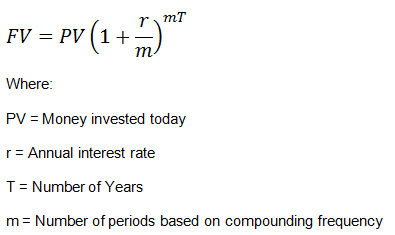
FV = PV × (1+r)^n

Example:

Suppose ₹10,000 is invested for 3 years at 10% annual interest.

Year Calculation Future Value ()

3

₹10,000 × (1 + 0.10)^3

₹13,310

Skewness

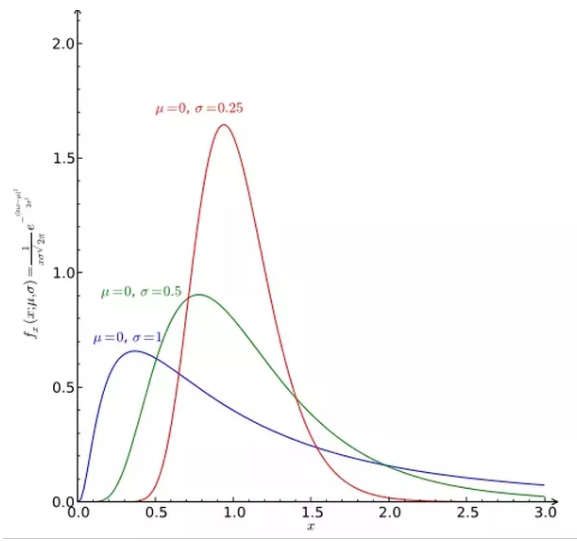
Skewness, in statistics, is the degree of distortion from the symmetrical bell curve, or normal distribution, in a set of data. Skewness can be negative, positive, zero or undefined. A normal distribution has a skew of zero, while a lognormal distribution, for example, would exhibit some degree of right-skew.

The three probability distributions depicted below depict increasing levels of right (or positive) skewness. Distributions can also be left (negative) skewed. Skewness is used along with kurtosis to better judge the likelihood of events falling in the tails of a probability distribution.

Right skewness

  • Skewness, in statistics, is the degree of distortion from the symmetrical bell curve in a probability distribution.
  • Distributions can exhibit right (positive) skewness or left (negative) skewness to varying degree.
  • Investors note skewness when judging a return distribution because it, like kurtosis, considers the extremes of the data set rather than focusing solely on the average.

Broadly speaking, there are two types of skewness: They are

(1) Positive skewness

(2) Negative skewnes.

Positive skewness

A series is said to have positive skewness when the following characteristics are noticed:

  • Mean > Median > Mode.
  • The right tail of the curve is longer than its left tail, when the data are plotted through a histogram, or a frequency polygon.
  • The formula of Skewness and its coefficient give positive figures.

Negative Skewness

A series is said to have negative skewness when the following characteristics are noticed:

  • Mode> Median > Mode.
  • The left tail of the curve is longer than the right tail, when the data are plotted through a histogram, or a frequency polygon.
  • The formula of skewness and its coefficient give negative figures.

Thus, a statistical distribution may be three types viz.

  • Symmetric
  • Positively skewed
  • Negatively skewed

Skewness Co-efficient

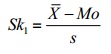
  1. Pearson’s Coefficient of Skewness #1 uses the mode. The formula is:

    pearson skewness

    Where xbar = the mean, Mo = the mode and s = the standard deviation for the sample.
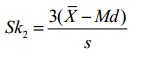
  2. Pearson’s Coefficient of Skewness #2 uses the median. The formula is:

    Pearson's Coefficient of Skewness

    Where xbar = the mean, Mo = the mode and s = the standard deviation for the sample.

    It is generally used when you don’t know the mode.

Overheads, Introduction, Meaning and Classification

Overheads refer to the indirect costs incurred in running a business that cannot be directly attributed to a specific product, service, or job. These costs are essential for operations but do not directly contribute to production. Overheads are classified into fixed (rent, salaries), variable (utilities, maintenance), and semi-variable (telephone, fuel costs). Effective overhead management helps in cost control, pricing decisions, and profitability analysis. By allocating overheads appropriately, businesses can ensure accurate cost determination and financial efficiency, making them a crucial element in cost accounting and financial planning.

Functions of Overheads

  • Supporting Core Business Operations

Overheads play a crucial role in ensuring the smooth functioning of a business by covering essential costs such as rent, utilities, and administrative salaries. These expenses help maintain an environment where core production and service delivery can take place efficiently. Without overhead costs, a business would struggle to provide the necessary infrastructure and resources for daily operations. Proper management of overheads ensures stability, efficiency, and productivity, allowing employees to focus on their primary tasks without disruptions caused by insufficient facilities or resources.

  • Cost Allocation and Budgeting

Overheads help in the accurate allocation of costs across different departments, projects, or production units. By identifying and distributing these indirect costs appropriately, businesses can prepare realistic budgets and financial plans. Proper cost allocation ensures fair pricing of goods and services, preventing overpricing or underpricing. It also helps organizations track and control expenses, ensuring that each department operates within the allocated budget while maintaining efficiency. A well-structured overhead management system contributes to long-term financial sustainability and profitability.

  • Enhancing Decision-Making

Effective overhead management aids in strategic decision-making by providing detailed insights into business expenses. By analyzing overhead costs, management can decide where to cut expenses, invest resources, or improve efficiency. For example, if administrative costs are too high, companies can implement automation or outsourcing solutions. Understanding overheads also helps businesses in pricing decisions, ensuring that indirect costs are factored into product or service pricing to maintain profitability and competitiveness in the market.

  • Ensuring Compliance with Regulations

Businesses must comply with various legal and regulatory requirements, such as tax laws, labor laws, and environmental standards. Overhead expenses include costs related to accounting, audits, legal services, and compliance measures, ensuring that the company adheres to industry and governmental regulations. Proper overhead management prevents legal penalties, fines, and reputational damage. Additionally, businesses that maintain compliance reduce the risk of operational disruptions, making them more reliable and sustainable in the long run.

  • Improving Employee Productivity and Satisfaction

Employee satisfaction and productivity are directly influenced by overhead expenses such as office facilities, training programs, and employee welfare initiatives. Providing a comfortable workspace, modern equipment, and skill development opportunities boosts morale and efficiency. Indirect costs such as human resource management, safety measures, and work-life balance programs contribute to higher job satisfaction, lower turnover rates, and better employee retention. By investing in necessary overheads, businesses create a work environment that fosters growth, motivation, and overall well-being.

  • Maintaining Business Infrastructure and Assets

Overheads include maintenance, depreciation, and repairs for physical assets such as buildings, machinery, and office equipment. Regular maintenance and upgrades ensure that business infrastructure remains operational and efficient. Neglecting these costs can lead to unexpected breakdowns, reduced productivity, and higher long-term expenses. Allocating overhead funds for infrastructure maintenance helps businesses avoid costly repairs and ensures the longevity and reliability of assets. A well-maintained business environment also enhances brand reputation and customer trust.

  • Supporting Marketing and Sales Efforts

Marketing, advertising, and sales promotion expenses fall under overhead costs but are essential for business growth and brand recognition. These expenses help attract new customers, retain existing clients, and improve market reach. Overhead costs related to sales teams, promotional activities, and digital marketing strategies contribute to revenue generation by increasing product visibility and customer engagement. Without investing in marketing overheads, businesses may struggle to compete and expand in their respective industries.

Classification of Overheads

  • Fixed Overheads

Fixed overheads are costs that remain constant regardless of production levels or business activities. These expenses include rent, depreciation, insurance, and managerial salaries. Fixed overheads do not fluctuate with production volume and must be paid even if the company produces zero units. Since these costs remain unchanged over time, businesses must carefully plan and allocate budgets to ensure that fixed overheads are covered without affecting profitability or financial stability.

  • Variable Overheads

Variable overheads change in direct proportion to the level of production or business activity. Examples include indirect materials, utilities, factory supplies, and sales commissions. As production increases, variable overheads also rise, while a decrease in output leads to lower variable costs. Proper management of variable overheads helps businesses control expenses and maintain cost efficiency. Companies must regularly analyze these costs to ensure optimal resource utilization and profitability in changing market conditions.

  • Semi-Variable Overheads

Semi-variable overheads contain both fixed and variable cost components. These costs remain fixed up to a certain level of activity but increase when production surpasses a threshold. Examples include electricity bills, telephone expenses, and vehicle maintenance costs. Businesses must monitor semi-variable overheads to determine cost behavior patterns and make informed budgeting decisions. Proper control of these costs ensures that they do not become excessive and impact overall financial performance.

  • Production Overheads

Production overheads, also known as manufacturing overheads, include indirect costs related to the manufacturing process. These expenses include indirect labor, factory rent, depreciation of machinery, and maintenance costs. Production overheads are necessary for smooth factory operations and must be allocated properly to ensure accurate cost determination. Efficient control of these expenses helps businesses maintain competitive pricing and profitability while ensuring uninterrupted production processes.

  • Administrative Overheads

Administrative overheads refer to the indirect costs incurred in managing and operating a business. These expenses include office rent, administrative salaries, stationery, legal fees, and audit charges. Although these costs do not directly contribute to production, they are essential for business operations. Effective management of administrative overheads helps maintain operational efficiency and reduces unnecessary expenses, ensuring that financial resources are allocated efficiently across all departments.

  • Selling Overheads

Selling overheads include expenses related to marketing, sales promotion, and distribution. Examples include advertising costs, sales commissions, promotional materials, and public relations expenses. These overheads help businesses attract customers, increase sales, and expand market reach. Proper allocation of selling overheads ensures that companies achieve higher revenues and maintain a competitive edge. Businesses should analyze these costs regularly to optimize marketing strategies and enhance brand visibility effectively.

  • Distribution Overheads

Distribution overheads involve expenses related to the transportation and delivery of finished goods to customers or retailers. These include warehousing costs, freight charges, packing materials, and vehicle expenses. Managing distribution overheads effectively ensures that products reach customers in a cost-efficient manner. Proper planning and optimization of logistics help reduce transportation costs, improve supply chain efficiency, and enhance customer satisfaction. Businesses must monitor these costs to avoid unnecessary expenses and delays.

  • Research and Development Overheads

Research and development (R&D) overheads include expenses incurred in product innovation, testing, and improvement. These costs cover research personnel salaries, laboratory expenses, prototype development, and technical studies. Investing in R&D overheads helps businesses create innovative products, stay competitive, and meet evolving customer needs. Proper management of R&D expenses ensures that businesses allocate resources effectively and achieve long-term growth through continuous innovation and technological advancements.

  • Maintenance Overheads

Maintenance overheads involve expenses related to the upkeep and repair of equipment, machinery, and infrastructure. These costs include routine servicing, spare parts, and periodic inspections. Proper maintenance overhead management prevents unexpected breakdowns, reduces downtime, and extends the lifespan of business assets. Companies that invest in preventive maintenance can lower long-term repair costs and ensure smooth operations. Effective planning and tracking of maintenance costs help maintain business efficiency and productivity.

  • Depreciation Overheads

Depreciation overheads represent the gradual reduction in the value of fixed assets over time due to wear and tear. These costs include depreciation on machinery, buildings, office equipment, and vehicles. Depreciation is an essential accounting expense that helps businesses allocate the cost of assets over their useful life. Managing depreciation expenses ensures accurate financial reporting and tax compliance. Companies should consider depreciation while making investment decisions to maintain asset value and operational efficiency.

  • Financial Overheads

Financial overheads include costs related to financing and capital management. These expenses cover bank charges, loan interest, credit facility fees, and investment management costs. Financial overheads impact a company’s profitability and liquidity. Effective financial overhead management helps businesses maintain optimal cash flow, reduce borrowing costs, and ensure smooth financial operations. Companies must regularly review their financial expenses to minimize risks and improve overall financial stability.

  • Utility Overheads

Utility overheads include expenses related to electricity, water, gas, and telecommunications. These costs vary depending on business operations and facility usage. Utility overheads are necessary for running office spaces, factories, and warehouses. Proper monitoring and control of these expenses help businesses improve energy efficiency, reduce wastage, and optimize utility consumption. Companies can implement energy-saving initiatives to lower utility costs and contribute to environmental sustainability while maintaining cost-effectiveness.

Key differences between Cost Accounting and Financial Accounting

Cost Accounting is a branch of accounting that focuses on recording, analyzing, and controlling costs incurred in business operations. It involves the classification, allocation, and reporting of costs related to materials, labor, and overheads to determine the total production cost. The primary objective is to help management in cost control, cost reduction, budgeting, and decision-making. Cost Accounting provides insights into profitability, pricing strategies, and efficiency improvements. Unlike financial accounting, which focuses on external reporting, cost accounting is primarily used for internal management to enhance operational efficiency and ensure better resource utilization for maximizing profits.

Characteristics of Cost Accounting:

  • Classification and Analysis of Costs

Cost accounting systematically classifies and analyzes costs into direct and indirect costs, fixed and variable costs, and controllable and uncontrollable costs. This classification helps businesses in understanding cost structures, optimizing resource allocation, and ensuring accurate cost control. By identifying the nature of costs, management can make informed decisions regarding pricing, budgeting, and production planning. Proper cost classification also helps in variance analysis, which enables companies to compare actual costs with standard costs and take corrective actions when necessary.

  • Cost Control and Cost Reduction

One of the primary objectives of cost accounting is to monitor, control, and reduce costs. It helps in identifying wastage, inefficiencies, and cost overruns in business operations. Techniques such as budgetary control, standard costing, and variance analysis are used to compare actual expenses with planned costs. Through continuous monitoring and cost analysis, businesses can implement strategies to minimize production costs, improve efficiency, and maximize profitability. Effective cost control ensures that resources are utilized optimally without unnecessary expenditures.

  • Helps in Decision-Making

Cost accounting provides crucial data that assists management in making pricing, production, investment, and budgeting decisions. By analyzing cost behavior, businesses can determine the most profitable product lines, evaluate the impact of cost changes, and decide whether to manufacture or outsource. It also helps in forecasting future expenses and formulating strategies to maintain cost efficiency. Since accurate cost data is essential for decision-making, cost accounting plays a vital role in financial planning and long-term sustainability.

  • Assists in Inventory Valuation

Cost accounting plays a critical role in determining the value of inventory, which includes raw materials, work-in-progress, and finished goods. Different inventory valuation methods such as FIFO (First-In-First-Out), LIFO (Last-In-First-Out), and Weighted Average Method are used to assess inventory costs accurately. Proper valuation ensures that financial statements reflect the correct value of stock, preventing overstatement or understatement of profits. Accurate inventory valuation is essential for determining cost of goods sold (COGS) and assessing business profitability.

  • Use of Standard Costing and Variance Analysis

Cost accounting applies standard costing techniques, where expected costs are pre-determined for materials, labor, and overheads. Actual costs are then compared with these standards, and any deviations (variances) are analyzed. Variance analysis helps in identifying inefficiencies and taking corrective measures. It ensures that managers remain proactive in cost management, improving overall operational efficiency. By regularly monitoring variances, businesses can minimize production costs and achieve financial stability through better cost control and process optimization.

  • Facilitates Cost Allocation and Apportionment

Cost accounting ensures the proper allocation and apportionment of costs across different departments, products, and services. It divides costs into direct costs (traceable to specific products) and indirect costs (shared expenses like rent and utilities). Techniques like activity-based costing (ABC) help in assigning costs based on actual resource usage. Accurate cost allocation enhances pricing decisions, profitability analysis, and budget planning. Without proper cost allocation, businesses may experience inaccurate profit margins and mismanagement of financial resources.

  • Internal Focus for Managerial Use

Unlike financial accounting, which serves external stakeholders, cost accounting is primarily used for internal decision-making. It helps management analyze operational efficiency, reduce wastage, and improve profitability. The reports generated by cost accounting are not governed by legal requirements but are customized to meet business needs. By providing detailed cost insights, it supports managers in setting financial goals and optimizing production strategies. Since it is not bound by regulatory frameworks, cost accounting offers flexibility in data presentation and usage.

  • Helps in Pricing Decisions

Cost accounting plays a significant role in determining selling prices by analyzing production and operational costs. Pricing decisions depend on factors such as cost-plus pricing, target costing, and competitive pricing strategies. Businesses can use cost data to set profitable price levels while remaining competitive in the market. Proper cost analysis ensures that products are neither underpriced (leading to losses) nor overpriced (leading to reduced demand). By understanding cost structures, businesses can maintain healthy profit margins and achieve financial growth.

Financial Accounting

Financial Accounting is a branch of accounting that focuses on recording, summarizing, and reporting a company’s financial transactions. It follows standardized principles such as Generally Accepted Accounting Principles (GAAP) or International Financial Reporting Standards (IFRS) to ensure accuracy and transparency. The primary objective is to prepare financial statements like the Balance Sheet, Income Statement, and Cash Flow Statement for external stakeholders, including investors, creditors, and regulatory authorities. Unlike cost accounting, which is used for internal decision-making, financial accounting provides a clear picture of a company’s financial health, profitability, and liquidity for external reporting and compliance purposes.

Characteristics of Financial Accounting:

  • Systematic Recording of Transactions

Financial accounting follows a structured approach to recording business transactions. It ensures that all financial activities are documented accurately and systematically using the double-entry accounting system. This method records each transaction in two accounts—debit and credit—to maintain a balanced ledger. Proper recording of transactions helps businesses track income, expenses, assets, and liabilities efficiently. A systematic approach ensures that financial statements provide an accurate reflection of the company’s financial position, facilitating decision-making and compliance with accounting standards.

  • Preparation of Financial Statements

One of the primary objectives of financial accounting is to prepare financial statements, including the Balance Sheet, Income Statement, and Cash Flow Statement. These statements provide a summary of the company’s financial performance over a specific period. The Balance Sheet shows assets and liabilities, the Income Statement reflects revenue and expenses, and the Cash Flow Statement tracks cash inflows and outflows. These financial reports are essential for investors, creditors, and regulatory authorities in assessing the company’s financial health.

  • Follows Accounting Principles and Standards

Financial accounting adheres to established accounting principles and standards, such as Generally Accepted Accounting Principles (GAAP) or International Financial Reporting Standards (IFRS). These standards ensure consistency, reliability, and transparency in financial reporting. By following standardized guidelines, businesses can maintain uniformity in financial statements, making it easier for stakeholders to compare financial performance across industries and time periods. Compliance with accounting principles also enhances credibility and reduces the risk of financial misrepresentation or fraud.

  • Historical in Nature

Financial accounting primarily deals with recording past financial transactions. It provides historical financial data that helps businesses assess their financial performance over time. While this information is useful for financial analysis and decision-making, it does not focus on future projections or budgeting. Since financial accounting records only completed transactions, it may not always reflect real-time business dynamics. However, historical data plays a crucial role in evaluating trends, preparing budgets, and making informed business decisions.

  • External Reporting for Stakeholders

Financial accounting is designed to serve external stakeholders such as investors, creditors, government authorities, and regulatory bodies. These stakeholders use financial reports to evaluate a company’s profitability, creditworthiness, and overall financial stability. Unlike cost accounting, which focuses on internal decision-making, financial accounting provides transparency in business operations to external parties. Accurate financial reporting builds trust among stakeholders and ensures compliance with legal and regulatory requirements.

  • Monetary Measurement Concept

Financial accounting records only transactions that can be expressed in monetary terms. Non-financial aspects, such as employee efficiency, customer satisfaction, or brand value, are not reflected in financial statements. This monetary measurement principle ensures uniformity in financial reporting but may sometimes limit the complete representation of a business’s overall performance. Despite this limitation, financial accounting provides quantifiable financial data that helps businesses track growth, profitability, and financial stability over time.

  • Legal and Regulatory Compliance

Financial accounting ensures compliance with legal and regulatory requirements set by governments, tax authorities, and financial institutions. Businesses must follow statutory obligations such as tax filing, financial disclosures, and corporate governance regulations. Failure to comply with these regulations can lead to penalties or legal consequences. Regulatory compliance enhances transparency and prevents financial fraud or misrepresentation. By adhering to legal standards, businesses gain credibility and maintain their reputation in the financial market.

  • Provides Basis for Taxation

Financial accounting plays a crucial role in tax calculation and reporting. Governments use financial statements to assess a company’s tax liability based on income, expenses, and profits. Proper financial accounting ensures that tax filings are accurate, preventing legal issues related to underpayment or overpayment of taxes. Businesses must maintain detailed financial records to comply with tax laws and claim deductions where applicable. Accurate financial reporting simplifies tax audits and ensures smooth business operations.

Key differences between Cost Accounting and Financial Accounting

Aspect

Cost Accounting Financial Accounting
Objective Cost Control & Reduction Financial Reporting
Users Internal Management External Stakeholders
Focus Cost Analysis Financial Position
Time Period Future & Present Past Transactions
Regulations No Legal Requirement GAAP/IFRS Compliance
Nature Detailed & Specific Summary-Oriented
Monetary/Non-Monetary Both Considered Only Monetary Values
Type of Data Estimates & Actuals Historical Data
Statements Prepared Cost Reports Financial Statements
Purpose Internal Decision-Making External Reporting
Scope Department/Product-Wise Entire Organization
Format Flexible

Standardized

Cost Centre, Working, Types, Benefits

A Cost centre is a location, department, or function within an organization where costs are collected and controlled. It represents the smallest segment of responsibility where a manager is accountable for costs incurred. Examples include the production department, maintenance section, or sales office. Cost centres may be classified as personal (related to persons), impersonal (related to places or equipment), production centres, or service centres. By maintaining cost centres, organizations can analyze efficiency, assign accountability, and exercise control over expenses. Thus, a cost centre is a vital tool for monitoring performance and ensuring effective cost management.

How a Cost Center Works?

  • Collection of Costs

A cost centre works by systematically collecting all costs incurred within a specific department, location, or function. Direct costs such as wages, raw materials, and machine expenses are directly assigned to the cost centre. Indirect costs like electricity, rent, and administrative expenses are allocated based on suitable bases such as floor area, machine hours, or labor hours. This method ensures that every expense is traced to the appropriate segment of the business. By consolidating costs at the cost centre level, management gains visibility into how resources are consumed and where financial control is required.

  • Control and Accountability

The functioning of a cost centre also involves exercising control and assigning accountability. Each cost centre is usually headed by a manager or supervisor responsible for monitoring expenses and ensuring efficiency. Reports are generated to compare actual costs against standards or budgets, highlighting variances. This allows corrective actions to be taken when costs exceed limits. By assigning responsibility, cost centres promote discipline and accountability in resource usage. Hence, cost centres not only record costs but also create a framework where managers are answerable, encouraging efficient practices and reducing wastage within the organization.

  • Production Cost Centre

A production cost centre is directly engaged in manufacturing or producing goods and services. It includes departments or sections where the actual conversion of raw materials into finished products takes place. Examples include the machining department, assembly line, and welding shop. Costs like direct materials, direct labor, and production overheads are collected here. Since production cost centres contribute directly to output, efficiency in these centres significantly affects product cost and profitability. Managers are responsible for controlling resources, minimizing wastage, and ensuring maximum productivity. Thus, production cost centres are the backbone of the manufacturing process.

  • Service Cost Centre

A service cost centre is one that provides support services to production cost centres or other departments, rather than directly producing goods. Examples include the maintenance department, power house, stores, and personnel or HR departments. Costs incurred in these centres, such as electricity, repairs, or staff welfare, are eventually apportioned or allocated to production cost centres. Their role is essential in ensuring smooth production operations by supplying necessary utilities and services. Though they do not add direct value to the product, service cost centres indirectly enhance efficiency, reduce downtime, and maintain the overall effectiveness of the production system.

Types of Cost Centers:

  • Personal Cost Centre

A personal cost centre is one where costs are collected and controlled in relation to a person or group of persons. For example, a sales manager’s office, a works manager’s department, or an administrative head’s office can be treated as personal cost centres. The responsibility for cost control is assigned to these individuals. This helps in evaluating the accountability of managers and supervisors in managing expenses. By linking costs to persons, businesses can monitor how effectively individuals utilize resources, identify inefficiencies, and promote accountability. Thus, personal cost centres ensure responsibility-based control within an organization.

  • Impersonal Cost Centre

An impersonal cost centre is one where costs are accumulated in relation to a location, equipment, or item of plant rather than a person. Examples include machine shops, power houses, maintenance workshops, or stores. Here, costs are assigned to machines or processes, and managers responsible for these centres monitor the efficiency of resource usage. This type of cost centre is particularly important in manufacturing industries where costs can be tracked to specific machines or operations. Impersonal cost centres help in understanding machine performance, allocating overheads, and ensuring that physical resources are utilized in the most cost-effective manner.

  • Production Cost Centre

A production cost centre is directly involved in manufacturing or producing goods and services. It includes departments where raw materials are processed into finished products, such as machining, assembling, or welding departments. All direct costs and related overheads are accumulated here to calculate the cost of production. These centres are responsible for converting resources into outputs efficiently. Since they directly affect production volume, quality, and profitability, control over production cost centres is vital. Managers in these centres aim to minimize waste, reduce downtime, and improve operational efficiency, thereby ensuring lower costs and higher productivity for the organization.

  • Service Cost Centre

A service cost centre supports production cost centres or other departments without being directly involved in manufacturing. Examples include the maintenance section, personnel department, power supply unit, and canteen. Costs incurred in these centres are first collected and then apportioned or allocated to production cost centres. While service centres do not directly add value to the product, they ensure smooth production operations and efficiency. For example, the maintenance centre reduces machine downtime, while the HR department manages employee welfare. Hence, service cost centres play an indirect yet crucial role in reducing costs and maintaining organizational effectiveness.

Benefits of Cost Centers:

  • Better Cost Control

Cost centres help organizations exercise better control over expenses by dividing the business into smaller responsibility areas. Each cost centre collects costs for specific activities, departments, or equipment, enabling managers to track where money is being spent. By comparing actual costs with standard or budgeted figures, variances can be identified and corrected. This process ensures resources are used efficiently, and unnecessary expenses are reduced. Cost centres also promote accountability since managers are directly responsible for controlling costs in their areas. Ultimately, this structured approach improves financial discipline and ensures operations are managed more effectively.

  • Performance Measurement

Cost centres provide a clear framework for evaluating the performance of departments, processes, and managers. By linking costs to specific centres, it becomes easier to measure efficiency and identify areas of improvement. Managers can assess whether resources are being used productively and whether operations align with organizational goals. This system promotes accountability, as individuals responsible for cost centres are directly answerable for cost control. Additionally, performance reports generated from cost centres encourage healthy competition among departments. Thus, cost centres not only measure productivity but also motivate employees and managers to achieve higher standards of efficiency and output.

  • Accurate Cost Allocation

One of the key benefits of cost centres is accurate allocation of costs to different products, services, or activities. Instead of lumping all expenses together, cost centres divide costs according to functions such as production, maintenance, or sales. This ensures that overheads are fairly distributed and the true cost of production is known. With accurate allocation, management can determine correct product pricing, assess profitability, and avoid misleading cost data. This precision also helps in decision-making, such as choosing between products or improving efficiency in costly areas. Hence, cost centres bring accuracy and fairness in cost distribution.

  • Aid in DecisionMaking

Cost centres provide detailed cost information that helps management in making rational and informed decisions. Decisions such as expanding a department, discontinuing a product line, or investing in new machinery require precise cost data. By isolating costs within specific centres, managers can evaluate the financial impact of alternatives more effectively. For instance, knowing the exact maintenance costs of a department helps decide whether outsourcing would be cheaper. This reduces guesswork and ensures choices are based on reliable figures. Hence, cost centres are an essential tool for both short-term operational and long-term strategic decision-making.

  • Facilitates Budgeting and Planning

Cost centres make budgeting more effective by providing detailed historical cost data. Budgets can be prepared for each cost centre, setting clear financial targets for departments or activities. During operations, actual expenses are compared with these budgets, and deviations are analyzed. This helps management identify cost overruns and take corrective actions. Cost centres also help forecast future costs, making planning more realistic and achievable. By breaking down budgets at a departmental level, organizations can ensure better resource allocation and avoid overspending. Thus, cost centres play a vital role in structured financial planning and control.

  • Enhances Efficiency and Accountability

By creating cost centres, organizations can assign responsibility for costs to specific managers or supervisors, enhancing accountability. Each individual knows the limits within which they must operate, encouraging careful use of resources. Regular performance reviews motivate employees to improve efficiency and reduce waste. Cost centres also highlight areas of inefficiency, allowing corrective measures such as process improvements or better training. This not only lowers costs but also boosts overall productivity. Hence, cost centres ensure both efficiency in operations and accountability at all levels of management, ultimately contributing to higher profitability and organizational success.

Cost Object vs Cost Unit vs Cost Centre

Basis of Comparison Cost Object Cost Unit Cost Centre
Meaning Anything for which cost is measured A unit of product or service for cost measurement A location, department, or person where cost is incurred
Nature Broad and flexible concept Specific and quantitative Organizational and functional
Scope Very wide Limited and definite Medium
Purpose To identify and assign costs To express cost per unit To control and accumulate costs
Focus What cost is calculated for How cost is measured Where cost is incurred
Measurement May or may not be measurable in units Always measurable in units Not measured in units
Example Type Product, service, job, activity Per unit, per kg, per km Production department, machine
Basis of Identification Managerial requirement Nature of output Organizational structure
Use in Costing Used for cost assignment Used for cost expression Used for cost collection
Role in Cost Control Indirect role No direct role Direct role
Flexibility Highly flexible Rigid Moderately flexible
Relationship with Costs Costs are traced to it Cost is divided by units Costs originate here
Time Orientation Can be short or long term Usually short term Continuous
Relevance in ABC Central concept Secondary Supporting
Practical Example Cost of a hospital patient Cost per patient per day ICU ward, OPD department
error: Content is protected !!