Strategies for Consumer Promotion and Trade Promotion

Consumer and trade promotions help drive short-term consumer demand for products by giving customers an incentive to “buy now!” At the same time that promotions tap into consumers’ desire to get a great deal and not miss out on something special they offer trade partners (i.e., store owners) additional incentives to get their help in driving consumer demand. Consumer and trade promotions generally work best to accomplish your short-term marketing objectives when they are aligned and integrated with other marketing activities.

Push Trade Sales Promotion Goals

Different push strategies address different trade promotion objectives, though most push strategies are price-related. Push money, also referred to as a trade allowance, essentially pays trade partners to promote certain products. This money might include such incentives as bonuses for writing more retail orders, extra payments for building in-store displays or additional money for advertising. Ultimately, trade allowances are used to obtain retail distribution for new products, expand distribution, build retail inventories, reduce retail inventories, preserve or expand retail shelf space, secure in-store displays and get additional space in retailer advertising circulars.

Pull Marketing Goals

Pull strategies are designed to drive consumer demand. For example, advertising, a long-term pull strategy, gives consumers an emotional “reason to buy.” Consumer promotions give consumers short-term “incentives to buy,” such as “Buy One, Get One,” or BOGO, offers. Coupons, feature prices and rebate offers communicate significant value to shoppers for a short time period, while free samples encourage consumer trial of new products and brand switching for established brands.

Essentially, all consumer promotions use short-term, incentive-based invitations for consumers to try, buy now, stock up, switch brands or engage with the brand in some way, with the ultimate goal of converting them into loyal customers.

Align Objectives with Strategies

The key to success with consumer and trade promotions is aligning them with brand objectives. Promotional strategies for established categories and brands are different from strategies for new products or when entering new markets. Price-elastic products those have many alternatives and see increases in demand when prices change respond better to price promotions than inelastic products, or those products that don’t have a lot of alternatives, such as table salt.

Moreover, consumers tend to shop products differently based on retail outlets. Price promotions are more effective in food outlets, where shoppers often buy on impulse. They are less effective in mass merchandisers, where shoppers expect everyday low prices, and drug outlets, where purchases are often planned.

Sales Promotion Planning:

A full plan is needed to ensure that each stage of a promotion is reached:

  1. Analyse the problem task.
  2. Define objectives.
  3. Consider and/ or set the budget.
  4. Examine the types of promotion likely to be of use.
  5. Define the support activities (e.g. advertising, incentives, auxiliaries)
  6. Testing (e.g. a limited store or panel test).
  7. Decide measurements required.
  8. Plan timetable.
  9. Present details to sales force, retailers, etc.
  10. Implement the promotion.
  11. Evaluate the result.

Typically a sales promotion can be run in several ways:

  1. Through point-of-sale display materials
  2. Through innovative packaging
  3. By obtaining prime positions in retail outlets
  4. Through in-house merchandising activities, such as free samples
  5. Special offers and other incentives
  6. By use of sponsorships
  7. Through exhibitions
  8. By use of sales literature and other selling aids

Sales promotion is distinct from advertising or personal selling, but these three forms of promotion are often used together in a coordinated fashion. There are two categories of sales promotion:

  1. Trade promotion is directed to the members of the distribution channel
  2. Consumer promotion is aimed towards the consumer.

The factors that contribute to the popularity of sales promotion are:

  • Short-term results:

Sales promotion such as couponing and trade allowances produces quicker, more measurable sales results. However, critics of this strategy argue that these immediate benefits come at the expense of building brand equity.

  • Competitive pressure:

If competitors are offering the buyers price reductions, contests, or other incentives, a firm may feel forced to retaliate with its own sales promotions.

  • Buyers’ expectations:

Once they are offered purchase incentives, consumers and channel members get used to them and soon begin expecting them.

  1. Low quality of retail selling:

Many retailers use inadequately trained sales clerks or have switched to self-service. For these outlets, sales promotion devices (such as product displays and samples) often are the only effective promotional tools available at the point of purchase.

Sales promotion is aimed for 3 types of consumers. To understand this, suppose one Airlines Company is organising sales promotions for Kolkata-New Delhi air route. Let us find out who could be the target customers.

  • Users of another brand in the same category:

These include the passengers who normally travel in other company like Indian Airlines or Jet Airways

  • Users in other categories:

These include the passengers who use other transportation medium like railways to travel in the same route.

  • Frequent brand switchers:

These are the people who are least loyal to the brands they use and always look out for experimenting with new brands.

Consumer-oriented Promotion Tools:

The consumer-oriented promotion tools are aimed at increasing the sales to existing consumers, and to attract new customers to the firms. It is also called pull strategy. The consumer can take the benefit of promotion tools either from the manufactures or from the dealer, or from both.

In general, some of the commonly used consumer-oriented promotion tools are as follows:

  1. Free samples:

In this case, small units of free samples are delivered door to door, sent through direct mail, attached to another product, or given along with the purchase of some other product (e.g., soaps, soft drinks, detergents or other items). Free samples are normally provided during the introductory stage of the product.

  1. Coupons:

This involves offering price reduction or saving to customers on the purchase of a spe­cific product. The coupons may be mailed or enclosed along with other products, or inserted in a magazine or newspaper advertisement.

  1. Exchange scheme:

In this case, the customer exchanges the old product for a new one. The old product’s exchange value is deducted from the price of the new product. This sales promotion tool is used by several companies for consumer durables. For instance. Philips came up with five-in-one offer. The offer consisted of Philips TV, two-in-one, iron, mixer-grinder, and rice cooker at an attractive price.

  1. Discounts:

It refers to reduction in price on a particular item during a particular period. It is common during festival season or during off-season period. It is very stimulating short-term sales, especially when the discount provided is genuine one. For instance, the Hawkins pressure cooker manufacturer announced an attractive price reduction, up to Rs.150 off, on a new Hawkins in exchange for any old pressure cooker. The advertisement specified that the offer was open only up to a particular date.

  1. Premium offers:

These can be extra quantities of the same product at the regular price. Premium offers are used by several firms selling FMCG goods such as detergents, soaps and food items. For instance, Colgate offered 125 g in a tube for the price of 100 g.

  1. Personality promotions:

This type of promotion is used to attract the greater number of customers in a store and to promote sale of a particular item. For instance, a famous sports personality may be hired to provide autographs to customers visiting a sports shop.

  1. Installment sales:

In this case, consumers initially pay smaller amount of the price and the bal­ance amount in monthly installments over a period of time. Many consumer durables such as refrigerators and cars are sold on installment basis. For example, Washotex came up with a scheme to pay 20 per cent now and take home Washotex washing machine. The consumers were offered the facility of paying the balance in 24 equal monthly installments.

Trade-oriented Sales Promotion:

Trade-oriented sales promotion programmes are directed at the dealer network of the company to motivate them to the sell more of the company’s brand than other brands. It is also known as push strategy, which is directed at the dealer network so that they push the brand to the consumers by giving priority over other competitor brands.

Some of the important trade-oriented promotion tools are as follows:

  1. Cash bonuses:

It can be in the form of one extra case for every five cases ordered, cash discounts or straight cash payments to encourage volume sales, product display, or in support of a price reduction to customers.

  1. Stock return:

Some firms take back partly or wholly the unsold stocks lying with the retailers, and distribute it to other dealers, where there is a demand for such stocks.

  1. Credit terms:

Special credit terms may provide to encourage bulk orders from retailers or dealers.

  1. Dealer conferences:

A firm may organize dealer conferences. The dealers may be given information of the company’s performance, future plans, and so on. The dealers can also provide valuable suggestions to the company at such conferences.

  1. Dealer trophies:

Some firms may institute a special trophy to the highest-performing dealer in a particular period of time. Along with the trophy, the dealer may get a special gift such as a sponsored tour within or outside the country.

  1. Push incentives:

It is a special incentive given to the dealer in the form of cash or in kind to push and promote the sale of a product, especially a newly launched product.
Concept of DAGMAR in Setting objectives, Benefits, Challenges

DAGMAR stands for “Defining Advertising Goals for Measured Advertising Results.” It is a marketing model proposed by Russell H. Colley in 1961, designed to guide businesses in planning and measuring the success of their advertising campaigns. The DAGMAR approach emphasizes setting specific, measurable objectives for advertising efforts, including raising awareness, imparting knowledge, creating favorable attitudes, and ultimately driving consumer actions. It advocates for clear, concise communication goals, identifying the target audience precisely, and establishing benchmarks to measure the campaign’s effectiveness against the predefined objectives. This framework helps ensure that advertising efforts are strategically aligned with the company’s broader marketing goals, facilitating more efficient and effective use of advertising resources.

The concept of DAGMAR is integral to setting objectives in advertising and marketing campaigns. It revolves around the principle that all advertising objectives should be precise, measurable, and based on clear definitions of success.

  1. Concrete Benchmarks:

DAGMAR approach insists on specific and quantifiable benchmarks to assess the effectiveness of an advertising campaign. This specificity includes what percentage increase in awareness is expected, how much improvement in knowledge about the product is aimed for, or what degree of change in consumer attitude is desired.

  1. Communication Tasks:

Unlike traditional models that might focus solely on sales or broad outcomes, DAGMAR breaks down objectives into communication tasks. These tasks are designed to move a consumer through four stages: Awareness, Comprehension, Conviction, and Action (AIDA model). By specifying objectives at each of these stages, advertisers can design more focused and relevant messages.

  1. Target Audience:

DAGMAR model necessitates a clear definition of the target audience for each objective. By understanding who the message is intended for, advertisers can tailor their strategies to be more effective, ensuring that the messaging resonates with the intended demographic.

  1. Time Frame:

Objectives under DAGMAR are set with a specific time frame in mind. This allows for a clear assessment of the campaign’s effectiveness within a predetermined period, facilitating adjustments if the objectives are not being met as expected.

  1. Functionality in Various Media:

Setting objectives with DAGMAR can be applied across different media platforms, making it a versatile tool in integrated marketing campaigns. Whether for traditional media like TV and print or digital platforms, objectives can be tailored to exploit the strengths of each medium.

DAGMAR Benefits:

  1. Clarity in Objectives:

DAGMAR demands specific, quantifiable goals, providing clarity to the advertising team. Clear objectives ensure that everyone involved understands what the campaign aims to achieve, leading to more focused and cohesive efforts.

  1. Improved Planning:

With well-defined objectives, planning becomes more strategic. Marketers can choose the most appropriate media channels, creative approaches, and messaging strategies that are likely to resonate with the target audience and meet the campaign goals.

  1. Enhanced Communication Efficiency:

By breaking down the advertising process into specific communication tasks (awareness, comprehension, conviction, and action), DAGMAR facilitates the creation of more targeted and effective messages that speak directly to where the consumer is in the decision-making process.

  1. Better Budget Allocation:

Clear objectives allow for smarter allocation of budgets. Resources can be directed towards strategies and media channels that are most likely to achieve the defined goals, optimizing the return on investment (ROI).

  1. Facilitates Measurement and Evaluation:

The emphasis on measurable objectives makes it easier to evaluate the success of a campaign. By comparing pre-defined benchmarks with actual results, marketers can assess the effectiveness of their efforts and identify areas for improvement.

  1. Accountability:

DAGMAR’s focus on measurable results holds the advertising team accountable for achieving the objectives. This can lead to a more disciplined approach to advertising, where decisions are based on strategy and anticipated outcomes rather than intuition.

  1. Strategic Feedback Loop:

The measurement and evaluation phase under DAGMAR provides valuable feedback that can be used to refine future campaigns. Insights gained from assessing whether objectives were met can inform better goal-setting, planning, and execution in subsequent advertising efforts.

  1. Adaptability across Media and Campaigns:

DAGMAR approach is versatile and can be applied to a wide range of media and campaign types, making it a valuable tool for marketers operating in diverse advertising environments and targeting different audience segments.

DAGMAR Challenges:

  1. Setting Quantifiable Objectives:

One of the core principles of DAGMAR is setting specific and quantifiable objectives. However, it can be challenging to quantify certain goals, especially those related to changing attitudes or brand perception. This difficulty can complicate the process of defining clear and measurable objectives.

  1. Cost Implications:

The detailed research and analysis required to set precise objectives and measure outcomes under DAGMAR can lead to increased costs. Small businesses or those with limited advertising budgets may find these additional costs prohibitive.

  1. Time-Consuming:

Developing a comprehensive DAGMAR-based campaign, with its emphasis on research, objective setting, and measurement, can be time-consuming. This longer preparation phase may not align well with fast-moving markets or situations where quick advertising responses are needed.

  1. Complexity in Measurement:

Measuring advertising effectiveness against specific benchmarks is crucial in the DAGMAR approach. However, accurately attributing changes in consumer behavior or attitudes to a specific campaign can be complex, given the multitude of factors that can influence these outcomes.

  1. Assumption of Rational Decision-Making:

DAGMAR’s linear progression from awareness to action assumes a rational decision-making process by consumers. This assumption may not always hold true, as consumer behavior is often influenced by emotions, social factors, and other non-rational elements.

  1. Flexibility issues:

The rigid structure of setting and following specific objectives may limit the flexibility to adapt advertising strategies in response to unforeseen market changes or consumer reactions.

  1. Overemphasis on Predefined Objectives:

Focusing intensely on achieving specific objectives may lead advertisers to overlook other valuable outcomes of an advertising campaign, such as unexpected opportunities for brand engagement or unanticipated insights into consumer behavior.

  1. Potential for Creativity Constraints:

The emphasis on measurable objectives and outcomes may inadvertently constrain creative approaches. Creative teams might feel restricted by the need to design campaigns that strictly adhere to predefined objectives, potentially limiting the exploration of innovative or unconventional ideas.

Introduction to Integrated Marketing Communication, Evolution, Tools, Features, Growth

Integrated Marketing Communication (IMC) is a strategic approach that seeks to unify and coordinate all marketing communication tools, avenues, and sources within a company into a seamless program. This program aims to maximize the impact on consumers and other end-users at a minimal cost. IMC integrates various promotional elements such as advertising, public relations, direct marketing, social media, and sales promotion, ensuring consistency of messages across all channels. The primary goal is to ensure that all messaging and communications are consistent and support the brand’s core message and values. By presenting a unified message across multiple platforms, businesses can create more impactful, coherent brand experiences for their customers, leading to increased brand awareness, loyalty, and ultimately, sales.

Evolution of IMC:

  1. Fragmented Marketing (Pre-1980s):

Before the concept of IMC became prevalent, marketing efforts were often fragmented. Advertising, sales promotions, direct marketing, and public relations operated in silos, each with its own goals and budgets. There was little to no coordination among these disciplines, leading to inconsistent messaging and inefficient use of marketing resources.

  1. Emergence of IMC (1980s):

The concept of IMC began to take shape in the late 1980s as marketers sought to create more cohesive and unified marketing strategies. This shift was driven by the recognition that coordinated and consistent messages across different platforms could enhance the overall effectiveness of marketing campaigns. The idea was to present the consumer with a seamless experience, integrating all forms of communication to support the brand’s message.

  1. Adoption and Refinement (1990s):

During the 1990s, IMC gained widespread acceptance as businesses began to adopt a more customer-centric approach to marketing. Advances in database technology allowed for more targeted marketing efforts, and the rise of digital media provided new channels for communication. Marketers started to refine their strategies, focusing on relationship building and brand value rather than just sales transactions.

  1. Digital Revolution (2000s – 2010s):

The explosion of digital technology and social media transformed the IMC landscape. The internet, smartphones, and social platforms enabled brands to communicate with consumers in real-time, leading to more interactive and personalized marketing. Content marketing, SEO, and online advertising became crucial tools. This era underscored the importance of consistent and integrated messaging across an ever-increasing number of channels.

  1. Data-Driven and Consumer-Centric IMC (2010s – Present):

The current phase of IMC evolution is characterized by the use of big data analytics, artificial intelligence, and machine learning to drive decision-making. Marketers can now deliver highly personalized and relevant content to specific segments of the audience. The focus is on creating a cohesive and consistent brand experience across all touchpoints, both online and offline. Consumer engagement and experiences are at the heart of IMC strategies, with an emphasis on building long-term relationships rather than one-off transactions.

Integrated Marketing Communication Tools:

  • Advertising:

Utilizes mass media outlets like TV, radio, newspapers, and the internet to disseminate messages to large audiences, aiming to increase product or brand awareness.

  • Sales Promotion:

Includes short-term incentives to encourage the purchase or sale of a product or service. This can be in the form of discounts, coupons, contests, or free samples.

  • Public Relations (PR):

Focuses on maintaining a positive image of the company or brand through media coverage and public interactions. It’s not paid for directly but seeks to earn people’s interest and goodwill.

  • Direct Marketing:

Involves sending promotional materials directly to individual consumers. This can be through mail, email, or phone messages, allowing personalized communication.

  • Digital Marketing:

Encompasses various online marketing efforts or assets, including email marketing, content marketing, social media, SEO, and PPC advertising, to connect with customers where they spend much of their time: online.

  • Social Media Marketing:

Uses platforms like Facebook, Twitter, Instagram, and LinkedIn to promote products or services, allowing for direct engagement with the audience.

  • Personal Selling:

Involves one-on-one interactions between salespeople and potential buyers, aiming to persuade the buyer to make a purchase.

  • Sponsorships:

Include financial or in-kind support of events, activities, or organizations, usually related to sports, culture, or charity, enhancing brand visibility and image.

  • Content Marketing:

Focuses on creating and distributing valuable, relevant, and consistent content to attract and retain a clearly defined audience — and, ultimately, to drive profitable customer action.

  • Events and Experiences:

Involves organizing events or experiences that engage customers directly with the brand, creating memorable impressions and fostering brand loyalty.

Integrated Marketing Communication Features:

  1. Consumer Orientation:

IMC places the consumer at the center of its strategy. It focuses on understanding consumer needs, preferences, and behaviors to tailor messages and campaigns that resonate with the target audience, aiming to create more meaningful and engaging brand experiences.

  1. Strategic Integration:

A hallmark of IMC is the strategic integration of various promotional tools and channels, such as advertising, PR, direct marketing, social media, and sales promotions. This integration ensures that all communications are cohesive and deliver a consistent brand message across all touchpoints.

  1. Consistency:

Consistency across all marketing communications reinforces the brand message and identity, making it more likely that consumers will remember and recognize the brand. IMC ensures that regardless of the channel or platform, the core message remains consistent, enhancing brand recall and loyalty.

  1. Synergy:

By coordinating and integrating various marketing activities, IMC creates synergy. The combined effect of a unified marketing strategy is often greater than the sum of its parts, leading to increased effectiveness and efficiency in achieving marketing objectives.

  1. Datadriven Approach:

IMC leverages data analytics to inform strategy and decision-making. By analyzing data on consumer behavior, preferences, and responses to previous campaigns, marketers can optimize their strategies for better results, ensuring that messages are relevant and targeted.

  1. Multichannel Approach:

IMC recognizes the importance of using multiple channels and platforms to reach consumers. This includes traditional media (like TV and print), digital channels (such as social media and email), and emerging technologies. The multi-channel approach ensures that the brand can engage with consumers at various touchpoints in their daily lives.

  1. Dialogue and Engagement:

Rather than a one-way communication from brand to consumer, IMC encourages dialogue and engagement. This two-way communication allows for feedback and interaction, making consumers feel valued and part of the brand’s community, which can build loyalty and trust.

  1. Cost Effectiveness:

By integrating and coordinating marketing efforts, IMC can be more cost-effective than fragmented or siloed marketing strategies. The efficient use of resources and the strategic alignment of campaigns can lead to better returns on investment (ROI).

  1. Flexibility and Adaptability:

IMC strategies are designed to be flexible and adaptable to changes in the market, consumer behavior, or technological advancements. This agility allows brands to stay relevant and responsive to their audience’s needs and preferences.

Reasons for Growth of IMC:

  1. Digital Technology and the Internet:

The advent of digital technology and the widespread use of the internet have revolutionized the way businesses communicate with their customers. The digital platform offers numerous tools and channels for integrated marketing, allowing for seamless interactions across various touchpoints.

  1. Rise of Social Media:

Social media platforms have transformed the marketing landscape, providing new ways for brands to engage with consumers. These platforms enable marketers to create cohesive campaigns that can easily be shared and promoted across different networks.

  1. Shift Toward Consumer-Centric Marketing:

There’s been a significant shift from mass marketing to more personalized, consumer-centric marketing. IMC supports this shift by ensuring that messages are consistent across all channels and tailored to the audience’s preferences and behaviors.

  1. Increased Demand for Accountability in Marketing:

Businesses are under increasing pressure to demonstrate the ROI of their marketing activities. IMC helps in tracking and measuring the effectiveness of marketing campaigns across different channels, allowing for better allocation of resources and budget.

  1. Media Fragmentation:

With the explosion of media channels, consumers are bombarded with messages from various sources. IMC addresses this challenge by ensuring that a brand’s message remains consistent across all channels, making it more likely to stand out and be remembered.

  1. Advances in Data Analytics and CRM:

The availability of advanced data analytics and customer relationship management (CRM) tools allows businesses to gain deeper insights into consumer behavior. This data can be used to create more targeted and integrated marketing strategies.

  1. Globalization:

As businesses expand globally, the need for consistent branding and messaging across different markets becomes crucial. IMC facilitates global campaigns that can be adapted to local markets while maintaining the overall brand message and identity.

  1. Consumer Resistance to Traditional Advertising:

There’s a growing resistance to traditional forms of advertising, such as TV commercials and print ads. Consumers are looking for more authentic and engaging content. IMC focuses on creating meaningful interactions across various channels, including content marketing, social media, and experiential marketing, to engage consumers more effectively.

Public Relations (PR), Objectives, Essentials, Need, Techniques

Public Relations (PR) is a strategic communication process that organizations use to build mutually beneficial relationships with the public, stakeholders, and the media. It encompasses efforts to manage and influence perceptions and maintain a positive image of an organization or individual. PR activities might include press releases, public appearances, community engagement initiatives, social media interactions, and crisis management. Unlike advertising, which is paid media, PR focuses on earning favorable coverage and visibility through media relations, thought leadership, and event participation. Effective PR can enhance reputation, build trust with key audiences, and support broader marketing and business objectives. It’s an essential component of brand management, helping to shape public perception and influence attitudes and behaviors. PR professionals work to ensure consistent messaging across all platforms, aiming to protect and enhance the public image of their clients through strategic communication and proactive reputation management.

Public Relations (PR) Objectives:

  • Reputation Management:

Build and maintain a positive image of the organization. This involves enhancing the public perception and ensuring consistent, positive messaging across all platforms.

  • Brand Awareness:

Increase visibility and awareness of the brand, product, or service. PR activities aim to keep the brand in the public eye, making it a top choice for consumers.

  • Stakeholder Engagement:

Strengthen relationships with stakeholders, including customers, employees, investors, partners, and the media. Effective PR involves engaging these groups in meaningful ways to build loyalty and trust.

  • Crisis Management:

Prepare for and respond to negative events or publicity. PR strategies are crucial in managing crises, minimizing damage, and restoring confidence in the organization.

  • Support Marketing Efforts:

Complement and enhance marketing campaigns. PR can amplify marketing messages, making them more credible and effective through earned media.

  • Thought Leadership:

Establish the organization or key individuals as experts in their field. This involves creating and promoting insightful content, speaking at industry events, and contributing to public discussions.

  • Social Responsibility:

Showcase the organization’s commitment to social causes and responsibility. PR can highlight charitable activities, sustainability efforts, and community engagement, building a positive brand association.

  • Influence Public Policy:

Influence legislation and regulation that affects the organization. This may involve lobbying efforts, public affairs campaigns, and engaging with policymakers to advocate for favorable conditions.

  • Recruitment and Retention:

Attract and retain top talent by promoting the organization’s culture, values, and opportunities. A positive public image can make the organization more attractive to potential employees.

  • Investor Relations:

Communicate with current and potential investors to maintain confidence and support for the organization’s financial health and growth prospects.

Public Relations (PR) Essentials:

  • Strategic Planning:

Identifying goals, target audiences, key messages, and the best channels to reach those audiences. A strategic PR plan aligns with the organization’s overall objectives and includes measurable outcomes.

  • Audience Analysis:

Understanding the demographics, preferences, behaviors, and media consumption habits of the target audience. This knowledge enables tailored messages that resonate with different segments.

  • Content Creation:

Developing compelling and relevant content that tells the organization’s story. This can include press releases, blog posts, white papers, social media posts, and video content.

  • Media Relations:

Building and maintaining positive relationships with journalists, bloggers, and influencers. This involves pitching stories, responding to media inquiries, and providing valuable information to help them cover your organization or industry.

  • Crisis Communication:

Preparing for potential crises with a well-defined crisis communication plan. This includes identifying possible scenarios, having a response team in place, and training spokespersons to handle media inquiries during a crisis.

  • Digital PR:

Leveraging online platforms, including social media, blogs, and websites, to publish content, engage with audiences, and monitor brand mentions. Digital PR also involves SEO strategies to improve visibility in search engine results.

  • Event Management:

Organizing events such as press conferences, product launches, and community engagement activities to generate publicity and foster direct interactions with stakeholders.

  • Reputation Management:

Monitoring public perception and addressing any issues that could negatively affect the organization’s reputation. This includes online reputation management, where monitoring tools track mentions across the web.

  • Measurement and Evaluation:

Using metrics and analytics to assess the effectiveness of PR activities. Key performance indicators might include media coverage, social media engagement, website traffic, and sentiment analysis.

  • Ethical Practices:

Adhering to ethical standards and transparency in all PR efforts. This builds trust with both the public and the media.

  • Adaptability:

Staying informed about industry trends, media landscape changes, and communication technologies to adapt strategies and tactics accordingly.

  • Storytelling:

Crafting and conveying stories that connect with audiences on an emotional level, making the organization’s messages more memorable and impactful.

  • Listening and Engagement:

Actively listening to stakeholder feedback and engaging in two-way communication to build and maintain strong relationships.

Public Relations (PR) Techniques:

  • Press Releases:

A fundamental PR technique, press releases inform the media about newsworthy events, product launches, or company updates, aiming for coverage in newspapers, online publications, and other media outlets.

  • Media Pitching:

Tailoring story ideas and pitching them directly to journalists and editors to secure media coverage. Effective pitches are concise, timely, and relevant to the journalist’s beat.

  • Social Media Management:

Using platforms like Twitter, LinkedIn, Instagram, and Facebook to engage with audiences, share content, and manage the organization’s online presence. Social media is a powerful tool for real-time communication and feedback.

  • Content Marketing:

Creating and distributing valuable, relevant, and consistent content to attract and retain a clearly defined audience. This can include blogs, white papers, videos, and infographics.

  • Crisis Communications:

Preparing for and responding to negative events that could harm an organization’s reputation. This involves rapid response, clear communication, and steps to address the issue and mitigate damage.

  • Event Management:

Organizing and hosting events such as press conferences, product launches, or community outreach programs. Events offer a platform for direct engagement with various stakeholders.

  • Thought Leadership:

Establishing organization leaders as experts in their field through speaking engagements, opinion pieces, and participation in industry panels. This builds credibility and trust with the audience.

  • Public Affairs:

Engaging with policymakers, legislators, and government officials to influence public policy and protect the organization’s interests. This includes lobbying efforts and participation in public debates.

  • Sponsorships and Partnerships:

Collaborating with other organizations, events, or community programs to boost visibility and brand association. Sponsorships are a way to support relevant causes and engage with target audiences.

  • Internal Communications:

Ensuring clear and effective communication within the organization to keep employees informed, engaged, and motivated. Good internal PR is essential for employee morale and brand advocacy.

  • Influencer Relations:

Partnering with influencers or industry leaders who have a significant following on social media or other platforms to promote the organization’s messages or products.

  • Monitoring and Analysis:

Tracking media coverage, social media mentions, and overall public sentiment to evaluate the effectiveness of PR campaigns and adjust strategies as necessary.

  • SEO and Online Reputation Management:

Enhancing the visibility of positive content in search engine results and managing negative online mentions to protect and improve the organization’s online reputation.

Advertising Persuasion, Types, Features, Benefits and Challenges

Advertising Persuasion refers to the strategic use of messages and communication techniques in advertisements to influence the attitudes, beliefs, and behaviors of target audiences. This process aims to convince potential customers about the benefits of a product or service, encouraging them to adopt a particular viewpoint or to make a purchase decision. By leveraging elements such as emotional appeals, logical arguments, credibility claims, and social proof, advertisers seek to shape consumer perceptions and drive desired actions. Effective advertising persuasion not only informs and educates but also emotionally engages with the audience, leading to increased brand loyalty and sales.

Persuasion Technique:

  • Social Proof:

This technique relies on the principle that people tend to follow the actions of others. By showcasing testimonials, reviews, endorsements, or user-generated content, advertisers demonstrate that others have had positive experiences with the product or brand, making it more desirable and trustworthy.

  • Scarcity:

Creating a sense of scarcity or urgency can motivate consumers to take action. Limited-time offers, exclusive deals, or low stock notifications appeal to consumers’ fear of missing out (FOMO) and prompt them to make a purchase before the opportunity disappears.

  • Reciprocity:

Reciprocity is based on the idea that people feel obligated to return favors or concessions. Advertisers may offer free samples, trials, or valuable content upfront, creating a sense of indebtedness that increases the likelihood of future purchases or engagement.

  • Authority:

Leveraging the credibility and expertise of authoritative figures or sources can enhance persuasion. Expert endorsements, industry awards, or certifications communicate that the product or brand is trustworthy and backed by knowledgeable sources, increasing consumer confidence.

  • Consistency:

Encouraging small commitments or actions can lead to larger, more significant commitments over time. Advertisers may start by asking consumers to agree with a small statement or take a simple action related to the brand, making them more likely to align with the brand’s messaging in the future.

  • Emotional Appeal:

Appealing to consumers’ emotions can be a powerful persuasion technique. Advertisements that evoke feelings of joy, fear, nostalgia, or empathy resonate more deeply with audiences, driving emotional connections and influencing decision-making.

  • Liking:

Building rapport and likability with the audience can increase persuasion. Advertisers may use relatable characters, humor, or storytelling to create a positive association with the brand, making consumers more receptive to its messaging.

  • Authority Bias:

People are more likely to trust and comply with requests from authoritative figures or institutions. Advertisers may cite scientific studies, expert opinions, or endorsements from credible sources to leverage this bias and increase persuasion.

  • Consensus:

Highlighting the popularity or widespread adoption of a product can persuade consumers to follow suit. Messaging that emphasizes the number of satisfied customers, social media followers, or sales figures creates a perception of consensus, making the product more appealing.

  • Anchoring:

Presenting an initial, higher-priced option can anchor consumers’ perceptions of value, making subsequent options seem more reasonable in comparison. Advertisers may strategically position premium or luxury products alongside more affordable alternatives to influence purchasing decisions.

Advertising Persuasion Types:

  1. Rational Persuasion:

Uses logical arguments and factual evidence to appeal to the audience’s sense of reason. It often highlights product benefits, quality, functionality, and value for money to persuade consumers that the product is the best choice.

  1. Emotional Persuasion:

Appeals to the audience’s emotions to elicit a response that influences behavior. This can include happiness, fear, excitement, or nostalgia. Emotional persuasion is powerful in creating brand loyalty and motivating purchase decisions based on feelings rather than logic.

  1. Ethical Persuasion:

Involves using moral or ethical appeals to influence consumers. Brands may highlight their commitment to social responsibility, environmental sustainability, or ethical practices to align with the values of their target audience.

  1. Social Persuasion:

Leverages social factors, including norms, peer pressure, and the desire for social acceptance. Advertisements may showcase testimonials, celebrity endorsements, or user-generated content to persuade consumers that a product is popular or endorsed by people they admire or relate to.

  1. Fear Persuasion:

Utilizes fear-based appeals to motivate consumers to take action to avoid negative outcomes. This is often used in public health campaigns, insurance advertising, and security products, cautioning consumers about what could happen if they don’t take a specific action.

  1. Scarcity Persuasion:

Highlights the limited availability of a product or the exclusivity of an offer to create a sense of urgency. This type of persuasion plays on the consumer’s fear of missing out (FOMO) to encourage quick decision-making.

  1. Authority Persuasion:

Uses the influence of experts, authority figures, or credible sources to persuade the audience. When consumers perceive that information comes from a knowledgeable and trustworthy source, they are more likely to be persuaded.

  1. Reciprocity Persuasion:

Based on the principle that people feel obliged to give back when something is given to them. Advertisements using this approach might offer free trials, samples, or bonuses, creating a sense of indebtedness and encouraging future purchases.

  1. Commitment and Consistency Persuasion:

Encourages consumers to make small commitments that lead to larger commitments later on. This is based on the psychological principle that people strive to be consistent with their past decisions and actions.

Advertising Persuasion Features:

  1. Target Audience Understanding:

Effective advertising persuasion begins with a deep understanding of the target audience, including their needs, desires, values, and behaviors. This knowledge allows advertisers to craft messages that resonate personally and emotionally with the audience.

  1. Clear Value Proposition:

Persuasive advertising clearly communicates the value proposition of a product or service. It highlights how the offering solves a problem, improves the consumer’s life, or provides a unique benefit, making the decision to purchase straightforward.

  1. Emotional Appeal:

Emotions drive decision-making. Persuasive advertising often taps into specific emotions such as joy, fear, excitement, or nostalgia, creating a strong emotional connection with the brand or product that motivates action.

  1. Credibility and Trust:

Establishing credibility through the use of expert endorsements, customer testimonials, or demonstrating industry leadership helps build trust. Consumers are more likely to be persuaded by brands they view as trustworthy and reliable.

  1. Compelling Storytelling:

Stories engage audiences more deeply than facts alone. Persuasive advertising often uses storytelling to create a narrative around the brand or product, making it more memorable and encouraging consumers to form a personal connection.

  1. Visual and Sensory Elements:

The use of striking visuals, colors, music, and even scents can enhance advertising persuasion by making ads more noticeable, memorable, and emotionally impactful. These elements can trigger associations and feelings that influence consumer attitudes and behaviors.

  1. Call to Action (CTA):

A clear and compelling call to action is a crucial feature of persuasive advertising. It directs consumers on what to do next, whether it’s making a purchase, signing up for more information, or visiting a store. A strong CTA can significantly increase the likelihood of consumer action.

Advertising Persuasion Benefits:

  1. Enhanced Brand Awareness:

Persuasive advertising can increase brand visibility and recognition. By effectively communicating the brand’s message and values, advertisements can capture the attention of the target audience, making the brand more memorable and top-of-mind among consumers.

  1. Increased Consumer Engagement:

Persuasive ads are designed to not only attract attention but also encourage interaction. Through compelling calls-to-action, emotional appeals, or interactive elements, advertisements can foster greater consumer engagement with the brand across various platforms.

  1. Improved Brand Perception:

By strategically highlighting the benefits and unique selling propositions of their products or services, brands can positively influence how they are perceived by the audience. Persuasive advertising can help shape consumer perceptions, associating the brand with positive attributes and values.

  1. Stimulated Demand and Sales:

One of the primary goals of advertising persuasion is to drive sales. By effectively convincing consumers of the value and necessity of a product or service, advertisements can stimulate demand, encouraging purchase decisions and boosting revenue.

  1. Customer Loyalty and Retention:

Persuasive advertising that resonates with consumers on an emotional level can contribute to stronger brand loyalty. Satisfied customers are more likely to make repeat purchases and become brand advocates, sharing their positive experiences with others.

  1. Competitive Advantage:

In a crowded marketplace, the ability to persuasively communicate what sets a brand apart from its competitors is crucial. Persuasive advertising can highlight unique features, benefits, or value propositions, giving a brand a competitive edge.

  1. Informed Decision Making:

Beyond influencing behavior, persuasive advertising can play a role in educating consumers about products, services, and brands. By providing valuable information and addressing potential concerns, advertisements can empower consumers to make more informed purchasing decisions.

Advertising Persuasion Challenges:

  • Consumer Skepticism:

In an era of information overload, consumers have become increasingly skeptical of advertising messages. Overcoming this skepticism and building trust is a significant challenge, requiring advertisers to ensure authenticity, transparency, and relevance in their messaging.

  • Ad Avoidance:

With the proliferation of digital media, consumers have more ways than ever to avoid ads, whether through ad blockers, skipping video ads, or simply ignoring banner advertisements. Capturing and retaining consumer attention in such an environment is a constant challenge.

  • Cultural and Ethical Sensitivities:

Advertisements must navigate diverse cultural norms and ethical considerations to avoid offending or alienating segments of the target audience. Missteps can lead to backlash, damaging brand reputation and consumer trust.

  • Changing Consumer Behaviors:

Rapid shifts in consumer behavior, influenced by technological advancements, social trends, and economic factors, can render established advertising strategies ineffective. Advertisers must continuously adapt to these changes to stay relevant.

  • Message Saturation:

Consumers are bombarded with countless advertising messages daily, making it challenging for any single ad to stand out. Creating unique, memorable, and persuasive ads that cut through the noise is increasingly difficult.

  • Measuring Effectiveness:

Accurately measuring the effectiveness of persuasive advertising campaigns, especially in terms of long-term brand loyalty and consumer behavior change, can be complex. Advertisers must navigate a myriad of metrics and analytical tools to gauge success and justify marketing investments.

  • Digital Privacy Concerns:

Increasing concerns and regulations around digital privacy affect advertisers’ ability to collect and use consumer data for targeted advertising. Navigating these concerns while still creating personalized and persuasive ad content is a growing challenge.

  • Balancing Creativity and Persuasion:

Striking the right balance between creative expression and persuasive messaging is tricky. Overly creative ads may fail to communicate the intended message effectively, while overly direct ads may not engage the audience.

  • Costs:

Developing and distributing effective persuasive advertising campaigns, especially across multiple channels, can be costly. Small businesses or those with limited budgets may find it challenging to compete with larger companies’ advertising efforts.

Measuring Advertising Effectiveness: Stages of Evaluations and various Types of testing-Pre and Post testing, Benefits, Challenges

Advertising effectiveness refers to the measure of how well an advertising campaign achieves its intended objectives and goals. It assesses the impact and efficiency of advertising efforts in influencing consumer behavior, attitudes, and perceptions towards a product, service, or brand. Key metrics used to evaluate advertising effectiveness include brand awareness, brand recall, message comprehension, purchase intent, and ultimately, the return on investment (ROI) generated by the campaign. Effective advertising not only reaches the target audience but also resonates with them on an emotional or rational level, leading to desired outcomes such as increased sales, customer loyalty, and market share. By analyzing various performance indicators and consumer responses, advertisers can refine their strategies, optimize their messaging, and allocate resources more effectively to maximize the overall impact and success of their advertising efforts.

Measuring advertising effectiveness involves assessing the impact and return on investment (ROI) of advertising campaigns in achieving their intended objectives. It encompasses various metrics and methods to determine how well the advertising efforts have influenced consumer behavior, brand perception, and ultimately, business outcomes.

Key Measures of Advertising effectiveness:

  1. Reach and Frequency:

Assessing the extent to which the advertisement reached the target audience and how frequently they were exposed to it.

  1. Brand Awareness:

Tracking changes in brand awareness and recognition before and after the campaign.

  1. Message Recall:

Evaluating how well the audience remembers the key message or content of the advertisement.

  1. Consumer Engagement:

Monitoring audience engagement metrics such as clicks, likes, shares, and comments for digital advertising.

  1. Sales and Conversions:

Analyzing changes in sales, leads, website traffic, or other conversion metrics directly attributable to the advertising campaign.

  1. Return on Investment (ROI):

Calculating the financial return generated by the advertising campaign compared to the investment made.

Pre Testing Methods:

  • Focus Groups

Gather a group of individuals from the target market to discuss the ad. Observations and feedback on their perceptions, understanding, and emotional reactions to the ad can provide valuable insights.

  • Surveys and Questionnaires

Use structured questionnaires to gather feedback from a larger, more diverse set of potential consumers. This can include questions about the ad’s appeal, clarity, and likelihood of prompting action.

  • Concept Testing

Present the core idea or concept of the ad (before full creative development) to the target audience to gauge their initial reactions and whether the concept resonates with them.

  • Mock-ups and Storyboards

Test reactions to static representations of the ad, such as storyboards for TV commercials or mock-ups for print ads, to assess initial impressions and comprehension.

  • Animatics

For TV and video ads, create a rough animation (animatic) based on the storyboard to simulate the final ad more closely and test its effectiveness in conveying the intended message.

  • Copy Testing

Evaluate the written components of the ad, including headlines, body copy, and calls to action, to ensure they are compelling and clear to the target audience.

  • Online Testing

Utilize online platforms to test ad variations with a controlled group. Metrics such as click-through rates (CTR), engagement rates, and conversion rates can provide quantitative feedback on the ad’s performance.

  • Eye Tracking

Use eye-tracking technology to understand where viewers’ attention is focused on the ad and how they visually navigate through it. This helps in optimizing the layout and elements of the ad.

  • Physiological Response Tests

Measure physiological responses (e.g., heart rate, skin conductivity) to the ad to gauge emotional and unconscious reactions that might not be captured through self-report methods.

  • A/B Testing

Test two versions of an ad (A and B) to see which performs better on specific metrics. This is particularly useful in digital advertising to refine messages, visuals, and CTAs.

Concurrent Testing Methods:

  1. Digital Analytics and Performance Metrics

Utilizes data from digital platforms like Google Analytics, social media analytics, and ad servers. Key performance indicators (KPIs) include click-through rates (CTR), engagement rates, bounce rates, conversion rates, and time spent on a website. These metrics help assess how effectively the ad drives action.

  1. Social Media Monitoring

Tracks mentions, shares, likes, and comments across social media platforms to gauge audience engagement and sentiment in real-time. This can provide insights into what aspects of the campaign are resonating with the audience.

  1. Website Heatmaps and User Recording Tools

Heatmaps show where users are clicking, scrolling, and spending time on a website. User recording tools capture real user interactions on a website. Both can indicate how effectively website-based ads or promoted content capture and retain visitor attention.

  1. A/B Testing (Split Testing)

Involves comparing two versions of an ad by showing them to two similar audience segments at the same time to see which performs better. This method is highly effective for testing different creative elements, messaging, or calls to action.

  1. Multivariate Testing

Similar to A/B testing but tests multiple variables simultaneously to see which combination performs best. This is more complex but can provide deeper insights into how different elements of an ad interact with each other.

  1. Sales and Conversion Tracking

Directly measures the impact of ads on sales figures and conversions. This can be achieved through the use of promo codes, tracking URLs, or analytics platforms that link ad views/clicks to purchases or leads.

  1. Customer Feedback and Surveys

While the campaign is running, short surveys or feedback forms can be integrated into the advertising platform or the product website to gather immediate responses from the audience regarding the ad’s appeal, clarity, and persuasiveness.

  1. Brand Lift Studies

Conducted in real-time to assess the impact of an ad campaign on brand perception metrics such as brand awareness, ad recall, brand favorability, and purchase intent among the exposed audience versus a control group.

  1. In-Store Traffic and Sales

For retail or physical locations, monitoring in-store traffic and sales during an ad campaign can provide insights into its effectiveness in driving foot traffic and purchase behaviors.

Post Testing Methods:

  • Surveys and Questionnaires

To collect detailed feedback from the target audience about their recall, perceptions, and attitudes towards the campaign. Surveys can be distributed online, by email, or in person, asking questions about ad recall, message comprehension, and persuasiveness.

  • Focus Groups

To gather in-depth qualitative insights into how the ad was perceived by the audience. Small groups of target consumers discuss their reactions to the campaign, providing nuanced feedback on its content, appeal, and effectiveness.

  • Brand Tracking Studies

To measure the impact of the advertising campaign on key brand metrics over time. Regular surveys assess metrics like brand awareness, brand preference, and purchase intention before, during, and after the campaign.

  • Sales Analysis

To evaluate the direct impact of the advertising campaign on sales performance. Analyzing sales data before, during, and after the campaign to identify significant changes or trends attributable to the advertising efforts.

  • Market Analysis

To understand the campaign’s impact on market share and competitive positioning. Examining market research data to assess changes in market share and how the campaign influenced the brand’s position relative to competitors.

  • Digital Engagement Metrics

To review how online components of the campaign performed in engaging the audience. Analyzing web traffic, social media engagement, click-through rates, and conversion rates after the campaign has ended.

  • ROI Analysis

To calculate the return on investment of the advertising campaign. Comparing the total costs of the campaign against the generated revenues or other value indicators (e.g., leads generated) to evaluate financial effectiveness.

  • Customer Feedback and Social Listening

To collect spontaneous consumer reactions and feedback across various channels. Monitoring social media, customer reviews, and other online platforms for unsolicited feedback about the campaign and brand.

  • Experimental Designs

To isolate the effects of the advertising campaign from other variables. Using control groups and experimental groups to compare outcomes in similar environments where the only difference is exposure to the ad.

  • Attribution Modeling

To understand how different touchpoints contributed to the desired customer actions. Using statistical models to attribute conversions or sales back to specific campaign elements or touchpoints.

Measuring Advertising Effectiveness Benefits:

  • Insights into Audience Behavior

By analyzing advertising effectiveness, businesses gain valuable insights into how their target audience responds to different messages, channels, and creative elements. This understanding helps tailor future campaigns to better meet audience preferences and needs.

  • Optimization of Advertising Spend

Measuring effectiveness allows businesses to identify which advertising channels and tactics deliver the best results. This information enables them to allocate resources more efficiently, focusing on strategies with the highest return on investment and eliminating or adjusting underperforming campaigns.

  • Improved Message Relevance

Understanding what resonates with the audience allows businesses to refine their messaging to be more relevant and compelling. By delivering messages that address customer pain points and preferences, businesses can increase engagement and drive action.

  • Enhanced Brand Perception

Effective advertising can positively influence brand perception and awareness. Measuring effectiveness helps businesses track changes in brand metrics such as brand awareness, perception, and loyalty, allowing them to gauge the impact of their advertising efforts on brand equity.

  • Increased Sales and Revenue

Ultimately, the goal of advertising is to drive sales and revenue. Measuring effectiveness helps businesses assess the impact of advertising campaigns on key performance indicators such as sales volume, conversion rates, and customer acquisition, allowing them to optimize strategies to maximize revenue generation.

  • Competitive Advantage

Businesses that effectively measure advertising effectiveness gain a competitive advantage by staying ahead of market trends and consumer preferences. By continuously refining their advertising strategies based on data-driven insights, they can outperform competitors and capture a larger share of the market.

  • Budget Accountability

Measuring advertising effectiveness provides businesses with concrete evidence of the return on investment for their advertising spend. This accountability ensures that marketing budgets are allocated wisely and justified based on their contribution to business objectives.

  • Strategic DecisionMaking

Armed with data on advertising effectiveness, businesses can make more informed strategic decisions about future marketing initiatives. Whether it’s launching new campaigns, entering new markets, or adjusting messaging, data-driven insights guide decision-making and increase the likelihood of success.

  • Customer Insights

Advertising effectiveness measurement can also provide insights into customer behavior, preferences, and attitudes. Understanding how customers engage with advertising can inform product development, customer service strategies, and overall business planning.

  • Continuous Improvement

Measuring advertising effectiveness is an ongoing process that allows businesses to continuously refine and improve their marketing efforts. By learning from past campaigns and iterating based on data-driven insights, businesses can adapt to changing market conditions and consumer behavior, staying relevant and competitive over time.

Measuring Advertising Effectiveness Challenges:

  1. Attribution Complexity

Determining which sales can be directly attributed to a specific advertisement is challenging, especially in multi-channel marketing environments. The consumer’s path to purchase often involves multiple touchpoints, making it difficult to identify the precise impact of a single ad.

  1. Changing Consumer Behavior

Consumer behaviors and preferences are constantly evolving, influenced by trends, economic factors, and technological advancements. This fluidity can make it difficult to isolate the effects of advertising from other variables affecting consumer decisions.

  1. Data Overload

With the vast amount of data available from digital advertising platforms, it can be overwhelming to process and analyze all the information to glean actionable insights. Finding the most relevant metrics and interpreting them correctly is a significant challenge.

  1. CrossChannel Measurement

Many businesses use a mix of advertising channels (online, TV, print, etc.), and measuring the effectiveness of these channels both individually and in combination is complex. Understanding how these channels complement or cannibalize each other is crucial for optimization.

  1. Quality of Creative Content

The effectiveness of an advertising campaign is not determined by reach and frequency alone. The creative aspect plays a crucial role, and its subjective nature makes it hard to measure. Quantifying the impact of creativity on campaign performance is a nuanced challenge.

  1. Short-term vs. Long-term Effects

Advertising can have both immediate and long-lasting effects on brand perception and sales. Disentangling these short-term and long-term impacts, and appropriately attributing value to each, complicates effectiveness measurement.

  1. External Influences

External factors such as economic changes, competitive actions, and social trends can significantly influence the effectiveness of advertising campaigns. Isolating the impact of these external influences from the effect of the advertising itself is challenging.

  1. Privacy and Data Collection

Increasing consumer concern about privacy and corresponding regulatory changes can limit the amount and type of data available for measuring advertising effectiveness. These restrictions can hinder the ability to track consumer behavior across platforms and devices.

  1. Cost of Measurement

Comprehensive measurement of advertising effectiveness can be expensive, requiring investment in tools, technologies, and expertise. Smaller organizations may find the cost prohibitive, making it difficult to compete with larger entities that can afford more sophisticated measurement approaches.

Client Agency relationship, Guidelines, Need, Components

The client-agency relationship refers to the dynamic and collaborative partnership between a company (the client) and its chosen advertising or marketing agency. This relationship is foundational to the development, execution, and success of marketing strategies and campaigns. Central to this relationship is a mutual understanding of the company’s goals, values, and objectives, which the agency uses as a guide to create and implement effective advertising strategies tailored to the client’s needs.

Effective communication is the lifeblood of a healthy client-agency relationship, allowing for clear articulation of expectations, timely feedback, and ongoing dialogue about campaign performance and adjustments. Trust and transparency are also crucial, as they foster a conducive environment for creativity, risk-taking, and innovation. The agency becomes an extension of the client’s team, offering specialized expertise, resources, and an outside perspective that enrich the client’s marketing efforts.

The best client-agency relationships are characterized by a partnership approach rather than a transactional interaction, where both parties are invested in achieving shared success. These relationships are built on a foundation of mutual respect, where the agency’s strategic and creative contributions are valued, and the client’s industry insights and feedback are welcomed and integrated into the marketing approach.

Guidelines for maintaining good Client Agency relationship:

Maintaining a strong and healthy client-agency relationship is essential for the success of marketing efforts. Here are some guidelines to help foster and sustain a positive partnership:

  1. Clear Communication:
  • Establish open lines of communication from the outset and maintain regular contact.
  • Encourage honest and transparent dialogue to address concerns and provide feedback constructively.
  1. Set Expectations:

  • Define clear goals, objectives, and deliverables for each project or campaign.
  • Ensure both parties understand their roles, responsibilities, and timelines.
  1. Mutual Respect and Trust:
  • Cultivate a relationship built on trust, respect, and professionalism.
  • Acknowledge and appreciate each other’s expertise, contributions, and perspectives.
  1. Collaborative Approach:
  • Foster a spirit of collaboration and partnership rather than a client-vendor dynamic.
  • Involve the agency in strategic discussions and decision-making processes.
  1. Regular Review Meetings:
  • Schedule periodic review meetings to evaluate campaign performance, discuss insights, and brainstorm ideas for improvement.
  • Use these meetings as opportunities to align strategies and address any challenges proactively.
  1. Transparency:
  • Be transparent about budget constraints, changes in objectives, and any other relevant information.
  • Provide access to necessary data and resources to facilitate the agency’s work.
  1. Feedback Mechanism:
  • Establish a structured feedback mechanism for both parties to share input and insights.
  • Encourage constructive criticism and be receptive to suggestions for improvement.
  1. Celebrate Successes:
  • Recognize and celebrate successes, milestones, and achievements together.
  • This fosters a positive atmosphere and reinforces the value of the partnership.
  1. Resolve Conflicts Amicably:
  • Address conflicts or disagreements promptly and professionally.
  • Focus on finding mutually acceptable solutions rather than assigning blame.
  1. Continuous Improvement:
  • Commit to continuous improvement and learning from past experiences.
  • Encourage innovation, experimentation, and a willingness to adapt to changing market dynamics.

Client Agency relationship Need:

  1. Strategic Alignment:

Ensures both client and agency are working towards common goals with a shared understanding of objectives, leading to more effective and targeted marketing strategies.

  1. Effective Communication:

A close relationship facilitates open and honest communication, allowing for the timely exchange of information, feedback, and adjustments to strategies as needed.

  1. Maximized Creativity:

Trust and understanding within the relationship encourage the agency to think creatively and propose innovative solutions without fear of rejection, thereby pushing boundaries and achieving standout results.

  1. Resource Optimization:

A good client-agency relationship helps in efficiently leveraging both parties’ resources, expertise, and strengths, leading to cost-effective and impactful marketing campaigns.

  1. Flexibility and Responsiveness:

In an ever-changing market environment, a strong partnership enables both client and agency to quickly adapt strategies and tactics to meet new challenges and opportunities.

  1. Improved ROI:

Through a collaborative approach, the agency can deeply understand the client’s business and target audience, leading to more effective campaigns and a better return on investment.

  1. Long-term Planning:

A stable and enduring relationship allows for long-term strategic planning and the development of campaigns that build on past successes, ensuring sustained brand growth and market presence.

  1. Mutual Growth:

Successful partnerships not only drive the client’s business forward but also contribute to the agency’s growth and reputation, creating a mutually beneficial dynamic.

  1. Risk Management:

Trust in the relationship means the client can rely on the agency to navigate and manage risks associated with marketing campaigns, using their expertise to mitigate potential negative impacts.

Client Agency relationship Components:

  • Trust:

Trust is the cornerstone of any strong relationship, including the client-agency partnership. It’s built over time through consistent, reliable actions and honesty. Trust enables open communication and the willingness to take creative risks.

  • Communication:

Effective communication is vital. This includes not only regular updates and check-ins but also clear, honest discussions about expectations, feedback, and campaign adjustments. Both parties should feel comfortable expressing concerns and ideas.

  • Transparency:

Transparency in processes, billing, successes, and failures helps build trust and aids in effective problem-solving. It ensures that both parties are on the same page regarding the project’s scope, budget, and objectives.

  • Understanding:

A deep understanding of the client’s business, including its brand, goals, challenges, and market environment, is crucial for the agency. Similarly, the client should understand the agency’s creative process and respect their expertise.

  • Collaboration:

A partnership approach, where both client and agency work closely together, sharing ideas and solving problems collaboratively, leads to more innovative and effective marketing strategies.

  • Respect:

Mutual respect for each party’s expertise, time, and challenges is essential. Recognizing and valuing each other’s contributions fosters a positive working environment.

  • Flexibility:

The ability to adapt to changes, whether they’re market-driven, budget-related, or strategic shifts, is important. Flexibility helps the partnership stay dynamic and responsive to external pressures.

  • Commitment:

Both parties must be committed to the relationship and to achieving the set objectives. This includes being willing to invest time, resources, and effort into making the partnership work.

  • Shared Goals and Values:

Aligning on goals and values ensures that both the client and agency are moving in the same direction. This alignment helps in making decisions that are in the best interest of the campaign and the brand.

  • Performance Measurement:

Establishing clear metrics for success and regularly reviewing performance against these metrics enables both parties to see where they stand and where improvements are needed.

AIDA Model, Components, Benefits and Challenges

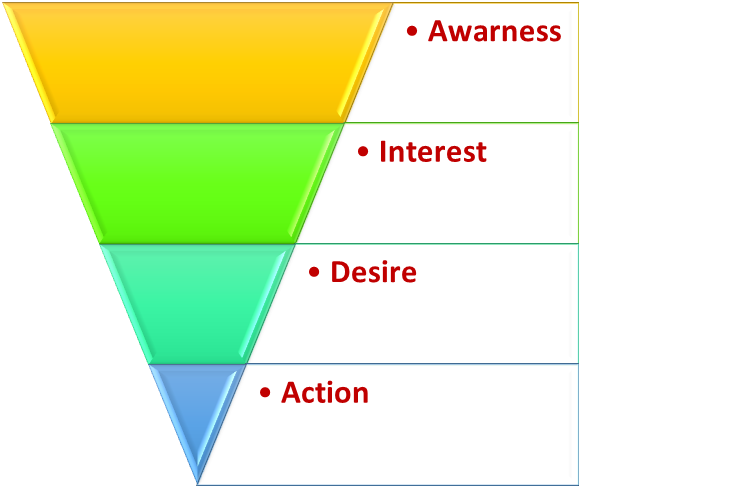
AIDA Model is a classic marketing framework that outlines the cognitive stages a consumer goes through during the buying process. It stands for Attention, Interest, Desire, and Action. Initially, it aims to capture the Attention of the target audience through various marketing and advertising efforts. Once attention is secured, the goal shifts to generating Interest in the product or service by highlighting its benefits and features. This interest is then nurtured into Desire, where consumers develop a keen inclination or wish to acquire the product. Finally, the model seeks to motivate the consumer to take Action, which involves making a purchase decision. The AIDA model is widely used in marketing to guide the creation of effective advertising and promotional strategies.

A – Attention (or Awareness)

The first step involves capturing the potential customer’s attention or making them aware of a product or service. In a world saturated with information and advertising, standing out and grabbing consumer attention is critical.

  • Strategies:

This can be achieved through various means such as eye-catching advertising, social media presence, public relations efforts, or any form of exposure that can make the target audience notice the brand or product.

I – Interest

Once the attention of the potential customer is captured, the next step is to pique their interest. At this stage, the consumer starts to express an interest in the product or service and wants to learn more about it.

  • Strategies:

Marketers can foster this interest by providing engaging and relevant information that resonates with the audience’s needs, desires, or pain points. Content marketing, detailed product descriptions, engaging visuals, and informative videos are effective tools at this stage.

D – Desire

Moving beyond mere interest, the Desire stage is where consumers develop a specific attraction towards the product or service. It’s about creating an emotional connection, making the consumer feel like they want or need the product.

  • Strategies:

This can be achieved by highlighting the benefits and features that set the product apart from competitors, customer testimonials, and showcasing the product’s ability to solve a problem or improve the consumer’s life in some way.

A – Action

The final stage involves persuading the customer to take a specific action, such as making a purchase, signing up for a newsletter, or any other goal of the marketing campaign. It’s where interest and desire convert into a decision.

  • Strategies:

To encourage action, marketers can use clear and compelling calls-to-action (CTAs), offer limited-time promotions or discounts, provide easy access to the purchase process, and ensure a smooth and hassle-free checkout experience.

Benefits of the AIDA Model

  • Structured Approach:

AIDA provides a clear, step-by-step framework that helps marketers plan and execute their campaigns systematically, ensuring that no aspect of the consumer’s journey is overlooked.

  • Enhances Creativity:

By requiring attention to each stage—Attention, Interest, Desire, Action—AIDA encourages marketers to think creatively about how to engage consumers at every step, leading to innovative and effective marketing strategies.

  • Improves Targeting:

Understanding the stages allows marketers to tailor their messages and channels more effectively to reach their audience at the right time with the right content, thus improving the efficiency of marketing efforts.

  • Facilitates Measurement:

Each stage of the AIDA model offers specific outcomes that can be measured, allowing marketers to evaluate the performance of their campaigns and adjust strategies for better results.

  • Customer-Centric:

The model emphasizes understanding and responding to the needs and desires of the consumer, leading to more customer-focused marketing that is more likely to resonate and drive conversions.

Challenges of the AIDA Model

  1. Linear Process Assumption:

AIDA suggests a linear journey, but consumer decision-making is often non-linear, with individuals moving back and forth between stages or skipping stages entirely, especially in the digital age.

  1. Changing Media Landscape:

The proliferation of digital channels and platforms complicates how consumers receive and interact with marketing messages, making it more challenging to capture attention and maintain interest through traditional methods.

  1. Consumer Skepticism:

In an era of information overload, consumers have become more skeptical of advertising and marketing messages. Generating genuine interest and desire requires more sophisticated and authentic engagement strategies.

  1. Measurement Complexity:

While the AIDA model facilitates measurement, accurately assessing emotional engagement and attributing actions to specific stages can be challenging, particularly with multiple touchpoints and channels involved.

  1. Ignoring Post-Purchase Behavior:

AIDA focuses on leading up to the action (purchase), but it does not address post-purchase satisfaction, loyalty, or advocacy, which are crucial for long-term brand success.

Ethics in Advertising, Foundation, Importance, Challenges

Ethics in advertising is a critical consideration that goes beyond merely abiding by legal standards. It encompasses the moral principles that guide how companies create, disseminate, and engage with their advertising content. The importance of ethics in advertising stems from its profound impact on society, consumer perceptions, and the trustworthiness of the advertising industry.

Foundation of Ethical Advertising

Ethical advertising is built upon the premise of honesty, fairness, and responsibility. It seeks to avoid misleading representations, offensive content, and exploitative tactics. The essence of ethical advertising lies in promoting products or services without compromising on moral integrity or societal values. This approach benefits not only consumers, by safeguarding their rights and interests, but also advertisers, by building brand credibility and loyalty.

Importance of Ethics in Advertising

The significance of maintaining ethics in advertising is manifold. Firstly, it ensures consumer trust. When advertisers adhere to ethical standards, they foster a relationship of trust with their audience. Consumers are more likely to believe in the advertised message and, by extension, in the brand itself.

Secondly, ethical advertising contributes to the overall well-being of society. It avoids stereotyping, discrimination, and manipulation, thereby promoting more inclusive and positive societal norms. Ethical advertising practices also prevent the spread of harmful or false information that could mislead consumers or harm public health and safety.

Lastly, in the long term, ethical advertising supports the sustainability of the advertising industry. By maintaining high ethical standards, the industry can avoid strict regulatory impositions and safeguard its creative freedom.

Ethical Challenges in Advertising

Despite its importance, the advertising industry faces numerous ethical challenges. One of the primary issues is the blurring of lines between advertising content and editorial or entertainment content, making it difficult for consumers to distinguish between unbiased information and promotional material. This practice, known as “native advertising,” raises concerns about transparency and the potential for deception.

Another challenge is the exploitation of vulnerable groups, such as children or the elderly, who may be more susceptible to persuasive advertising techniques. Advertisements targeting these groups raise ethical questions about manipulation and the responsibility of advertisers to protect these audiences from potential harm.

The digital age introduces further complexities, with concerns over privacy, data protection, and the role of algorithms in shaping consumer behavior and exposure to advertising. The personalized nature of digital advertising, while effective, raises ethical questions about surveillance, consent, and the potential for invasive marketing practices.

Implementing Ethical Practices in Advertising

Implementing ethical practices in advertising requires a concerted effort from all stakeholders, including advertisers, agencies, media platforms, and regulatory bodies. Establishing clear ethical guidelines and standards is a crucial first step. These guidelines should address issues such as honesty, transparency, respect for privacy, and the avoidance of harmful content.

Education and training for professionals in the advertising industry are also essential. By raising awareness of ethical issues and providing tools for ethical decision-making, the industry can foster a culture of integrity and responsibility.

Self-regulation plays a key role in upholding ethical standards. Industry-led initiatives, such as advertising standards authorities and codes of conduct, can provide frameworks for ethical advertising, offering mechanisms for review, enforcement, and redress.

Transparency with consumers is another vital aspect of ethical advertising. This includes clear disclosure of sponsored content, honest representation of products and services, and respect for consumer preferences, particularly in terms of data privacy and consent.

Ethical Advertising and Social Responsibility

Beyond individual advertisements, ethical considerations extend to the broader role of advertising in society. Ethical advertising practices can contribute to social good, using the power of persuasive communication to raise awareness about social issues, promote positive behaviors, and support community initiatives.

Corporate social responsibility (CSR) campaigns, for example, can highlight a company’s commitment to ethical practices, environmental sustainability, and social welfare. These campaigns, while promotional, can also drive social change and contribute to the public good when executed with sincerity and integrity.

Legal aspects of Advertising, Principles, Challenges

The Legal landscape of advertising is a complex matrix of regulations and guidelines designed to protect consumers, promote fair competition, and ensure the integrity of marketing communications. In a world where advertising is omnipresent, spanning from traditional media to the digital ecosystem, understanding the legal aspects of advertising is crucial for marketers, advertisers, and legal professionals.

Regulatory Framework

The legal framework governing advertising varies by country but generally involves a mix of legislation, regulatory bodies, and industry self-regulation. In the United States, for example, the Federal Trade Commission (FTC) is a primary body enforcing advertising laws, focusing on preventing deceptive and unfair business practices. Similarly, the European Union has directives such as the Unfair Commercial Practices Directive, which harmonizes the laws on consumer protection from misleading and comparative advertising.

Key Legal Principles in Advertising

  • Truthfulness and Honesty

One of the foundational legal principles in advertising is the requirement for truthfulness. Advertisements must not mislead consumers, either through false statements or omissions that could alter a consumer’s decision-making process. This principle is critical in areas such as price advertising, product performance claims, and endorsements or testimonials.

  • Substantiation

Closely related to the principle of truthfulness is the requirement for substantiation. Advertisers must have evidence to back up claims made in their advertisements. This is particularly pertinent for product efficacy claims, where scientific or empirical evidence may be necessary to support the advertised benefits.

  • Comparisons and Competitor References

Comparative advertising, where a product is directly or indirectly compared to a competitor’s, must comply with legal standards for truthfulness and non-deceptiveness. Legal frameworks often require that comparisons be fair, balanced, and substantiable, avoiding disparagement or misleading implications about a competitor’s product.

  • Decency and Social Responsibility

Advertising content must adhere to societal norms and values, avoiding indecency or offensive material. Additionally, advertisers have a responsibility not to promote harmful behaviors, such as excessive consumption of alcohol or the use of tobacco products. The legal mandate for decency and social responsibility is not only a protection for the general public but particularly for vulnerable segments of the population, such as children.

Digital Advertising Challenges

The digital advertising ecosystem presents unique legal challenges. Online advertisements, social media marketing, and influencer partnerships must navigate additional layers of complexity:

  • Privacy and Data Protection:

Digital advertising practices such as behavioral targeting and retargeting raise significant privacy concerns. Legal frameworks like the General Data Protection Regulation (GDPR) in the EU and various state laws in the U.S. (e.g., California Consumer Privacy Act, CCPA) set strict guidelines for consumer data collection, use, and protection.

  • Disclosure Requirements:

The line between editorial content and advertising must be clearly defined in the digital space. Influencer marketing, for example, requires explicit disclosure of the commercial relationship between the brand and the influencer to ensure transparency for consumers.

Intellectual Property Issues

Advertising often involves the creative use of trademarks, copyrighted material, and designs. The unauthorized use of intellectual property in advertising can lead to legal disputes and the requirement for compensatory damages. Ensuring proper licensing and adherence to copyright and trademark laws is essential for legal compliance.

Enforcement and Penalties

Violations of advertising laws can result in various penalties, including fines, injunctions to cease misleading advertising, and in some cases, criminal charges. Regulatory bodies have the authority to investigate complaints and enforce compliance. Moreover, competitors and consumers can often bring legal action against advertisers for misleading or unfair practices.

Self-Regulation

Beyond formal legal frameworks, industry self-regulation plays a significant role in maintaining ethical advertising practices. Organizations such as the Advertising Standards Authority (ASA) in the UK and the National Advertising Division (NAD) in the U.S. provide mechanisms for reviewing and addressing complaints about advertising content. Self-regulatory codes of conduct complement legal standards by promoting high ethical standards and resolving issues efficiently.

Global Considerations

As businesses increasingly operate on a global scale, international advertising campaigns must navigate a patchwork of national laws and regulations. Compliance with local advertising laws, understanding cultural sensitivities, and respecting international guidelines are pivotal for global marketing strategies.

error: Content is protected !!